
Engaging in hot yoga offers numerous physical and mental benefits, but preparing for a heated practice also involves a series of financial decisions. Beyond the studio membership, the gear you choose to bring represents a tangible investment. Approaching these choices with a savvy financial mindset can optimize your initial outlay, reduce long-term costs, and enhance the overall value derived from your practice. This guide explores the essential items for hot yoga through the lens of personal finance, emphasizing cost-effectiveness, durability, and strategic spending.
Strategic Spending on Your Hot Yoga Mat
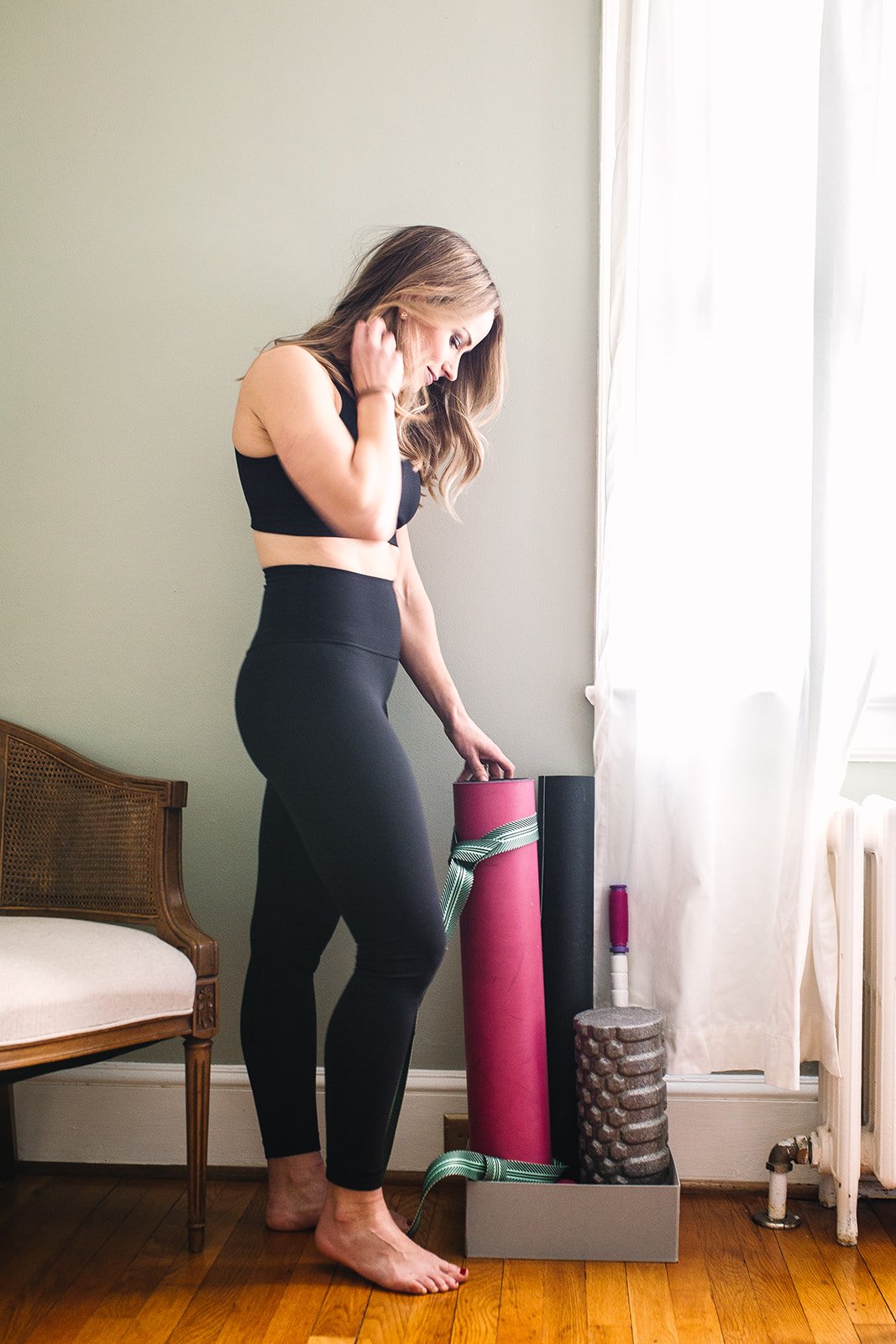
The yoga mat is arguably the most critical piece of equipment for any practice, and especially so for hot yoga where grip and hygiene are paramount. The market offers a vast array of options, from budget-friendly mats to premium, technologically advanced surfaces, each with distinct financial implications.
Balancing Cost and Performance
When selecting a hot yoga mat, the initial purchase price is only one part of the financial equation. Cheaper mats, often made from less durable materials like standard PVC or thin foam, may offer an attractive entry point. However, these mats typically degrade faster under the strenuous conditions of a heated studio—exposure to sweat, frequent cleaning, and high temperatures can lead to premature wear, loss of grip, and crumbling. This rapid deterioration necessitates more frequent replacements, turning what seemed like a saving into a recurring expense that quickly surpasses the cost of a higher-quality alternative.
Conversely, investing in a mid-to-high-range mat, often constructed from natural rubber, TPE, or specialized performance PVC, might involve a larger upfront payment. These mats are designed to withstand the rigors of hot yoga, offering superior grip even when wet, enhanced durability, and often better hygienic properties. By choosing a mat that maintains its integrity and functionality over an extended period, you effectively reduce your “cost per use” over the lifespan of the product. This approach aligns with principles of value investing, where a higher initial cost is justified by superior long-term performance and reduced need for replacement.
Durability as an Investment
Consider the yoga mat as a long-term asset in your fitness portfolio. A $30 mat that requires replacement annually will cost you $150 over five years. In contrast, a $100-$120 premium mat, designed to last five years or more with proper care, represents a more financially sound decision, bringing your five-year expenditure down by $30 to $50, assuming identical usage. This is a clear illustration of how durability translates directly into savings.
Furthermore, the materials and construction of durable mats often contribute to a safer and more stable practice, potentially mitigating the indirect financial costs associated with injuries from slipping. Proper maintenance—regular cleaning with appropriate, non-damaging solutions and avoiding direct sunlight for extended periods—acts as a further safeguard for your investment, extending the mat’s life and maximizing its return on value.
Hydration and Towel Choices: Maximizing Value
Hydration is crucial in hot yoga, and managing sweat is essential for safety and comfort. The choices you make regarding water bottles and towels can significantly impact both your experience and your wallet.
Reusable Water Bottles: An Eco-Friendly and Economical Choice
The financial disparity between single-use plastic water bottles and a durable reusable bottle is substantial over time. A typical bottle of water purchased at a studio or convenience store might cost $2-$3. If you attend hot yoga three times a week for a year, this equates to an annual expenditure of $312-$468. Investing in a high-quality reusable water bottle, which typically ranges from $15-$40, immediately offers significant savings. After just a few weeks, the reusable bottle pays for itself, and every subsequent use represents pure savings.
Beyond the direct cost, consider the material and insulation properties. An insulated stainless steel bottle, while perhaps at the higher end of the reusable bottle price spectrum, keeps water colder for longer, a major benefit in a hot studio. This superior functionality not only enhances your comfort but also reduces the temptation to purchase additional cold beverages post-practice, further bolstering your financial discipline. This choice embodies a fiscally responsible decision that benefits both your personal budget and environmental sustainability.
High-Performance Towels: Worth the Initial Outlay?
Hot yoga demands towels that go beyond the capabilities of standard bath towels. While a regular towel might seem like a cost-saving alternative, its lack of grip, poor absorption in high humidity, and slow drying time can be counterproductive, potentially leading to slips or an uncomfortable, soggy experience. Dedicated hot yoga towels, often made from specialized microfiber or blended materials, are designed for extreme absorption, quick drying, and non-slip performance when damp.
These performance towels typically range from $20-$50. While more expensive than a basic bath towel, their specific properties make them an investment that pays off in functionality and longevity. A high-quality yoga mat towel not only provides a hygienic barrier but also enhances grip, allowing for a safer and more focused practice. A smaller hand towel for wiping sweat prevents discomfort and maintains concentration. By investing in towels specifically designed for hot yoga, you reduce the need for multiple, less effective alternatives and ensure a more consistent, enjoyable practice—maximizing the value of your studio membership itself. The durability of these specialized towels also means they withstand frequent washing better than standard towels, extending their useful life and reducing replacement costs.
Activewear: Comfort, Function, and Fiscal Responsibility
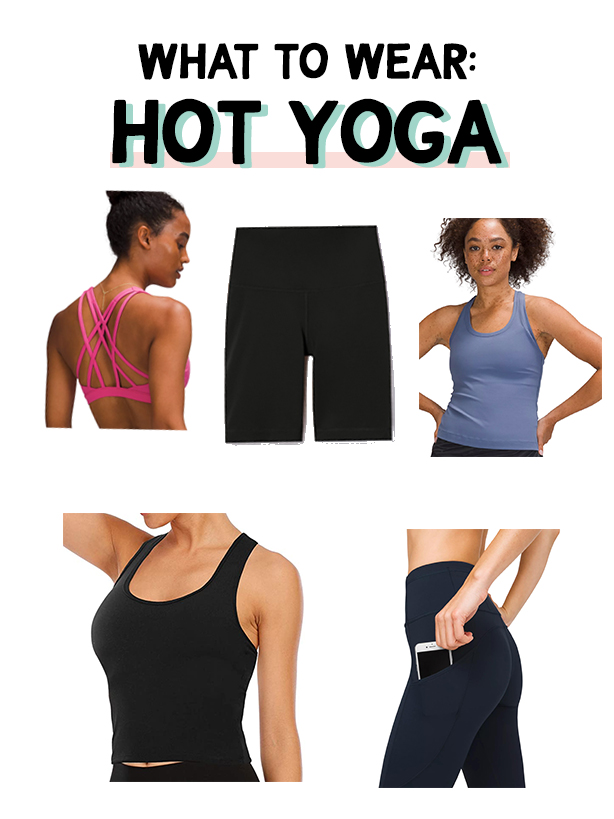
Your choice of activewear for hot yoga is not merely about style; it’s a critical decision impacting comfort, performance, and financial prudence. The intense heat and profuse sweating necessitate fabrics and designs that support your practice without requiring constant, costly replacements.
Fabric Selection for Longevity
When it comes to hot yoga activewear, fabric composition is paramount. Cotton, while inexpensive, is a poor choice for hot yoga; it absorbs sweat, becomes heavy, takes a long time to dry, and can lead to chafing. Repeated exposure to sweat, heat, and frequent washing can quickly degrade cotton garments, leading to stretching, fading, and the retention of odors, necessitating earlier replacement. This creates a hidden cost—the constant need to re-purchase items that don’t withstand the conditions.
Strategic investment lies in high-performance synthetic blends (like polyester, nylon, and spandex) or specialized natural fibers such as bamboo. These materials are engineered for moisture-wicking, breathability, and quick-drying properties. They pull sweat away from the body, evaporate quickly, and maintain their shape and integrity even after numerous hot yoga sessions and washes. While these garments may carry a higher initial price tag, their longevity, coupled with their superior performance that directly supports your practice, makes them a financially sensible choice. They effectively reduce your “cost per wear” over a longer lifecycle, preventing the continuous cycle of buying and replacing inferior products.
The Cost-Benefit of Specialty Brands vs. Value Options
The activewear market features a broad spectrum, from premium, niche yoga brands to more accessible, value-oriented options. Navigating this landscape requires understanding the true cost-benefit of each.
Specialty yoga brands often command higher prices due to advanced fabric technology, ergonomic design, ethical manufacturing practices, and robust quality control. These garments may offer superior fit, compression, and durability, justifying their premium for dedicated practitioners who value maximum performance and longevity. For someone practicing hot yoga several times a week, investing in a few high-quality, long-lasting pieces from these brands can be more economical in the long run than frequently replacing cheaper garments that wear out quickly. The enhanced comfort and performance can also indirectly contribute to a more consistent practice, thereby maximizing the investment in your studio membership.
However, the market also offers excellent value options from more mainstream athletic brands or even private labels. These can provide perfectly adequate moisture-wicking and breathable qualities at a fraction of the cost. The key is discerning quality within these categories: look for durable stitching, good elasticity retention, and fabric descriptions that explicitly mention performance features. For those on a tighter budget, a strategic mix—investing in one or two premium base layers (like a high-quality sports bra or supportive leggings) and supplementing with more budget-friendly tops or shorts—can be an effective financial strategy. The goal is to avoid unnecessary expenditure while ensuring your gear supports, rather than hinders, your practice.
Beyond the Basics: Accessories and Their Financial Impact
Once the core essentials are covered, a range of accessories exists that can enhance your hot yoga experience. However, a financially astute practitioner evaluates each accessory for its true value, necessity, and potential to extend the life of other investments.
Mat Cleaners and Their Role in Extending Gear Life
A dedicated yoga mat cleaner might seem like an auxiliary expense, but it plays a crucial role in protecting your primary investment: your yoga mat. Hot yoga mats are exposed to significant amounts of sweat, oils, and bacteria. While water and a cloth can provide a superficial clean, specialized mat cleaners are formulated to remove grime effectively without damaging the mat’s material or compromising its grip.
Investing in a proper mat cleaner, which typically costs $10-$20, is a small but impactful financial decision. Regular use prevents the buildup of residue that can break down the mat’s surface over time, leading to stickiness, odor, or premature wear. By preserving the mat’s integrity, a cleaner extends its usable life, delaying the need for an expensive replacement. This preventative maintenance is a classic example of how a small, ongoing expenditure can safeguard a larger asset, representing a savvy financial strategy. Some natural home remedies (like diluted white vinegar) can also be cost-effective alternatives, but research is key to ensure they don’t harm your specific mat material.
Evaluating the Necessity of Extras
The market is abundant with hot yoga accessories, from mat carriers and straps to blocks, bolsters, and headbands. For the financially conscious yogi, evaluating the true necessity of each item before purchase is crucial to avoid wasteful spending.
Many studios provide communal props like blocks and straps for free. Before purchasing your own, inquire about studio availability. This simple step can save you $20-$40 per item. Mat carriers, while convenient, might be unnecessary if you live close to the studio or already have a suitable bag. Headbands, while stylish, may or may not be essential for managing sweat, depending on personal preference and hair length; a simple, inexpensive bandana could suffice.
Frame purchases of non-essential items as discretionary spending. Prioritize core gear that directly impacts safety and performance. If an accessory genuinely enhances your practice or provides a significant convenience that you can afford, then it might be a worthwhile investment. However, distinguish between a “want” and a “need.” By being selective and only investing in accessories that provide clear, quantifiable value to your practice, you maintain control over your budget and avoid accumulating items that offer minimal return on investment.
Budgeting for Your Hot Yoga Practice: A Holistic View
Approaching hot yoga with a clear financial strategy extends beyond individual gear choices. It involves a holistic view of your investment in wellness, ensuring every dollar spent contributes meaningfully to your practice and overall financial health.
Calculating Total Initial Outlay
To begin, estimate your initial setup costs. A high-quality hot yoga mat might range from $70-$120. Add a performance yoga towel ($25-$45) and a hand towel ($15-$30). A durable reusable water bottle will be $15-$40. For activewear, budget for at least one full outfit (leggings/shorts, top, sports bra) ranging from $70-$150, depending on brand and material quality. Even with careful choices, expect an initial investment in essential gear to be in the range of $195-$385. This upfront calculation helps you prepare financially and make informed decisions about where to allocate your funds most effectively.
Long-Term Savings Through Smart Choices
The power of smart financial choices in hot yoga gear truly manifests in the long run. By investing in durable, high-performance items initially, you significantly reduce the frequency of replacements. A mat that lasts five years versus one that needs annual replacement can save you hundreds of dollars. Similarly, quality activewear that retains its shape and wicking properties for years avoids the recurring cost of cheap, quickly degrading garments. This strategy of investing in quality to reduce future expenditure is a cornerstone of sound personal finance, ensuring your money works harder for you over time.

The Value of Consistency and Maintenance
Beyond gear, your consistency in practice and commitment to maintenance further amplify your financial return. A studio membership or class package represents a significant investment. Attending regularly maximizes the “cost per class” value. When combined with quality gear that supports an uninterrupted and comfortable practice, the overall return on your wellness investment increases exponentially. Moreover, properly cleaning and caring for your gear—washing activewear correctly, wiping down your mat after each use—extends the life of each item. This diligent maintenance directly translates into financial savings by delaying the need for replacements, thereby safeguarding your initial outlays and ensuring your hot yoga journey remains both enriching and fiscally responsible.
aViewFromTheCave is a participant in the Amazon Services LLC Associates Program, an affiliate advertising program designed to provide a means for sites to earn advertising fees by advertising and linking to Amazon.com. Amazon, the Amazon logo, AmazonSupply, and the AmazonSupply logo are trademarks of Amazon.com, Inc. or its affiliates. As an Amazon Associate we earn affiliate commissions from qualifying purchases.