
Understanding the specific subdivision you inhabit extends far beyond a simple geographical label; it is a fundamental piece of financial intelligence with profound implications for your personal wealth, investment strategies, and even entrepreneurial endeavors. For homeowners, investors, and business strategists alike, knowing your subdivision unlocks a deeper comprehension of asset valuation, risk assessment, and market dynamics that can significantly impact financial outcomes.
The Critical Financial Role of Your Subdivision
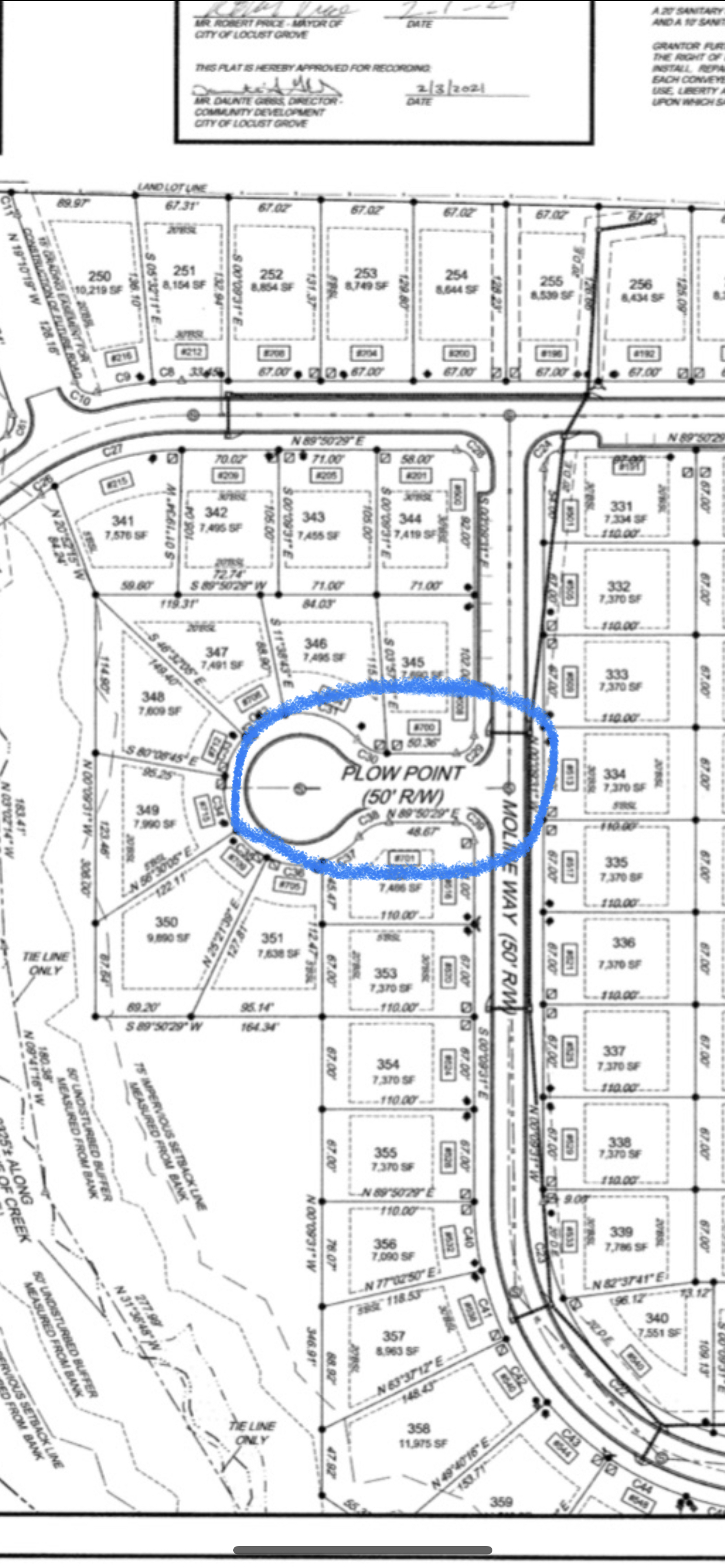
A subdivision is more than just a cluster of homes; it’s a distinct micro-economy, shaped by unique characteristics that ripple through its financial landscape. Identifying your precise subdivision is the first step toward gaining a granular understanding of the financial forces at play in your immediate environment.

Beyond a Simple Address: A Financial Identifier
While your street address pinpoints your exact location, your subdivision provides a rich contextual layer that informs its financial identity. This includes factors such as the developer’s reputation, the age and style of homes, the quality of local infrastructure, and the specific amenities available—all of which contribute to or detract from property values. For instance, homes in a subdivision known for its meticulously maintained common areas and top-rated school zones will inherently command higher prices than comparable properties in an adjacent area lacking these attributes. From a financial perspective, your subdivision acts as a brand identifier for your property, influencing everything from appraisal values to buyer demand and future appreciation potential. It defines the parameters within which your largest asset operates financially, setting expectations for costs, benefits, and investment trajectories.
The Micro-Market Phenomenon
Every subdivision represents a micro-market within the broader real estate ecosystem. These micro-markets often operate with their own supply-and-demand dynamics, independent of the wider city or regional trends. For example, a city might experience a general slowdown in real estate, but a particular subdivision with new, desirable amenities or exceptional schools could remain a seller’s market, witnessing continued price increases. Conversely, an overall booming market might mask pockets of stagnation or even decline in specific subdivisions struggling with issues like aging infrastructure, declining school ratings, or increasing crime rates. Understanding these micro-market nuances is crucial for accurate property valuation, strategic buying and selling decisions, and effective investment planning. Investors who deeply understand subdivision-specific trends can capitalize on localized opportunities, identifying undervalued assets in promising areas or divesting from those showing signs of future financial strain before broader market indicators catch up.
Subdivisions as Key Indicators of Property Value and Investment
For anyone with a stake in real estate—whether as an owner, buyer, or investor—the subdivision is a primary determinant of an asset’s worth and its capacity to generate returns. Its characteristics directly influence appreciation, liquidity, and overall investment viability.
Appreciation and Depreciation Dynamics
The rate at which a property appreciates or depreciates is heavily tied to its subdivision. Factors such as the subdivision’s age, initial quality of construction, ongoing maintenance of common areas, covenants, conditions, and restrictions (CC&Rs), and perceived community desirability all play a significant role. A well-managed subdivision with strong CC&Rs that enforce architectural consistency and property upkeep often maintains higher property values and sees more consistent appreciation. Conversely, subdivisions with lax rules, deferred maintenance of shared facilities, or a changing demographic profile might experience slower appreciation or even depreciation. Investors must analyze these factors meticulously. For instance, investing in a newly developed subdivision with a strong master plan and anticipated community growth might promise robust appreciation, while an older, declining subdivision, even if initially cheaper, could become a value trap with limited growth potential.
Investment Hotbeds and Cold Spots
Savvy real estate investors actively seek out “hot” subdivisions—areas poised for significant growth, high rental demand, and strong property value appreciation. These are typically characterized by new infrastructure projects, job growth, highly-rated schools, proximity to amenities, or a specific lifestyle appeal (e.g., walkable urban villages, golf course communities). Identifying such hotbeds requires granular analysis, often at the subdivision level, as broad city data can obscure these localized opportunities. Conversely, “cold spots” are subdivisions that exhibit limited growth, high vacancy rates, or depreciating values, often due to economic decline, environmental concerns, or shifts in demand. Recognizing these differences is paramount for strategic capital allocation. A detailed understanding of subdivision trends allows investors to diversify portfolios effectively, targeting areas with strong potential while avoiding those that present undue financial risk.
Assessing Risk and Return
The financial risk associated with a real estate investment is intrinsically linked to its subdivision. A subdivision prone to natural disasters (e.g., floods, wildfires), or one with a high incidence of property crime, will carry higher insurance premiums and potentially greater repair costs, thus diminishing net returns. Economic risks also vary; subdivisions heavily reliant on a single industry might be more vulnerable to economic downturns. For example, a subdivision developed primarily for workers of a specific factory could see a drastic drop in home values if that factory closes. From a return perspective, the subdivision influences rental yields, tenant quality, and ease of resale. High-demand subdivisions attract reliable tenants and command premium rents, contributing to robust cash flow. Conversely, properties in less desirable subdivisions may sit on the market longer, requiring price reductions, or may attract less reliable tenants, increasing vacancy and management costs. A thorough financial assessment of any property must, therefore, begin with a deep dive into the financial profile of its subdivision.
Navigating Personal Finance Within Your Subdivision’s Economic Landscape
For homeowners, understanding your subdivision is critical for managing ongoing expenses, protecting your asset, and making informed financial decisions that affect your household budget and long-term wealth.
Property Taxes and Public Services
One of the most significant financial implications of your subdivision relates to property taxes. While taxes are generally levied at the municipal or county level, the specific valuation of your home, which directly impacts your tax bill, is heavily influenced by your subdivision. Desirable subdivisions with higher property values will naturally incur higher tax burdens. However, these higher taxes often fund superior public services, such as better schools, more extensive parks, improved roads, and enhanced public safety. Homeowners must weigh these costs and benefits. A subdivision with lower taxes might appeal initially, but if it translates to inadequate services that negatively impact property value or quality of life, the perceived saving may be a false economy. Understanding how your subdivision contributes to and benefits from the local tax base is a key element of prudent personal financial planning.
Homeowners Associations (HOA) and Their Financial Weight
Many subdivisions, particularly planned communities, are governed by Homeowners Associations (HOAs). While HOAs play a crucial role in maintaining common areas, enforcing architectural standards, and preserving property values, they come with mandatory fees and potential special assessments that are significant financial obligations. These fees can range from a few hundred to several thousand dollars annually, directly impacting your monthly budget. Before purchasing a home in an HOA-governed subdivision, it is imperative to conduct thorough due diligence on the HOA’s financial health, reserve funds, history of special assessments, and the scope of its responsibilities. An HOA with insufficient reserves or poor financial management can lead to unexpected, substantial costs for homeowners, diminishing the property’s investment appeal and creating financial strain. These fees are a fixed cost that reduces the effective return on your home as an asset and must be factored into all financial calculations, including mortgage affordability and long-term budgeting.
Insurance Premiums and Disaster Risk
The specific location within a subdivision can also influence your homeowner’s insurance premiums. Subdivisions located in floodplains, wildfire-prone areas, or regions susceptible to other natural disasters will typically face higher insurance costs, and sometimes require specialized coverage not included in standard policies. Even within the same city, two different subdivisions might have vastly different insurance profiles due to elevation, proximity to water bodies, or historical risk data. For example, a subdivision built on higher ground might have significantly lower flood insurance premiums than one just a few miles away in a lower elevation. Understanding these localized risks at the subdivision level is critical for accurately budgeting for homeownership and ensuring adequate financial protection for your asset. Overlooking these details can lead to unexpected financial burdens in the event of a claim.
Strategic Opportunities: Business, Side Hustles, and Subdivision Insight
Beyond personal finance and direct real estate investment, a detailed understanding of specific subdivisions offers potent strategic advantages for businesses and individuals seeking to generate income through side hustles.
Hyperlocal Marketing and Customer Targeting
For businesses, particularly those operating in the service industry or with physical retail locations, understanding the demographics and economic profile of specific subdivisions is invaluable for targeted marketing and customer acquisition. A business offering high-end landscaping services, for example, would achieve greater success by targeting affluent subdivisions with large properties, rather than broadly advertising across an entire city. Similarly, a local restaurant might tailor its menu and promotions to appeal to the specific tastes and income levels prevalent in nearby subdivisions. This hyperlocal approach minimizes advertising waste and maximizes return on investment by focusing resources on the most promising customer segments. Side hustlers, from dog walkers to tutors or personal trainers, can also leverage this insight, strategically offering their services in subdivisions where demand is highest and residents are most likely to pay for convenience or specialized skills.
Real Estate Development and Speculation
For developers and real estate speculators, subdivision insight is the bedrock of profitable ventures. Identifying emerging subdivisions or those ripe for revitalization allows for strategic land acquisition, new construction, or redevelopment projects that align with future demand. Developers analyze factors like zoning changes, infrastructure improvements, population growth projections, and economic development plans at the subdivision level to forecast where the next wave of value creation will occur. This involves meticulous research into historical property values, demographics, average household incomes, and consumer preferences within specific subdivisions. Speculators might buy parcels of land in undeveloped areas adjacent to a rapidly expanding subdivision, betting on future annexation and subsequent value appreciation. These high-level financial plays are almost entirely dependent on a granular understanding of subdivision potential and trajectory.
Informing Financial Advisory and Lending
Financial advisors and lending institutions also rely heavily on subdivision-specific data. For advisors, knowing a client’s subdivision helps in assessing the true value of their primary asset, projecting property tax increases, and advising on investment diversification. It provides context for a client’s overall financial health and future planning. For lenders, the subdivision is a crucial factor in mortgage underwriting and risk assessment. Properties in historically stable or appreciating subdivisions are often viewed as lower risk, potentially leading to more favorable loan terms for borrowers. Conversely, properties in declining or volatile subdivisions might face stricter lending criteria or higher interest rates. Financial tools used by these professionals often incorporate robust geographical data, allowing them to analyze trends, assess risk, and make informed decisions with a precision that goes down to the individual subdivision level. This comprehensive understanding ensures that financial products and advice are tailored to the realities of a specific property’s location and its associated financial landscape.
aViewFromTheCave is a participant in the Amazon Services LLC Associates Program, an affiliate advertising program designed to provide a means for sites to earn advertising fees by advertising and linking to Amazon.com. Amazon, the Amazon logo, AmazonSupply, and the AmazonSupply logo are trademarks of Amazon.com, Inc. or its affiliates. As an Amazon Associate we earn affiliate commissions from qualifying purchases.