
Understanding the style of beer that defines Blue Moon is not merely a matter of brewing classification; it’s a deep dive into successful brand strategy, market positioning, and the art of crafting a distinctive corporate identity within a competitive industry. Blue Moon Belgian White, as it is officially known, masterfully straddles the line between traditional European brewing heritage and accessible, modern consumer appeal. Its core identity is rooted in the “Belgian-style witbier” (white beer) tradition, yet its brand narrative and market execution have carved out a unique space, transforming a specific beer style into a widely recognized, beloved brand phenomenon.
Decoding the Blue Moon Brand Identity
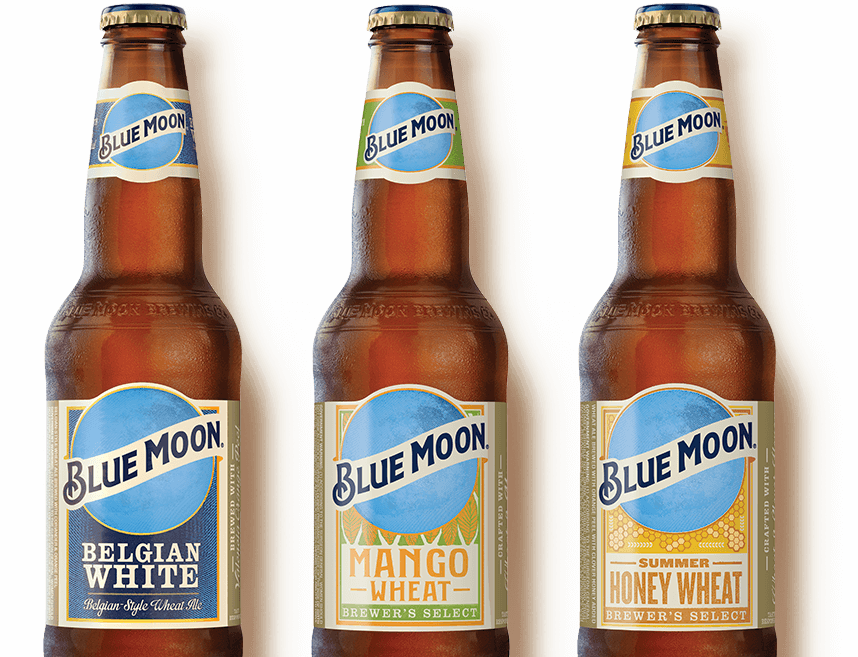
At its heart, Blue Moon Belgian White is an American interpretation of a classic Belgian witbier. This style is characterized by its cloudy, pale appearance, often attributed to wheat and yeast in suspension, and its refreshing, spiced flavor profile. Traditional witbiers incorporate elements like orange peel and coriander, providing a citrusy, aromatic complexity that differentiates them from their lager or ale counterparts. Blue Moon embraces these core characteristics, using Valencia orange peel, coriander, and oats to create a smooth, slightly sweet, and zesty brew that aligns with the style’s expectations while being engineered for broad palatability.
The Craft Beer Revolution and Brand Differentiation
The emergence of Blue Moon in 1995, initially brewed by Coors (now Molson Coors), was strategically timed to capitalize on the nascent craft beer movement. While not an independent craft brewery, its branding successfully positioned it as an artisanal, flavorful alternative to the dominant light lagers of the era. The decision to label it a “Belgian White” was a deliberate move to signal sophistication and a departure from the ordinary, tapping into consumer curiosity for European beer traditions. This specific style provided a clear point of differentiation in a market that was increasingly seeking variety and character beyond the mainstream offerings. The brand effectively communicated that while it offered a distinct and complex flavor, it remained approachable and enjoyable for a wide audience, bridging the gap between niche craft and mass market appeal.
Orange Slice: A Signature Brand Cue
Perhaps no single element embodies Blue Moon’s brand identity more powerfully than its recommended garnish: a fresh orange slice. This seemingly simple suggestion is a stroke of branding genius, transforming a serving ritual into a potent brand cue and a tangible expression of its style. The orange slice is not merely a garnish; it is an active ingredient that enhances the beer’s inherent citrus notes, reinforcing its flavor profile and engaging multiple senses. From a marketing perspective, it’s brilliant: it’s memorable, shareable, and visually distinctive. It adds an element of ritual and premiumization, encouraging consumers to participate in the “experience” of a Blue Moon. This practice has become so synonymous with the brand that many consumers identify Blue Moon primarily through this ritual, making it a powerful, non-verbal communication of its refreshing, citrus-forward, and somewhat exotic style, all while subtly teaching consumers how to best enjoy the product.
Strategic Positioning: Bridging Tradition and Innovation
Blue Moon’s success is largely attributable to its astute strategic positioning within the beverage market. It didn’t just introduce a beer; it introduced a brand experience carefully calibrated to resonate with a demographic hungry for authenticity and flavor, but perhaps intimidated by the rapidly expanding and often complex world of traditional craft beer. Its parent company’s resources allowed for widespread distribution and marketing, providing a craft-like experience at a scale few independent breweries could achieve.
Market Entry and Category Creation
When Blue Moon was launched, the beer landscape was largely bifurcated: macro-breweries dominated the market with light lagers, and a growing number of smaller, independent craft breweries catered to a niche audience with often bolder, more experimental styles. Blue Moon entered this market not as a direct competitor to either, but by creating its own distinctive space. It presented itself as a “crafty” option – a beer with artisanal qualities and a unique style, yet widely available and consistently brewed. This positioning allowed it to appeal to consumers who desired something more interesting than a typical mass-market beer but weren’t necessarily ready to deep-dive into the vast and sometimes overwhelming craft beer world. By focusing on a specific, approachable style (the Belgian White), it offered a clear, understandable, and consistently satisfying choice. This strategy allowed Blue Moon to not only establish a strong foothold but also to introduce a new category of “accessible specialty beer” to a broader consumer base.
Appealing to the Mainstream Craft Enthusiast
The brand’s appeal lies in its ability to offer the perception of craft quality and unique flavor without the perceived pretentiousness or inconsistency sometimes associated with smaller craft brewers. The “Belgian White” style itself plays a critical role here. Witbiers are generally lighter-bodied, refreshing, and less hoppy than many popular American craft styles like IPAs, making them more approachable for those new to flavorful beers. Blue Moon’s consistent quality and wide availability further contribute to its mainstream appeal. It offered a stepping stone for consumers looking to explore beyond mass-market lagers, providing a distinctive flavor profile that felt premium and innovative without being alienating. This positioning effectively captured a significant segment of consumers who sought a balance between novelty and familiarity, demonstrating a masterful understanding of consumer psychology in the evolving beverage market.
Brand Storytelling Through Product Style
Every successful brand tells a story, and for Blue Moon, its product style is the cornerstone of its narrative. The choice of the Belgian witbier style was not arbitrary; it was a deliberate strategic decision to imbue the brand with a sense of heritage, craftsmanship, and a unique flavor profile that could be consistently communicated and enjoyed.
The Belgian White Ale Narrative
The narrative surrounding Blue Moon is deeply intertwined with its adopted style: the Belgian White Ale. This style evokes images of centuries-old European brewing traditions, artisan craftsmanship, and a distinctive approach to beer making that uses unmalted wheat and unique spice blends. By anchoring itself in this tradition, Blue Moon positions itself as more than just a beverage; it’s a taste of history and authenticity. The brand’s messaging often highlights its “craft” origins, even within a large corporate structure, emphasizing the careful selection of ingredients like Valencia orange peel and coriander, and the specific brewing process that yields its characteristic hazy appearance and smooth finish. This storytelling resonates with consumers who are increasingly seeking products with a discernible origin story and a sense of genuine creation. The very name “Blue Moon” itself, suggesting rarity and a special occasion, further enhances this narrative of something unique and distinguished, a departure from the everyday.
Flavor Profile as a Brand Promise
The flavor profile of Blue Moon Belgian White is not just a characteristic of its style; it is a core brand promise. It promises a refreshing, complex, yet highly drinkable experience defined by a delicate balance of citrus and spice. This promise is consistently delivered through its meticulous brewing process and the careful selection of ingredients. The taste becomes a direct expression of the brand’s identity – inviting, distinctive, and consistently satisfying. For consumers, the reliable flavor profile builds trust and loyalty. They know what to expect when they choose a Blue Moon, and that predictability, combined with its unique taste, forms a powerful bond. The subtle sweetness, the effervescence, the underlying coriander, and the prominent orange notes all contribute to a holistic flavor experience that reinforces the brand’s commitment to delivering a specific, enjoyable style. This consistent flavor delivery is crucial for a brand that aims to maintain a broad appeal while retaining a distinctive identity, ensuring that the “Belgian White” style is not just a label, but a tangible and pleasant reality with every sip.
Sustaining Brand Resonance and Evolution
Even for a brand as established as Blue Moon, maintaining resonance in a dynamic market requires continuous strategic effort. The initial success derived from its distinct Belgian White style necessitates careful management of its core identity while also exploring avenues for growth and relevance.
Portfolio Expansion and Brand Extensions
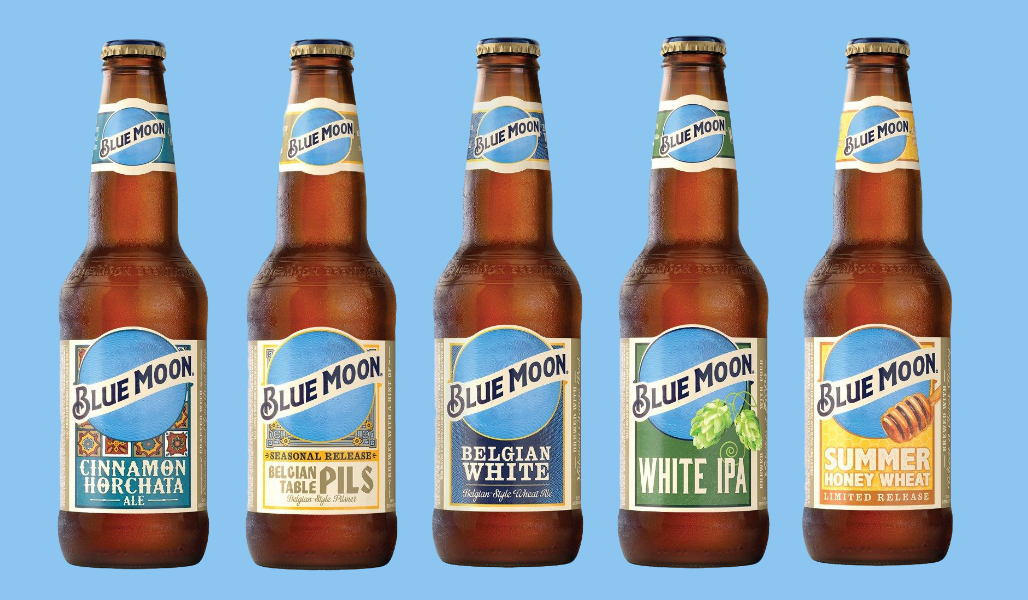
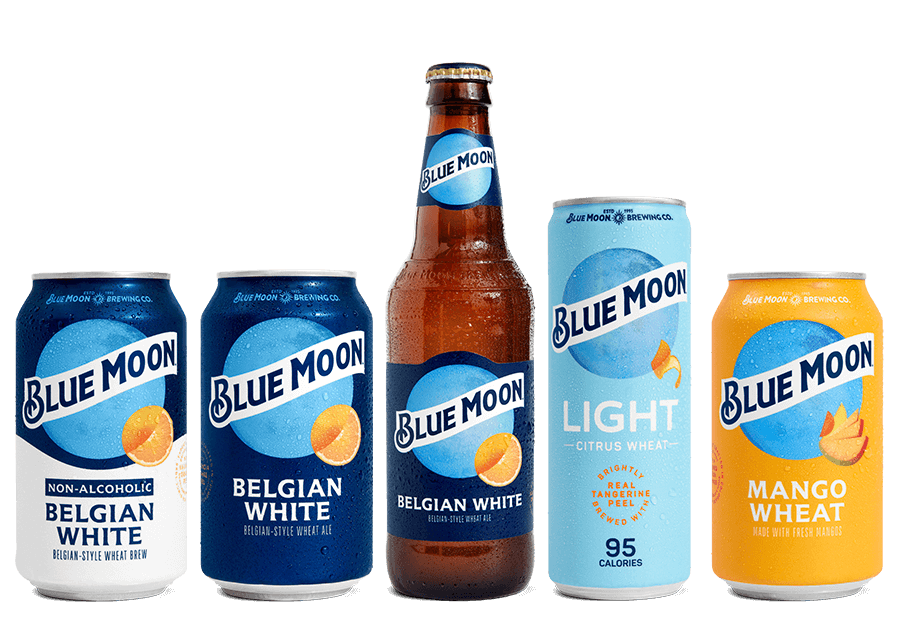
A crucial aspect of sustaining brand resonance for Blue Moon has been its strategic portfolio expansion. While the Belgian White remains its flagship, the brand has introduced a range of other styles under the Blue Moon umbrella, including IPAs, seasonal offerings, and other fruit-infused variations. This expansion allows Blue Moon to cater to evolving consumer tastes and capture new market segments without diluting the equity of its core product. Each new product introduced, whether it’s a Summer Shandy or a LightSky Citrus Wheat, carries the distinct Blue Moon branding, leveraging the recognition and positive associations built by the Belgian White. However, these extensions must be carefully managed to ensure they align with the overarching brand values of quality, approachability, and distinctive flavor, thus broadening the brand’s appeal while staying true to its identity as a purveyor of “uniquely crafted” beers. The goal is to evolve with consumer preferences while ensuring that the brand’s core essence, rooted in its original style and commitment to distinct flavor, remains intact and consistently communicated.
Maintaining Authenticity in a Competitive Landscape
In an increasingly crowded and fragmented beer market, particularly with the proliferation of independent craft breweries, maintaining Blue Moon’s authenticity and appeal is a continuous challenge. As a brand owned by a major brewing corporation, it often faces scrutiny from craft beer purists. The strategy for Blue Moon has been to lean into its identity as a pioneering “crafty” brand – one that brought unique styles to the mainstream before many others. It emphasizes its commitment to quality ingredients, innovative brewing techniques, and the consistent delivery of a distinctive experience. By continually highlighting the craft involved in producing its Belgian White and other offerings, Blue Moon strives to differentiate itself from both the mass-market producers and the more niche, experimental craft brewers. This involves reinforcing its original storytelling, showcasing its brewing process, and engaging with consumers through events and marketing campaigns that underscore its heritage and dedication to flavor. Ultimately, maintaining its resonance means consistently delivering on its brand promise—a delicious, approachable, and uniquely styled beer experience—thereby safeguarding its position as a distinctive and enduring choice in the global beverage industry.
aViewFromTheCave is a participant in the Amazon Services LLC Associates Program, an affiliate advertising program designed to provide a means for sites to earn advertising fees by advertising and linking to Amazon.com. Amazon, the Amazon logo, AmazonSupply, and the AmazonSupply logo are trademarks of Amazon.com, Inc. or its affiliates. As an Amazon Associate we earn affiliate commissions from qualifying purchases.