
The Mamiya 645 system, renowned for its optical quality and robust build, represents a significant investment for any photographer. As a medium format camera, models like the Mamiya 645 Pro TL can be substantial in weight, especially when paired with various lenses and accessories. Selecting the right strap is not merely an aesthetic choice; it’s a critical decision impacting comfort, security, and the longevity of your equipment. This guide delves into the technical considerations and practical advice for choosing the optimal strap for your Mamiya 645.
Understanding Mamiya 645 Strap Mounts and Ergonomics
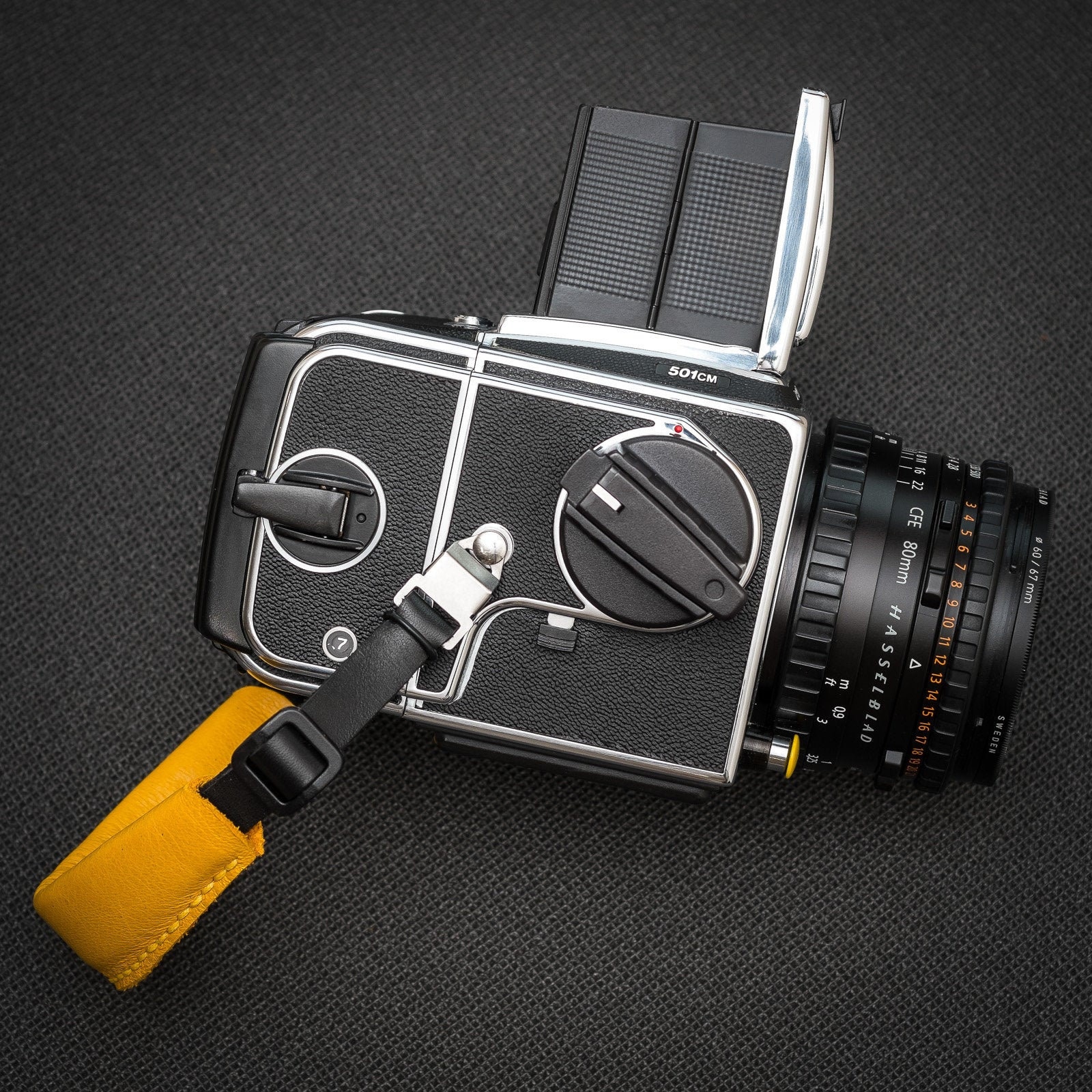
Before exploring strap types, it’s essential to understand how straps attach to your Mamiya 645 and the inherent ergonomic challenges posed by its design and weight. The Mamiya 645 series typically features traditional lug mounts, usually located on the top plate near the prism or viewfinder. These are robust metal loops designed to accept various attachment mechanisms.
Lug Mount Compatibility
Most Mamiya 645 models utilize standard metal lug mounts. These mounts are designed to accommodate split rings, which are the most common and secure method of attaching camera straps. The diameter and thickness of these lug mounts dictate the type and size of split rings or quick-release fasteners that can be safely used. Ensuring a snug fit without excessive play is crucial to prevent wear on the lug mounts and maintain security. Oversized or undersized rings can lead to instability or accelerate metal fatigue over time.
Weight Distribution and Stress Points
The Mamiya 645’s weight, often ranging from 1.5 kg to over 2 kg with a standard lens and prism, places considerable stress on both the camera’s attachment points and the photographer’s body. A poorly designed or inappropriately chosen strap can concentrate this weight onto small areas of the neck or shoulder, leading to discomfort, fatigue, and even chronic pain during extended shooting sessions. An effective strap design distributes the camera’s mass broadly across a larger surface area, minimizing pressure points and allowing for more balanced carrying. The angle and leverage created by the strap’s attachment to the camera are also critical, influencing how the camera hangs and the ease with which it can be brought to eye level.
Types of Straps and Their Technical Attributes
Strap design has evolved significantly, offering various configurations each with distinct technical advantages and disadvantages for medium format cameras like the Mamiya 645.
1. Neck Straps
Traditional neck straps are perhaps the most common type. They are designed to hang the camera around the photographer’s neck, distributing the weight across the cervical and upper thoracic spine.
Material and Width Considerations
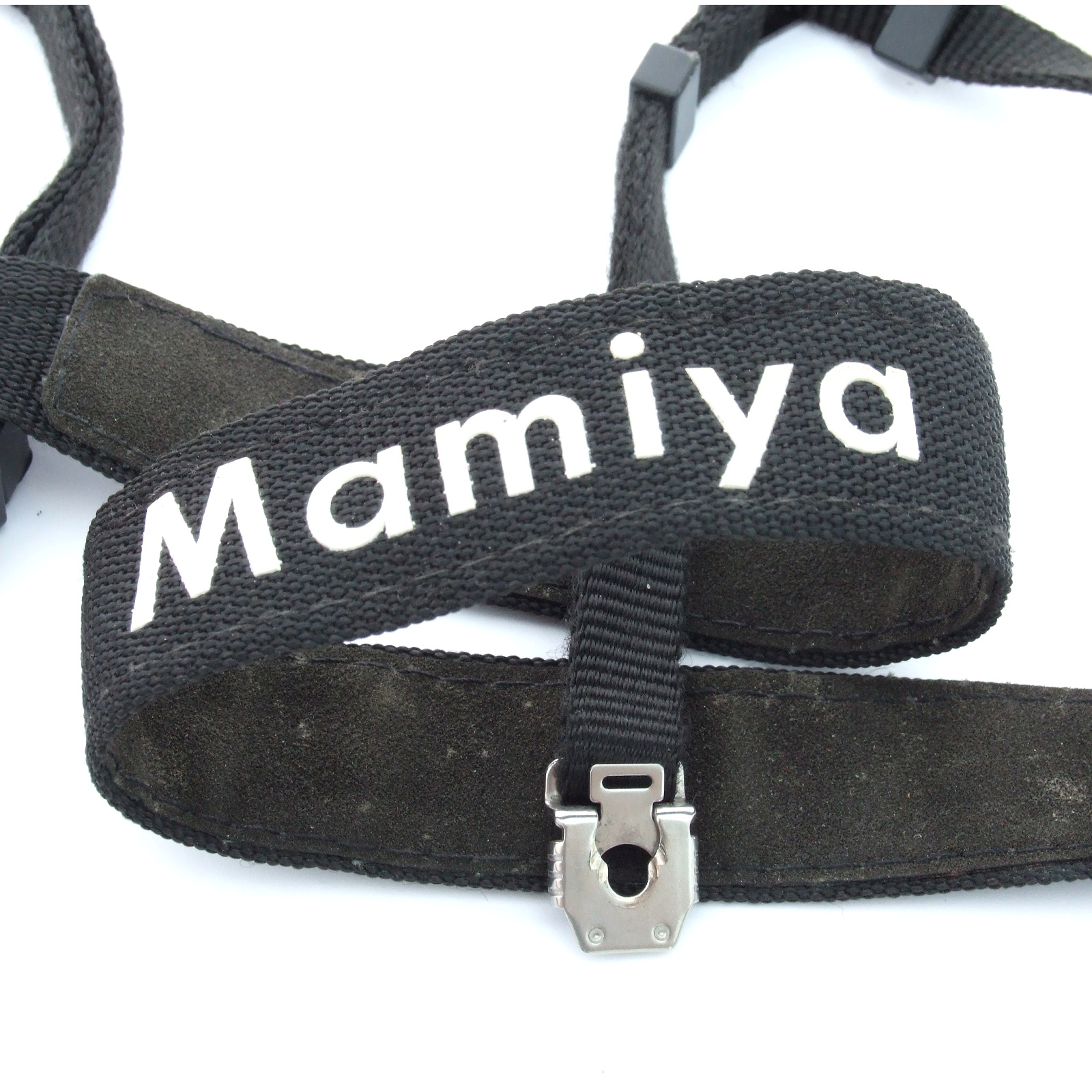
For a Mamiya 645, a neck strap made from a durable yet comfortable material is paramount. Neoprene, known for its elasticity and padding, can offer shock absorption, reducing the perceived weight and bounce during movement. High-density nylon webbing or seatbelt-grade material provides exceptional strength and abrasion resistance, crucial for heavy equipment. Leather, particularly full-grain, offers superb durability and often molds to the user’s body over time, enhancing comfort. The width of the strap is a critical ergonomic factor; for a Mamiya 645, a strap at least 3-4 cm wide is recommended to adequately distribute weight and prevent it from digging into the neck or shoulders. Straps with integrated non-slip surfaces on the underside can prevent the camera from sliding off the shoulder if carried off-neck.
Attachment Mechanisms
Most neck straps utilize robust split rings that connect directly to the camera’s lug mounts. Ensure these rings are made from high-grade stainless steel or similarly strong alloys to prevent deformation or breakage under the camera’s weight. Some modern neck straps incorporate quick-release buckles (e.g., Fastex-style or proprietary interlocking designs) which allow for rapid detachment of the camera body from the main strap for tripod use or storage. The integrity and locking mechanism of these quick releases must be impeccable to avoid accidental disengagement.
2. Shoulder and Sling Straps
Shoulder and sling straps are designed to carry the camera across the body, distributing the weight diagonally from one shoulder to the opposite hip. This method often offers superior weight distribution and quicker access compared to traditional neck straps.

Design and Load Bearing
Sling straps often feature a wide, padded shoulder section that spreads the camera’s weight over a larger area of the shoulder and back. The strap material should be robust nylon or similar high-tensile fabric. A key technical aspect is the adjustable length and the ability of the camera to slide freely along the strap for quick deployment. This often involves a durable, low-friction slider mechanism. The attachment point for sling straps is typically a single point on the camera, often a tripod screw mount on the base plate. While this provides excellent stability and swing mechanics, it’s crucial to use a high-quality, secure tripod screw adapter to prevent accidental detachment. Some advanced sling systems use redundant locking mechanisms for added security.
Quick Access and Security Features
The primary advantage of a sling strap for an Mamiya 645 is rapid access. The camera hangs at the hip or lower back and can be smoothly slid up to the shooting position. Many sling straps include locking systems that prevent the camera from sliding when not in use, offering security against accidental drops and reducing swing. Anti-theft features, such as integrated steel cables within the strap, are also available in some high-end models, providing an extra layer of protection for valuable equipment.
Critical Considerations for Strap Selection
Choosing the ideal strap for your Mamiya 645 involves balancing several technical and practical factors to ensure both security and user comfort.
1. Security and Durability
The paramount concern for any camera strap, especially for a heavy and valuable medium format camera, is security. All components of the strap system—the attachment rings, quick releases, buckles, and the strap material itself—must be of exceptional quality and thoroughly tested.
Material Integrity
Inspect the stitching for fraying or loose threads. High-quality straps use reinforced stitching patterns (e.g., box-X stitching) at critical stress points. The strap material should be resistant to UV degradation, moisture, and abrasion, as these factors can compromise its integrity over time. Metal components should be corrosion-resistant and capable of bearing significantly more weight than the camera itself (often rated for 20-30 kg or more). Plastic quick-release buckles, if used, must be engineered from high-strength polymers and feature robust interlocking teeth to prevent accidental release.
Attachment Redundancy
For maximum security, especially with heavy cameras, consider straps that offer some form of attachment redundancy. This could be a safety tether that connects the camera to another point on the strap or a quick-release system that requires a multi-step disengagement process. Regularly inspect all attachment points for wear and tear. Split rings can show signs of opening over time, and quick-release mechanisms can accumulate dirt or degrade.
2. Comfort and Ergonomics
Given the Mamiya 645’s weight, comfort is not a luxury but a necessity for prolonged shooting.
Padding and Breathability
For neck and shoulder straps, thick, high-density foam padding, often covered with a soft, breathable fabric (e.g., mesh or moisture-wicking material), is crucial. This padding should be wide enough to distribute pressure evenly and prevent the strap from cutting into the skin. Breathable materials help mitigate sweat buildup, enhancing comfort in warmer climates or during active use. Neoprene offers excellent cushioning but can sometimes cause heat buildup; nylon or mesh-backed padding might be preferred in some scenarios.
Adjustability
The ability to quickly and easily adjust the strap length is vital for versatility. Photographers may need to shorten the strap for secure carrying while moving or lengthen it for comfortable shooting. High-quality adjusters should hold the strap length securely without slipping, yet allow for smooth, one-handed operation. Cam buckles or ladder lock adjusters are common, but their performance varies with material and design.
3. Usage Style and Environment
Your photographic style and the environments you shoot in should influence your strap choice.
Quick Access vs. Low Profile
If you frequently need to raise the camera to your eye quickly (e.g., street photography, event coverage), a sling strap might be superior due to its rapid deployment. If you prefer a more traditional, low-profile carry and don’t need immediate access, a well-padded neck strap may suffice. For studio work or when the camera is mostly on a tripod, a simple hand strap or even no strap might be preferable.
Environmental Durability
Consider the elements. If you shoot in dusty, sandy, or wet conditions, choose a strap with materials and components that are easy to clean and resistant to corrosion and abrasion. Nylon webbing and marine-grade stainless steel hardware often excel in such environments. Leather, while durable, may require more maintenance in harsh conditions. Avoid straps with excessive fabric or rough textures that can pick up debris or scratch the camera body.
In conclusion, selecting a strap for your Mamiya 645 demands careful consideration beyond mere aesthetics. Focusing on the technical integrity of attachment points, material science, ergonomic design, and suitability for your specific shooting style will ensure your valuable medium format camera is carried securely and comfortably, allowing you to focus on capturing exceptional images.
aViewFromTheCave is a participant in the Amazon Services LLC Associates Program, an affiliate advertising program designed to provide a means for sites to earn advertising fees by advertising and linking to Amazon.com. Amazon, the Amazon logo, AmazonSupply, and the AmazonSupply logo are trademarks of Amazon.com, Inc. or its affiliates. As an Amazon Associate we earn affiliate commissions from qualifying purchases.