
Understanding Your Pressure Washer: Beyond the Water Jet
A pressure washer stands as a formidable gadget in the arsenal of modern cleaning, leveraging pressurized water to strip away grime from a myriad of surfaces. While the raw force of its high-velocity stream is undeniably impressive, the true technological marvel and efficiency often lie not just in the hardware, but in the intelligent integration of cleaning agents. Understanding “what soap to use” transcends mere preference; it’s about optimizing the performance of your equipment, preserving the integrity of the surfaces you clean, and achieving a superior, lasting finish.
The Mechanics of Cleaning Power
At its core, a pressure washer operates on a simple yet powerful principle: a motor or engine drives a pump that accelerates water to extreme pressures, expelling it through a concentrated nozzle. This kinetic energy alone can dislodge loose dirt and debris. However, many contaminants, such as grease, oil, sap, mold, and baked-on grime, adhere to surfaces through chemical bonds or physical properties that pure water pressure struggles to overcome. This is where the chemistry of cleaning solutions becomes indispensable. The gadget’s ability to inject detergents into the water stream is a critical design feature, transforming a brute-force tool into a sophisticated cleaning system.
Why Soap Matters: More Than Just Suds
The right soap acts as a force multiplier for your pressure washer. It’s not just about creating foam; it’s about leveraging advanced chemical formulations designed to break down specific types of dirt and stains. Soaps, or more accurately, detergents, contain surfactants—molecules that reduce the surface tension of water. This allows the water to penetrate and encapsulate dirt particles more effectively, lifting them from the surface so the pressure washer’s stream can rinse them away thoroughly. Without the correct chemical assistance, a pressure washer might merely push grime around or require multiple passes, wasting time, water, and energy, and potentially damaging the surface through excessive force. Moreover, specialized detergents can offer benefits like rust inhibition, wax protection, or mold suppression, contributing to the longevity and aesthetic appeal of the cleaned item.
The Science of Cleaning: Types of Pressure Washer Soaps
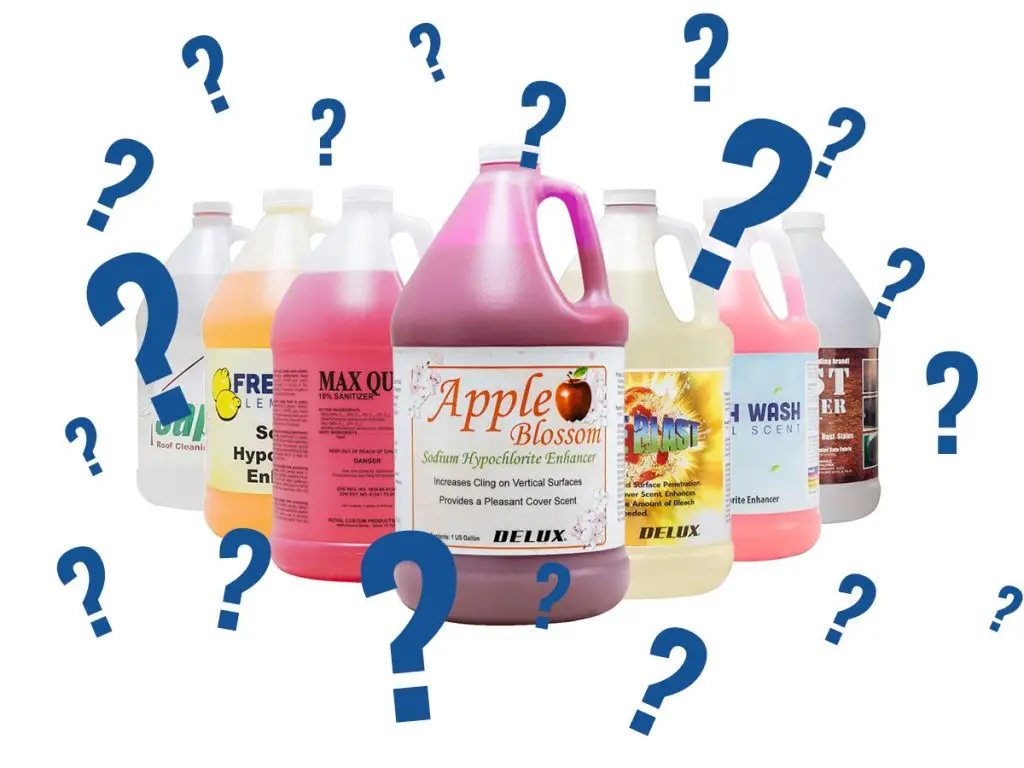
The world of pressure washer detergents is diverse, with each formulation engineered to tackle specific challenges. Choosing the appropriate cleaner is crucial for maximizing efficiency and preventing damage. These specialized solutions represent a distinct category within cleaning technology, developed to synergize with high-pressure application.
General-Purpose Cleaners
These are the workhorses for everyday dirt and grime. Typically pH-neutral or mildly alkaline, general-purpose cleaners are formulated with broad-spectrum surfactants that are effective against common environmental buildup, dust, and light organic stains. They are safe for most washable surfaces, including vinyl siding, concrete, brick, and painted surfaces, making them a versatile choice for routine maintenance. Their mild composition ensures they won’t strip waxes or finishes, positioning them as a go-to for many homeowners.
Vehicle-Specific Soaps
Automotive cleaning demands detergents specifically designed for vehicle finishes. These soaps are pH-balanced to be gentle on paint, clear coats, and wax layers, preventing streaks, spots, and degradation. They often contain carnauba wax or polymer protectants that leave a protective layer after rinsing, enhancing shine and repelling water. Formulations for cars, trucks, RVs, and boats focus on removing road film, bug splatter, tree sap, and exhaust soot without harming delicate surfaces or accelerating oxidation. Their technological edge lies in precise chemical balances that are tough on dirt but mild on finishes.
Deck, Patio, and Siding Cleaners
Outdoor surfaces face unique challenges from weather, foot traffic, and biological growth. These specialized cleaners often contain stronger surfactants and sometimes mild bleaching agents (like sodium hypochlorite, in varying concentrations) or enzymes to effectively break down heavy dirt, grease, mildew, algae, and moss. For wood decks, specific formulations are designed to clean without stripping natural oils or damaging the wood fibers, often incorporating brighteners to restore the wood’s original luster. For composite decking, gentler, non-bleach formulas are preferred to prevent discoloration.
Mold, Mildew, and Algae Removers
These are powerful, targeted solutions for biological contaminants. While some general-purpose cleaners may inhibit growth, dedicated mold and mildew removers contain active fungicidal or algaecidal components, often based on chlorine or quaternary ammonium compounds. They are crucial for sanitizing affected areas, preventing recurrence, and restoring the aesthetic appeal of damp, shaded surfaces like north-facing walls, shaded patios, and roofs. Their effectiveness lies in their ability to penetrate and neutralize these microscopic organisms at a cellular level.
Degreasers and Heavy-Duty Cleaners
When faced with oil spills, engine grease, or industrial-grade grime, a heavy-duty degreaser is essential. These cleaners are typically highly alkaline, formulated with strong solvents and robust surfactants to emulsify and lift stubborn petroleum-based residues. They are invaluable for cleaning garage floors, driveways with oil stains, machinery, and commercial equipment. Due to their potent nature, careful application and proper protective gear are paramount, and they should be used with caution on painted or sensitive surfaces.
Eco-Friendly Formulations
As environmental consciousness grows, so does the demand for sustainable cleaning technology. Eco-friendly pressure washer soaps utilize biodegradable ingredients, often plant-derived, and avoid harsh phosphates, bleaches, and petroleum-based solvents. While being gentler on the environment, these formulations are increasingly engineered to maintain high cleaning efficacy, making them suitable for areas near gardens, waterways, or where runoff is a concern. Their innovation lies in achieving powerful cleaning through greener chemistry.
Selecting the Right Soap for the Job: A Practical Guide
Choosing the correct detergent is a critical step in maximizing your pressure washer’s utility and ensuring successful outcomes. This selection process involves a systematic consideration of the surface, the type of contaminant, and the specifications of your equipment.
Matching Soap to Surface Material
The fundamental rule of detergent selection is to match the cleaner to the surface material. Using an acidic cleaner on concrete can etch it, while an alkaline degreaser can strip wax from a car or damage delicate wood.
- For vehicles (cars, boats, RVs): Opt for pH-neutral, streak-free automotive soaps, often with wax protectants.
- For wood decks, fences, and furniture: Select wood-specific cleaners that remove mildew and dirt without bleaching or damaging wood fibers, sometimes with brighteners.
- For concrete, brick, and stone: General-purpose or heavy-duty alkaline cleaners are usually suitable. For severe stains like rust or oil, specialized removers may be necessary, but always test in an inconspicuous area.
- For vinyl, aluminum, or stucco siding: Mild, biodegradable house wash detergents are ideal. Avoid strong acids or bases that can discolor or damage finishes.
- For mold, mildew, and algae: Use dedicated anti-fungal/algaecidal formulas, especially on shaded or damp areas.
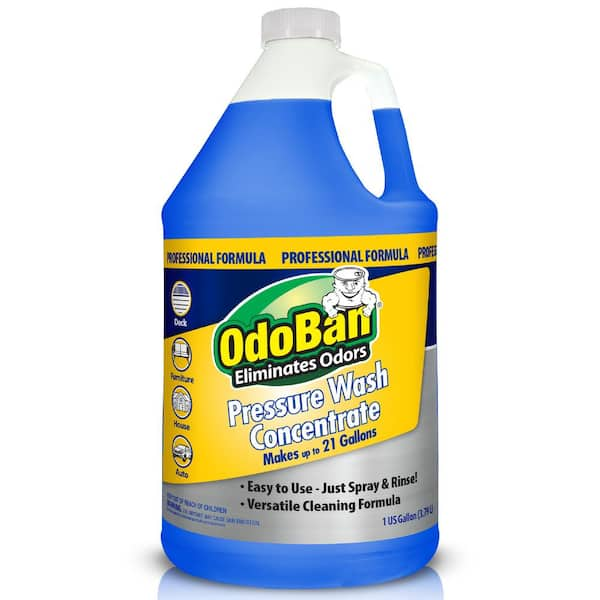
Always consult the pressure washer and detergent manufacturer’s instructions for surface compatibility.
Considering the Type and Severity of Dirt
The nature of the stain dictates the chemical approach.
- Light dust and general grime: A mild, general-purpose cleaner is usually sufficient.
- Grease and oil stains: Require strong alkaline degreasers to emulsify petroleum-based residues.
- Biological growth (mold, mildew, algae): Demands active biocides to kill and remove the organisms.
- Rust stains: Need specialized rust removers, often acidic, applied carefully to avoid etching.
- Tree sap or bug residue: May benefit from specific automotive pre-soaks or all-purpose cleaners with good solvency.
For exceptionally stubborn stains, a pre-treatment with a concentrated solution and a longer dwelling time (as per manufacturer guidelines) can significantly improve results.
Compatibility with Your Pressure Washer Model
Not all pressure washers handle detergents in the same way.
- Downstream Injectors: Most consumer-grade pressure washers use a downstream injector, which siphons detergent into the water stream after the pump, usually at low pressure. This means the detergent does not pass through the pump, protecting its internal components. These systems require detergents specifically formulated for pressure washers, as regular household soaps can foam excessively or contain ingredients that aren’t compatible.
- Upstream Injectors (less common in consumer models): Some professional units have upstream injectors, where detergent is mixed before the pump. This allows for higher concentration at the nozzle but requires detergents that are safe for pump components.
- Detergent Tanks: Many electric pressure washers have onboard detergent tanks. Ensure the detergent is suitable for these internal systems.
- Nozzle Requirements: Some detergents work best with specific soap nozzles (typically a wider spray angle and lower pressure) to create foam and maximize coverage.
Always check your pressure washer’s manual for specific detergent recommendations and injection system requirements.
Dilution Ratios and Application Methods
Proper dilution is crucial for efficacy and safety. Concentrated detergents must be diluted according to the manufacturer’s instructions. Over-diluting reduces effectiveness, while under-diluting wastes product, can leave residue, and potentially damage surfaces. Most pressure washer detergents are designed to be siphoned from the concentrate, with the pressure washer’s injector system handling the correct dilution. For direct application or pre-treatment, separate mixing might be required. Apply detergents at low pressure, allowing sufficient dwell time (typically 5-10 minutes, but never letting it dry on the surface) to let the chemistry work, then rinse thoroughly at high pressure.
Best Practices for Soap Application and Safety
Leveraging the full potential of your pressure washer with the right soap involves more than just pouring liquid into a tank. Adhering to best practices ensures optimal cleaning, surface protection, and user safety. These protocols are essential for getting the most out of your cleaning gadget and its chemical adjuncts.
Proper Loading and Dispensing
Before operating, ensure your detergent tank or siphoning system is clean and free of residues from previous chemicals. For integrated tanks, fill with the recommended pressure washer soap, diluted as per instructions if needed. For external siphoning systems, place the siphon tube directly into the concentrated detergent container. Always use the appropriate “soap” or “low-pressure” nozzle (often a black or wide-angle white nozzle) to draw and apply detergent effectively. Applying detergent at high pressure is generally ineffective, wasteful, and potentially damaging. The gadget is designed to mix soap at lower pressure settings.
Pre-Treatment and Dwelling Time
For heavily soiled surfaces, a pre-treatment step can significantly enhance cleaning performance. Apply the detergent solution evenly over the dry surface, working from bottom to top to prevent streaking. This allows the cleaning agents sufficient “dwell time”—the period during which the chemicals actively break down and loosen grime. This typically ranges from 5 to 10 minutes, but it’s critical never to let the detergent dry on the surface, especially in direct sunlight, as this can lead to permanent etching, streaking, or film. If the surface begins to dry, lightly mist it with water or reapply detergent to keep it wet.
Rinsing Techniques for Optimal Results
Thorough rinsing is as important as proper application. After the dwelling time, switch to a high-pressure nozzle (e.g., 25- or 40-degree) and rinse the surface thoroughly, again working from top to bottom. Overlapping your passes slightly ensures comprehensive removal of both the detergent and the loosened dirt. Inadequate rinsing can leave behind a chemical residue that attracts new dirt, causes discoloration, or damages the surface over time. Pay particular attention to corners, crevices, and areas where detergent might pool.
Safety Precautions and Environmental Considerations
Working with pressure washers and cleaning chemicals requires strict adherence to safety protocols.
- Personal Protective Equipment (PPE): Always wear safety glasses or goggles, gloves, and appropriate footwear. For stronger chemicals, consider a respirator and protective clothing to prevent skin and respiratory irritation.
- Chemical Handling: Read and understand the Safety Data Sheet (SDS) for any chemical you use. Avoid mixing different cleaning agents unless explicitly instructed, as this can create dangerous reactions or toxic fumes.
- Environmental Impact: Be mindful of runoff. Use biodegradable and eco-friendly detergents whenever possible, especially near gardens, lawns, or water bodies. Protect plants by thoroughly wetting them with water before and after application to dilute any accidental overspray. Collect and dispose of wastewater responsibly if required by local regulations, especially when dealing with heavy oil or chemical spills.
The Future of Pressure Washing Solutions: Innovations in Cleaning Chemistry
The cleaning industry, including pressure washing, is continually evolving, driven by demands for greater efficacy, safety, and environmental responsibility. The technological advancements in detergent formulations are transforming how we approach outdoor cleaning tasks.
Smart Soaps and Targeted Formulas
Future detergents are likely to become even more specialized, incorporating “smart” technologies. Imagine formulas that react differently to various types of grime, offering self-adjusting pH levels or color-changing indicators to signal optimal dwell time. We might see detergents designed with nano-encapsulation technology, allowing for delayed release of active ingredients or longer adherence to vertical surfaces. Research into enzyme-based cleaners for specific organic matter will likely expand, offering powerful, non-toxic alternatives to traditional bleaches. The goal is highly targeted action, reducing the need for harsh chemicals and minimizing waste.
Sustainable and Biodegradable Options
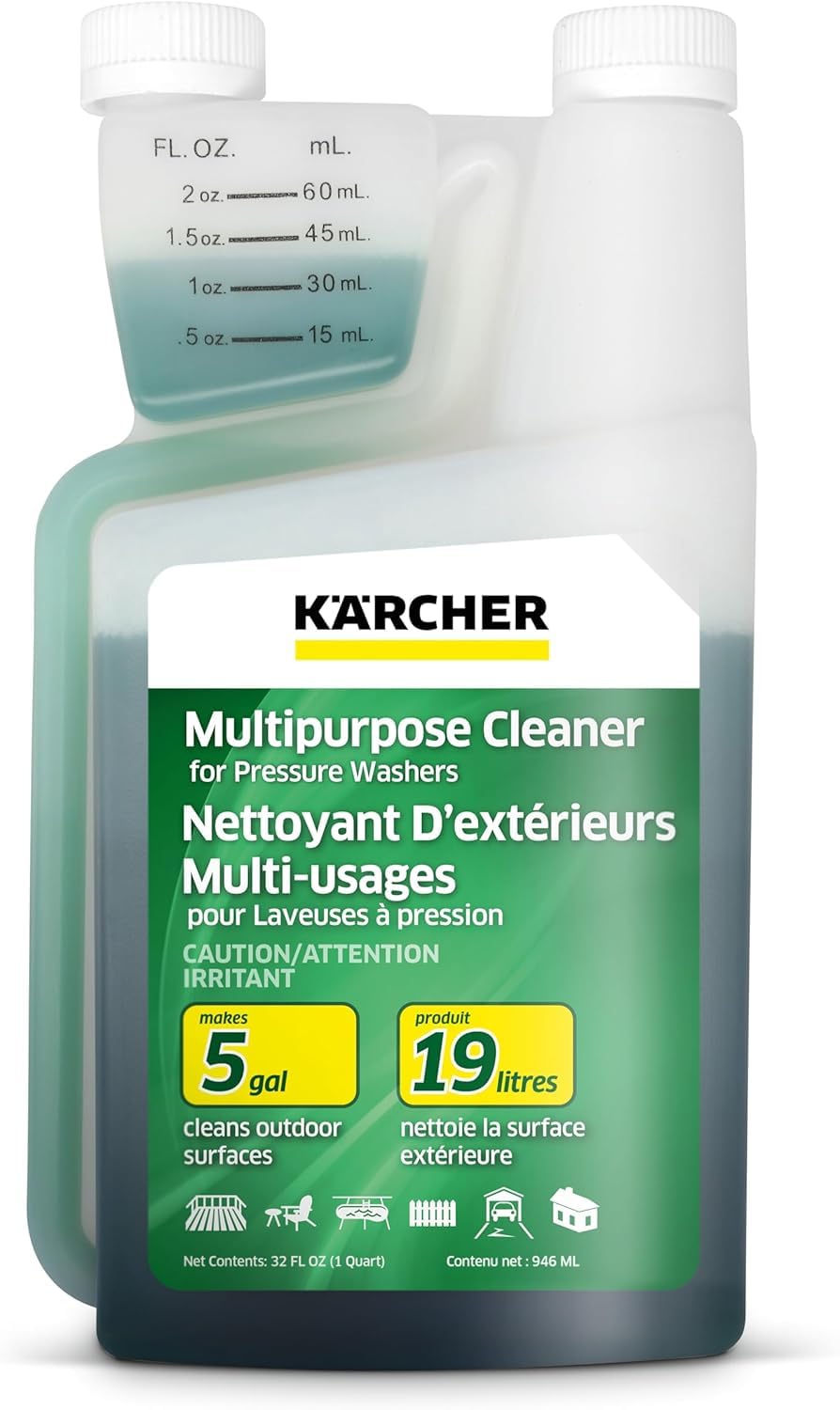
The push for sustainability is a significant driver of innovation. Expect to see a greater proliferation of ultra-concentrated, low-VOC (Volatile Organic Compound) detergents that reduce packaging waste and transportation emissions. Plant-derived surfactants, bio-based solvents, and readily biodegradable chelating agents will become the norm. Furthermore, developments in water reclamation systems for pressure washing will integrate seamlessly with these eco-friendly detergents, minimizing water consumption and preventing harmful runoff, making the entire process more environmentally sound from start to finish. These innovations aim to provide superior cleaning power while drastically reducing ecological footprints.
aViewFromTheCave is a participant in the Amazon Services LLC Associates Program, an affiliate advertising program designed to provide a means for sites to earn advertising fees by advertising and linking to Amazon.com. Amazon, the Amazon logo, AmazonSupply, and the AmazonSupply logo are trademarks of Amazon.com, Inc. or its affiliates. As an Amazon Associate we earn affiliate commissions from qualifying purchases.