
The precise selection of framing nails represents a critical aspect of structural engineering and construction technology, extending far beyond a simple material choice. It is a decision rooted in applied physics, material science, and the rigorous demands of load-bearing assemblies. In an era where computational design and advanced material analysis drive innovation, understanding the technical nuances of fastener sizing is paramount for ensuring structural integrity, optimizing performance, and achieving long-term durability in built environments. This guide delves into the technical considerations, engineering principles, and technological advancements that dictate appropriate nail sizing for various structural applications.
The Engineering Principles Behind Nail Selection
The seemingly simple act of choosing a nail size is, in fact, an exercise in applied engineering. Each dimension—length, gauge, and shank type—directly correlates with specific mechanical properties essential for the fastener’s performance within a structural matrix.
Load Bearing and Shear Strength
Framing nails primarily resist forces in two ways: shear and withdrawal. Shear strength, the nail’s ability to resist forces parallel to its shank, is directly proportional to its diameter (gauge) and the material strength of the steel. When two components are joined, and a load attempts to slide them past each other, the nails embedded within them bear this shear stress. Insufficient shear strength can lead to fastener deformation or catastrophic failure under design loads. Engineering standards often dictate minimum nail diameters based on anticipated shear loads for specific structural connections, considering factors like wind load, seismic activity, and dead/live loads. Advanced finite element analysis (FEA) software can model stress distribution across nail groups, optimizing placement and size for maximum shear resistance in complex assemblies.
Material Compatibility and Adhesion
The interaction between the nail’s material and the structural components it joins (e.g., various wood species, engineered wood products) is crucial for effective adhesion and long-term performance. Different wood densities and fiber structures offer varying levels of nail-holding power. Harder woods typically require nails with higher tensile strength to prevent bending during installation and offer greater withdrawal resistance. Softer woods might benefit from larger diameter nails to maximize surface contact and prevent pull-through. Furthermore, chemical compatibility is a consideration, particularly with treated lumber, where certain nail coatings (e.g., hot-dipped galvanized, stainless steel) are essential to prevent corrosion that could compromise the fastener’s integrity and lead to premature structural degradation. This cross-material interaction is often a point of detailed specification in digital design models.
Penetration Depth and Withdrawal Resistance
Nail length is the primary determinant of penetration depth, which directly influences withdrawal resistance—the force required to pull a nail out of the material. For optimal performance, a general engineering guideline suggests that the nail should penetrate the second (farther) member by at least two-thirds of its length, or often, the full thickness of the first member plus an adequate embedment into the second. This ensures sufficient frictional contact along the shank to resist forces perpendicular to the joint. Insufficient penetration leads to compromised withdrawal resistance, increasing the risk of joint separation under dynamic loads or material shrinkage/expansion. Computational fluid dynamics (CFD) and structural analysis tools are increasingly used to simulate the stresses on nail connections under various environmental conditions, validating required penetration depths against expected structural behavior.
Standardized Dimensions and Digital Specification
The construction technology landscape relies heavily on standardized dimensions for fasteners to ensure compatibility, predictability, and safety. These standards are increasingly integrated into digital design and fabrication workflows.
Gauge and Shank Diameter Considerations
Nail gauge refers to the thickness of the nail’s shank. In the United States, common framing nails range from 10-gauge (approximately 0.138 inches) to 8-gauge (approximately 0.162 inches), with variations for specific applications. A higher gauge number denotes a thinner nail. The choice of gauge is a critical balance: a thicker shank offers greater shear strength but requires more force to drive and can increase the risk of splitting denser wood members. Conversely, a thinner shank reduces splitting risk but sacrifices shear strength. Digital modeling software, particularly Building Information Modeling (BIM) platforms, allows architects and engineers to specify exact nail gauges, automatically generating material lists and ensuring that chosen fasteners meet the project’s structural requirements and local building codes. These platforms can also flag potential issues, such as incompatible nail sizes for specified timber types.
Length-to-Thickness Ratios in Structural Design
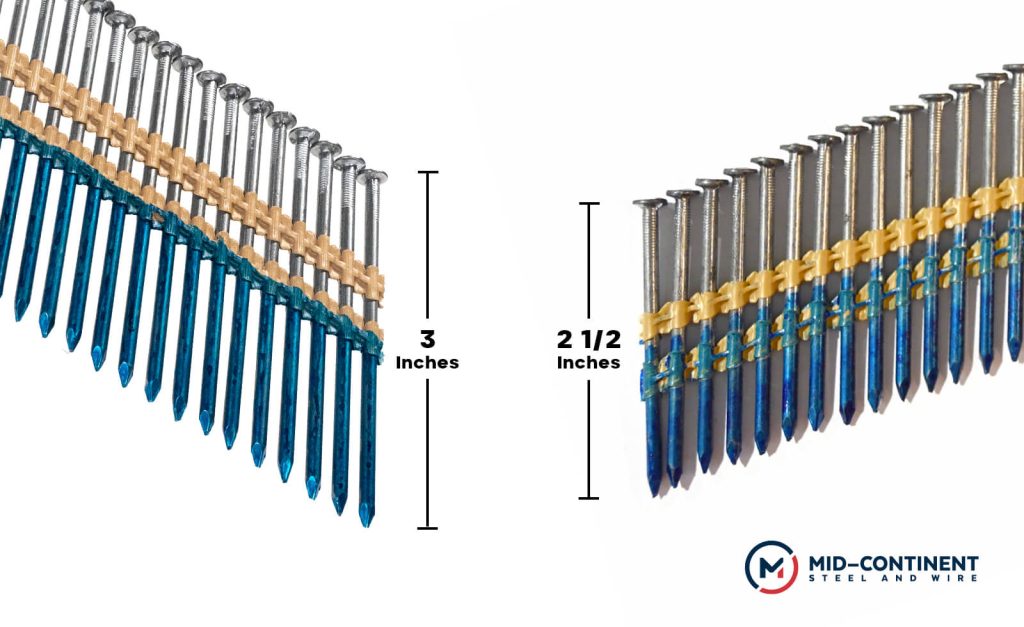
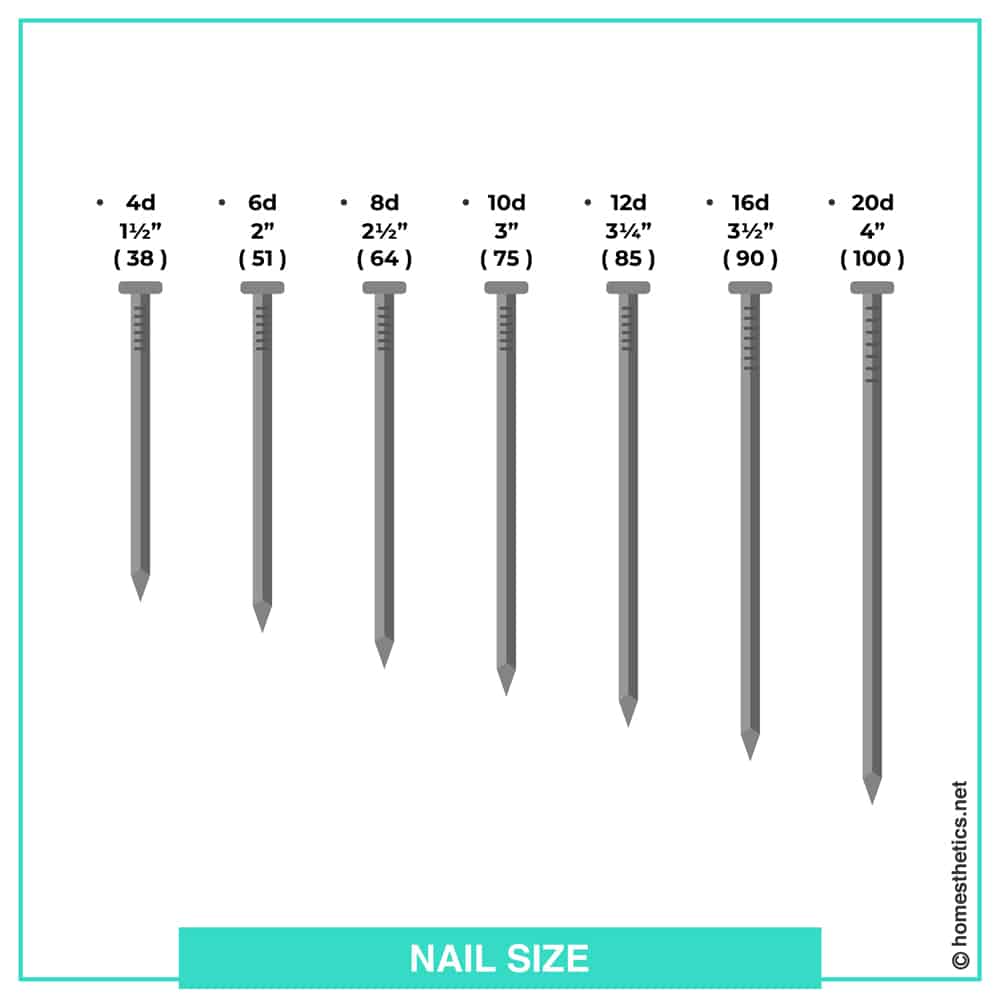
The overall length of a framing nail is dictated by the combined thickness of the materials being joined and the minimum required penetration into the receiving member. For typical timber framing, nails often range from 2.5 inches (6d common) to 3.5 inches (16d common), with larger sizes for heavy timber construction. The “d” designation, historically referring to “penny,” indicates nail length and diameter. Modern structural design principles often specify nail patterns and sizes based on critical length-to-thickness ratios to optimize load transfer and prevent localized stress concentrations. For instance, connecting two 2×4 (1.5-inch actual thickness) members together would typically require a 3.5-inch nail (16d) to achieve sufficient penetration into the second member, ensuring a robust connection. Digital design tools assist in calculating these ratios and proposing optimal fastener schedules, reducing human error and enhancing design precision.
Leveraging CAD/BIM for Fastener Specification
Modern construction technology has transformed fastener specification. Computer-Aided Design (CAD) and Building Information Modeling (BIM) software are now indispensable tools for detailing structural connections. Within these platforms, engineers can precisely model each framing member and define the type, size, and pattern of fasteners. This digital specification ensures that every nail selected is appropriate for the intended load, material, and code compliance. BIM models can also generate detailed schedules and quantities of fasteners, streamlining procurement and reducing waste. Furthermore, these digital models serve as a central source of truth, enabling better coordination among design teams, fabricators, and on-site construction crews, minimizing discrepancies and ensuring the correct application of fastener technology.
Advanced Fastener Technologies and Performance Optimization
The field of fasteners is not static; ongoing research and development continually introduce new technologies aimed at enhancing performance, durability, and efficiency.
Coated and Specialty Nails for Enhanced Durability
Beyond basic steel, advanced coatings significantly extend the lifespan and performance of framing nails, particularly in challenging environments. Hot-dipped galvanized (HDG) nails offer superior corrosion resistance, essential for exterior applications or use with pressure-treated lumber that contains corrosive chemicals. Stainless steel nails provide the highest level of corrosion resistance and are mandated for marine environments or specific architectural applications where longevity is paramount. Other specialty coatings, such as polymer-based options, can improve withdrawal resistance and provide color-coding for identification. These specialized fasteners, while potentially higher in initial cost, represent a technological investment that mitigates long-term maintenance, ensures structural integrity, and reduces lifecycle costs.
Pneumatic Nailing Systems and Efficiency Metrics
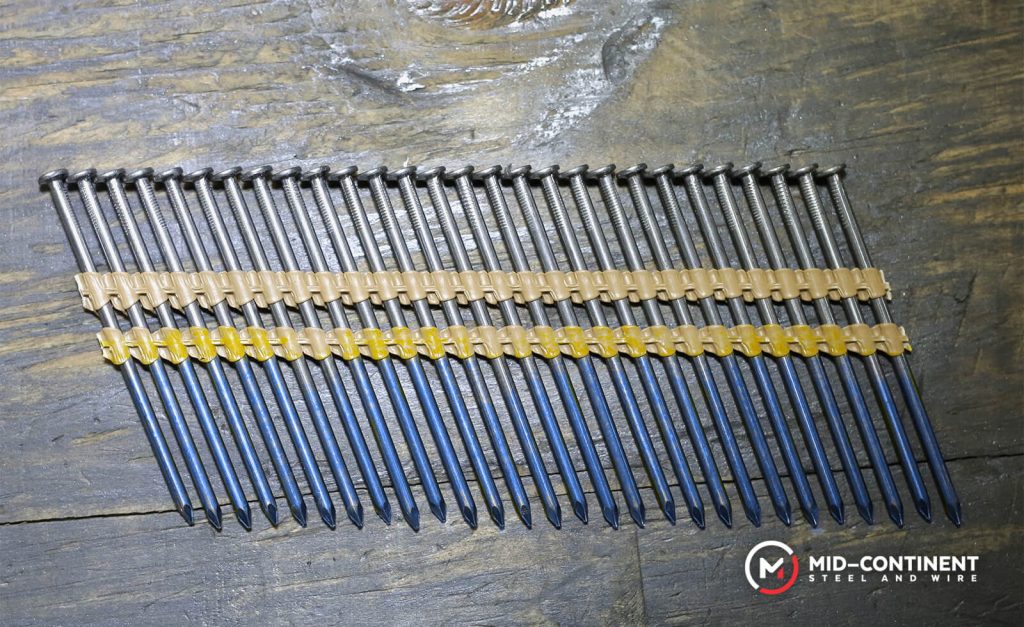
The advent of pneumatic and cordless nailing systems has revolutionized framing efficiency. These tools demand precision in nail specification, as they are designed to operate with collated nails of specific lengths, gauges, and head types (e.g., full round head, clipped head, D-head). The technology of the nail gun itself, including adjustable depth settings and sequential firing mechanisms, directly impacts installation quality and consistency. Metrics such as nails-per-minute, fastener placement accuracy, and reduction in labor time are crucial performance indicators for these systems. Integration of smart tool technology allows for tracking usage, maintenance schedules, and even geo-location of tools on large construction sites, optimizing resource management within a broader digital ecosystem.
Smart Fastener Monitoring and Predictive Maintenance
Emerging technologies in structural health monitoring are beginning to incorporate “smart” fasteners. These could include nails embedded with micro-sensors capable of detecting changes in strain, temperature, or moisture levels within a structural joint. Data gathered from such fasteners could be wirelessly transmitted to a central monitoring system, providing real-time insights into the health of a structure. This allows for predictive maintenance, identifying potential points of failure before they become critical, and enabling proactive interventions. While still largely in research and development phases for framing nails, this represents the frontier of fastener technology, promising unparalleled levels of structural safety and asset longevity through data-driven insights.
Best Practices for Robust Structural Assembly
Implementing best practices for fastener selection and application is critical for translating design specifications into a resilient physical structure.
Adhering to Digital Blueprints and Structural Schematics
The foundational best practice is strict adherence to the specifications detailed in digital blueprints and structural schematics. These documents, generated through advanced CAD/BIM software, meticulously outline the required nail sizes, types, and fastening patterns for every structural connection. Any deviation without engineering approval can compromise the integrity of the structure. Modern construction sites often utilize tablets and augmented reality (AR) applications to overlay digital plans onto physical structures, ensuring precise alignment and verification of fastener placement and type against the approved technical design. This digital fidelity is paramount for quality control.
Environmental Factors and Material Degradation
Environmental conditions significantly influence fastener performance and longevity. High humidity, exposure to corrosive agents, extreme temperature fluctuations, and UV radiation can all contribute to material degradation, impacting both the structural members and the fasteners themselves. Selecting nails with appropriate coatings or materials (e.g., stainless steel for coastal areas) is a proactive measure. Engineers and designers leverage environmental data and climate models to specify fasteners that will withstand predicted long-term exposure, ensuring the designed lifespan of the structure is achieved without premature material failure.
Quality Control and Inspection Protocols
Rigorous quality control (QC) and inspection protocols are indispensable for verifying that framing nails have been installed correctly and meet specified standards. This includes visual inspection for proper penetration, absence of bent or “shiner” nails (missed studs), and adherence to specified nailing patterns. Advanced inspection technologies, such as ultrasonic testing or infrared imaging, can detect hidden defects or compromised fasteners, offering a non-destructive means of assessing joint integrity. Integrating QC data into BIM models allows for a comprehensive digital record of construction quality, ensuring accountability and providing valuable data for future maintenance or structural analysis. This systematic approach ensures that the technical specifications for nail sizing are met in practice, culminating in a robust and safe structural assembly.
aViewFromTheCave is a participant in the Amazon Services LLC Associates Program, an affiliate advertising program designed to provide a means for sites to earn advertising fees by advertising and linking to Amazon.com. Amazon, the Amazon logo, AmazonSupply, and the AmazonSupply logo are trademarks of Amazon.com, Inc. or its affiliates. As an Amazon Associate we earn affiliate commissions from qualifying purchases.