
Furnishing a living space, particularly one anchored by a sectional sofa, is more than an aesthetic pursuit; it is a significant financial investment in your home. Every decision, from the choice of fabric to the placement of accessories, carries economic implications, none more so than the often-overlooked decision of coffee table sizing. Selecting the appropriate size for your coffee table, in relation to your sectional, can dramatically influence not just the room’s functionality and visual appeal, but also its present and future financial value, saving you from costly mistakes and enhancing your property’s overall equity.
The Tangible Costs of Suboptimal Sizing Decisions
The allure of a visually appealing coffee table can sometimes overshadow the practical and financial considerations of its dimensions. However, a poorly sized coffee table can quickly turn a seemingly minor purchase into a drain on your finances, impacting everything from immediate expenses to long-term property valuation.
Avoiding the Return-and-Replace Cycle’s Hidden Fees
The most immediate financial pitfall of incorrect sizing is the expense associated with returns and replacements. Many online furniture retailers charge hefty return shipping fees, which can sometimes equate to a significant percentage of the item’s original cost, especially for large, heavy pieces like coffee tables. Furthermore, some companies impose restocking fees, further eroding your initial investment. The time spent arranging returns, packaging the item, and coordinating pickups also represents a substantial opportunity cost. This cycle of buying, returning, and then purchasing a replacement doubles, or even triples, the logistical and financial strain. By investing time upfront in accurate measurements and understanding optimal sizing guidelines, you mitigate these preventable financial leakages. This proactive approach ensures that your initial purchase is the correct one, conserving both capital and valuable time.
Diminished Property Value and Staging Liabilities
For homeowners considering future resale or those utilizing their property for rental income, the aesthetic and functional harmony of interior design directly impacts perceived value. An ill-sized coffee table can visually disrupt a living space, creating an impression of clutter or disproportion. A table that is too large can overwhelm a room, making it feel cramped and less inviting, thereby potentially reducing its perceived square footage and overall appeal to prospective buyers or renters. Conversely, a table that is too small can appear insignificant, failing to anchor the seating area and making the room feel unfinished or unbalanced. These visual cues, while seemingly minor, can subtly but significantly detract from a property’s marketability and appraisal value. Professional home stagers consistently emphasize the importance of appropriately scaled furniture to maximize a home’s visual appeal and, consequently, its financial return. An optimal coffee table size contributes to a cohesive, inviting environment that resonates positively with potential financial stakeholders.
Unforeseen Damage and Maintenance Expenses
Beyond the initial purchase and potential return costs, an improperly sized coffee table introduces ongoing financial risks through potential damage and increased maintenance. A coffee table that is too large for the space can impede natural traffic flow, leading to frequent bumping, scuffing of walls, or accidental damage to other furniture pieces. Such incidents necessitate costly repairs or premature replacements, increasing your overall home maintenance budget. Furthermore, a table that is too close to a sectional might make it difficult to clean around, leading to accelerated wear and tear on both the table and the sofa fabric. Conversely, a table that is too small or awkwardly positioned might be prone to tipping, risking damage to items placed upon it (e.g., electronics, beverages) or even causing injury, leading to liability concerns or further replacement costs. Strategic sizing, therefore, is not merely about aesthetics but about protecting your existing assets and minimizing future financial outlays related to repairs and replacements.
Strategic Sizing as an Investment in Utility and Longevity
Making an informed decision about coffee table size is an investment in both the immediate utility of your living space and the long-term durability and financial value of your furnishings. Adhering to established design principles, viewed through a financial lens, ensures every dollar spent contributes effectively to your home’s asset portfolio.
The “2/3 Rule”: Optimizing Space ROI
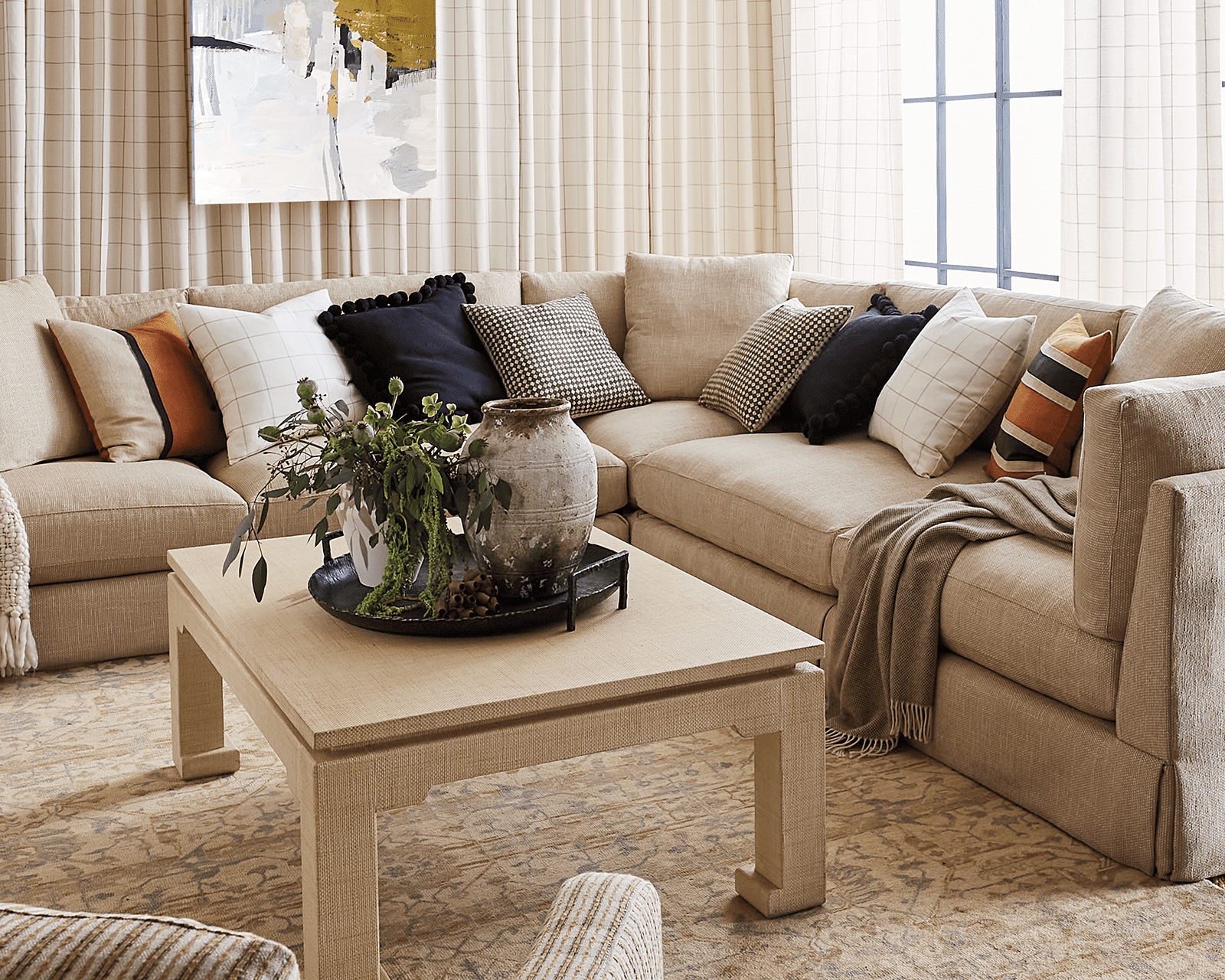
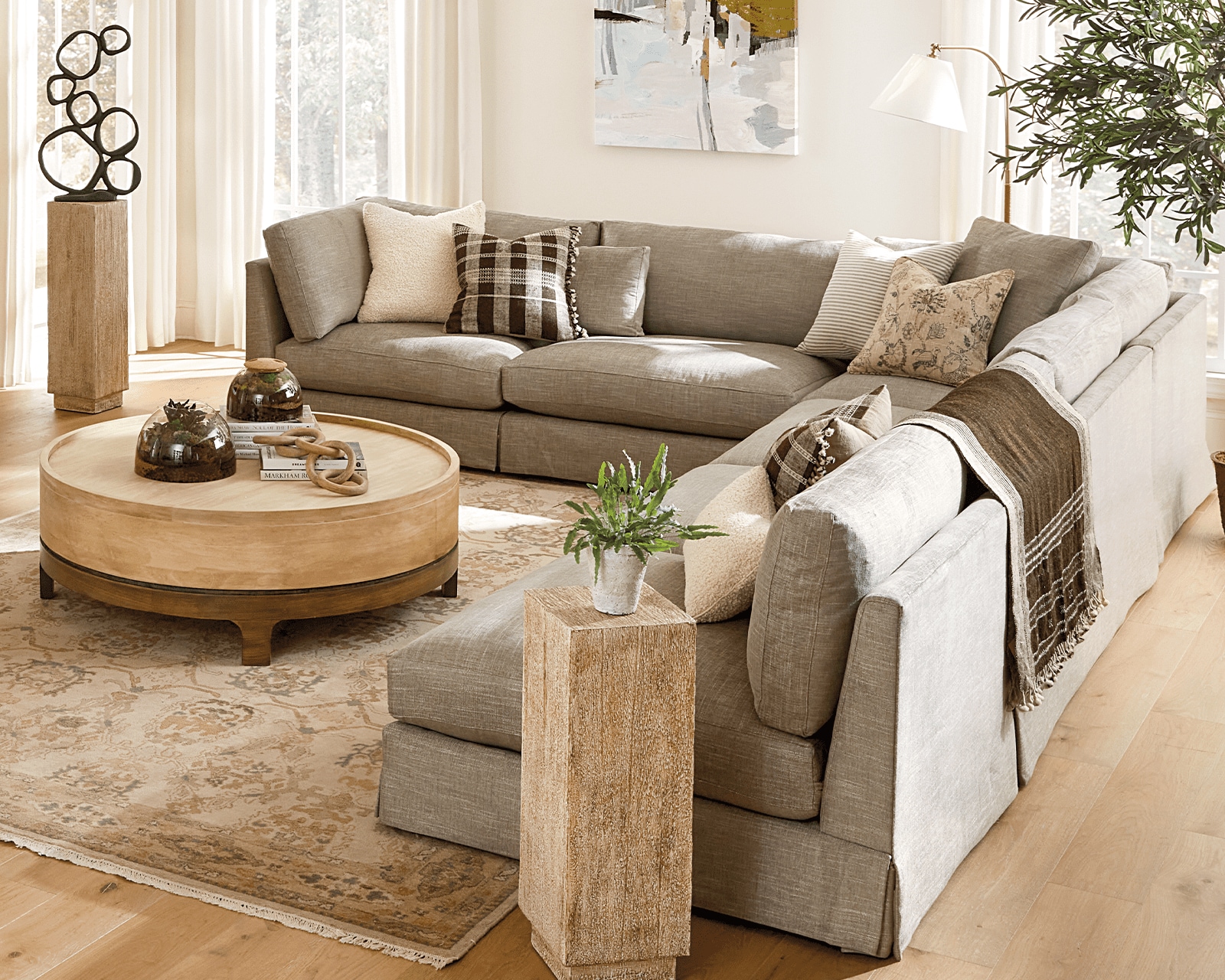
A widely recognized guideline in interior design is the “2/3 rule,” which dictates that a coffee table should be approximately two-thirds the length of the longest side of the sectional. From a financial perspective, this rule is about maximizing Return on Investment (ROI) for your living space. A coffee table sized according to this principle maximizes functional surface area for drinks, books, or decor without overwhelming the room or hindering movement. This optimal proportion ensures that every dollar spent on the table contributes effectively to the room’s utility and aesthetic appeal. An undersized table fails to provide adequate function for the seating it serves, potentially necessitating additional, unplanned purchases like side tables, thus increasing overall furnishing costs. An oversized table, on the other hand, wastes valuable floor space, reducing the perceived spaciousness and potential financial value of the room. Adhering to the 2/3 rule ensures efficient allocation of both financial resources and physical space.
Clearance and Flow: Protecting Your Asset and Enhancing Occupant Value
Maintaining adequate clearance around your coffee table is paramount for both safety and the preservation of your furniture assets. A general recommendation is to allow 18 inches of space between the coffee table and the sectional. This spacing is not arbitrary; it’s a critical dimension for ease of movement, preventing accidental bumps, scrapes, and damage to both the coffee table and the sectional. From a financial standpoint, this clearance reduces the risk of premature wear and tear, extending the lifespan of your furniture and delaying costly replacements. It also contributes to an ergonomically comfortable environment, enhancing the occupant’s experience—a crucial factor for homeowner satisfaction and for attracting quality tenants if the property is rented. Protecting your assets through thoughtful spacing safeguards your initial financial outlay and maintains the overall value of your interior furnishings.
Height Harmony: A Vertical Investment

The height of your coffee table, relative to the sectional’s seat height, is another subtle but significant financial consideration. Ideally, a coffee table should be 1-2 inches lower than the sectional’s seat height. This seemingly minor detail ensures ergonomic comfort, making it easy to reach for items without strain, and contributes significantly to the visual balance and harmony of the seating area. A table that is too high can feel awkward and dominant, disrupting the room’s flow and making it less inviting. One that is too low might be inconvenient to use, leading to slouching or discomfort. A properly proportioned height enhances the perceived quality and luxury of the living space, contributing to higher appeal and potential valuation. This thoughtful vertical investment improves both the functional enjoyment and the aesthetic integrity of your room, reflecting positively on your property’s overall financial health.
Budgeting and Financing Your Sectional Coffee Table Investment
A coffee table, especially one intended to serve a large sectional, represents a notable expense within your home furnishing budget. Approaching this purchase with a strategic financial mindset, encompassing more than just the immediate price tag, is crucial for fiscal responsibility.
Beyond the Sticker Price: Comprehensive Cost Analysis
The sticker price of a coffee table is often just the initial entry point of its true cost. A comprehensive financial analysis must factor in delivery fees, which can be substantial for large or heavy pieces. Assembly costs, if the item does not come fully assembled, also add to the total. If custom dimensions are required for a perfect fit, be prepared for potential upcharges. Furthermore, consider the long-term maintenance costs associated with different materials; a glass table might require more frequent cleaning, while certain wood types might need specialized care. A larger coffee table, while providing more surface area, might also entail higher costs for shipping, handling, and even cleaning products over its lifetime. By accounting for these ancillary expenses, you gain a more accurate picture of the total financial commitment and can budget accordingly, preventing unexpected financial strain.
Quality vs. Quantity: Making a Financially Prudent Choice
When it comes to furniture, the adage “buy cheap, buy twice” often holds true. Investing in a properly sized, high-quality coffee table, even if it carries a higher upfront cost, can be a more financially prudent decision in the long run. A well-constructed table made from durable materials will withstand years of daily use, reducing the need for costly replacements. A cheaper, ill-fitting table, prone to damage or quick wear, will likely need to be replaced sooner, accumulating higher overall costs over the same period. Quality also translates to aesthetics; a superior piece maintains its visual appeal longer, contributing to the enduring financial value of your home. Emphasize durability, craftsmanship, and materials that offer longevity, understanding that this is an investment in your home’s infrastructure, not a fleeting expense.
Smart Financing for Home Furnishings
How you finance your coffee table purchase can significantly impact its overall cost. Paying with cash avoids interest charges altogether, making it the most financially efficient option. If using credit cards, be mindful of interest rates and repayment schedules; carrying a balance can quickly inflate the purchase price. Many furniture retailers offer promotional financing options, such as 0% APR for a specific period. While these can be attractive, it’s crucial to understand the terms, particularly deferred interest clauses that can charge all accrued interest if the balance isn’t paid in full by the deadline. Utilizing financial tools, such as budgeting apps or spreadsheets, can help track your spending, compare financing options, and ensure the coffee table purchase aligns with your broader personal finance goals. A well-researched, appropriately sized purchase minimizes buyer’s remorse and reduces the temptation to resort to impulsive, high-interest credit solutions.
Maximizing Resale Value and Mitigating Financial Risk
The prudent selection of a coffee table’s size extends its financial impact beyond immediate costs and into the realm of long-term asset value and risk management, particularly relevant for homeowners considering future property transactions.
Universal Appeal for Future Markets
When furnishing a home, especially a primary residence, considering the future resale market is a wise financial strategy. While personal taste is important, selecting a coffee table size that is generally appropriate for common sectional dimensions enhances its universal appeal. An overly niche, custom-built, or disproportionately sized table might perfectly suit your current sectional but could prove difficult to integrate into another buyer’s space or with a different furniture arrangement. This can make the coffee table itself harder to sell independently or even detract from the overall appeal of the living room during a home showing. Opting for a size that aligns with standard design principles makes the coffee table a more attractive and sellable asset if you decide to upgrade, move, or simply refresh your decor. This foresight helps maintain the liquidity and value of your home furnishings.
Durability and Material Choice as an Asset
The financial longevity of your coffee table is intrinsically linked to its material and construction, aspects that are often chosen in conjunction with size and design. A well-proportioned table crafted from durable materials like solid wood, metal, or high-quality stone not only withstands daily use better but also retains its aesthetic and structural integrity over time. This durability translates directly into asset value. Furniture made from robust materials is less likely to show wear and tear, maintaining a higher perceived value both for personal enjoyment and for potential resale. Conversely, a flimsier, less durable table, regardless of its size, will depreciate faster, representing a poorer long-term financial investment. Therefore, choosing the right size in combination with quality materials effectively future-proofs your investment against premature depreciation.
Insurance Implications and Asset Protection
While often overlooked, the financial value of your home’s contents, including a thoughtfully chosen coffee table, is relevant for insurance purposes. In the unfortunate event of damage, theft, or natural disaster, having a clear understanding of your furniture’s replacement value is crucial for making a comprehensive claim. Investing in a properly sized, quality coffee table adds to the overall value of your household assets. Documenting your purchases, including dimensions, materials, and cost, reinforces your financial claims to insurance providers, protecting your investment. Furthermore, by choosing an appropriately sized table that reduces the risk of accidental damage (as discussed in “Unforeseen Damage”), you are implicitly mitigating potential insurance claims or out-of-pocket expenses for repairs, thereby safeguarding your personal finance equilibrium.
aViewFromTheCave is a participant in the Amazon Services LLC Associates Program, an affiliate advertising program designed to provide a means for sites to earn advertising fees by advertising and linking to Amazon.com. Amazon, the Amazon logo, AmazonSupply, and the AmazonSupply logo are trademarks of Amazon.com, Inc. or its affiliates. As an Amazon Associate we earn affiliate commissions from qualifying purchases.