
For many, deer hunting in Ohio is a time-honored tradition, a pursuit of sustenance, and an outdoor passion. However, understanding the specific regulations governing legal rifles can have significant financial implications for both novice and seasoned hunters. Beyond the initial purchase price, the choice of an Ohio-compliant rifle intertwines with ongoing ammunition costs, accessory investments, potential for financial penalties, and even the economics of food sourcing. This comprehensive exploration delves into the monetary dimensions of selecting and utilizing legal deer hunting rifles in the Buckeye State, framing hunting not just as a pastime, but as an activity with a distinct financial footprint.

The Investment in Ohio-Compliant Deer Rifles
Navigating Ohio’s specific regulations for deer hunting rifles, which predominantly favor straight-walled cartridges and shotguns with slugs, means hunters are often selecting from a defined set of firearms. Each choice comes with its own financial considerations, from the upfront capital outlay to the recurring costs of ownership and maintenance.
Initial Outlay: Rifles and Accessories
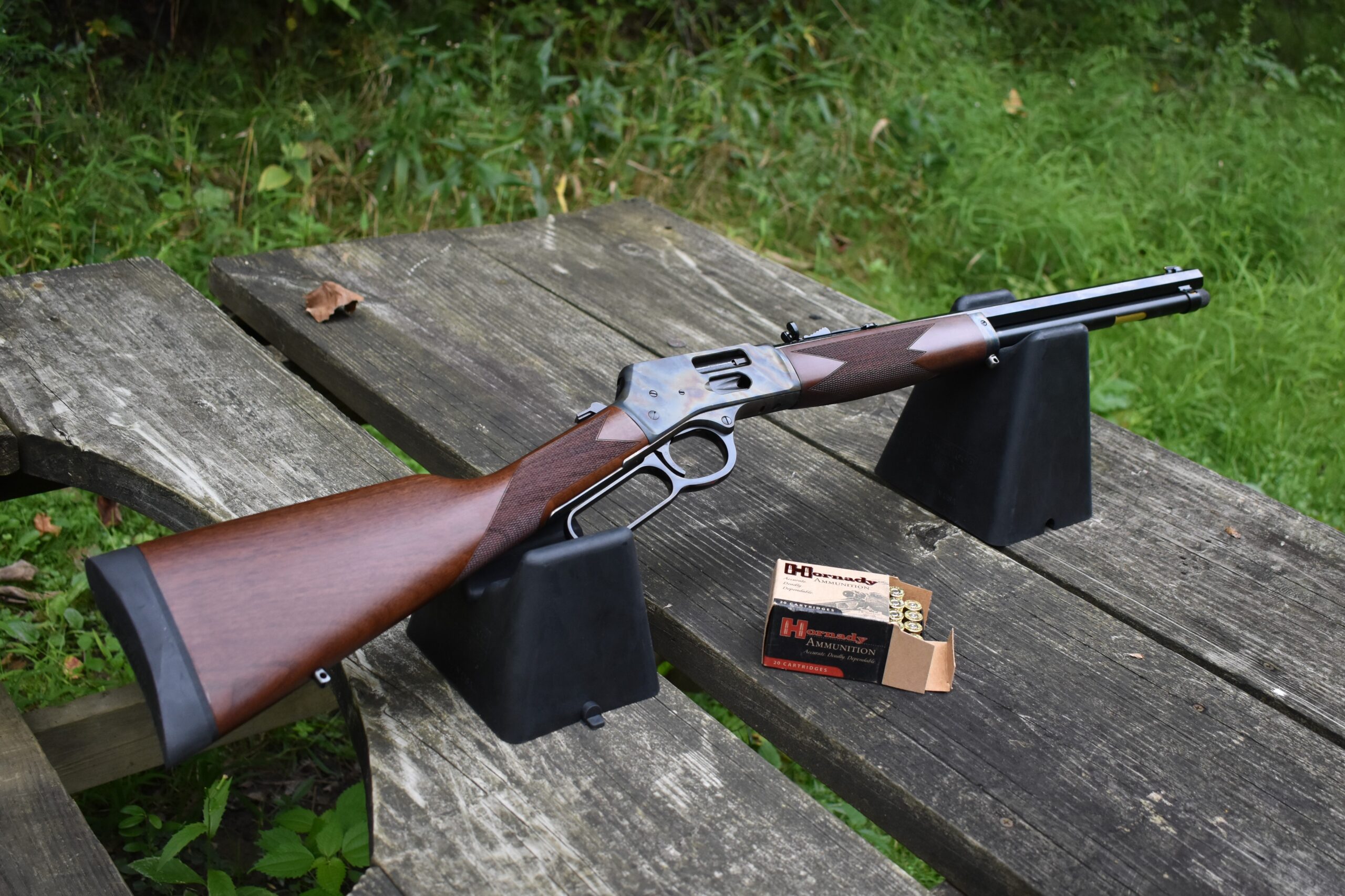
The core of any hunting endeavor is the firearm itself. For deer hunting in Ohio, popular legal options include rifles chambered in straight-walled cartridges such as the .350 Legend, .450 Bushmaster, .44 Magnum, .357 Magnum, .45-70 Government, and .444 Marlin, alongside shotguns equipped for slug ammunition. The price point for these firearms can vary dramatically. Entry-level models from reputable manufacturers might start around $400-$600, while more premium or specialized rifles can easily exceed $1,000, not including optics.
Optics represent another significant investment. A reliable scope is crucial for accuracy and ethical hunting, and its cost can often rival or even surpass that of the rifle itself. Quality deer hunting scopes typically range from $200 for basic models to over $1,000 for high-performance, feature-rich options. Mounts and rings, essential for securing the scope, add another $50-$200. Beyond the rifle and scope, essential accessories include a sturdy case for transport and protection ($50-$200), a sling for carrying in the field ($20-$100), and cleaning kits ($30-$100) to ensure the firearm’s longevity and performance.
When evaluating the initial investment, a pragmatic hunter considers not just the immediate cost but the total cost of ownership. A rifle that costs less upfront but requires frequent repairs or lacks durability might prove more expensive in the long run. Conversely, investing in a quality firearm from a reputable brand, even if it has a higher initial price tag, often translates to greater reliability, better performance, and a higher resale value down the line. This long-term financial perspective is crucial for making a sound economic decision when acquiring a hunting rifle.
Ammunition Costs and Long-Term Savings
The financial impact of a chosen caliber extends far beyond the initial purchase of the rifle. Ammunition costs are a recurring expense that can significantly influence a hunter’s annual budget. Calibers like the .350 Legend and .450 Bushmaster, specifically designed to meet straight-walled cartridge regulations, have become increasingly popular. However, their specific niche can sometimes translate to higher per-round costs compared to more ubiquitous, globally produced cartridges.
For instance, a box of 20 rounds for a .350 Legend or .450 Bushmaster might cost anywhere from $25 to $50 or more, depending on the manufacturer and bullet type (e.g., hunting-specific vs. target practice). If a hunter practices regularly, expending several boxes a year for range time and sighting in, these costs accumulate rapidly. Comparatively, shotgun slugs can range from $10 to $25 per box of 5 rounds, making practice potentially more expensive per shot if not careful.
Strategic purchasing, such as buying in bulk during sales or exploring reloading options (which represents its own initial investment in equipment, usually $300-$1000, but offers significant per-round savings over time), can mitigate these expenses. Hunters should research the availability and average price of ammunition for their desired caliber before committing to a rifle purchase. Opting for a caliber that offers a good balance of performance, legality, and ammunition affordability is a smart financial move. Over the lifespan of a firearm, ammunition costs can easily exceed the original purchase price of the rifle, making this a critical factor in budget management for the dedicated hunter.
Budgeting for the Hunt: Beyond the Rifle
The financial commitment to deer hunting extends far beyond the rifle itself. A holistic understanding of all associated costs is essential for sound financial planning, transforming an enjoyable pastime into a well-managed investment in recreation and potential sustenance.
Licensing, Tags, and Permits
The most fundamental recurring cost for any hunter is the annual acquisition of licenses and permits. In Ohio, a general hunting license is required for all hunters. This is a non-negotiable expense, typically ranging from $19 for resident annual licenses to over $150 for non-residents. Beyond the general license, a deer permit or “tag” is also mandatory for each deer harvested. These permits, costing around $26 for residents for an either-sex tag, represent a direct per-animal cost. Hunters wishing to harvest multiple deer (within legal limits) will need to purchase additional tags, further increasing their financial outlay.
These costs are often overlooked in the excitement of rifle selection, yet they are crucial for legal participation. Failing to possess the correct licenses and tags not only risks substantial fines and legal penalties but also undermines the ethical principles of responsible hunting. Smart financial planning includes setting aside funds specifically for these annual regulatory requirements, ensuring compliance and peace of mind.
Gear, Training, and Hidden Expenses
Beyond the primary equipment and permits, a myriad of other expenses contribute to the total cost of deer hunting. Appropriate clothing, including camouflage, durable boots, and layered insulation, can range from $200 to $1,000 or more, depending on brand and technological features. Safety equipment, such as a quality harness for treestand hunting ($100-$300), is an absolute necessity. Field dressing tools, such as knives, saws, and gloves, add another $50-$200.

Transportation costs, whether for fuel to reach hunting grounds or potentially renting an ATV, can accumulate quickly. If a hunter opts for guided hunts or leases private land, these expenses can soar into the thousands annually. Furthermore, ongoing training, such as hunter education courses (often mandatory for new hunters, usually under $20) or advanced shooting clinics ($100-$500 per session), represents an investment in skill and safety that can directly impact hunting success and ethical practices.
Other “hidden” expenses can include deer processing costs (if not butchered at home, $50-$150 per deer), taxidermy (if desiring a trophy mount, $600-$1,000+), and membership fees for shooting ranges or hunting clubs ($50-$500 annually). A comprehensive budget for deer hunting must account for these varied and often underestimated costs to avoid financial surprises and ensure a well-equipped, safe, and enjoyable experience.
Maximizing Value: Smart Choices for the Financially Savvy Hunter
For the financially astute hunter, the selection of a legal deer rifle in Ohio is not merely about compliance but about strategic decision-making that optimizes value, manages risk, and ensures a return on investment. This involves considering versatility, potential resale, and the significant financial penalties of non-compliance.
Versatility and Resale Value
Choosing a versatile legal rifle can be a shrewd financial move. A rifle chambered in a straight-walled cartridge like the .350 Legend or .450 Bushmaster, while compliant for deer hunting in Ohio, might also be suitable for hunting other game where legal, potentially eliminating the need to purchase multiple firearms. Furthermore, some calibers offer a wider range of bullet types, allowing for adaptability across different hunting scenarios or even for target shooting, thus maximizing the utility of a single firearm.
The resale value of a hunting rifle is another critical financial consideration. Well-maintained firearms from reputable brands, especially those in popular calibers and configurations, tend to retain their value better than obscure or poorly kept models. Brands known for quality and reliability (e.g., Ruger, Winchester, Marlin, Savage, Mossberg for shotguns) often command higher prices on the secondary market. A hunter who invests in such a firearm, cares for it meticulously, and keeps all original documentation can recoup a substantial portion of their initial investment if they decide to upgrade or sell. This foresight transforms a rifle from a depreciating asset into a more stable store of value within a hobby.
The Cost of Non-Compliance: Fines and Penalties
The most significant financial risk associated with deer hunting is the cost of non-compliance with Ohio’s hunting regulations. Using an illegal rifle for deer hunting, such as a bottle-necked cartridge rifle not permitted in specific zones or conditions, can lead to severe financial penalties that dwarf the cost of any legal firearm.
Fines for hunting violations can range from hundreds to thousands of dollars. Beyond monetary fines, hunters caught using illegal equipment or methods can face confiscation of their firearm, vehicle, and other hunting gear. The financial loss from such confiscation alone can be substantial, representing the full replacement cost of expensive equipment. Moreover, hunting privileges can be suspended or revoked, potentially for life, rendering all prior investments in firearms, licenses, and gear useless for their intended purpose. Legal fees to defend against such charges can also quickly escalate into thousands of dollars. The specter of these penalties underscores the absolute financial imperative of understanding and strictly adhering to Ohio’s hunting laws. Any perceived advantage of using an illegal rifle is overwhelmingly outweighed by the devastating financial consequences of being caught.
Hunting as a Financial Strategy: Savings and Side Income Potential
While deer hunting incurs significant costs, it also presents unique opportunities for financial benefit, ranging from direct savings on food expenses to potential avenues for supplemental income. Framing hunting through this economic lens reveals its often-overlooked value beyond recreation.
Sustainable Food Sourcing and Grocery Savings
Perhaps the most direct financial benefit of successful deer hunting is the acquisition of high-quality, lean protein. A single deer can yield 40-70 pounds or more of venison, depending on its size. Given current meat prices at grocery stores, harvesting even one deer can translate into substantial savings on a family’s food budget over several months. For example, if venison is valued at $5-$10 per pound (comparable to grass-fed beef or specialty meats), a 50-pound yield could represent $250-$500 in grocery savings.
This financial benefit is amplified for hunters who are adept at field dressing and processing their own game, avoiding commercial processing fees. Beyond the monetary savings, wild game offers a sustainable, organic, and ethically sourced food option, aligning with broader trends towards healthier and more conscious consumption. From a financial planning perspective, successful hunting can be viewed as a means of diversifying food sources and hedging against fluctuating market prices for protein.
Exploring Related Income Streams
For the entrepreneurial hunter, the skills and equipment acquired for deer hunting can sometimes be parlayed into additional income streams. While direct selling of wild game meat is typically illegal without proper licensing and inspection, several indirect avenues exist:
- Taxidermy: Hunters with artistic talent and a keen understanding of anatomy might pursue taxidermy as a side hustle, offering services to fellow hunters. Initial investment in training and supplies can be high, but profitable margins are possible.
- Hunting Gear Maintenance & Repair: Expertise in cleaning, maintaining, and performing minor repairs on firearms or other hunting equipment can be offered as a specialized service within local hunting communities.
- Ammunition Reloading: As mentioned, reloading offers cost savings. For those who invest in advanced reloading setups and possess the expertise, creating custom loads for specific firearms or purposes (where legal and safe) could attract clients, though strict regulations and liability issues must be thoroughly understood.
- Guiding Services/Outdoor Consulting: Highly experienced and knowledgeable hunters, after obtaining necessary permits and insurance, could offer paid guiding services for beginners or non-residents (where legal and applicable to deer or other game), sharing their expertise on scouting, tracking, and ethical hunting practices.
- Crafting: Utilizing deer by-products like hides, antlers, or bones for crafting items such as leather goods, decorative pieces, or knife handles can generate revenue through artisan markets or online platforms.
Each of these avenues requires careful consideration of local laws, necessary permits, insurance, and the initial investment in tools and training. However, for those with a deep passion for hunting and a mind for business, these related income streams can help offset the significant costs associated with the pursuit, transforming a hobby into a multi-faceted financial engagement.
aViewFromTheCave is a participant in the Amazon Services LLC Associates Program, an affiliate advertising program designed to provide a means for sites to earn advertising fees by advertising and linking to Amazon.com. Amazon, the Amazon logo, AmazonSupply, and the AmazonSupply logo are trademarks of Amazon.com, Inc. or its affiliates. As an Amazon Associate we earn affiliate commissions from qualifying purchases.