
The Core Components of Canine Confections: A Branding Perspective
The burgeoning market for pet-friendly treats has seen a remarkable evolution, with dog ice cream emerging as a premium segment. Far from being a mere novelty, the composition of dog ice cream is a meticulously crafted blend of ingredients, strategically chosen not just for canine palatability and safety, but as fundamental pillars of brand identity, marketing narratives, and consumer trust. Understanding “what is dog ice cream made of” is, therefore, an exercise in deconstructing product development through a branding lens, revealing how ingredient choices forge distinct market positions.
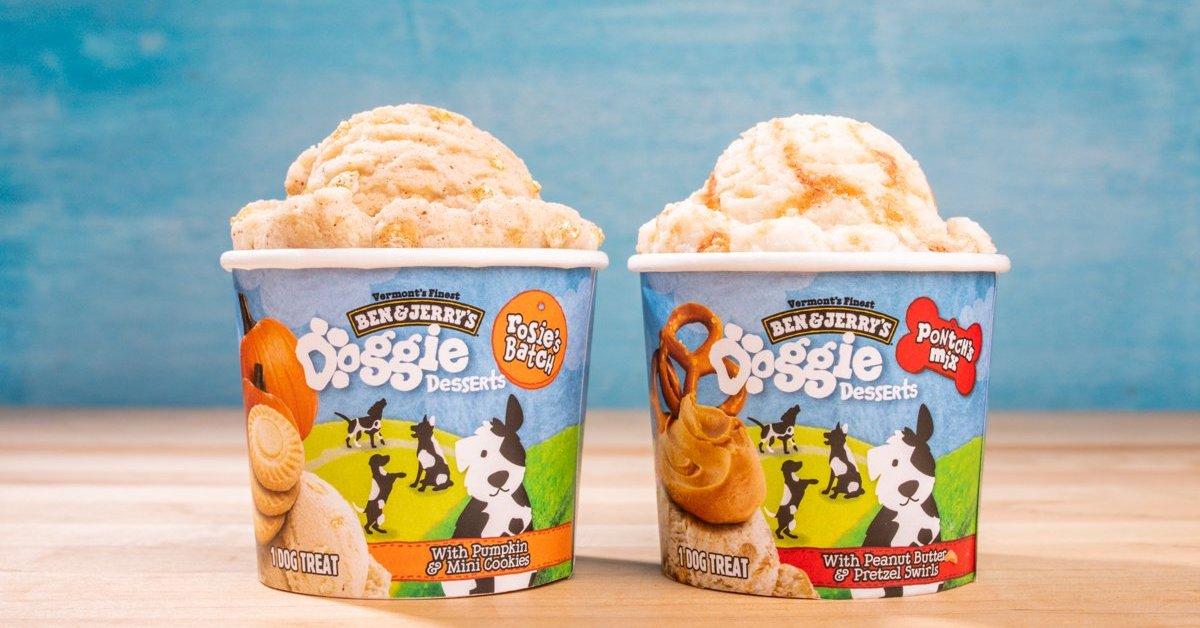
Dairy Bases and Alternatives: Crafting Brand Niches
At its foundation, dog ice cream often mimics its human counterpart, yet with crucial modifications for canine digestive systems. The primary base frequently revolves around dairy, but not without thoughtful consideration. Traditional cow’s milk, high in lactose, can cause digestive upset in many dogs, leading brands to innovate.
- Lactose-Free Dairy: A common strategy is to use lactose-free milk or yogurt, which provides the creamy texture and familiar appeal without the digestive risks. Brands employing this emphasize digestive wellness and safety, positioning their products as a gentle indulgence. This choice communicates a brand’s commitment to canine health and often commands a premium.
- Goat’s Milk: Increasingly popular, goat’s milk offers a naturally lower lactose content and is often easier for dogs to digest than cow’s milk. Brands leveraging goat’s milk often highlight its perceived superior digestibility and nutritional profile, appealing to a niche of pet parents seeking more “natural” or alternative dairy sources. This ingredient choice becomes a strong differentiator, carving out a specialized, health-conscious brand image.
- Plant-Based Alternatives: For brands targeting an even broader health-conscious or allergen-aware demographic, plant-based bases like coconut milk, almond milk, or even oat milk are gaining traction. These options cater to dogs with dairy sensitivities or owners who prefer plant-based diets for their pets. Brands using these alternatives position themselves at the forefront of pet wellness trends, often aligning with vegan or allergy-friendly values, thus appealing to a specific, ethically-minded consumer base. The “free-from” label becomes a powerful branding tool.
Each choice of base ingredient isn’t merely functional; it’s a strategic branding decision that defines the product’s core promise, target audience, and competitive edge within the diverse pet treat landscape.
Sweeteners and Flavorings: Balancing Palatability with Brand Values
Just as critical as the base are the sweeteners and flavorings that make dog ice cream appealing. Brands must navigate the desire for deliciousness with the imperative of canine safety and health.
- Natural Sweeteners: Unlike human ice cream often laden with sugars or artificial sweeteners, dog ice cream brands predominantly rely on natural, dog-safe alternatives. Maple syrup, honey, and molasses are common choices, used in moderation. Brands highlighting these natural sweeteners emphasize “wholesome” and “simple” ingredients, resonating with consumers who scrutinize ingredient lists for artificial additives. The message is one of unadulterated goodness, reinforcing a natural, trustworthy brand image.
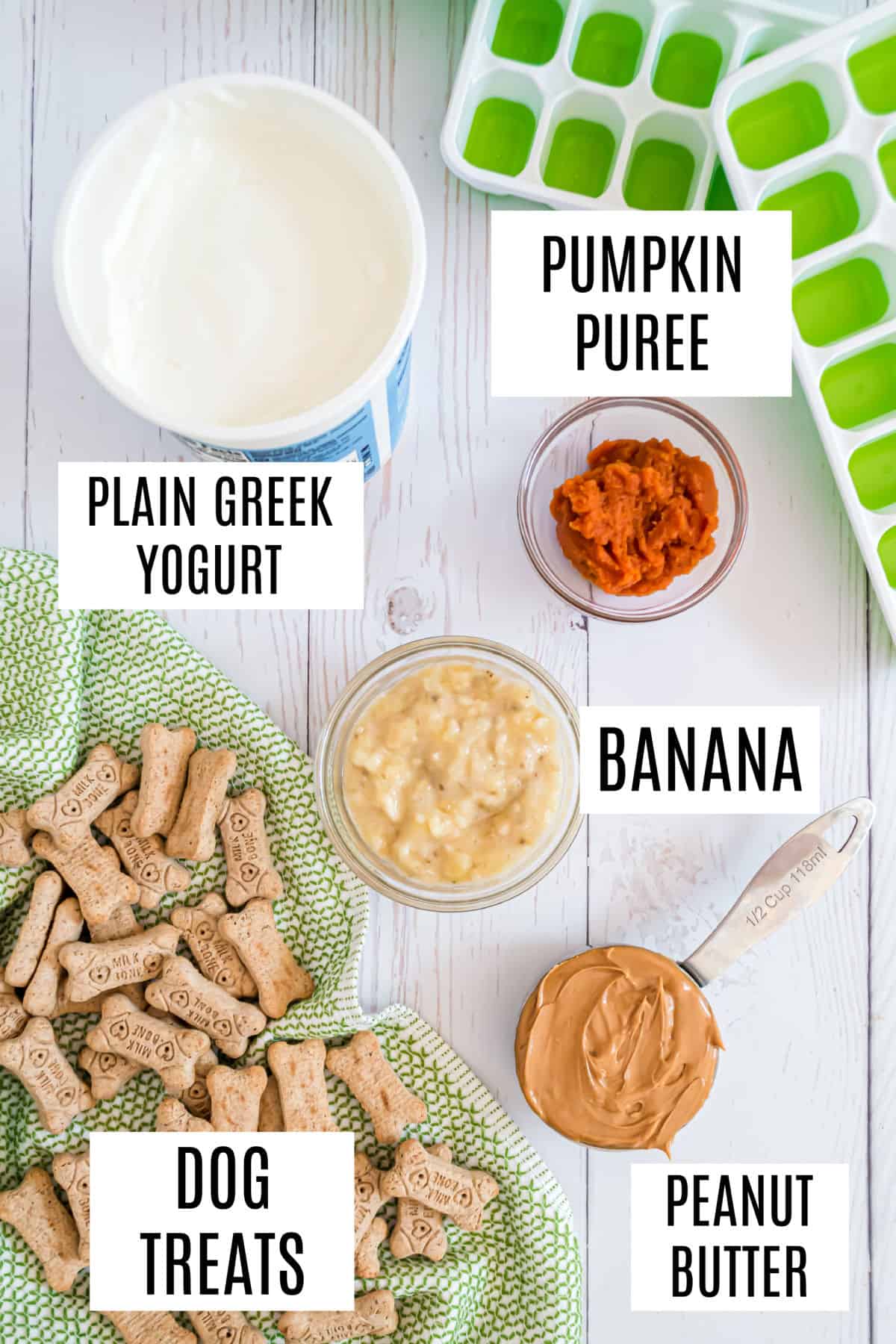
- Fruit and Vegetable Purees: For flavor and natural sweetness, many brands incorporate fruit and vegetable purees. Bananas, apples, blueberries, pumpkin, and sweet potato are popular, offering not only taste but also nutritional benefits. Brands that emphasize real fruit and vegetable content often position themselves as offering “whole food” or “superfood” treats, appealing to pet parents who prioritize nutrient-rich options. This strategy builds a brand narrative around health, vitality, and natural indulgence.
- Peanut Butter: A perennial favorite among dogs, peanut butter is a widely used flavoring. Brands incorporating it often leverage its universal appeal, positioning their product as an irresistible treat. However, responsible brands meticulously ensure their peanut butter is xylitol-free (a highly toxic artificial sweetener for dogs), a crucial safety aspect that reinforces brand trustworthiness and diligence. Highlighting “xylitol-free” is itself a powerful brand statement of safety and awareness.
- Herbs and Spices: Less common but emerging are subtle inclusions of dog-safe herbs like mint (for breath freshening) or cinnamon (for anti-inflammatory properties). These ingredients allow brands to tap into functional wellness trends, offering more than just a treat but a health-benefiting indulgence, thus elevating their brand to a more sophisticated, wellness-oriented platform.
The choice of flavorings and sweeteners is a delicate balance, where safety and natural appeal directly translate into brand reputation and consumer loyalty.
Nutritional Additives and Functional Ingredients: Differentiating Through Wellness
Beyond taste, many dog ice cream brands differentiate themselves by incorporating functional ingredients that offer additional health benefits. This strategy elevates the product from a simple treat to a wellness supplement, catering to the growing demand for functional pet foods.
- Prebiotics and Probiotics: Digestive health is a major concern for pet owners. Brands that add prebiotics (like inulin) or probiotics (beneficial bacteria) to their ice cream can position their product as a digestive aid, not just a dessert. This creates a strong brand message centered on holistic pet health, appealing to owners looking for preventative or supportive care through diet.
- Omega-3 Fatty Acids: Sourced from fish oil or flaxseed, Omega-3s are renowned for promoting healthy skin, a shiny coat, and joint health. Incorporating these into dog ice cream allows brands to tap into the “beauty from within” and “active lifestyle” segments, appealing to owners who want to support their dog’s vitality and appearance.
- Vitamins and Minerals: Fortifying dog ice cream with essential vitamins and minerals can enhance its nutritional profile. Brands highlighting these additions often emphasize a “complete and balanced” approach to treating, suggesting their product contributes meaningfully to a dog’s overall diet, thus building a reputation for thoughtful, science-backed product development.
- Joint Support Ingredients: Glucosamine and chondroitin, commonly found in joint supplements, are increasingly appearing in dog treats. Brands incorporating these ingredients target an aging pet population or breeds prone to joint issues, positioning their ice cream as a delicious way to support mobility and comfort. This directly addresses a significant pain point for many pet owners, creating a strong emotional connection and brand loyalty.
By strategically integrating these functional ingredients, brands move beyond basic indulgence, transforming their dog ice cream into a value-added product that aligns with the broader pet wellness movement.
Ingredient Sourcing and Transparency: Building Brand Trust
In an era of heightened consumer awareness, how ingredients are sourced and the level of transparency brands provide are critical factors in building trust and shaping brand perception. For dog ice cream, this commitment to quality and ethical practices can be a powerful differentiator.
The ‘Natural’ and ‘Organic’ Imperative: Premium Branding
The terms “natural” and “organic” resonate deeply with consumers seeking wholesome options for themselves and their pets. For dog ice cream, these labels are potent branding tools, signaling a commitment to quality ingredients free from artificial additives, pesticides, or GMOs.
- Natural Ingredients: Brands emphasizing “natural” ingredients often highlight the absence of artificial colors, flavors, or preservatives. This positions the product as pure and minimally processed, appealing to pet parents wary of synthetic compounds in their dog’s diet. The branding message focuses on simplicity and purity, suggesting a healthier, more trustworthy choice.
- Organic Certification: Achieving organic certification for ingredients, though more challenging and costly, offers a significant branding advantage. It communicates a higher standard of quality control and environmental responsibility. Brands that lead with organic claims cater to a premium segment of the market, willing to pay more for certified purity and ethical sourcing. This strategy builds a sophisticated brand image that aligns with broader consumer trends towards organic living.
By investing in natural or organic ingredients, brands not only meet a market demand but also elevate their perceived value, establishing themselves as responsible and quality-focused manufacturers.
Local Sourcing and Ethical Practices: Cultivating Brand Loyalty
Beyond natural or organic labels, the story behind ingredient sourcing can significantly enhance a brand’s appeal and foster loyalty.
- Local Sourcing: Brands that highlight local sourcing of ingredients, such as dairy from regional farms or fruits from nearby orchards, tap into the “buy local” movement. This creates a narrative of community support, freshness, and reduced environmental footprint, resonating with consumers who prioritize local economies and sustainability. It builds a brand identity rooted in authenticity and local connection.
- Ethical Production: Concerns about animal welfare and sustainable practices extend to pet food ingredients. Brands that can demonstrate ethical sourcing, such as humane dairy farming practices or sustainable harvesting of plant-based ingredients, build a strong ethical brand identity. This appeals to a socially conscious consumer base, fostering deep brand loyalty based on shared values.
- Transparency and Traceability: Providing clear information about where ingredients come from, how they are processed, and the quality checks they undergo is crucial. Brands that offer detailed ingredient traceability, perhaps through QR codes on packaging or dedicated website sections, empower consumers with information, thereby reinforcing trust and establishing a reputation for honesty and integrity. This transparency becomes a hallmark of a trustworthy and premium brand.
Ingredient sourcing and the narrative surrounding it are not just logistical considerations but powerful branding opportunities that allow companies to connect with consumers on a deeper, values-driven level.
Marketing the Ingredient Story: Crafting a Brand Narrative
Once the carefully selected ingredients are formulated into dog ice cream, the next crucial step in branding is effectively communicating this composition to the consumer. The ingredient story is central to the product’s marketing, shaping perception and driving purchase decisions.
Packaging and Labeling: Visualizing Ingredient Purity
The first point of contact for many consumers is the product’s packaging. This visual real estate is paramount for conveying the ingredient story effectively.
- Clear Ingredient Lists: Transparent and easy-to-read ingredient lists are non-negotiable. Brands that prioritize clarity on their labels build immediate trust. Highlighting key beneficial ingredients prominently, perhaps with icons or bold text, draws attention to the product’s value proposition without overwhelming the consumer.
- Visual Cues: Packaging design often employs visual cues to reinforce the naturalness or quality of ingredients. Images of fresh fruits, wholesome milk, or happy, healthy dogs communicate purity and well-being. Earthy tones, minimalist designs, or artisanal fonts can further convey a brand’s commitment to natural ingredients and premium quality.
- “Free From” Statements: Prominently displaying “lactose-free,” “grain-free,” “xylitol-free,” or “no artificial colors” on the front of the packaging immediately addresses common consumer concerns and differentiates the brand from competitors. These statements act as quick-read trust signals, crucial for busy shoppers.
- Storytelling Elements: Some brands use packaging to tell a brief story about their ingredients – perhaps the origin of their goat’s milk or the commitment to organic farming. This narrative approach builds an emotional connection and adds depth to the brand’s identity, making the product more memorable.
Effective packaging is more than just containment; it’s a silent salesperson that visually communicates the essence of the brand and the integrity of its ingredients.
Digital Storytelling: Engaging Consumers with Ingredient Journeys
In the digital age, a brand’s website, social media, and other online platforms offer expansive opportunities to elaborate on the ingredient story, fostering deeper engagement and loyalty.
- Behind-the-Scenes Content: Videos and blog posts showcasing the sourcing process – a visit to a dairy farm, a peek into the production facility, or an interview with an ingredient supplier – build transparency and authenticity. This content allows consumers to virtually “meet” the ingredients, deepening their trust and understanding of the brand’s commitment.
- Ingredient Spotlights: Dedicated sections on a website or social media campaigns can highlight specific ingredients, detailing their benefits for dogs, their origin, and why the brand chose them. This educates consumers, positioning the brand as knowledgeable and dedicated to canine well-being. For example, a “Superfood Sunday” series might profile the benefits of blueberries in their ice cream.
- Expert Endorsements: Collaborating with veterinarians, pet nutritionists, or reputable pet influencers to discuss the benefits of the ice cream’s ingredients lends credibility to the brand. Testimonials or educational content from experts can powerfully reinforce the safety and efficacy of the product’s composition.
- User-Generated Content: Encouraging pet parents to share photos and stories of their dogs enjoying the ice cream, especially in the context of specific ingredients (e.g., “My dog loves the pumpkin flavor!”), creates a community and provides social proof. This organic endorsement of the ingredients through real-world experiences is incredibly persuasive.
Digital storytelling allows brands to move beyond a simple list of ingredients, transforming them into a compelling narrative that resonates with the emotional connection pet parents have with their animals.
Innovation in Dog Ice Cream: Future Branding Opportunities
The pet food market is dynamic, constantly evolving with new scientific insights, consumer trends, and ingredient advancements. For dog ice cream brands, embracing innovation in ingredient formulation presents significant opportunities to redefine their market position and capture new customer segments.
Allergen-Friendly Formulations: Expanding Market Reach
A growing number of dogs suffer from food allergies and sensitivities, creating a strong demand for specialized diets. Brands that proactively develop allergen-friendly dog ice cream can tap into this underserved market.
- Limited Ingredient Diets (LID): Focusing on formulations with a minimal number of carefully selected ingredients reduces the likelihood of triggering allergies. Brands that market “limited ingredient” ice cream appeal directly to owners of sensitive dogs, positioning themselves as a safe and thoughtful choice.
- Specific Allergen Exclusion: Explicitly excluding common allergens like chicken, beef, dairy, wheat, soy, or corn allows brands to create highly targeted products. For example, a brand might launch a “Grain-Free Salmon & Sweet Potato” dog ice cream, clearly signaling its suitability for dogs with grain sensitivities. This precision in ingredient choice becomes a powerful branding tool for a specific niche.
- Novel Protein Sources: Exploring less common protein sources like duck, venison, or insect protein can offer options for dogs allergic to conventional proteins. Brands pioneering these novel ingredients demonstrate innovation and a deep understanding of specialized dietary needs, elevating their brand to a cutting-edge status within pet nutrition.
By addressing the challenge of pet allergies through innovative ingredient choices, brands not only expand their market reach but also build a reputation for empathy, expertise, and a commitment to all dogs’ well-being.
Sustainable Ingredients: Appealing to Eco-Conscious Pet Parents
As environmental concerns become paramount, consumers are increasingly seeking out products that align with their sustainable values. Dog ice cream brands have an opportunity to innovate with eco-friendly ingredients and production methods.
- Upcycled Ingredients: Utilizing by-products from human food production that are safe and nutritious for dogs (e.g., spent grain from breweries, fruit pulp from juice production) minimizes waste and promotes circular economy principles. Brands that champion upcycled ingredients can position themselves as environmentally responsible and innovative, appealing to eco-conscious pet parents.
- Locally and Sustainably Sourced Ingredients: Reinforcing commitments to local suppliers and sustainable farming practices (as discussed earlier) becomes even more critical in an eco-conscious market. Brands can highlight their reduced carbon footprint and support for responsible agriculture, building a strong “green” brand identity.
- Biodegradable Packaging: While not an ingredient, the packaging often goes hand-in-hand with sustainable ingredient narratives. Brands that use compostable or recyclable packaging reinforce their commitment to environmental stewardship, creating a cohesive eco-friendly brand image.
- Transparency in Supply Chain: For brands focused on sustainability, providing detailed information about the environmental impact of their ingredient sourcing and production processes builds profound trust and credibility. This level of transparency reinforces the brand’s commitment to ethical and ecological responsibility, attracting a loyal segment of values-driven consumers.
Innovation in sustainable ingredients and practices allows dog ice cream brands to connect with a growing segment of pet parents who prioritize environmental responsibility. By aligning their product composition with these forward-thinking values, brands can carve out a distinctive and highly respected niche in the competitive pet treat market.
aViewFromTheCave is a participant in the Amazon Services LLC Associates Program, an affiliate advertising program designed to provide a means for sites to earn advertising fees by advertising and linking to Amazon.com. Amazon, the Amazon logo, AmazonSupply, and the AmazonSupply logo are trademarks of Amazon.com, Inc. or its affiliates. As an Amazon Associate we earn affiliate commissions from qualifying purchases.