
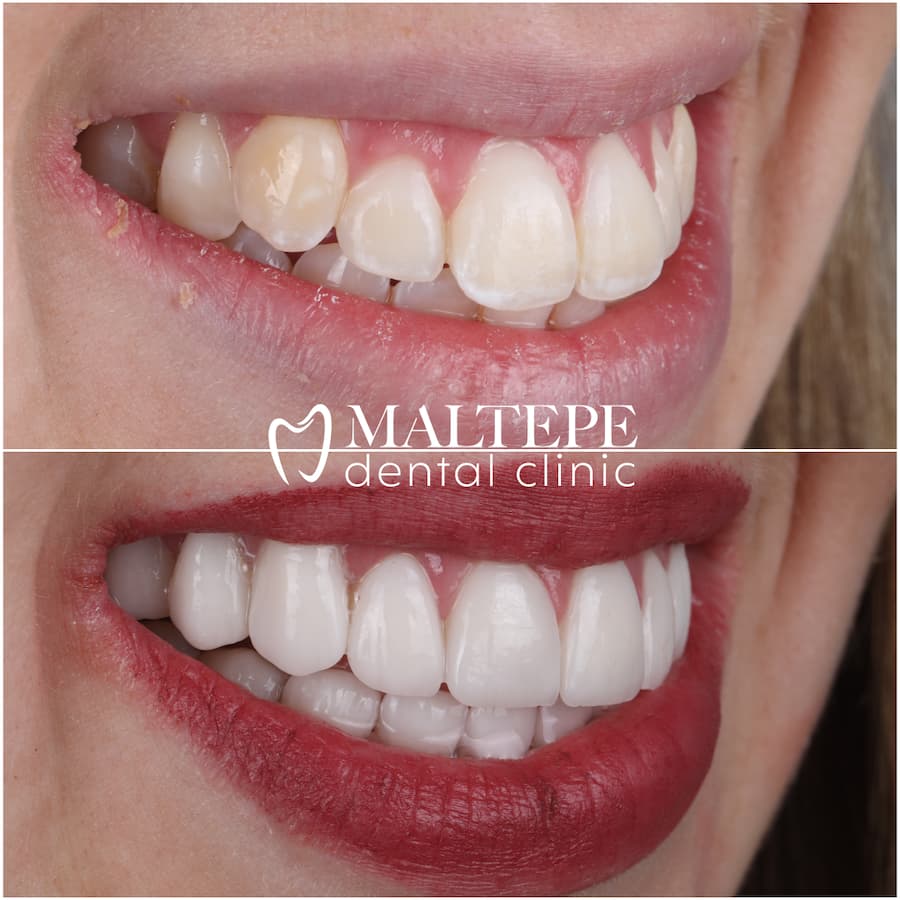
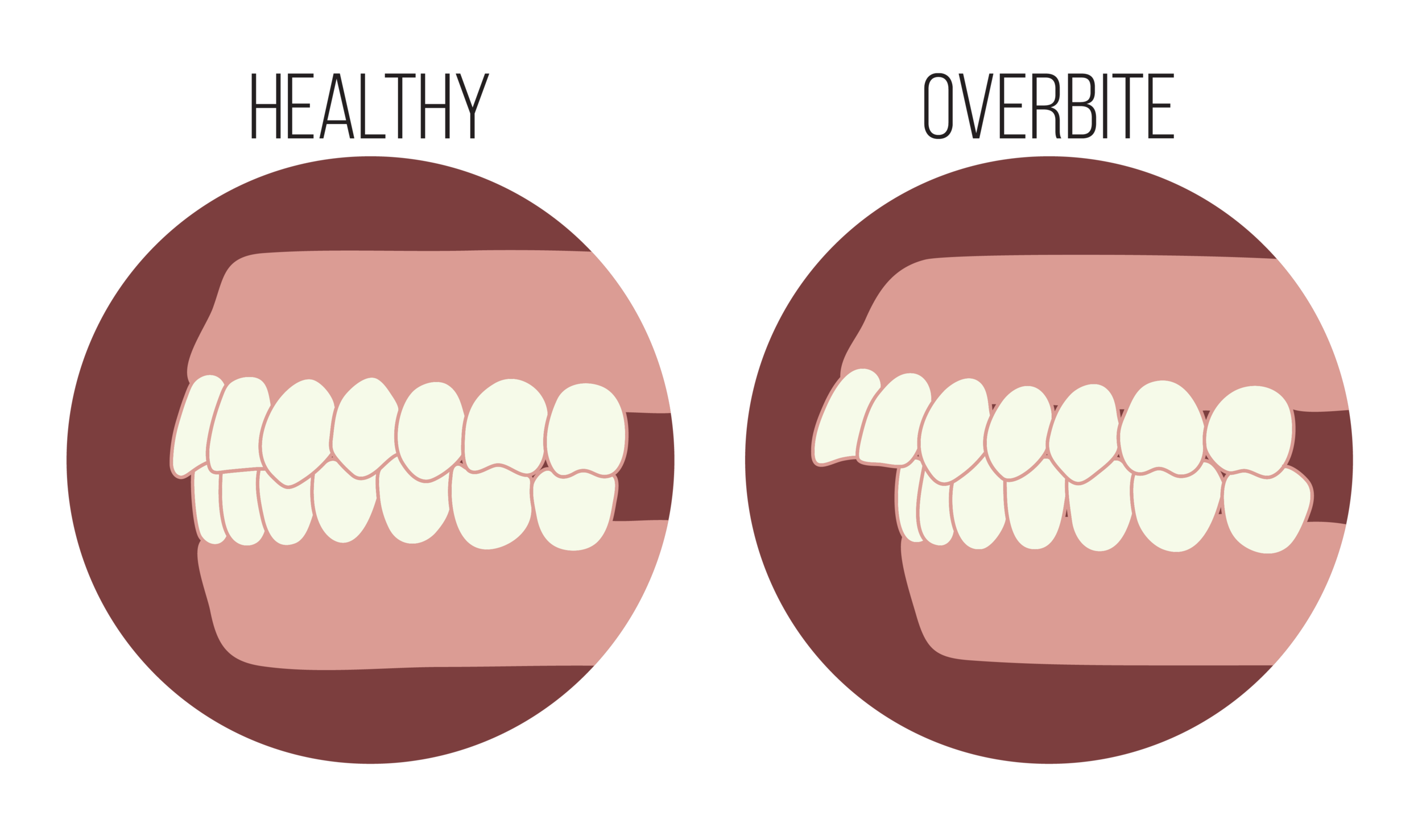
The term “buck teeth” is a widely recognized colloquialism referring to a dental condition clinically known as an “overjet” or “protruding teeth.” This malocclusion is characterized by the upper front teeth extending significantly forward beyond the lower front teeth. While often primarily viewed as an aesthetic concern, a pronounced overjet can contribute to a range of functional issues, including difficulties with biting and chewing, certain speech impediments, an elevated risk of injury to the front teeth, and challenges in maintaining optimal oral hygiene. In the contemporary landscape of digital dentistry and advanced medical technology, the process of understanding, diagnosing, and correcting an overjet has been revolutionized by innovative tools and methodologies. These technological advancements offer unprecedented precision in diagnosis, personalization in treatment planning, and efficiency in achieving superior patient outcomes. This exploration delves into how cutting-edge technology redefines the evaluation and correction of overjet, ensuring comprehensive and effective dental care.
Digital Diagnostics: Unmasking Malocclusion with Precision
The initial phase of addressing an overjet, or any malocclusion, hinges on accurate and comprehensive diagnostics. Traditional methods, while foundational, are increasingly being augmented and replaced by digital technologies that offer enhanced precision, efficiency, and patient comfort.
Intraoral Scanners: Beyond Plaster Impressions
The advent of intraoral scanners has marked a significant leap forward from the conventional method of taking dental impressions using putty-like materials. These handheld devices capture highly accurate, three-dimensional digital models of a patient’s teeth and gums in real-time. By eliminating the need for uncomfortable impression trays and materials, intraoral scanners significantly enhance the patient experience, particularly for individuals with gag reflexes.
For overjet cases, the digital models generated by these scanners provide orthodontists with an incredibly detailed and precise replica of the patient’s dentition. This digital data can be immediately analyzed, manipulated, and shared with treatment planning software, dental laboratories, and other specialists. The precision of these scans allows for meticulous measurement of the overjet magnitude, arch form discrepancies, and tooth angulations, facilitating a more accurate initial assessment and subsequent treatment planning. Brands like iTero, 3Shape Trios, and Medit i500 are at the forefront of this diagnostic revolution, offering rapid and detailed digital mapping.
Cone-Beam Computed Tomography (CBCT): 3D Vision for Complex Cases
While intraoral scanners provide a detailed surface view, Cone-Beam Computed Tomography (CBCT) offers an unparalleled three-dimensional volumetric assessment of the craniofacial structures. Unlike traditional two-dimensional X-rays, CBCT scans provide a comprehensive view of teeth, jawbones, nerve pathways, sinuses, and temporomandibular joints (TMJs).
For diagnosing an overjet, particularly one with underlying skeletal components, CBCT is invaluable. It allows orthodontists to precisely evaluate the relationship between the upper and lower jaws, assess the density and volume of alveolar bone, identify any impacted teeth, and detect potential TMJ dysfunctions that might contribute to or be exacerbated by the malocclusion. This detailed anatomical insight enables clinicians to formulate more informed and biomechanically sound treatment plans, minimizing risks and optimizing outcomes. For instance, understanding the skeletal discrepancy in an overjet allows for differentiation between dental compensation and true skeletal class II discrepancies, guiding decisions between orthodontic-only treatment, orthognathic surgery, or a combination. The ability to visualize these structures in 3D is critical for planning complex movements and ensuring long-term stability.
AI and Machine Learning in Orthodontic Planning
The integration of Artificial Intelligence (AI) and Machine Learning (ML) is transforming the landscape of orthodontic diagnosis and treatment planning. These technologies empower clinicians with advanced analytical capabilities, leading to more predictable and personalized patient care, especially for conditions like overjet.
Predictive Analytics for Treatment Outcomes
AI algorithms, trained on vast datasets of anonymized patient cases, treatment plans, and resulting outcomes, are now capable of predictive analytics for orthodontic treatment. For an overjet, this means that an AI system can analyze a patient’s unique dental and skeletal structure (derived from digital scans and CBCT data), propose various treatment modalities (e.g., clear aligners, braces, skeletal expanders), and then predict the most likely outcome for each.
This predictive capability allows orthodontists to select the most effective and efficient treatment pathway, minimizing trial-and-error and reducing treatment duration. The AI can highlight potential challenges or limitations of a particular approach, enabling proactive adjustments to the plan. This level of personalized foresight is revolutionary, moving beyond generalized protocols to highly individualized treatment blueprints tailored to correct the specific nuances of a patient’s overjet. It empowers both the clinician and the patient with a clearer understanding of the journey and the expected final result, improving satisfaction and adherence.
Automated Cephalometric Analysis
Cephalometric analysis, traditionally a laborious and subjective process, involves tracing anatomical landmarks on lateral cephalometric X-rays to assess skeletal and dental relationships. This analysis is crucial for diagnosing the skeletal component of an overjet and planning orthodontic treatment. AI and ML have automated this process, significantly improving its speed and consistency.
AI-powered software can instantaneously identify and mark skeletal and dental landmarks on X-rays with a high degree of accuracy, often surpassing human capabilities in terms of consistency. It then automatically performs calculations, generates reports, and even highlights potential discrepancies related to an overjet. This automation not only saves clinicians valuable time but also reduces the variability inherent in manual tracing, leading to more standardized and reliable diagnostic data. By providing rapid and precise cephalometric insights, AI enables orthodontists to more quickly and accurately define the skeletal contribution to an overjet, facilitating a more informed decision-making process for treatment.
Advanced Treatment Technologies
Beyond diagnostics and planning, technology has dramatically evolved the tools and methods available for the physical correction of an overjet. These advancements prioritize precision, customization, and patient comfort, while often reducing treatment times.
Clear Aligners and 3D Printing Innovations
The rise of clear aligner therapy, epitomized by systems like Invisalign, Spark, and LightForce, represents a paradigm shift in orthodontic treatment. These nearly invisible, removable aligners offer an aesthetic and convenient alternative to traditional braces for correcting an overjet and other malocclusions. The core of clear aligner technology lies in advanced digital workflows and 3D printing.
Following intraoral scanning, sophisticated CAD/CAM (Computer-Aided Design/Computer-Aided Manufacturing) software is used to digitally plan the entire tooth movement sequence, from the initial overjet to the desired final position. This digital treatment plan then serves as a blueprint for 3D printers, which fabricate a series of custom-made aligners. Each aligner in the series is designed to gradually move the teeth closer to their ideal position. The precision offered by 3D printing ensures that each aligner applies the exact forces necessary for predictable tooth movement, making it highly effective for correcting various degrees of overjet by pushing the anterior teeth into proper alignment and often distalizing posterior teeth. This technology not only offers superior aesthetics but also often allows for more controlled and efficient tooth movement compared to traditional brackets in certain situations.
Robotic-Assisted Orthodontics
Robotic technology is making inroads into orthodontics, further enhancing precision and personalization. Systems like SureSmile and LightForce utilize robotic arms to precisely bend archwires or 3D print custom brackets based on individual digital treatment plans.
For overjet correction, robotic wire bending ensures that each bend in an archwire is executed with millimeter-level accuracy, translating the digital treatment plan into physical mechanics with unparalleled fidelity. This precision minimizes manual adjustments, reduces chair time, and can lead to more efficient tooth movement and shorter treatment durations. Similarly, custom-printed brackets by systems like LightForce are precisely designed for each tooth, ensuring optimal bracket placement and torque control from the outset. This bespoke approach allows for highly customized force application, which is particularly beneficial in complex overjet cases where precise tooth movement is critical for achieving optimal intercuspation and aesthetic outcomes. The integration of robotics eliminates human error in key manufacturing steps, promising more predictable and consistent results.
Virtual Consultations and Teledentistry
Technology is not only improving clinical procedures but also enhancing patient access and convenience through teledentistry. Virtual consultations and remote monitoring capabilities are transforming how patients engage with orthodontic care, particularly for ongoing conditions like overjet correction.
Accessibility and Remote Monitoring
Video conferencing platforms and dedicated teledentistry applications have enabled initial orthodontic consultations, progress checks, and even emergency care to be conducted remotely. For individuals with an overjet considering treatment, an initial virtual consultation can streamline the process, allowing them to discuss concerns, receive preliminary assessments, and understand treatment options from the comfort of their home or office.
More significantly, teledentistry allows for robust remote monitoring of treatment progress. Patients undergoing clear aligner therapy for overjet correction can use smartphone apps, often coupled with intraoral scanning devices (either at-home or in-office for periodic scans), to send images or data to their orthodontist. AI can then analyze these submissions to track tooth movement, assess aligner fit, and identify any deviations from the treatment plan. This remote oversight reduces the need for frequent in-person appointments, increasing convenience, reducing travel time, and improving accessibility for patients in remote areas or those with busy schedules. It ensures that the treatment for overjet progresses as planned, with timely interventions if required, all while leveraging digital communication and data analysis.
aViewFromTheCave is a participant in the Amazon Services LLC Associates Program, an affiliate advertising program designed to provide a means for sites to earn advertising fees by advertising and linking to Amazon.com. Amazon, the Amazon logo, AmazonSupply, and the AmazonSupply logo are trademarks of Amazon.com, Inc. or its affiliates. As an Amazon Associate we earn affiliate commissions from qualifying purchases.