
Braided line, a cornerstone in modern angling technology, represents a significant evolution from traditional monofilament and fluorocarbon lines. Far from a simple string, it is a sophisticated engineering marvel, meticulously constructed to offer distinct performance advantages. At its core, braided line is composed of multiple synthetic fibers, typically Ultra-High Molecular Weight Polyethylene (UHMWPE), meticulously woven together into a single strand. This intricate construction imparts a unique set of physical and performance characteristics that distinguish it within the fishing tackle ecosystem, positioning it as a high-performance material for a wide array of fishing applications. Understanding the technological underpinnings of braided line is crucial for appreciating its capabilities and optimizing its use.
The Science Behind Braided Line
The superior performance of braided line stems directly from its advanced material science and manufacturing processes. It is a testament to how synthetic fiber technology can be leveraged to create a product with extraordinary strength, sensitivity, and longevity.
Material Composition
The foundation of most high-performance braided lines lies in UHMWPE fibers, commonly marketed under brand names such as Spectra or Dyneema. UHMWPE is a thermoplastic polyethylene with an extremely long chain of molecules, resulting in unique properties. These fibers are distinguished by their exceptionally high strength-to-weight ratio, making them one of the strongest man-made fibers available. For comparison, UHMWPE is often quoted as being 15 times stronger than steel on an equal weight basis. Beyond its immense tensile strength, UHMWPE possesses remarkable resistance to abrasion, UV radiation, and chemical degradation, which are critical properties for a material exposed to harsh aquatic environments. The low density of UHMWPE also contributes to the line’s neutral buoyancy, or very slow sink rate, a characteristic that has significant implications for lure presentation and bite detection. Some manufacturers may blend in other high-strength synthetic fibers or apply proprietary coatings to further enhance specific attributes like color retention, knot strength, or slickness.
The Braiding Process
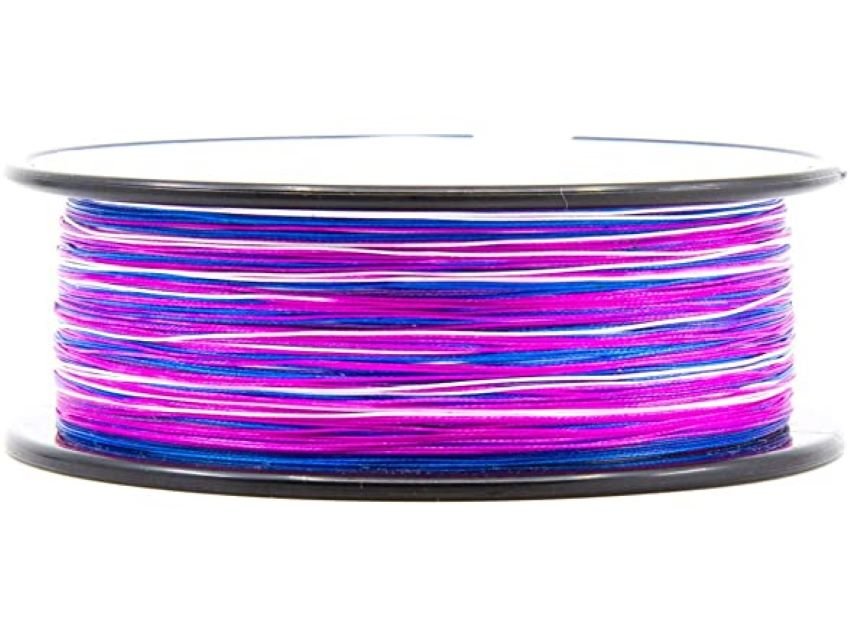
Unlike monofilament lines, which are extruded as a single strand, braided line is manufactured by interweaving multiple individual strands of UHMWPE fibers. This process is akin to textile braiding, but executed with precision engineering to create a consistent and uniform cross-section. The number of strands used typically ranges from 4 to 16, with 8-strand braids being a common high-performance configuration. The more strands involved, the rounder and smoother the line tends to be, resulting in less friction during casting and improved knot performance. The tension and pattern of the braid are meticulously controlled during manufacturing to ensure uniform diameter, consistent breaking strength, and predictable performance. Some advanced braiding techniques employ tighter weaves or specialized coatings to fill microscopic gaps between fibers, which can enhance abrasion resistance, reduce water absorption, and improve casting distance by reducing friction on rod guides. The color of braided line is often achieved by integrating dyed fibers or applying pigmented coatings, with specialized UV-resistant dyes employed to maintain color integrity over time.
Distinct Performance Advantages
The unique construction and material composition of braided line translate into several significant performance advantages that distinguish it from other fishing line types. These advantages are particularly relevant in scenarios demanding precision, power, and enhanced sensory feedback.
Strength and Diameter
One of the most compelling advantages of braided line is its exceptional strength-to-diameter ratio. For a given breaking strength, braided line will have a significantly smaller diameter compared to monofilament or fluorocarbon. This attribute offers several practical benefits: a thinner line experiences less water resistance (drag), allowing lures to sink faster and reach deeper depths with greater ease. The reduced diameter also means that more line can be spooled onto a reel, increasing capacity and providing a greater margin for long runs by powerful fish. Furthermore, the thinner profile of braided line contributes to longer and more accurate casting, as less friction is generated through the rod guides and less air resistance is encountered during flight. This engineering feat, packing immense strength into a minimal cross-section, is a direct result of the UHMWPE fibers’ inherent properties and the efficient load distribution achieved through the braiding process.
Sensitivity and Castability
Braided line is renowned for its near-zero stretch characteristics, a property that dramatically enhances sensitivity. Unlike monofilament, which can stretch by up to 25% or more, braided line typically exhibits less than 3-5% stretch under tension. This minimal elasticity ensures that even the most subtle bites or changes in bottom structure are transmitted directly through the line to the angler’s hand, providing an immediate and unadulterated sensory feedback loop. This heightened sensitivity is invaluable in finesse fishing, deep-water applications, and situations where detecting faint strikes is paramount.
In terms of castability, modern braided lines often feature a very smooth, round profile, which reduces friction as the line passes through rod guides. This, combined with its low memory and smaller diameter, contributes to superior casting distance and accuracy. The line’s supple nature allows it to coil smoothly on the reel spool and unfurl with minimal resistance during the cast, leading to less tangling and backlashing, especially with well-tuned casting equipment.
Durability and Longevity
The inherent properties of UHMWPE fibers lend braided line remarkable durability. It is highly resistant to degradation from UV light exposure, which can weaken other line types over time. This makes braided line a long-lasting option, often requiring replacement less frequently than monofilament. Its resistance to chemical damage from common solvents, fuels, and many environmental pollutants further contributes to its longevity. While not impervious to physical abrasion, high-quality braided lines are engineered to withstand significant wear and tear against underwater structures, fish teeth, and sharp rocks due to the robust nature of their constituent fibers. The braided construction distributes stress across multiple intertwined strands, making it less prone to catastrophic failure from a single point of damage compared to a monolithic strand.
Key Considerations for Anglers
While braided line offers numerous technical advantages, its unique properties also necessitate specific considerations and adjustments for optimal performance. Understanding these nuances is crucial for maximizing its benefits and mitigating potential drawbacks.
Knot Tying Techniques
Due to its ultra-low stretch, smooth texture, and thin diameter, traditional knots designed for monofilament lines may slip or fail when tied with braided line. Braided line’s slick surface provides less friction for knots to cinch down effectively, and its inability to stretch means that knots bear the full load directly without the shock absorption seen in other lines. Therefore, specific knots that offer superior grip and strength retention are highly recommended. Examples include the Palomar knot, improved clinch knot (with extra wraps), uni knot, and specific braid-to-leader knots like the FG knot or Alberto knot when splicing a monofilament or fluorocarbon leader. It is also critical to ensure that knots are tied meticulously, pulled tight slowly and evenly, and properly lubricated (with saliva or water) to prevent heat-induced damage to the fibers during cinching.
Rod and Reel Compatibility
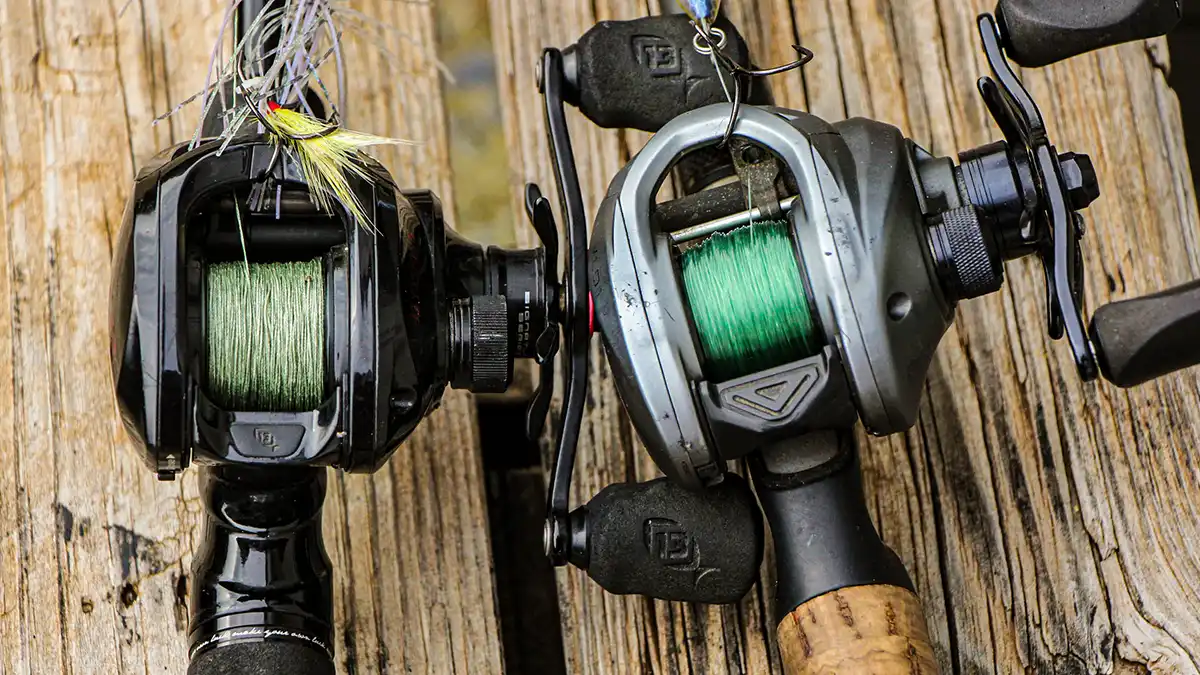
The low-stretch nature of braided line demands specific rod and reel considerations. When paired with a rod that is too stiff, the lack of line stretch means the rod becomes the primary shock absorber. This can lead to increased pulled hooks or break-offs if the drag is not set precisely. A more moderate or “softer” action rod can often be beneficial with braided line, providing the necessary flex to absorb sudden impacts. Similarly, reel drag systems must be smooth and precise. The “all-or-nothing” nature of braided line under tension means that a sticky or inconsistent drag can quickly lead to line breakage. Reels designed with robust and finely adjustable drag systems are highly recommended. Furthermore, some older reel models with softer spools might experience the braided line “digging in” under extreme pressure, potentially causing issues; however, modern reels are generally built to accommodate braided line effectively.
Abrasion Resistance and Maintenance
While braided line is highly resistant to general wear, its individual fibers can be susceptible to damage from sharp edges or severe localized abrasion. Unlike monofilament, which might show nicks or scuffs visually, damage to braided line can be less apparent but equally detrimental to its integrity. Regular inspection of the line, especially the last few feet exposed to the fishing environment, is critical. If fraying or significant nicks are observed, it’s best to cut back the damaged section or re-tie the leader. To enhance its lifespan, avoid dragging braided line over sharp rocks, barnacles, or other abrasive structures. Some anglers also use braid conditioners or protective coatings to further improve abrasion resistance and reduce water absorption. Properly storing reels away from direct sunlight and extreme temperatures also contributes to the line’s longevity.
Braided Line vs. Other Line Types
From a technical standpoint, the choice between braided, monofilament, and fluorocarbon lines is a decision based on optimizing specific performance metrics for particular applications. Monofilament (nylon) offers significant stretch, acting as a shock absorber, and is relatively inexpensive. Its larger diameter and memory can limit casting distance and sensitivity. Fluorocarbon, a single-strand polymer, boasts near invisibility underwater due to its refractive index being close to that of water, offers excellent abrasion resistance, and has less stretch than monofilament, but more than braid. Its higher density causes it to sink faster.
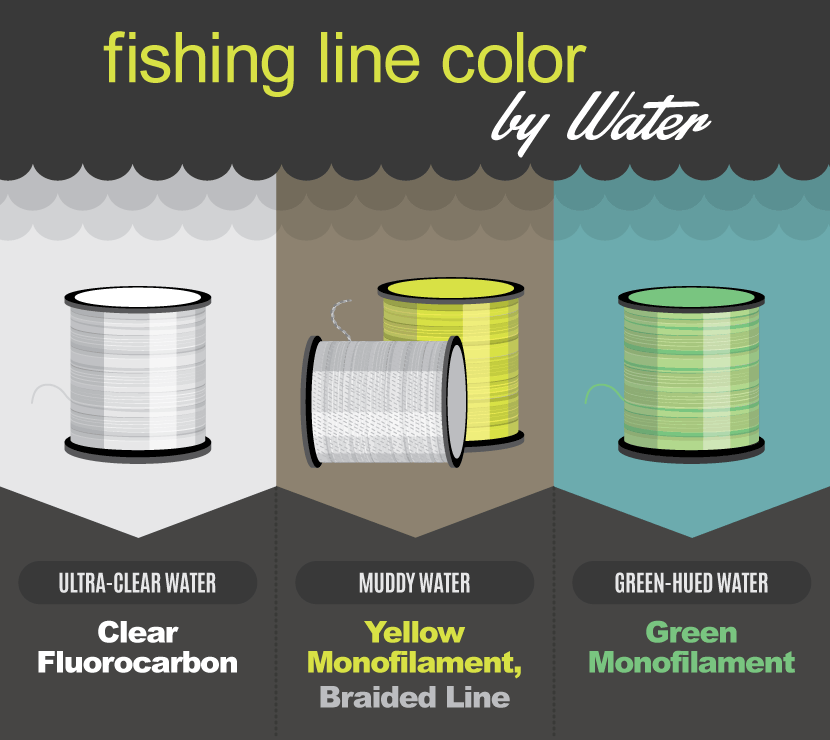
Braided line stands apart with its unparalleled strength-to-diameter ratio, near-zero stretch for maximum sensitivity, and exceptional casting distance. However, its visibility in clear water and its tendency to “sing” through rod guides (a technical acoustic byproduct of its texture) are factors where other lines might have an edge. The decision often involves a technical trade-off: prioritize invisibility and moderate stretch (fluorocarbon), shock absorption and economy (monofilament), or maximum strength, sensitivity, and casting distance (braid). Many advanced anglers leverage the specific strengths of each, often utilizing braided mainline with a fluorocarbon or monofilament leader for a combination of benefits.
Future Innovations in Braided Line Technology
The evolution of braided line is ongoing, driven by continuous advancements in material science and manufacturing precision. Future innovations are likely to focus on several key areas. We can anticipate the development of even stronger, thinner UHMWPE fibers, allowing for unprecedented breaking strengths at minimal diameters. Research into novel fiber blends or composite structures could lead to lines with enhanced specific properties, such as greater heat resistance for high-speed retrieves or improved hydrophobic qualities to further reduce water absorption and line drag.
Coatings will continue to be a significant area of development, with efforts to create ultra-smooth surfaces that minimize friction for even longer casts and less guide noise, while simultaneously improving knot strength and abrasion resistance. Smart technologies could also emerge, potentially integrating micro-sensors into the line to provide real-time data on line tension, depth, or even subtle fish interactions, though this remains further down the technological pipeline. The drive towards more environmentally sustainable materials and manufacturing processes will also likely influence future braided line development, aligning with broader trends in product innovation. These ongoing developments underscore braided line as a dynamic technology, continually pushing the boundaries of performance for anglers worldwide.
aViewFromTheCave is a participant in the Amazon Services LLC Associates Program, an affiliate advertising program designed to provide a means for sites to earn advertising fees by advertising and linking to Amazon.com. Amazon, the Amazon logo, AmazonSupply, and the AmazonSupply logo are trademarks of Amazon.com, Inc. or its affiliates. As an Amazon Associate we earn affiliate commissions from qualifying purchases.