
Behavioral inhibition, a concept deeply rooted in psychological research, describes a temperamental style characterized by a consistent tendency to respond with fear, caution, and withdrawal when encountering novel people, situations, or objects. Individuals exhibiting high behavioral inhibition often demonstrate shyness, quietness, and a reluctance to engage spontaneously in unfamiliar contexts. While often discussed in developmental psychology, its implications extend profoundly into the realms of branding, influencing how individuals build their personal brand, how companies shape their corporate identity, and how marketing strategies resonate with diverse audiences. Understanding this intrinsic human trait is not merely an academic exercise; it is a critical lens through which to analyze brand perception, communication, and strategic growth.
Unpacking the Core Concept for Branding
At its foundation, behavioral inhibition is not merely shyness but a neurobiologically driven response to novelty. It involves an inherent sensitivity to potential threats or uncertainties, leading to a cautious, watchful, and often avoidant stance. For branding professionals, whether crafting a personal narrative or guiding a corporate behemoth, recognizing the presence and impact of behavioral inhibition—both in themselves, their teams, and their target audience—is paramount. It informs everything from how a founder pitches an idea to investors to how a global brand launches a disruptive new product.
Defining Behavioral Inhibition
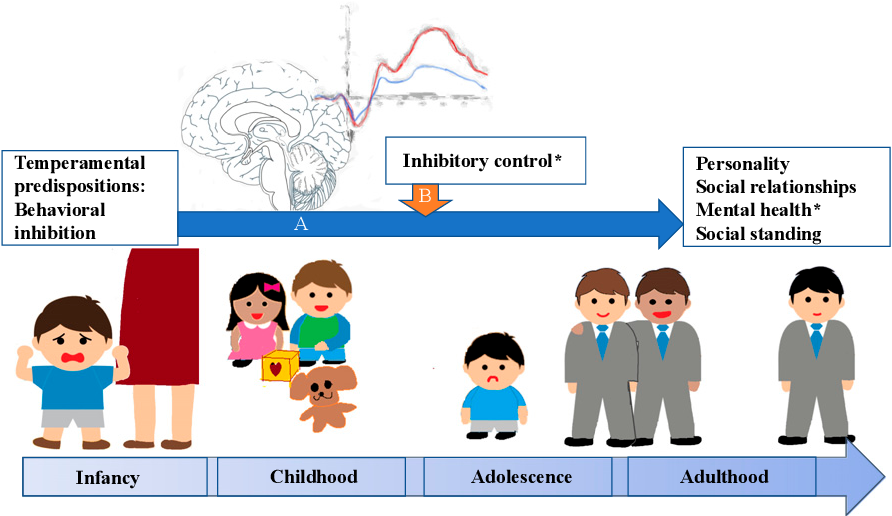
Behavioral inhibition (BI) is formally identified as a stable, early-emerging temperamental trait. Children exhibiting high BI may cling to parents in new environments, avoid eye contact, or take a long time to “warm up.” As individuals mature, these tendencies can evolve into social anxiety, perfectionism, reluctance to take risks, or an aversion to public speaking. In a professional context, this translates into specific behaviors that directly impact branding efforts: a reluctance to network, hesitation in presenting innovative ideas, an avoidance of spotlight roles, or an overly conservative approach to market opportunities. It’s a fundamental aspect of an individual’s psychological makeup that subtly, yet significantly, steers their interactions and decisions.
Its Manifestation in Professional Settings
Within the professional landscape, behavioral inhibition can manifest in myriad ways that directly touch upon branding. For an aspiring entrepreneur, it might mean hesitating to launch a new venture or to passionately articulate their brand vision. For an established professional, it could translate into avoiding leadership roles that require high visibility or resisting necessary changes in personal branding. At an organizational level, a culture influenced by collective inhibition might stifle innovation, lead to overly cautious marketing campaigns, or create a corporate identity perceived as risk-averse and slow to adapt. Recognizing these manifestations is the first step toward strategically navigating and leveraging them for stronger brand outcomes.
Behavioral Inhibition and Personal Branding
The journey of building a personal brand is inherently one of visibility, communication, and self-promotion. For individuals with high behavioral inhibition, this path presents unique challenges. The very acts required to establish a strong personal brand—networking, public speaking, content creation, and asserting one’s expertise—can trigger discomfort or anxiety. Yet, authenticity and connection are cornerstones of compelling personal brands, necessitating a careful understanding of how to manage and overcome these innate tendencies.
The Self-Promotion Paradox
For many with behavioral inhibition, the idea of “self-promotion” feels inherently unnatural, even boastful. This creates a paradox: to build a visible personal brand, one must actively communicate their value, skills, and unique perspective, yet inhibition can create a strong internal resistance to doing so. This can lead to missed opportunities, a muted professional presence, and a struggle to stand out in a competitive landscape. The fear of judgment, criticism, or simply being “too much” can prevent individuals from sharing their insights, engaging with their audience, or stepping into leadership roles that demand visibility.
Overcoming Inhibitions for Authentic Presence
Overcoming behavioral inhibition in personal branding is not about becoming someone you’re not, but about finding authentic ways to express your unique value. It involves a strategic and gradual approach to comfort zones. For instance, rather than immediately aiming for large public speaking engagements, an individual might start by contributing to smaller online discussions, then participating in virtual panels, before progressing to in-person events. The key is to build confidence incrementally, focusing on the value you provide rather than the performance aspect. Developing a strong sense of purpose for your brand can also act as a powerful motivator, shifting focus from internal discomfort to external impact.
Strategies for Building a Confident Personal Brand
To build a robust personal brand despite behavioral inhibition, consider adopting several key strategies. First, leverage digital platforms where you can carefully craft your message and engage at your own pace. Blogging, thoughtful social media commentary, or creating pre-recorded video content can be less intimidating than live interactions. Second, find your niche where your expertise genuinely shines, allowing your passion to override your inhibition. When you’re deeply knowledgeable and passionate about a topic, the discomfort of sharing can lessen. Third, seek out supportive communities and mentors who understand the challenges and can provide constructive feedback and encouragement. Finally, practice gradual exposure. Systematically confronting situations that trigger inhibition, starting with low-stakes scenarios, helps to desensitize the fear response and build resilience, ultimately strengthening your ability to confidently embody your personal brand.
Corporate Identity and Strategic Risk
Behavioral inhibition is not exclusive to individuals; it can profoundly influence the collective behavior of organizations, shaping their corporate identity, appetite for innovation, and strategic risk-taking. A brand’s personality, its perceived trustworthiness, and its willingness to lead or follow are all subject to the underlying behavioral tendencies of its leadership and culture.
Risk Aversion in Brand Innovation
Innovation is often a cornerstone of a thriving brand, yet it inherently involves risk. Companies where behavioral inhibition is prevalent, either in key decision-makers or embedded within the organizational culture, may exhibit a strong aversion to embracing novel ideas or disruptive technologies. This can manifest as a preference for incremental improvements over revolutionary changes, a reluctance to enter unproven markets, or an unwillingness to invest significantly in untested marketing campaigns. The fear of failure, financial loss, or reputational damage can overshadow the potential for growth and market leadership, ultimately leading to a conservative, slow-to-adapt brand identity that struggles to compete in dynamic environments.
Impact on Organizational Culture and Leadership
The temperament of leadership significantly colors an organization’s culture and, by extension, its corporate identity. Leaders high in behavioral inhibition might foster a culture of caution, discouraging experimentation or bold initiatives. This can stifle creativity, reduce employee engagement, and lead to an internal perception that the company is resistant to change. Conversely, recognizing and addressing collective inhibition can empower leaders to create environments where calculated risks are encouraged, failures are seen as learning opportunities, and proactive engagement with market shifts becomes a cultural norm. A brand’s ability to be agile, resilient, and forward-thinking is deeply tied to its leaders’ capacity to navigate and transcend inhibitive tendencies.
Fostering a Proactive Brand Ethos
To cultivate a proactive and innovative brand ethos, organizations must consciously counteract the gravitational pull of behavioral inhibition. This involves:
- Encouraging psychological safety: Creating an environment where employees feel secure enough to propose unconventional ideas without fear of harsh criticism.
- Implementing structured experimentation: Developing frameworks for testing new initiatives on a small scale, allowing for learning without significant risk.
- Promoting diverse perspectives: Ensuring that decision-making bodies include individuals with varying risk appetites and problem-solving approaches to avoid “groupthink.”
- Celebrating intelligent failures: Publicly acknowledging and learning from initiatives that didn’t succeed as expected, reframing them as valuable lessons rather than outright defeats.
- Developing bold leadership: Leaders who are aware of their own inhibitions and actively work to push boundaries, inspiring their teams to do the same, can shift the entire organizational mindset.
By strategically addressing behavioral inhibition, companies can move beyond a reactive stance to proactively shape their market, redefine their industry, and solidify a powerful, resilient corporate identity.
Marketing and Consumer Psychology
Behavioral inhibition isn’t just an internal organizational challenge; it’s a critical factor in understanding consumer behavior and designing effective marketing strategies. Consumers, like individuals and organizations, vary in their openness to novelty, their willingness to try new products, and their comfort with change. Effective marketing acknowledges these variations and crafts messages that either resonate with cautious tendencies or gently encourage movement beyond them.
Understanding Consumer Reluctance
For a segment of the market, particularly those high in behavioral inhibition, new products, services, or brands represent an unknown—a potential threat or source of discomfort. This can lead to consumer reluctance, where even compelling offerings are met with hesitation, skepticism, or outright avoidance. Marketers must recognize that not all consumers are early adopters; a significant portion prefers established, familiar choices. This reluctance isn’t a flaw in the product but a psychological barrier that needs to be understood and strategically addressed. It informs purchasing patterns, brand loyalty, and resistance to change.
Crafting Messages for Hesitant Audiences
Marketing to an audience that exhibits behavioral inhibition requires a nuanced approach. Instead of solely focusing on novelty or disruption, campaigns should emphasize:
- Trust and Reliability: Highlighting established credibility, consistent quality, and positive social proof (testimonials, reviews) can mitigate fear of the unknown.
- Safety and Security: For new technologies or services, emphasizing data privacy, ease of use, and comprehensive support can alleviate anxiety.
- Familiarity and Bridge-Building: Framing new offerings as extensions of familiar concepts or gradual improvements rather than radical departures can ease the transition.
- Clear, Concise Communication: Overwhelming information can trigger anxiety. Simple, direct messaging that highlights core benefits and reduces cognitive load is more effective.
- Benefit-Oriented Storytelling: Rather than just listing features, illustrating how the product or service solves a problem and improves daily life in a safe, predictable way can resonate more deeply.
By designing marketing messages that acknowledge and gently address consumer inhibition, brands can broaden their appeal, build stronger relationships, and convert a wider segment of the market.
Design and the User Experience
The principles of behavioral inhibition extend into the tangible and digital products we interact with daily. User experience (UX) and design choices can either exacerbate or alleviate the anxiety that comes with novelty, playing a crucial role in a brand’s accessibility and perceived user-friendliness. A brand committed to user comfort must consider how its design choices impact those prone to cautious engagement.
Designing for Comfort and Clarity
For products and digital interfaces, thoughtful design can significantly reduce inhibitive responses. This means creating intuitive layouts, using clear and consistent navigation, and providing helpful cues and feedback. A well-designed onboarding process, for instance, can gently introduce users to new functionalities, preventing the overwhelm that might cause them to abandon the product entirely. Brands that prioritize user comfort and minimize friction in their design effectively lower the barrier to engagement, making their offerings more appealing to a broader audience, including those who are naturally more hesitant.

Mitigating User Anxiety in Digital Spaces
In the digital realm, anxiety can arise from complex interfaces, confusing jargon, or fear of making irreversible mistakes. Brands can mitigate this by:
- Providing clear instructions and tooltips: Guiding users step-by-step through processes.
- Offering undo functions and confirmation dialogues: Reassuring users that errors can be corrected.
- Using familiar iconography and design patterns: Leveraging existing mental models to reduce the learning curve.
- Ensuring responsive and predictable behavior: Creating a sense of control and reliability within the digital environment.
Ultimately, by understanding and proactively addressing behavioral inhibition across personal, corporate, marketing, and design contexts, brands can build deeper trust, foster stronger engagement, and unlock new avenues for growth and innovation.
aViewFromTheCave is a participant in the Amazon Services LLC Associates Program, an affiliate advertising program designed to provide a means for sites to earn advertising fees by advertising and linking to Amazon.com. Amazon, the Amazon logo, AmazonSupply, and the AmazonSupply logo are trademarks of Amazon.com, Inc. or its affiliates. As an Amazon Associate we earn affiliate commissions from qualifying purchases.