
An Associate ID is a unique identifier assigned to an individual, entity, or account within a structured program designed to track specific actions or contributions. In the realm of business and finance, it serves as a critical mechanism for attributing sales, leads, referrals, or other valuable customer interactions to their original source, enabling accurate commission payouts, reward distribution, and performance analysis. This identifier is the backbone of numerous online income models, including affiliate marketing, referral programs, and various partner ecosystems, directly impacting how individuals earn income and how businesses scale their customer acquisition efforts.
The Core Function of an Associate ID in Modern Business
At its heart, an Associate ID is an attribution tool. Without it, tracking who brought a new customer, closed a sale, or generated a lead would be an administrative nightmare, if not impossible, especially in digital environments. Its function is far more sophisticated than a simple employee number; it’s a dynamic key linking a specific promoter to a quantifiable financial outcome.

Tracking and Attribution: The Engine of Commission
The primary role of an Associate ID is to ensure precise tracking. When an associate promotes a product, service, or business opportunity, they do so using a unique link or code embedded with their Associate ID. When a potential customer clicks this link, uses the code during checkout, or completes a specific action (like a sign-up or purchase), the Associate ID is registered. This digital footprint allows the system to correctly attribute the resulting transaction or lead to the initiating associate. This attribution is the foundational element for calculating commissions, bonuses, or other financial rewards, ensuring that compensation is directly tied to performance.
Differentiating Performance and Rewarding Contribution
Beyond mere tracking, Associate IDs provide businesses with invaluable data to differentiate the performance of their various partners. A company might have hundreds or thousands of affiliates, referrers, or channel partners. Each Associate ID acts as a distinct data point, allowing the business to analyze individual contribution levels, conversion rates, and the quality of traffic or leads generated. This granular insight enables businesses to identify top performers, understand what strategies are most effective, and allocate resources efficiently, ultimately leading to more optimized spending and increased return on investment for their marketing and sales efforts.
Beyond Sales: Leads, Sign-ups, and Engagement
While often associated with direct sales commissions, Associate IDs are versatile. They are used to track a broad spectrum of valuable actions that may not immediately result in a sale but contribute to the business’s bottom line or growth objectives. This can include tracking:
- Lead generation: Rewarding associates for bringing qualified potential customers.
- Email list sign-ups: Paying for new subscribers who opt into a marketing funnel.
- App downloads: Compensating for new user acquisition for software or mobile applications.
- Trial registrations: Incentivizing users to try a service for a limited period.
- Engagement metrics: In some cases, even paying for specific content views or interactions if the program is designed that way.
This flexibility allows businesses to design performance-based programs that align with various stages of their customer journey and compensate associates for a wider range of valuable contributions.
Types of Associate IDs and Their Applications
The concept of an Associate ID manifests in several popular business models, each with distinct applications and financial implications for participants and companies alike.
Affiliate Marketing Programs
Affiliate marketing is arguably the most common context for an Associate ID. In this model, an individual or business (the affiliate) promotes another company’s products or services.
- How they work: Affiliates are provided with a unique tracking link containing their Associate ID (often embedded as a parameter in a URL, e.g.,
product.com?ref=yourID). When a potential customer clicks this link, a cookie is typically placed on their browser, storing the Associate ID. If the customer makes a purchase within a defined cookie window, the sale is attributed to the affiliate, and they earn a commission. Some programs also use direct codes that customers input at checkout. - Benefits for publishers (affiliates) and merchants: Affiliates can earn passive income by leveraging their audience without needing to create their own products, handle inventory, or manage customer service. Merchants gain a performance-based marketing channel, paying only for successful sales or leads, making it a highly cost-effective customer acquisition strategy.
- Impact on online income: For many content creators, bloggers, influencers, and niche website owners, affiliate marketing, facilitated by Associate IDs, represents a significant, scalable source of online income.
Referral Programs
Referral programs leverage existing customer bases or enthusiastic advocates to bring in new business.
- Customer-to-customer referrals, B2B referrals: This often involves current customers referring friends, family, or business contacts. The Associate ID here might be a simple code shared by the referrer, or a unique link generated for them.
- Incentivizing word-of-mouth: Companies use referral programs to formalize and reward the powerful effect of word-of-mouth marketing.
- Tracking for rewards (discounts, credits, cash): When the referred party makes a purchase or signs up, both the referrer and the referred often receive a benefit. This could be a cash payout, a discount on future purchases, store credit, or exclusive access to features. The Associate ID ensures that the correct individuals receive their due rewards, directly impacting personal finance or business savings.
Partner Programs
Broader in scope than affiliate or referral programs, partner programs encompass strategic alliances, channel partners, and resellers.
- Strategic alliances, channel partners, resellers: These are often B2B relationships where partners integrate a company’s product, resell its services, or co-market solutions. Examples include software vendors with integration partners, or hardware manufacturers with resellers.
- Tracking shared revenue, joint ventures: Associate IDs (or partner IDs in this context) are crucial for tracking shared revenue from co-selling efforts, attributing sales within a reseller network, or monitoring the financial success of joint marketing campaigns.
- Financial implications for businesses: For businesses involved, these IDs ensure accurate revenue sharing, commission payments, and performance monitoring, which are vital for maintaining profitable and transparent partnerships.
Setting Up and Managing Your Associate ID (For the Associate)
For anyone looking to generate income through these programs, understanding how to acquire and manage an Associate ID is fundamental.
Program Selection and Application
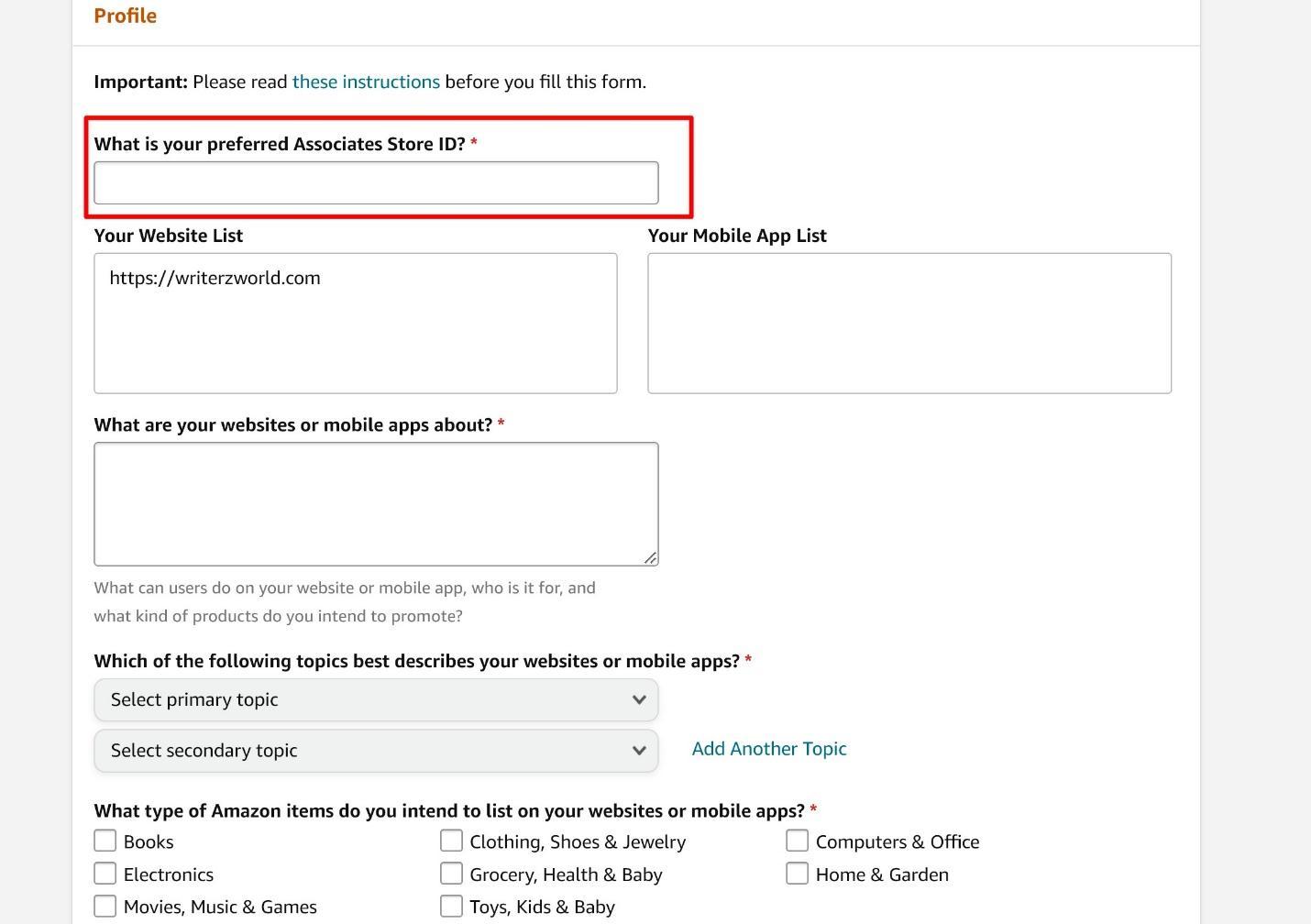
The first step is identifying programs relevant to your audience, niche, or business. Most companies with affiliate, referral, or partner programs have a dedicated section on their website. You’ll typically need to apply, providing details about yourself or your business, how you plan to promote their offerings, and sometimes demonstrating your audience reach or expertise. Once approved, you’ll be assigned your unique Associate ID.
Understanding Your Unique Identifier
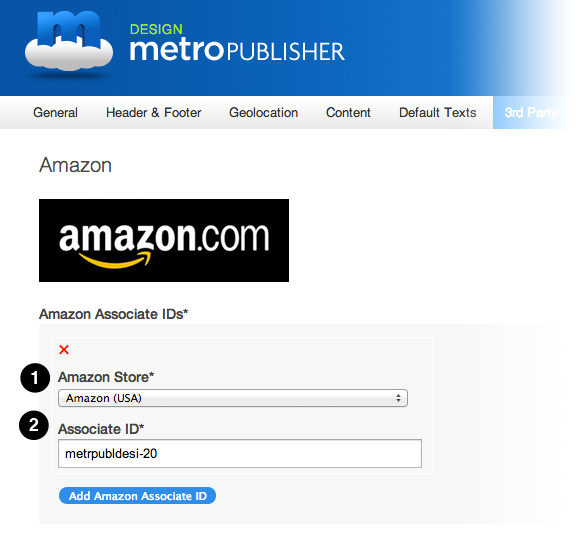
Your Associate ID is typically an alphanumeric string, either integrated into a tracking link or provided as a standalone code. It’s imperative to use the correct ID every time you promote. Misusing or misplacing your ID can result in lost commissions, as the system won’t be able to attribute sales to you. Familiarize yourself with how your chosen program’s ID works – whether it’s embedded in every link you generate from their dashboard, or if you need to manually add it to certain URLs.
Integrating IDs into Your Content and Marketing
Effectively using your Associate ID means strategically placing your unique links or codes within your content. This could involve:
- Blog posts: Recommending products with embedded affiliate links.
- Social media: Sharing product reviews or recommendations with your unique referral link.
- Email newsletters: Promoting special offers to your subscribers.
- Websites/Apps: Integrating partner links or banners.
- Direct referrals: Sharing your referral code verbally or digitally with contacts.
The key is to integrate naturally and genuinely, aligning with the value you provide to your audience.
Monitoring Performance and Earnings
Most programs provide a dashboard where associates can log in to monitor their performance. This dashboard typically shows:
- Clicks: How many times your links have been clicked.
- Conversions: The number of sales, leads, or sign-ups attributed to your ID.
- Earnings: Your accumulated commissions or rewards.
- Payout schedule: When and how you will receive your payments.
Regularly checking this dashboard is crucial for understanding what’s working, optimizing your strategies, and tracking your income.
The Financial Impact and Strategic Value for Businesses
For businesses, Associate IDs are more than just tracking mechanisms; they are strategic tools for growth, efficiency, and market penetration, directly impacting their financial health and competitive advantage.
Cost-Effective Customer Acquisition
Paying associates only for successful outcomes (sales, leads, etc.) dramatically reduces marketing risk. Unlike traditional advertising where costs are incurred regardless of results, associate programs are performance-based. This “pay-per-performance” model makes customer acquisition highly cost-effective, especially for businesses with limited marketing budgets or those seeking to scale rapidly.
Scalable Growth and Market Penetration
Associate programs allow businesses to tap into vast, diverse audiences without building direct sales teams for every segment. Associates, with their niche expertise and existing audience trust, can reach markets that might be otherwise inaccessible or prohibitively expensive for a company to target directly. This enables scalable growth, as the business can effectively “outsource” portions of its marketing and sales efforts to a distributed network of promoters.
Performance-Based Payouts: Mitigating Risk
The financial structure of Associate ID-driven programs inherently mitigates risk. Companies don’t pay until a desired action is completed. This contrasts sharply with upfront advertising costs or fixed salaries for sales personnel. This financial model allows for greater predictability in marketing spend and ensures that every dollar paid out is directly tied to a tangible business outcome.
Data-Driven Insights for Optimization
The data collected through Associate IDs is invaluable. Businesses can analyze which types of associates (e.g., bloggers, influencers, referrers) perform best, which marketing channels yield the highest quality leads, and which promotional strategies resonate most with customers. These insights allow businesses to refine their offers, optimize their marketing spend, and continually improve the effectiveness of their associate programs, driving better financial results over time.
Best Practices for Maximizing Associate ID Potential
Whether you’re an individual leveraging an Associate ID for income or a business implementing an associate program, adhering to best practices is essential for long-term success and sustainability.
Transparency and Disclosure
For associates, ethical disclosure is paramount. Clearly inform your audience when you are using an affiliate or referral link. This builds trust and is often a legal requirement (e.g., FTC guidelines in the US). For businesses, transparent terms and conditions for your associate program are critical to attract and retain high-quality partners.
Content Quality and Value Proposition
Associates should prioritize creating high-quality, valuable content that genuinely helps their audience. Simply spamming links will rarely yield results. Focus on providing honest reviews, helpful tutorials, or insightful comparisons that naturally integrate the products or services you’re promoting. Businesses should ensure their products or services genuinely offer value, making it easier for associates to promote them authentically.
Compliance and Ethical Considerations
Both parties must adhere to legal and ethical standards. This includes understanding advertising regulations, data privacy laws, and the terms of service of the platforms used for promotion. Avoiding deceptive practices, false claims, or spammy tactics is crucial for maintaining reputation and avoiding penalties.
Continuous Optimization and Learning
The digital landscape is constantly evolving. Associates should continuously analyze their performance data, experiment with different promotional strategies, and adapt to audience feedback. Businesses should regularly review their program’s effectiveness, update commission structures as needed, and provide ongoing support and resources to their associates to ensure a mutually beneficial and profitable partnership.
aViewFromTheCave is a participant in the Amazon Services LLC Associates Program, an affiliate advertising program designed to provide a means for sites to earn advertising fees by advertising and linking to Amazon.com. Amazon, the Amazon logo, AmazonSupply, and the AmazonSupply logo are trademarks of Amazon.com, Inc. or its affiliates. As an Amazon Associate we earn affiliate commissions from qualifying purchases.