
In the relentless march of technological progress, while much of the focus often lands on groundbreaking software, artificial intelligence, and the latest digital gadgets, the foundational materials that enable these innovations frequently go unnoticed. Yet, without advancements and precise control over material properties, many of the sophisticated devices and robust infrastructures that define our modern world would simply not exist. Annealed steel, a product of a meticulously controlled thermal process, stands as one such unsung hero, playing a pivotal role in delivering the performance, reliability, and precision demanded by today’s tech landscape.
The Fundamental Metallurgy Behind Modern Tech
At its core, annealing is a heat treatment process that alters the microstructure of a material, primarily metals, to modify its mechanical properties. For steel, a material ubiquitous in everything from structural frameworks to delicate electronic components, annealing is a critical step in preparing it for subsequent manufacturing processes or end-use applications. This seemingly simple thermal cycle underpins a vast array of technological capabilities, ensuring that components can be shaped, machined, and perform reliably under stress.
Defining Annealing: A Thermal Transformation
Annealing involves heating steel to a specific temperature, holding it at that temperature for a designated period (known as “soaking”), and then cooling it slowly, typically within the furnace itself or in an insulating medium. The precise temperature, soaking time, and cooling rate are contingent upon the type of steel and the desired final properties. This controlled heating and cooling cycle is designed to reverse the effects of previous processing, such as cold working, which can make the steel hard and brittle. By allowing the steel’s internal structure to reorganize, annealing significantly enhances its ductility and reduces its hardness.
The Microstructural Shift: Why It Matters
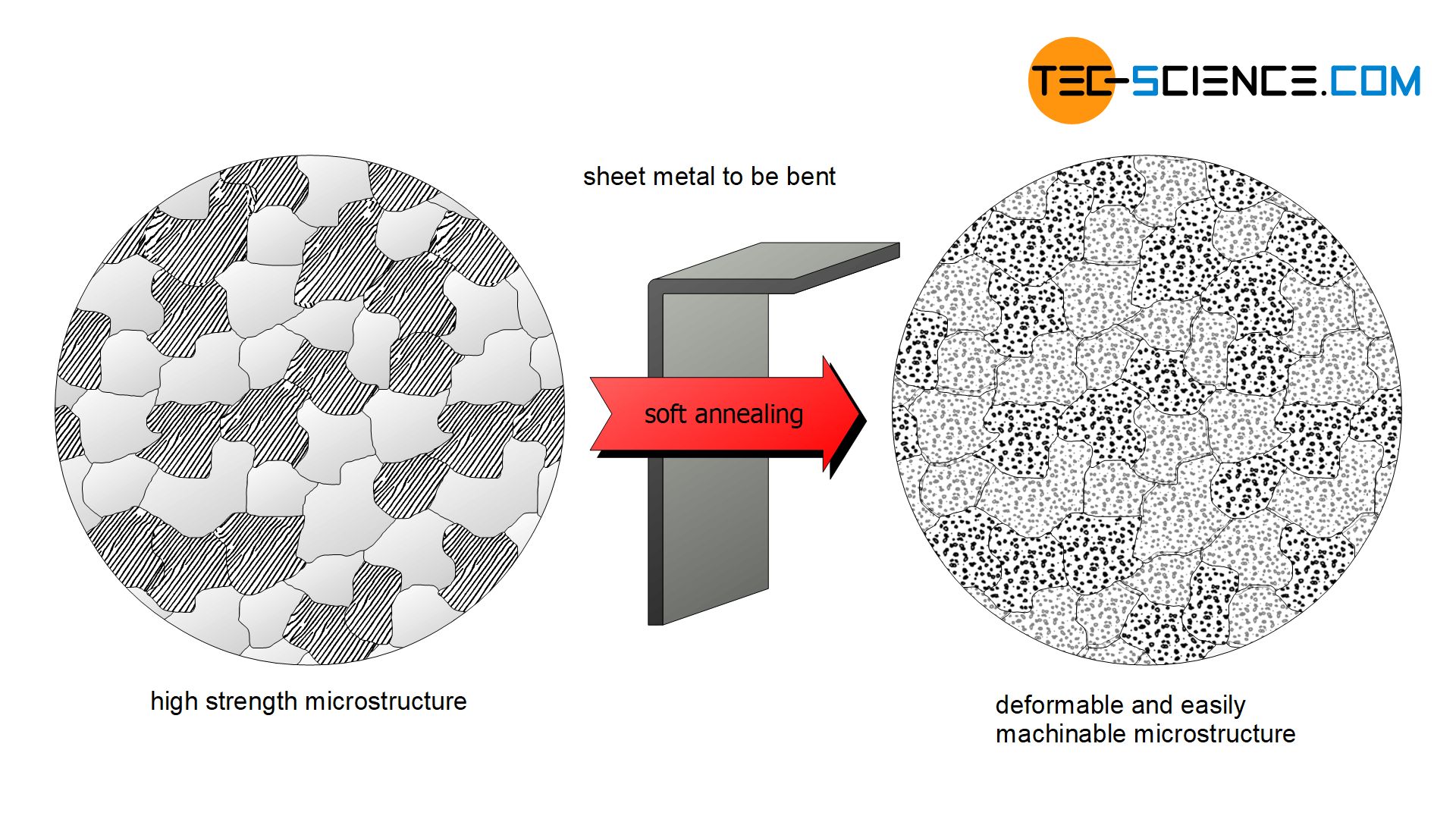
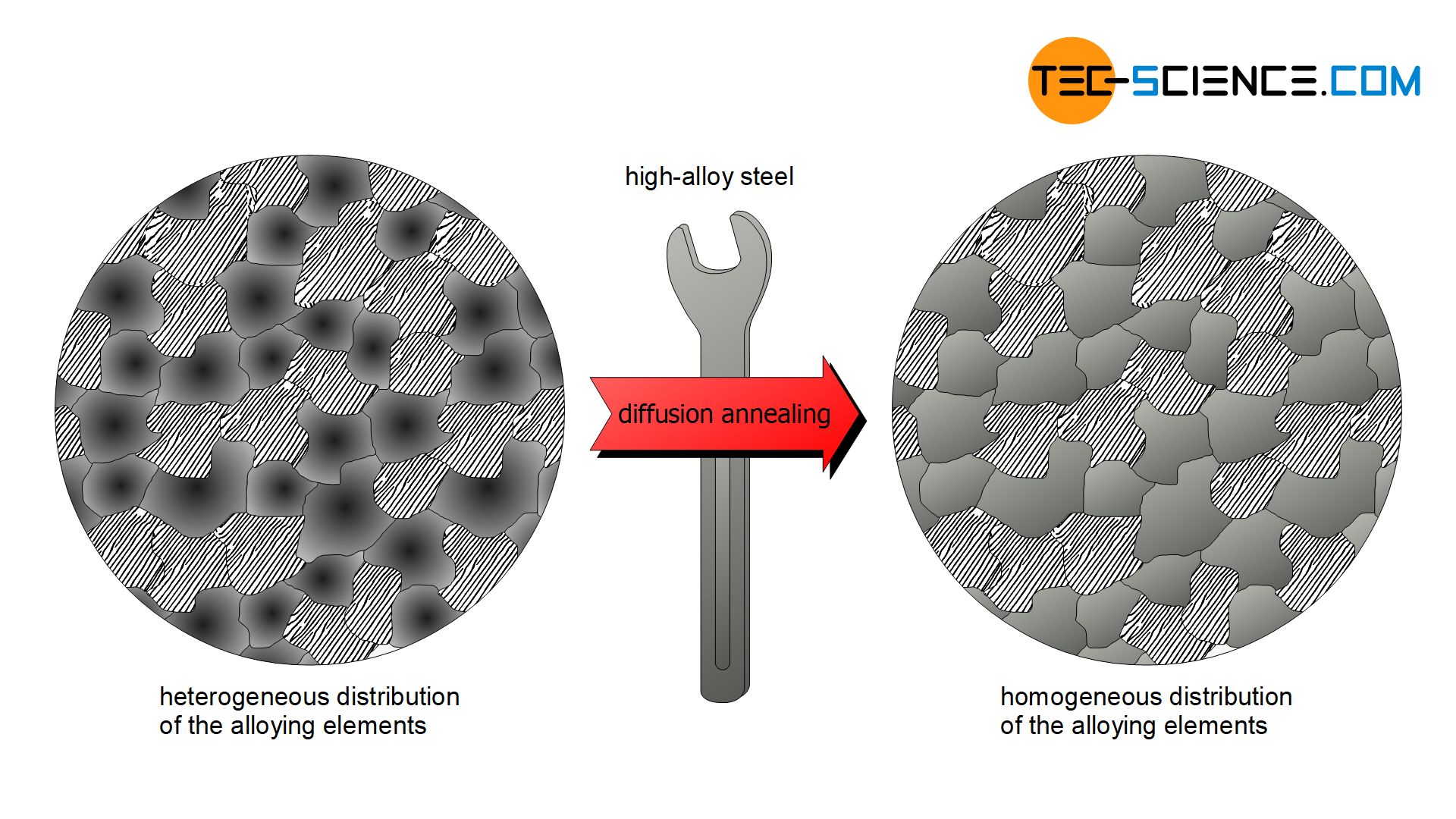
Steel, at a microscopic level, is composed of a crystalline structure. When steel is subjected to processes like rolling, forging, or drawing, these crystal grains become deformed and elongated, leading to increased strength and hardness but often at the cost of ductility. This internal stress makes the material prone to cracking during subsequent forming operations. Annealing provides the thermal energy necessary for the atoms within the steel to diffuse and rearrange themselves into a more stable, equiaxed (uniform in all directions) grain structure. This recrystallization process relieves internal stresses, homogenizes the material, and significantly improves its workability. For tech applications, where components often require intricate shapes, high precision, and robust performance under diverse conditions, this microstructural control is paramount.
Enhancing Performance: Why Tech Relies on Annealed Steel
The benefits conferred by annealing are directly translatable into improved performance and manufacturability for a wide range of technological applications. The process effectively tailors steel’s properties to meet the stringent demands of modern engineering.
Improved Ductility and Formability
Many technological devices, from the chassis of a smartphone to the casing of a server, require intricate shapes and precise dimensions. Manufacturing these often involves extensive bending, stamping, or deep drawing processes. Hard, brittle steel would crack or fracture under such stress. Annealing dramatically increases steel’s ductility—its ability to deform plastically without fracturing—making it far more amenable to these forming operations. This enables designers and engineers to create complex geometries and thin-walled components that are essential for miniaturization and ergonomic design in consumer electronics and specialized machinery.
Stress Relief and Stability
Internal stresses can build up in steel during manufacturing processes, particularly during welding, machining, or rapid cooling. These residual stresses can lead to dimensional instability, warping, or even premature failure of components, especially under varying thermal or mechanical loads. Annealing acts as a stress-relief mechanism, allowing the steel to relax and assume a more stable configuration. This is crucial for components requiring high dimensional accuracy and long-term stability, such as precision gears in robotics, optical mounting hardware, or structural elements in satellite components where thermal expansion and contraction must be meticulously controlled.
Enhanced Machinability and Tool Life
Machining operations, from drilling to milling, are fundamental in creating high-precision parts for virtually every tech product. Hard steel is notoriously difficult to machine, leading to excessive tool wear, slower production rates, and poorer surface finishes. Annealed steel, being softer and more uniform, is significantly easier to cut, drill, and shape. This translates directly into faster machining times, reduced costs associated with tool replacement, and superior surface quality. For industries manufacturing components for medical devices, aerospace instruments, or semiconductor equipment, where tolerances are measured in microns and material integrity is non-negotiable, the machinability afforded by annealing is a critical enabler.
Applications Across the Tech Landscape
The impact of annealed steel stretches far beyond basic industrial applications, permeating the very fabric of advanced technology. Its versatility makes it indispensable across diverse sectors.
Electronics and Precision Components
In the realm of electronics, where miniaturization and performance are paramount, annealed steel finds its place in various precision components. From the tiny springs and connectors within switches and relays to the magnetic shielding in sensitive instrumentation, its enhanced formability allows for the creation of intricate, reliable parts. For instance, the casings and internal structures of hard drives, which demand exceptional dimensional stability and vibration dampening, often utilize annealed steel. The electrical steel used in transformers and motors also undergoes specific annealing processes to optimize its magnetic properties, crucial for energy efficiency in everything from power grids to electric vehicles.
Automotive and Aerospace Innovations
Modern automotive and aerospace industries are at the forefront of technological innovation, pushing boundaries in materials science for lighter, stronger, and more efficient vehicles. Annealed steel is fundamental in producing various automotive components, including body panels (for improved crashworthiness and formability), engine parts (for reduced internal stresses and better wear resistance), and transmission components (for durability and precision). In aerospace, while often complemented by specialized alloys, steel components that require high formability or specific magnetic properties still rely on annealing. For example, parts for landing gear mechanisms or certain engine sub-components benefit from the stress relief and enhanced ductility that annealing provides, contributing to the safety and longevity of complex systems.
Infrastructure and Data Centers
The digital economy runs on vast networks of data centers and sophisticated infrastructure. These critical facilities rely on robust and stable physical foundations. Annealed structural steel is used in building frames, supporting heavy server racks and cooling systems, ensuring long-term stability and resilience against seismic activity or other environmental stresses. Furthermore, the conduit and cabling systems that carry power and data often incorporate steel components that have been annealed for ease of installation and durability. Even specialized tools and machinery used for fabricating and maintaining these infrastructures benefit from steel that has been processed to maximize its operational life and performance.
The Annealing Process: From Furnace to Function
Understanding the specific methodologies of annealing provides insight into the precision required to tailor steel for its diverse technological roles. It’s not a one-size-fits-all process, but rather a family of treatments.
Stages of Annealing: Heating, Soaking, Cooling
Regardless of the specific type, all annealing processes follow a general three-stage sequence:
- Heating: The steel is slowly raised to a temperature typically above its recrystallization temperature, or for some types, into the austenite phase. The rate of heating is controlled to prevent thermal shock or uneven temperature distribution.
- Soaking: The steel is held at the elevated temperature for a sufficient duration, allowing for atomic diffusion, recrystallization, and phase transformations to occur uniformly throughout the material. The soaking time depends on the steel’s composition, size, and the desired microstructural changes.
- Cooling: This is the most critical stage for dictating the final properties. Cooling is performed very slowly, often by simply turning off the furnace and letting the steel cool with it. Slow cooling allows the atoms to re-form into a soft, ductile, and stable microstructure, preventing the formation of hard, brittle phases.
Types of Annealing: Full, Process, Spheroidize, Isothermal
Different applications demand varying degrees of softness, ductility, or specific microstructures, leading to several specialized annealing techniques:
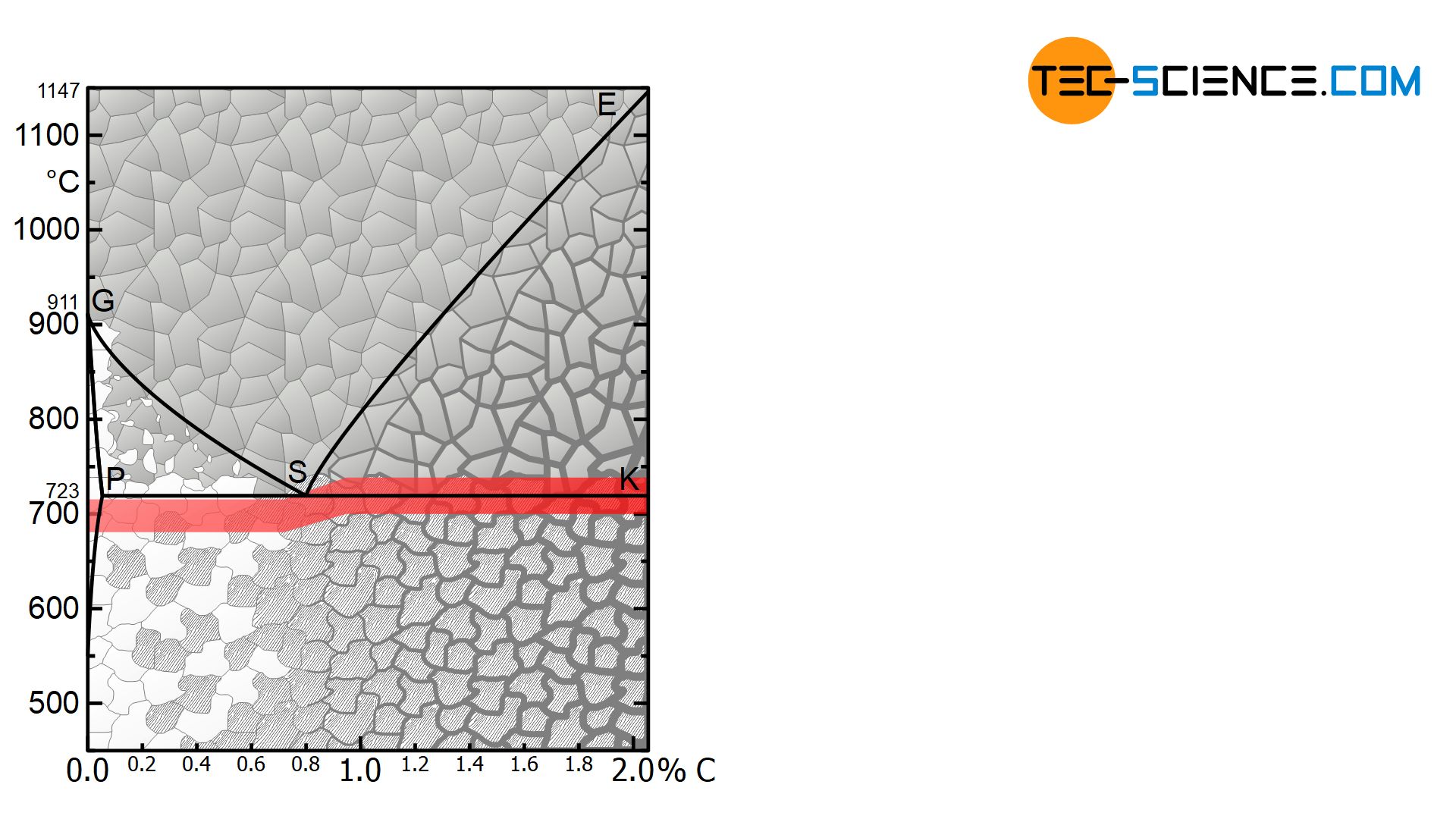
- Full Annealing: This is the most common type, aimed at achieving maximum softness and ductility. Steel is heated above the upper critical temperature, held, and then cooled very slowly in the furnace. It results in a coarse pearlite structure that is highly machinable and formable.
- Process Annealing (or Intermediate Annealing): Used primarily to relieve the effects of cold working between successive forming operations. The steel is heated to a temperature below the lower critical temperature, held, and then air-cooled. It restores ductility without significantly altering the grain structure.
- Spheroidize Annealing: Applied to high-carbon steels to improve machinability. The steel is heated to just below the lower critical temperature for an extended period, causing the lamellar (plate-like) cementite in the microstructure to transform into spherical particles (spheroids). This greatly reduces hardness and improves ductility for machining.
- Isothermal Annealing: This involves heating to the austenitizing temperature, rapidly cooling to an intermediate temperature below the lower critical temperature, and holding it there until the transformation is complete, followed by air cooling. It offers better control over the final microstructure and can reduce processing time compared to full annealing.
Each of these variants serves a specific purpose, demonstrating the precision with which materials engineers fine-tune steel’s properties to meet the exact requirements of a given technological component or application.
Future of Materials and Sustainable Tech
As technology continues to advance, the demand for materials with increasingly tailored properties will only grow. The drive towards lighter, stronger, more energy-efficient, and sustainable tech solutions places an even greater emphasis on fundamental material processes like annealing. Innovations in annealing techniques, such as continuous annealing lines that integrate more advanced control systems and energy-efficient furnaces, are contributing to more streamlined and environmentally friendly manufacturing. Furthermore, research into new steel alloys designed for specific high-tech applications—from advanced robotics to renewable energy infrastructure—will continue to rely on precise thermal treatments to unlock their full potential. Annealed steel, therefore, is not just a material of the past or present, but a crucial enabler for the technological future.
aViewFromTheCave is a participant in the Amazon Services LLC Associates Program, an affiliate advertising program designed to provide a means for sites to earn advertising fees by advertising and linking to Amazon.com. Amazon, the Amazon logo, AmazonSupply, and the AmazonSupply logo are trademarks of Amazon.com, Inc. or its affiliates. As an Amazon Associate we earn affiliate commissions from qualifying purchases.