
The Armed Forces Qualification Test (AFQT) serves as a pivotal assessment for individuals contemplating a career in the U.S. military. While often perceived merely as a hurdle to enlistment, a deeper analysis reveals the AFQT as a crucial gateway to specific career paths within the armed forces, each with distinct and significant financial implications. Understanding the AFQT is not just about meeting a minimum requirement; it’s about strategically positioning oneself for optimal financial security, career growth, and long-term wealth accumulation through military service. From immediate enlistment bonuses to the quality of life, educational opportunities, and retirement benefits, an individual’s AFQT score can directly influence their financial trajectory both during and after their military tenure.

Understanding the AFQT: A Gateway to Financial Security and Career Development
The AFQT is a standardized test that evaluates an applicant’s aptitude across several key areas, ultimately determining their eligibility for military service and, more importantly, the range of available occupational specialties. It is derived from a subset of scores obtained from the larger Armed Services Vocational Aptitude Battery (ASVAB). Far from being a simple pass/fail examination, the AFQT provides a granular look at an individual’s cognitive abilities, which directly correlates with the complexity and demand of various military roles—roles that inherently come with varying levels of pay, bonuses, and opportunities for advancement.
What the AFQT Measures and Why It Matters for Your Future Earnings
The AFQT is computed from four specific sections of the ASVAB: Arithmetic Reasoning (AR), Word Knowledge (WK), Paragraph Comprehension (PC), and Mathematics Knowledge (MK). These sections collectively assess an individual’s verbal and mathematical capabilities. A higher score signifies stronger foundational academic skills, which in turn broadens the spectrum of military occupations (MOS) one can qualify for.
For aspiring service members, this directly translates into potential earnings. Highly technical or specialized military jobs often require higher AFQT scores. These roles, such as those in IT, intelligence, engineering, or medical fields, frequently come with higher enlistment bonuses, increased opportunities for specialized training (which itself has civilian market value), and faster promotion potential. Promotions directly impact base pay, which is a significant component of an individual’s overall financial package. Therefore, a robust AFQT score can unlock access to career paths that offer not only better starting salaries but also a more rapid ascent up the military pay scale, culminating in greater financial prosperity over a career.
The Structure of the ASVAB and Its Impact on AFQT Score
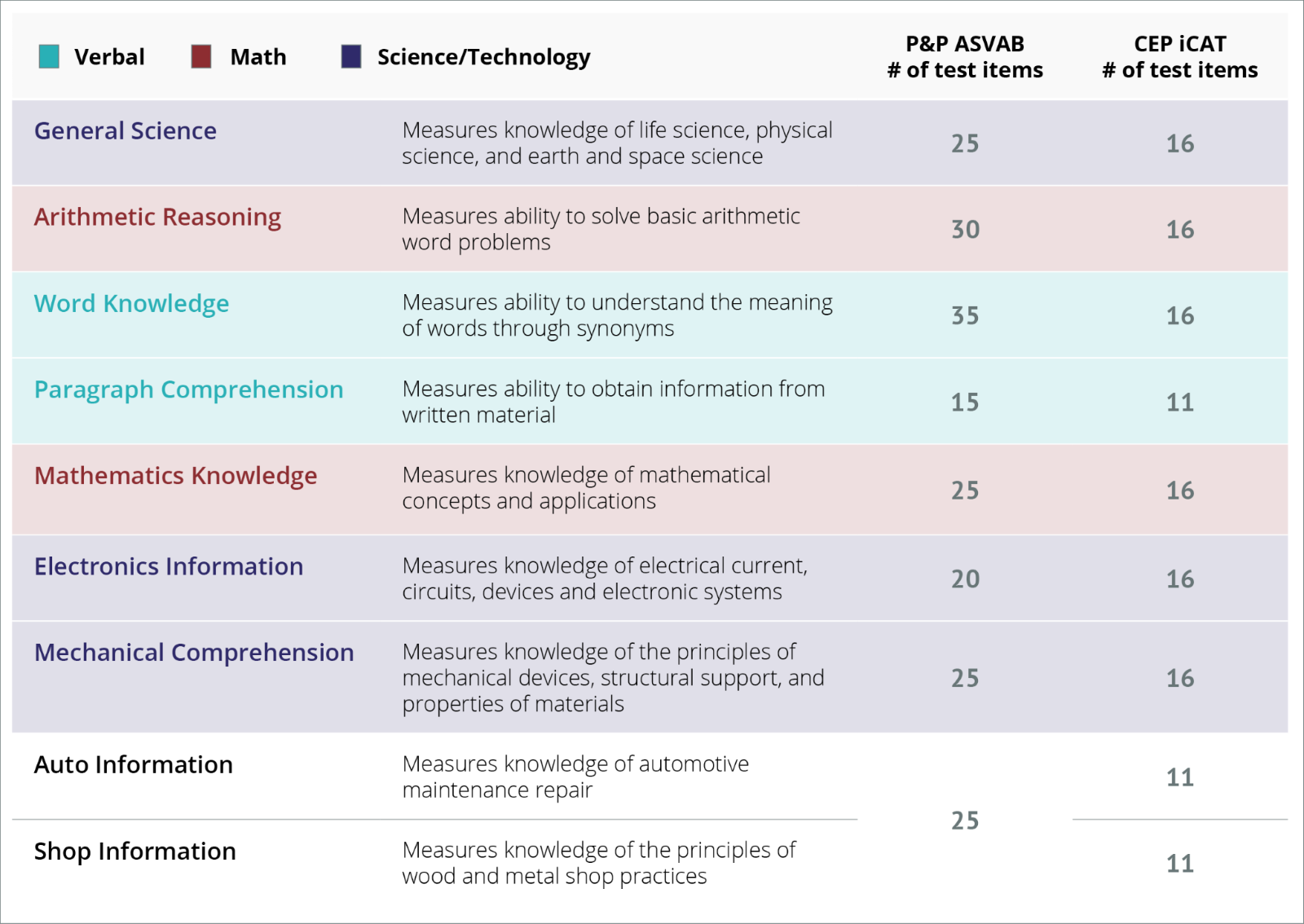
The ASVAB is a comprehensive multi-aptitude test comprising ten individual subtests: General Science (GS), Arithmetic Reasoning (AR), Word Knowledge (WK), Paragraph Comprehension (PC), Numerical Operations (NO), Coding Speed (CS), Auto and Shop Information (AS), Mathematics Knowledge (MK), Mechanical Comprehension (MC), and Electronic Information (EI). The AFQT score specifically relies on the AR, WK, PC, and MK sections.
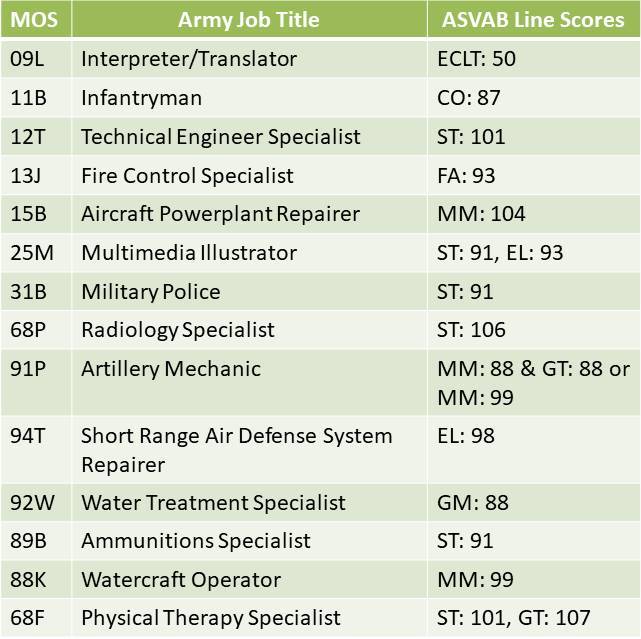
Each of these subtests contributes to various line scores that qualify individuals for different MOS. For instance, a high score in Electronic Information (EI) and General Science (GS) might qualify someone for an electronics technician role, while strong scores in Arithmetic Reasoning (AR) and Mathematics Knowledge (MK) are crucial for roles in finance or logistics. While the AFQT determines overall eligibility, the individual ASVAB subtest scores determine the specific military job opportunities. It’s paramount to perform well across the board to maximize financial flexibility, as some of the most sought-after and financially rewarding MOS require strong performance in multiple areas beyond just the core AFQT components. This intricate relationship means that strategic preparation for the entire ASVAB ultimately serves to bolster one’s financial outlook in the military.
AFQT Scores and Their Financial Ramifications
The numerical outcome of an individual’s AFQT test carries profound financial weight, influencing everything from the initial ability to enlist to the long-term earning potential and the array of benefits accessible throughout and beyond military service. It’s a key determinant in how financially rewarding a military career can be.
Qualifying for Service: Minimum Scores and Enlistment Bonuses
The most immediate financial impact of the AFQT is its role in determining enlistment eligibility. Each branch of the U.S. military—Army, Navy, Air Force, Marine Corps, and Coast Guard—sets minimum AFQT scores for entry, which can fluctuate based on recruiting needs. Generally, a higher AFQT score signifies a more desirable recruit, often translating into greater negotiating power or access to incentives.
Crucially, higher AFQT scores are often a prerequisite for receiving substantial enlistment bonuses. These bonuses, which can range from a few thousand to tens of thousands of dollars, are direct financial infusions designed to attract top talent into critical or hard-to-fill specialties. For example, a candidate scoring in the 90th percentile on the AFQT might qualify for a bonus that is unavailable to someone scoring at the minimum 31st percentile. This initial lump sum can serve as significant seed money for investments, debt reduction, or starting a savings fund, setting a positive financial precedent from the very beginning of a military career.
Job Selection and Earning Potential: Linking AFQT to MOS Pay Grades
Beyond initial bonuses, an individual’s AFQT score dictates the breadth of Military Occupational Specialties (MOS) or Air Force Specialty Codes (AFSC) for which they qualify. Jobs requiring higher cognitive abilities, often those demanding specialized training in fields like cybersecurity, medical technology, or aviation, typically correspond to higher entry pay grades, faster promotion tracks, and specialized skill premiums.
A person with a high AFQT score has the luxury of choosing from a wider array of MOS, including those that are highly technical and transferrable to lucrative civilian careers. These roles often come with a higher potential for promotion and specialty pay, such as hazardous duty pay, flight pay, or diving pay, significantly increasing the monthly income beyond base pay. Conversely, individuals with lower AFQT scores may be limited to a narrower selection of less specialized roles, which, while vital to the military, may offer fewer opportunities for rapid promotion or additional incentive pays, thereby impacting their overall earning potential. This direct linkage makes the AFQT score a powerful predictor of one’s financial ceiling within the military structure.
Beyond Basic Pay: Allowances, Benefits, and Long-Term Wealth
The financial benefits of military service extend far beyond base pay and enlistment bonuses, with many of these benefits indirectly influenced by one’s AFQT-driven career path. Allowances for housing (Basic Allowance for Housing – BAH), subsistence (Basic Allowance for Subsistence – BAS), and uniforms supplement basic income, reducing living expenses significantly. Higher-ranking positions, often achieved through strong performance in demanding roles requiring higher AFQT scores, naturally lead to higher allowances.
Moreover, the long-term financial advantages are substantial. The Thrift Savings Plan (TSP), similar to a civilian 401(k), offers a robust retirement savings vehicle with employer matching. Access to comprehensive healthcare through TRICARE reduces out-of-pocket medical costs dramatically for service members and their families. Upon separation or retirement, veterans gain access to a host of benefits, including VA home loans, which often require no down payment and have competitive interest rates, and preference in federal employment. The AFQT, by opening doors to more financially rewarding military careers, indirectly enhances access to these benefits by facilitating longer, more successful service terms, ultimately contributing to a solid foundation for long-term wealth building and financial independence.
Maximizing Your AFQT Score for Optimal Financial Outcomes
Recognizing the profound financial implications of the AFQT, it becomes clear that strategic preparation is not merely about passing a test, but about making a calculated investment in one’s future financial well-being. A higher score translates directly into more choices, better opportunities, and ultimately, greater financial rewards throughout a military career and beyond.
Preparation Strategies and Resources
Investing time and effort into preparing for the ASVAB, and consequently the AFQT, is akin to investing in a lucrative financial education. There is a wealth of resources available to help prospective recruits improve their scores.
- Study Guides and Practice Tests: Numerous official and unofficial study guides are available, often replicating the format and content of the actual ASVAB. Regularly taking practice tests helps identify areas of weakness and familiarizes candidates with the test structure, pacing, and question types. Many resources also provide detailed explanations for answers, fostering a deeper understanding of the concepts.
- Online Platforms and Apps: Dedicated online ASVAB preparation platforms offer interactive lessons, quizzes, and simulated tests. These digital tools can adapt to an individual’s learning pace and focus on specific subjects where improvement is needed.
- Academic Refresher: For individuals who have been out of school for some time, revisiting fundamental concepts in mathematics (arithmetic, algebra, geometry) and verbal reasoning (vocabulary, reading comprehension) can be highly beneficial. Many community colleges offer remedial courses, and online tutorials are abundant.
- Tutoring: For those struggling significantly or aiming for exceptionally high scores, personalized tutoring can provide targeted support and strategies to overcome specific challenges. While an upfront cost, the potential for increased enlistment bonuses and better job opportunities often makes this a worthwhile financial investment.
By dedicating oneself to comprehensive preparation, recruits can significantly enhance their chances of achieving a high AFQT score, thereby unlocking a wider range of financially appealing military careers and benefits.
Retesting and Improving Your Financial Trajectory
Should an initial AFQT score not meet expectations or limit access to desired MOS with better financial prospects, retesting is a viable option. While specific retesting policies vary by branch and situation, generally there is a waiting period (e.g., one month after the initial test, then a longer period for subsequent retests).
The decision to retest should be viewed as another strategic financial move. Improving an AFQT score can literally open doors to thousands of dollars in additional enlistment bonuses, enable qualification for higher-paying technical roles, or pave the way for faster promotions. For instance, moving from a 50th percentile AFQT score to a 75th percentile might unlock an MOS with a $10,000 bonus and a more direct path to an E-4 pay grade within a shorter timeframe. The financial uplift from such an improvement can be substantial over the course of a career. Therefore, if the initial score isn’t reflective of one’s full potential, or if higher-tier opportunities are desired, investing further time in preparation for a retest is a sound financial decision.
The Military Path: A Comprehensive Financial Strategy
Viewing military service through the lens of personal finance reveals it to be a comprehensive strategy for financial stability, wealth accumulation, and long-term security. The AFQT is the initial gatekeeper to this robust financial ecosystem, dictating access to many of its most valuable components.
Education Benefits (GI Bill) and Debt Avoidance
One of the most significant financial advantages of military service, often linked to successful completion of a service term, is access to the GI Bill. This program provides substantial financial assistance for education and training, covering tuition, housing allowances, and book stipends for colleges, vocational schools, and licensing programs. For many, this means the ability to pursue higher education without incurring crippling student loan debt—a major financial burden for many civilians.
By effectively eliminating or drastically reducing education costs, the GI Bill allows service members to exit the military with valuable skills or degrees, debt-free, ready to enter the civilian workforce or entrepreneurship with a significant financial head start. The financial return on this benefit alone can be hundreds of thousands of dollars saved and earned over a lifetime. The types of roles pursued in the military (influenced by AFQT) can also determine the relevance and transferability of skills, maximizing the utility of the GI Bill for post-service career advancement.
Retirement Planning and Healthcare Advantages
Military service offers a compelling retirement package that far surpasses many civilian counterparts. The Blended Retirement System (BRS) combines a traditional defined benefit pension with a Thrift Savings Plan (TSP) where the government provides matching contributions. This dual approach ensures both a steady income stream in retirement and a robust personal investment fund. A full career in the military can lead to a pension that provides financial security for life, significantly reducing the financial stress of retirement planning.
Furthermore, comprehensive healthcare for service members and their families through TRICARE is a massive financial benefit. The cost of private health insurance can be exorbitant, but TRICARE provides world-class medical care at minimal or no cost. This reduces one of the largest financial uncertainties for families, offering peace of mind and freeing up income that would otherwise be spent on premiums, deductibles, and co-pays. The long-term healthcare for life available to retired service members and their dependents further cements the military as a financially prudent career choice.
Transitioning to Civilian Life with Military Financial Acumen
The financial advantages of military service extend well into civilian life. Veterans often possess highly sought-after skills, leadership experience, and a strong work ethic, making them attractive candidates in the job market. Many corporations actively recruit veterans, recognizing the value of their experience and discipline. Military training, particularly in technical fields, often comes with certifications that are directly applicable and highly valued in civilian industries, facilitating a seamless transition into well-paying jobs.
Moreover, veterans have access to a network of support services, including job placement assistance, entrepreneurship programs, and specialized hiring preferences in federal employment. The VA loan program, offering home ownership with no down payment and competitive interest rates, is another powerful financial tool for veterans. The discipline in financial management and the comprehensive understanding of budgeting and saving cultivated during military service also equips individuals with a strong foundation for managing personal finances effectively throughout their civilian lives. In sum, the AFQT is the initial step in a journey that can provide a stable career, unparalleled benefits, and a robust financial launchpad for a successful future.
aViewFromTheCave is a participant in the Amazon Services LLC Associates Program, an affiliate advertising program designed to provide a means for sites to earn advertising fees by advertising and linking to Amazon.com. Amazon, the Amazon logo, AmazonSupply, and the AmazonSupply logo are trademarks of Amazon.com, Inc. or its affiliates. As an Amazon Associate we earn affiliate commissions from qualifying purchases.