
The modern healthcare landscape is in constant evolution, driven by a dual imperative: improving patient outcomes and optimizing operational efficiency. At the heart of this transformation lies the ambulatory nurse, a professional whose role is not merely clinical but also deeply intertwined with the financial health of healthcare systems and the personal financial trajectories of those pursuing the profession. Understanding “what is an ambulatory nurse” extends beyond a job description; it delves into their economic significance, earning potential, and the entrepreneurial avenues available within this specialized field.
The Economic Imperative of Ambulatory Care
Ambulatory care, by definition, refers to medical services performed on an outpatient basis, meaning the patient does not need to be admitted to a hospital or other facility for an overnight stay. This model represents a significant shift from traditional inpatient care, largely driven by cost-saving mandates and advancements in medical technology that allow complex procedures to be performed safely outside a hospital setting. The ambulatory nurse is the linchpin in this economic model, directly contributing to its efficiency and profitability.
Core Responsibilities and Value Generation
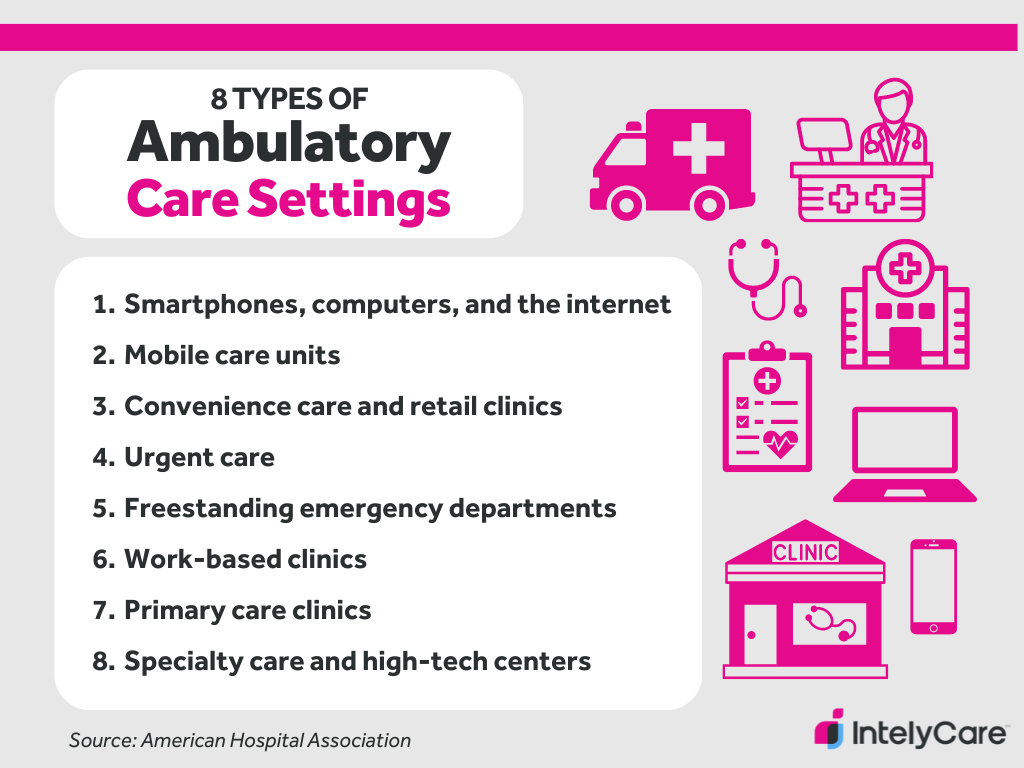
An ambulatory nurse’s responsibilities are multifaceted, ranging from direct patient assessment, triage, and chronic disease management to patient education and coordination of care. Unlike hospital-based nurses who often manage acute, intensive care, ambulatory nurses specialize in preventative care, health maintenance, and managing stable chronic conditions. Their work often takes place in physicians’ offices, clinics, urgent care centers, surgical centers, and even through telehealth platforms.
From a financial perspective, the value generated by an ambulatory nurse is substantial. By providing effective preventative care and chronic disease management, they help reduce costly hospital readmissions and emergency room visits, which are major financial drains on healthcare systems. Their ability to educate patients on medication adherence, lifestyle modifications, and self-management techniques directly translates into fewer complications and a healthier, more productive populace, indirectly boosting the overall economy. Furthermore, by streamlining patient flow and optimizing clinic schedules, they enhance the revenue-generating capacity of outpatient facilities. Every successful patient encounter, managed efficiently and effectively by an ambulatory nurse, contributes to the financial viability and growth of the organization they serve.
The Cost-Efficiency of Outpatient Care
The shift towards ambulatory care is fundamentally a financial strategy. Outpatient settings typically have lower overhead costs compared to inpatient facilities, as they require less intensive staffing, fewer specialized resources per patient, and no need for overnight accommodation. Ambulatory nurses are central to making this model work. They are adept at managing high patient volumes with precision, ensuring that resources are utilized optimally. Their expertise in telephonic triage and virtual consultations further enhances cost-efficiency by addressing patient concerns remotely, preventing unnecessary in-person visits and reducing the burden on physical clinic infrastructure. This operational efficiency translates directly into better profit margins for healthcare providers and more affordable care options for patients, making the ambulatory nurse a critical asset in the financial calculus of healthcare delivery.
Compensation and Career Trajectories
For individuals considering a career in nursing, understanding the financial landscape of specialized roles is paramount. Ambulatory nursing offers a robust career path with competitive compensation and diverse opportunities for financial advancement, appealing to those seeking stable income and professional growth.
Salary Expectations and Influencing Factors
The salary of an ambulatory nurse can vary significantly based on several factors, including geographical location, years of experience, educational qualifications (e.g., ADN, BSN, MSN), specific certifications, and the type of healthcare facility. Generally, ambulatory nurses earn a competitive wage, often comparable to or slightly less than their inpatient counterparts, though this can be offset by more predictable schedules and fewer night/weekend shifts, which can lead to reduced childcare or commute costs.
Entry-level ambulatory nurses typically start with a solid foundation, with salaries increasing steadily with experience. Nurses with advanced degrees, such as a Master of Science in Nursing (MSN) specializing as a Nurse Practitioner (NP) in an ambulatory setting, command significantly higher salaries due to their expanded scope of practice and ability to provide primary care services. Geographic location plays a crucial role; nurses in high cost-of-living areas or regions with high demand for healthcare professionals often see higher compensation packages. Benefits packages, including health insurance, retirement plans, and paid time off, also contribute substantially to the total compensation, representing significant financial value.
Growth Opportunities and Financial Advancement
The career trajectory for an ambulatory nurse is rich with opportunities for financial advancement. Beyond increasing experience and moving up pay scales, nurses can pursue various pathways:
- Specialization: Gaining certifications in areas like chronic disease management, wound care, or specific ambulatory procedures can lead to higher pay and specialized roles.
- Leadership Roles: Experienced ambulatory nurses can transition into supervisory, charge nurse, or nurse manager positions, which come with increased responsibilities and significantly higher salaries. These roles often involve managing budgets, optimizing staff schedules, and improving clinic efficiency—all directly impacting the financial performance of the unit.
- Advanced Practice Nursing: Pursuing an MSN to become an Ambulatory Care Nurse Practitioner or a Clinical Nurse Specialist in an outpatient setting opens doors to autonomous practice, higher earning potential, and the ability to bill for services independently or within a larger practice.
- Education and Training: Nurses can leverage their expertise to become educators, either within healthcare systems to train new staff or in academic settings, diversifying their income streams.
Each of these pathways represents a strategic investment in one’s professional development that yields substantial financial returns over time, making ambulatory nursing an attractive long-term career choice for those focused on financial security and growth.
Education, Training, and Investment Returns
Embarking on a career as an ambulatory nurse requires a significant upfront investment in education and training. However, understanding this investment in terms of its potential return on investment (ROI) is crucial for financial planning.
Educational Pathways and Associated Costs
The primary educational pathways to becoming a registered nurse (RN) suitable for an ambulatory setting include:
- Associate Degree in Nursing (ADN): Typically a two-year program, it’s a faster and generally less expensive route to becoming an RN.
- Bachelor of Science in Nursing (BSN): A four-year degree, often preferred by employers for its comprehensive curriculum and demonstrated commitment to the profession.
- Diploma in Nursing: Less common now, these hospital-based programs offer practical training.

The costs associated with these programs vary widely depending on whether it’s a public or private institution, in-state or out-of-state tuition, and living expenses. These costs can range from tens of thousands to over a hundred thousand dollars. Beyond tuition, there are expenses for textbooks, uniforms, certifications (e.g., BLS, ACLS), and licensing exams (NCLEX-RN).
Maximizing ROI in a Nursing Career
To maximize the financial return on this educational investment, prospective ambulatory nurses should consider several strategies:
- Scholarships and Grants: Actively seeking out financial aid specifically for nursing students can significantly reduce the burden of student loans.
- Employer Tuition Reimbursement: Many healthcare systems offer tuition reimbursement programs for nurses pursuing higher degrees, effectively turning continued education into a financially attractive benefit.
- Strategic Specialization: Investing in certifications or advanced degrees that align with high-demand, high-paying specialties within ambulatory care can accelerate earning potential. For example, becoming a Certified Ambulatory Care Nurse (CMSRN) can enhance marketability and salary prospects.
- Negotiating Salary and Benefits: Understanding the market value of an ambulatory nurse in a specific region and negotiating compensation packages effectively can ensure optimal financial returns from the outset.
- Continuous Professional Development: Staying current with best practices, new technologies, and healthcare regulations not only improves patient care but also makes a nurse a more valuable asset, justifying higher compensation and opening doors to more lucrative opportunities.
By viewing education as a strategic financial investment, ambulatory nurses can plan their careers to achieve substantial long-term financial benefits.
Entrepreneurial Avenues and Side Hustles
The skills and knowledge acquired as an ambulatory nurse are highly transferable and can form the basis for various entrepreneurial ventures and side hustles, offering additional income streams and fostering financial independence.
Private Practice and Consulting Opportunities
For ambulatory nurses with advanced degrees (e.g., NPs), establishing a private practice focused on specific ambulatory care services presents a significant entrepreneurial opportunity. This could include a primary care clinic, a chronic disease management center, a wellness clinic, or specialized services like telehealth consultations. While this requires substantial capital investment and business acumen, the potential for high earnings and professional autonomy is significant.
Even without a private practice, experienced ambulatory nurses can leverage their expertise as consultants. They can advise smaller clinics on operational efficiency, patient flow, compliance with healthcare regulations, or even assist in developing educational programs for other healthcare providers. Healthcare consulting, especially in an era focused on optimizing outpatient services, can be a highly lucrative side hustle or full-time business.
Leveraging Skills for Online Income
The digital age has opened numerous avenues for nurses to generate online income:
- Telehealth and Virtual Care: Many ambulatory nurses can offer virtual consultations, health coaching, or remote monitoring services independently or through third-party platforms. This flexible model allows for additional income outside of traditional employment.
- Content Creation: Nurses can create educational content—blogs, YouTube channels, online courses, or e-books—on topics related to preventative health, chronic disease management, or navigating the healthcare system. Monetization can come through advertising, sponsorships, course sales, or affiliate marketing.
- Medical Writing and Editing: The demand for clear, accurate health information is high. Ambulatory nurses can offer their expertise as medical writers for health websites, publications, or pharmaceutical companies, providing a flexible and well-compensated side hustle.
- Online Tutoring or Mentorship: Helping nursing students or new nurses prepare for exams or navigate their early careers can be a rewarding and profitable online venture.
These entrepreneurial pursuits and side hustles provide ambulatory nurses with financial flexibility, diversification of income, and the opportunity to build wealth beyond their primary employment.
Financial Planning for Ambulatory Nursing Professionals
Given the stable career path and diverse income opportunities, ambulatory nursing professionals are well-positioned to build robust financial futures. Strategic financial planning is key to maximizing these advantages.
Budgeting and Savings Strategies
Effective budgeting is the foundation of financial health. Ambulatory nurses should create detailed budgets that track income and expenses, identifying areas for savings. Common strategies include:
- Automated Savings: Setting up automatic transfers from checking to savings accounts for each paycheck ensures consistent savings.
- Emergency Fund: Prioritizing an emergency fund of 3-6 months’ living expenses provides a crucial financial safety net.
- Debt Management: Systematically paying down high-interest debt, such as credit card balances or student loans, frees up more disposable income for savings and investments.
- Frugal Lifestyle: Identifying areas to reduce discretionary spending without significantly impacting quality of life can lead to substantial savings over time.

Retirement and Long-Term Financial Security
Planning for retirement is a critical component of long-term financial security. Ambulatory nurses typically have access to employer-sponsored retirement plans, such as 401(k)s or 403(b)s, often with employer matching contributions—essentially free money that should always be maximized. Beyond these, individuals can also contribute to IRAs (Traditional or Roth) to further build their retirement nest egg.
- Early Investment: The power of compound interest means that starting to invest for retirement as early as possible yields significantly greater returns over the long term.
- Diversified Portfolio: Working with a financial advisor to create a diversified investment portfolio aligned with individual risk tolerance and financial goals is crucial.
- Insurance Planning: Adequate health, disability, and life insurance are vital for protecting earned income and ensuring financial stability in the face of unforeseen circumstances. Disability insurance, in particular, is critical for healthcare professionals whose income is directly tied to their ability to work.
By diligently managing their finances, leveraging their earning potential, and planning strategically, ambulatory nurses can not only enjoy a fulfilling career but also achieve significant financial independence and long-term security.
aViewFromTheCave is a participant in the Amazon Services LLC Associates Program, an affiliate advertising program designed to provide a means for sites to earn advertising fees by advertising and linking to Amazon.com. Amazon, the Amazon logo, AmazonSupply, and the AmazonSupply logo are trademarks of Amazon.com, Inc. or its affiliates. As an Amazon Associate we earn affiliate commissions from qualifying purchases.