
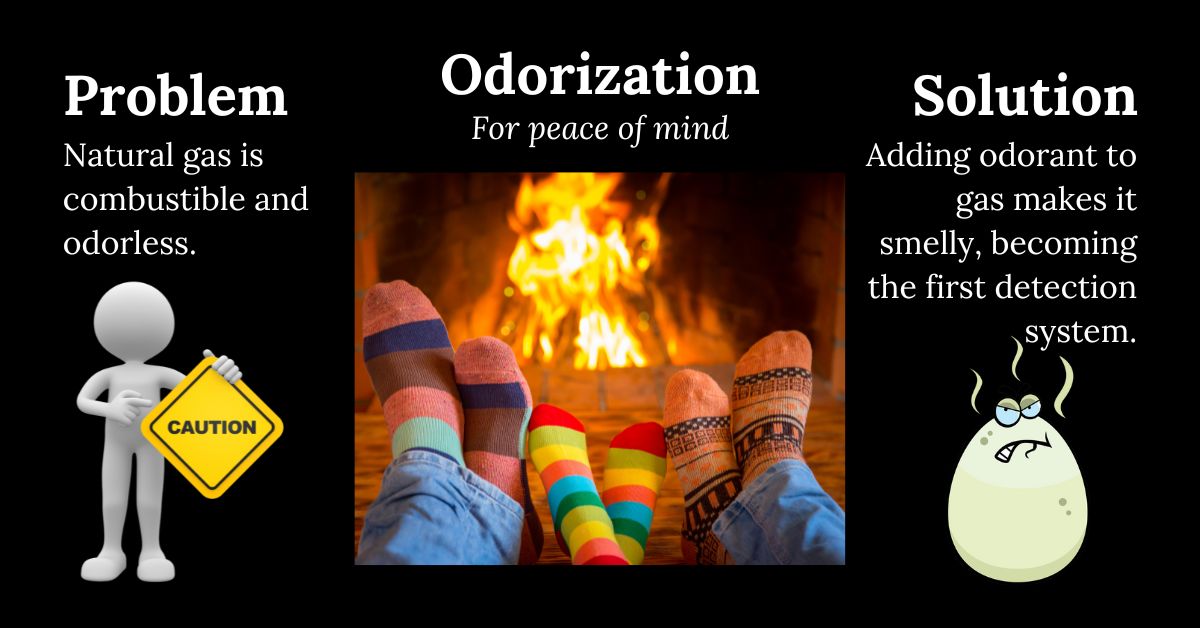
Natural gas, in its raw state, is an enigmatic energy source. It is colorless, odorless, and tasteless, yet possesses immense energy potential. This inherent stealth, however, presents a significant safety challenge. Undetected leaks of natural gas pose a grave risk of explosion and asphyxiation, turning an invaluable fuel into a silent hazard. To mitigate this danger, a crucial technological intervention is applied: a distinct odorant is added, transforming natural gas from an invisible threat into a discernible presence. This process of odorization is not merely a chemical alteration but a sophisticated safety technology designed to protect lives and infrastructure.
The Imperative of Odorization: A Critical Safety Technology
The history of natural gas utilization is punctuated by tragic accidents attributed to its stealthy nature. Before widespread odorization, gas leaks often went unnoticed until they reached dangerous concentrations, leading to devastating explosions in homes, businesses, and public spaces. The critical need for an early warning system became unequivocally clear. As natural gas infrastructure expanded globally, becoming an indispensable part of modern energy supply, the demand for a reliable detection method escalated.
Odorization emerged as the most effective and universally accessible solution. It functions as an engineered safety feature, a preventative technology that leverages the human sense of smell. By intentionally introducing a strong, unpleasant aroma to natural gas, any leak, however small, becomes immediately apparent to those nearby. This deliberate sensory modification transforms a high-risk scenario into a manageable incident, allowing for timely evacuation, ventilation, and repair, thereby preventing potential catastrophes. Regulatory bodies worldwide have since mandated odorization as a non-negotiable standard for natural gas distribution, recognizing it as a foundational pillar of public safety infrastructure. The science and engineering behind selecting and applying the correct odorant are a testament to the blend of chemistry and practical safety design.
Mercaptan: The Engineered Scent of Safety
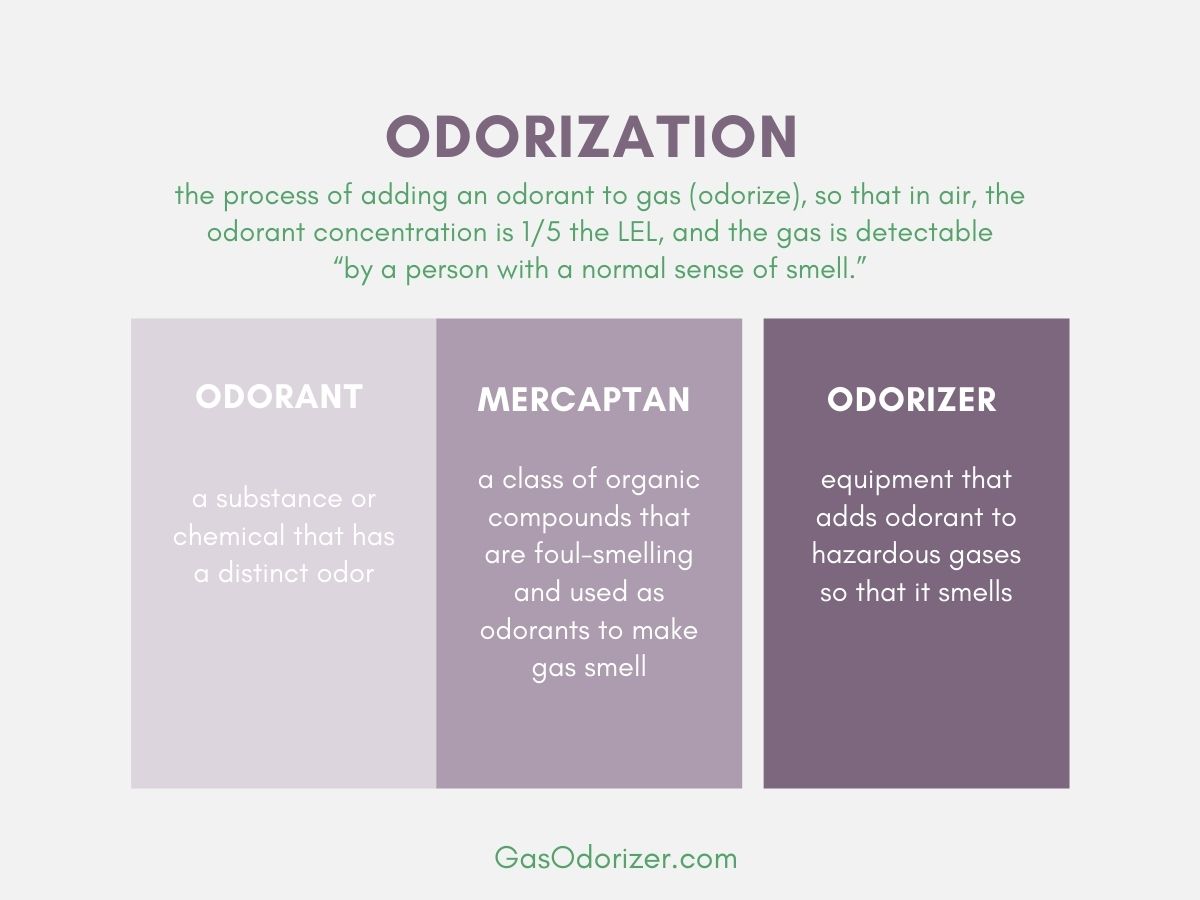
The primary chemical compound added to natural gas to give it its characteristic smell is a group of organic sulfur compounds known as mercaptans, or thiols. Among these, tertiary-butyl mercaptan (TBM) and ethyl mercaptan are the most commonly utilized, often in specific blends. These compounds are specifically chosen for their remarkable properties that make them ideal for this critical safety application.
The defining characteristic of mercaptans is their incredibly low odor threshold. This means that even minute concentrations, far below the lower explosive limit (LEL) of natural gas, are readily detectable by the human nose. The smell is often described as resembling rotten eggs, sulfur, or even cabbage, making it distinct and universally recognized as unpleasant – a vital trait for an alarm signal. This potency ensures that a leak can be identified long before it poses an immediate fire, explosion, or health hazard.
Beyond their strong odor, mercaptans possess several other crucial characteristics that make them the superior choice for natural gas odorization:
- Stability: They are chemically stable and do not easily degrade or lose their potency over time or when exposed to the varied conditions within gas pipelines. This ensures the odorant remains effective throughout the gas distribution network.
- Non-Corrosive: Mercaptans are designed to be non-corrosive to the materials typically used in gas pipelines and appliances, preventing damage to the vast infrastructure.
- Non-Toxic at Detection Levels: While mercaptans can be toxic at very high concentrations through prolonged, direct exposure, the levels used for natural gas odorization are extremely low and are not considered harmful upon detection. The primary risk from an odorized gas leak remains the gas itself, not the odorant.
- Minimal Impact on Gas Properties: The amount of mercaptan added is so minuscule that it does not significantly alter the combustion properties, calorific value, or overall performance of natural gas.
- Distinctiveness: The pungent, unmistakable odor of mercaptans ensures that it is not easily confused with other common household smells, thereby minimizing false alarms and maximizing the effectiveness of the warning.
Different blends of mercaptans and other sulfur-containing compounds (like tetrahydrothiophene, THT) are used by various gas companies and in different regions, optimized for local conditions, gas composition, and regulatory requirements. However, the core principle of using a highly potent, stable, and distinct sulfur-based compound remains constant.
The Chemical Structure and Sensory Impact
The unique and potent smell of mercaptans stems from their chemical structure. They are organic compounds characterized by a carbon atom bonded to a thiol group (-SH). This sulfur-hydrogen bond is analogous to the hydroxyl group (-OH) found in alcohols, but the substitution of sulfur for oxygen significantly alters the molecular properties and, crucially, its interaction with olfactory receptors. Sulfur, being a larger atom with a different electron configuration than oxygen, creates different intermolecular forces and volatility, leading to its distinctive odor profile.
When mercaptan molecules volatilize and are inhaled, they bind to specific protein receptors within the olfactory epithelium in the nasal cavity. The human olfactory system is remarkably sensitive to sulfur compounds, even at parts-per-billion concentrations. This evolutionary sensitivity is thought to be a survival mechanism, as many putrid or decaying organic substances that might indicate danger (like spoiled food or carrion) also release sulfur compounds. This innate biological response makes mercaptans an incredibly effective and almost universally recognized danger signal.
The Technology of Odorization Systems
The addition of mercaptans to natural gas is a carefully controlled technological process, requiring specialized equipment and precise engineering to ensure consistent and effective odorization across vast distribution networks. Odorization systems are designed to inject the correct amount of odorant reliably and safely.
Methods of Injection
Several technological approaches are employed for injecting odorants, each suited to different scales and operational requirements:
- Bypass Odorizers: These systems, often used for smaller distribution points or low-pressure systems, divert a small portion of the natural gas flow through a vessel containing liquid odorant. The gas picks up odorant vapor and is then recombined with the main gas stream. They are simple, relatively low-cost, but can be less precise than other methods.
- Wick Odorizers: Similar to bypass systems, wick odorizers use wicks immersed in liquid odorant to absorb and expose the odorant to the passing gas stream. Gas then saturates with the odorant vapor. These are also typically for smaller applications.
- Injection Pump Systems: These are the most prevalent and sophisticated systems for large-scale natural gas pipelines and distribution networks. They employ positive displacement pumps that precisely inject a measured amount of liquid odorant into the gas stream. These systems often feature sophisticated controls, flow meters, and feedback loops to ensure a consistent odorant concentration proportional to the gas flow rate. This allows for high accuracy and adaptability to varying gas demands.

Odorant Storage and Handling
The odorants themselves, being potent and often flammable liquids, require specialized storage and handling protocols. They are stored in dedicated tanks, often double-walled and situated in well-ventilated areas, away from ignition sources. Rigorous safety procedures are followed during transportation, transfer, and maintenance to prevent spills or exposure, ensuring worker safety and environmental protection.
Calibration and Concentration
A critical aspect of odorization technology is maintaining the precise concentration of the odorant. Too little, and leaks might go unnoticed; too much, and it could lead to excessive nuisance complaints and desensitization. Regulatory standards, such as those set by pipeline safety agencies, often stipulate that natural gas must be odorized to be readily detectable by a person with a normal sense of smell at concentrations well below the lower explosive limit (typically at 1/5th of the LEL). This ensures a significant safety margin. Advanced control systems and regular calibration are essential to achieve and maintain this precise dosing across an often dynamic gas flow.
Challenges in Odorization Technology
Despite its effectiveness, odorization technology faces ongoing challenges:
- Odor Fade: In new pipelines, or those undergoing significant maintenance, mercaptans can sometimes be adsorbed by internal pipe surfaces (e.g., rust, scale, or new pipe coatings). This phenomenon, known as “odor fade,” reduces the effective odorant concentration. Gas companies combat this by initially over-odorizing new lines or using specific conditioning treatments.
- Large Network Distribution: Ensuring consistent odorization across thousands of miles of varied pipeline infrastructure, with differing pressures, temperatures, and flow rates, is a complex engineering feat.
- Environmental Impact: While the quantity of odorant is small, minimizing any fugitive emissions during handling and injection is an environmental consideration that drives continuous improvements in system design.
Beyond the Nose: Monitoring and Future Technologies
While mercaptan odorization remains the primary and most accessible human-interface safety technology for natural gas, it is complemented by and integrated with other technological advancements for comprehensive leak detection and safety management.
Current Monitoring and Verification
Gas companies employ various methods to verify the effectiveness of their odorization programs:
- Field Sniff Tests: Technicians regularly conduct “sniff tests” at various points in the distribution network, relying on their trained sense of smell to confirm the presence and adequacy of the odorant.
- Analytical Instrumentation: More advanced methods involve using specialized equipment such as gas chromatographs with sulfur-specific detectors. These instruments can precisely measure the concentration of mercaptans in the gas stream, providing quantitative data to ensure compliance with regulatory standards.
- Public Reporting: A crucial, albeit reactive, part of the system relies on public reporting. When individuals detect the smell of gas, they are encouraged to report it immediately, acting as a distributed network of human sensors.
The Role of Smart Sensors and IoT
Modern natural gas infrastructure increasingly incorporates advanced digital technologies:
- Automated Leak Detection Systems: Beyond odorization, sophisticated electronic sensors can detect natural gas itself (methane) through infrared absorption, catalytic combustion, or electrochemical methods. These can be deployed in critical areas, supplementing the human olfactory system.
- Remote Monitoring: Internet of Things (IoT) devices and advanced supervisory control and data acquisition (SCADA) systems allow for real-time, remote monitoring of odorant injection rates, gas flow, pressure, and even methane concentrations at various points in the pipeline. This provides an unprecedented level of control and insight into network integrity.
- Pipeline Inspection Technology: Technologies like “smart pigs” (in-line inspection devices) that travel through pipelines, using ultrasonic or magnetic flux leakage sensors, can detect structural anomalies, corrosion, and potential leak points long before gas escapes.
Emerging Technologies in Gas Safety
The field of gas safety continues to evolve, with new technologies constantly under development:
- Spectroscopic Detection: Advanced laser-based spectroscopy can detect methane plumes from a distance, even from drones or specialized vehicles, offering wide-area surveillance capabilities.
- AI-Powered Predictive Maintenance: Artificial intelligence and machine learning algorithms are being developed to analyze vast datasets from sensors, historical maintenance records, and environmental factors to predict pipeline failures before they occur, optimizing maintenance schedules and preventing leaks.
Despite these cutting-edge advancements, the addition of mercaptans remains an irreplaceable cornerstone of natural gas safety. It represents a low-tech, high-impact technological solution that provides an immediate, intuitive, and universally accessible warning system. The synergy between this chemical engineering marvel and sophisticated electronic detection systems forms a robust, multi-layered defense, ensuring the safe and reliable delivery of natural gas, a testament to how fundamental technological interventions continue to protect our communities.
aViewFromTheCave is a participant in the Amazon Services LLC Associates Program, an affiliate advertising program designed to provide a means for sites to earn advertising fees by advertising and linking to Amazon.com. Amazon, the Amazon logo, AmazonSupply, and the AmazonSupply logo are trademarks of Amazon.com, Inc. or its affiliates. As an Amazon Associate we earn affiliate commissions from qualifying purchases.