
The allure of a vibrant yellow stone is undeniable, evoking images of sunshine, wealth, and preciousness. However, the simple descriptor “yellow stone” encompasses a vast array of minerals, each with its unique geological origins, chemical composition, and, critically, market value. For those navigating the world of personal finance, investing, or asset management, accurately identifying a yellow stone is not merely an academic exercise; it’s a fundamental step in understanding its financial potential, whether as a collectible, an investment, or a valuable asset within an estate. From common ornamental pieces to rare investment-grade jewels, the spectrum of yellow stones presents a fascinating intersection of geology and economics.

The Diverse World of Yellow Gemstones: Beyond Simple Color
The term “yellow stone” is a broad umbrella, covering everything from readily available minerals to exceptionally rare and high-value gemstones. Their appeal stems from their spectrum of hues, ranging from pale lemon and goldenrod to deep amber and fiery orange-yellow. Understanding the various types is the first step in assessing their financial implications.
Common Yellow Stones and Their Market Presence
Many yellow stones are widely accessible and frequently used in jewelry due to their beauty and relative affordability.
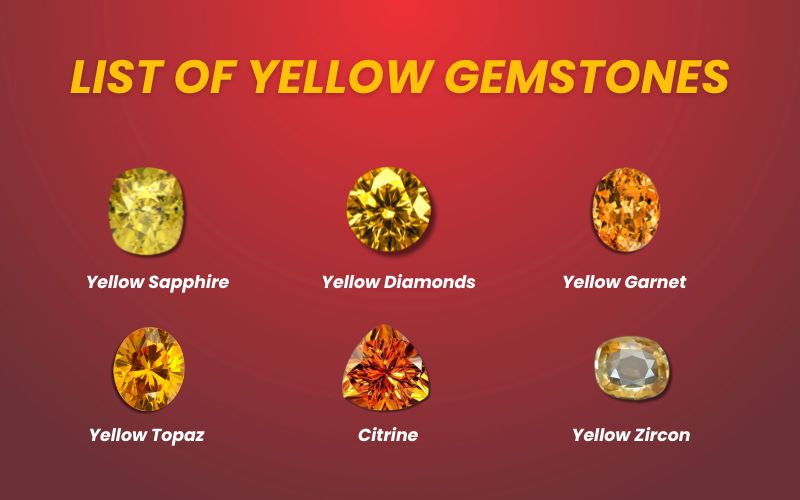
- Citrine: Perhaps the most ubiquitous yellow gemstone, citrine is a variety of quartz. Its color ranges from pale yellow to a deep brownish-orange. Natural citrine is relatively rare, with much of the citrine on the market being heat-treated amethyst or smoky quartz. While beautiful, its widespread availability and often synthetic origin mean its per-carat value is generally lower, making it an accessible option for everyday jewelry and a popular choice for those seeking a sunny aesthetic without a significant investment.
- Yellow Topaz: Known for its brilliant luster and a spectrum of yellows from light to rich golden, topaz is a harder gemstone than quartz. Often confused with citrine, high-quality yellow topaz can command more attention than citrine but still sits in the mid-range of gemstone values. Its clarity and size significantly influence its price point.
- Yellow Sapphire: A member of the corundum family, alongside rubies and blue sapphires, yellow sapphire is a durable and beautiful gemstone. Its color can range from light to intense canary yellow. Unlike citrine or topaz, natural, untreated yellow sapphire can be a significant investment, especially in larger sizes with excellent clarity and vibrant color. It is a highly sought-after gem in the luxury market.
- Yellow Beryl (Heliodor): A variety of beryl, the same mineral family as emerald and aquamarine, heliodor exhibits a beautiful greenish-yellow to golden-yellow hue. While less famous than its green cousin, heliodor can be a striking and reasonably priced option for collectors and jewelers, offering good hardness and clarity.
- Amber: Uniquely, amber is not a mineral but fossilized tree resin. Its warm golden-yellow to deep orange-brown hues are highly prized, especially pieces containing ancient insect or plant inclusions. While not a traditional gemstone in terms of mineral structure, amber has been used in jewelry for millennia and holds cultural and often significant financial value, particularly for rare specimens.
Rare and High-Value Yellow Gems
At the apex of the yellow stone market are gems distinguished by their exceptional rarity, hardness, brilliance, and often, intrinsic value. These are the stones that often attract serious investors and collectors.
- Yellow Diamond: Undoubtedly the most valuable yellow stone, yellow diamonds are known as “fancy yellow” diamonds. Their intense color is caused by nitrogen impurities. While white diamonds are graded on a scale of colorless to light yellow, fancy yellow diamonds are prized specifically for their deep, vibrant color saturation. The most valuable are those with intense or vivid yellow hues, often referred to as “canary yellow.” Their extreme hardness, unparalleled brilliance, and rarity make them a premier investment-grade gemstone, with prices per carat escalating dramatically with color intensity, size, and clarity.
- Sphene (Titanite): A lesser-known but highly prized gem for connoisseurs, sphene boasts exceptional fire (dispersion) and brilliance, often exceeding that of diamond. Its yellow-green to golden-yellow hues can be stunning. However, its relative softness makes it less ideal for everyday wear but highly desirable for collectors. High-quality sphene can command significant prices due to its rarity and optical properties.
- Chrysoberyl (including Cat’s Eye Chrysoberyl): This durable gemstone comes in various shades of yellow, yellowish-green, and brown. The most famous variety is Alexandrite, known for its color-change properties. However, yellow chrysoberyl itself is a beautiful and valuable stone, especially the phenomenal “cat’s eye” variety, which displays a sharp band of light across its surface.
- Orthoclase Feldspar: While many feldspars are common, some transparent, faceted yellow orthoclase gems from specific localities are highly prized by collectors for their intense color and rarity.
Identifying Your Yellow Stone: Crucial for Valuation
The financial implications of a yellow stone hinge entirely on its accurate identification. Mistaking a common citrine for a valuable yellow sapphire, or an inexpensive quartz for a fancy yellow diamond, can lead to substantial financial errors. Professional assessment is paramount.
Basic Characteristics and Initial Assessment
While a definitive identification requires expert tools, some preliminary observations can help narrow down the possibilities:
- Hardness: A fundamental property, hardness can be roughly gauged by a scratch test (though this risks damaging the stone and is best left to professionals). Diamonds are the hardest known mineral (10 on the Mohs scale), followed by sapphire (9), topaz (8), and quartz (7). Softer stones like amber (2-2.5) or sphene (5-5.5) are easily scratched.
- Clarity: The presence or absence of inclusions (internal flaws) or blemishes (external imperfections) significantly impacts value. Eye-clean stones (no visible inclusions to the naked eye) are generally more valuable, especially in transparent gems.
- Color Saturation and Hue: The intensity, depth, and specific shade of yellow are critical. Is it a pale lemon, a vibrant canary, or a deep golden-orange? For fancy diamonds, saturation is key to value. For other gems, a clear, even color is often preferred.
- Cut: A well-executed cut maximizes a stone’s brilliance and fire, enhancing its aesthetic appeal and, consequently, its market value. A poor cut can diminish even a high-quality rough stone.
- Luster: This refers to how well a gemstone reflects light. Diamonds are known for their adamantine luster, while quartz has a vitreous (glassy) luster.
The Role of Professional Gemology and Certification
For any yellow stone suspected of having significant financial value, professional gemological assessment is indispensable.
- Certified Gemologists: These experts use specialized equipment (refractometers, spectroscopes, microscopes, polariscopes) to determine a stone’s refractive index, specific gravity, optical properties, and internal characteristics. This allows for definitive identification, distinguishing between natural and synthetic stones, and identifying any treatments (like heat treatment or irradiation) that can affect value.
- Gemological Laboratories: Reputable labs like the Gemological Institute of America (GIA), American Gem Society (AGS), or Gubelin Gem Lab provide unbiased grading reports and certificates. These documents detail the stone’s type, weight, dimensions, cut quality, clarity grade, color origin (natural or treated), and often, origin. A diamond certificate, for example, is essential for authenticating fancy yellow diamonds and forms the basis for their market price. For colored gemstones, a lab report confirms identity and treatment status, both crucial for valuation.
Yellow Stones as Financial Assets and Investments
Beyond their aesthetic appeal, certain yellow stones can represent tangible assets with significant financial value, acting as a hedge against inflation or a diversification tool within an investment portfolio.
Understanding Market Dynamics and Demand
The market for gemstones is complex, influenced by global supply, mining discoveries, fashion trends, economic stability, and collector demand.
- Rarity vs. Demand: A stone’s rarity doesn’t automatically equate to high value if there’s no demand. However, historically, extremely rare and beautiful gems like fancy vivid yellow diamonds consistently maintain high demand among ultra-high-net-worth individuals and institutional investors.
- Origin: For some gemstones, geographical origin can play a significant role in value. For example, certain sapphire origins are more prized, though this is less critical for diamonds where the “4 Cs” (carat, cut, color, clarity) dominate.
- Treatment Disclosure: The industry standard is full disclosure of any treatments. Treated stones (e.g., heat-treated sapphire, irradiated topaz) are generally less valuable than their untreated natural counterparts, given identical quality. Non-disclosure can lead to legal issues and financial misrepresentation.
Investment Considerations: Rarity, Quality, and Origin
When considering a yellow stone as an investment, several factors must be weighed:
- Liquidity: Unlike stocks or bonds, gemstones are relatively illiquid assets. Selling a high-value stone can take time and require specialized channels.
- Storage and Security: High-value gems require secure storage and insurance, adding to the carrying cost.
- Expertise: Investing in gemstones requires significant expertise or reliance on trusted, certified professionals to avoid costly mistakes. Due diligence on both the stone and the seller is paramount.
- Long-Term Horizon: Gemstone investments are typically long-term plays, appreciating over decades rather than months. Short-term speculation is highly risky and generally not advisable.
- Diversification: Gemstones can offer portfolio diversification, as their value is not always correlated with traditional financial markets. However, they should form only a small portion of a well-diversified portfolio for most investors.
Monetizing Your Yellow Stone: Sales and Collection Strategies
Whether you’ve inherited a yellow gemstone, wish to liquidate an investment, or are building a valuable collection, understanding the market and best practices is essential.
Navigating the Buyer’s and Seller’s Market
- Selling: When selling a valuable yellow stone, securing a reputable gemological report first is crucial. This provides objective proof of its identity and quality. Options for selling include consignment with high-end jewelers, reputable online auction houses specializing in fine jewelry, or direct sales to collectors or dealers. Each method has different fees, reach, and timeframes. Be prepared for a robust negotiation process, as buyers will seek a discount compared to retail prices.
- Buying: For collectors or investors, purchasing certified stones from established and reputable dealers with transparent pricing and return policies is vital. Always insist on a GIA or equivalent lab report for significant purchases. Consider the “4 Cs” for diamonds and similar quality parameters for other colored gems, always prioritizing natural, untreated stones of excellent color and clarity for investment purposes.

Best Practices for Selling or Insuring Yellow Gemstones
- Professional Appraisal: Even if you have a lab report, a formal appraisal by an independent, certified appraiser is often needed for insurance purposes. Appraisers provide a retail replacement value, which is typically higher than the immediate resale value.
- Insurance: High-value yellow stones should be insured against loss, theft, and damage. This often requires a recent appraisal and may necessitate a rider on a homeowner’s policy or a separate fine arts policy. Understand the terms, including coverage for depreciation or specific types of damage.
- Documentation: Maintain meticulous records of purchase, certificates, appraisals, and insurance policies. This documentation is crucial for future sales, estate planning, and insurance claims.
- Maintenance: Proper care, cleaning, and occasional professional inspection can help maintain a gemstone’s beauty and value over time.
In conclusion, “what is a yellow stone called?” is a question with profound financial implications. From readily available citrine to immensely valuable fancy yellow diamonds, each stone carries a unique story and market position. Accurate identification, professional certification, and a clear understanding of market dynamics are the pillars upon which wise financial decisions regarding these captivating treasures are built.
aViewFromTheCave is a participant in the Amazon Services LLC Associates Program, an affiliate advertising program designed to provide a means for sites to earn advertising fees by advertising and linking to Amazon.com. Amazon, the Amazon logo, AmazonSupply, and the AmazonSupply logo are trademarks of Amazon.com, Inc. or its affiliates. As an Amazon Associate we earn affiliate commissions from qualifying purchases.