
The Dual Architecture: Lytic and Lysogenic Pathways in Biotechnological Systems
A temperate phage is a fascinating entity within the microbial world, representing a class of bacteriophages—viruses that exclusively infect bacteria—distinguished by its ability to adopt two distinct life cycles: the lytic cycle and the lysogenic cycle. This inherent duality is not merely a biological curiosity but a foundational principle exploited across numerous biotechnological applications, offering unparalleled versatility in genetic engineering, diagnostics, and therapeutic development.
The Lytic Cycle: A Targeted Demolition Protocol
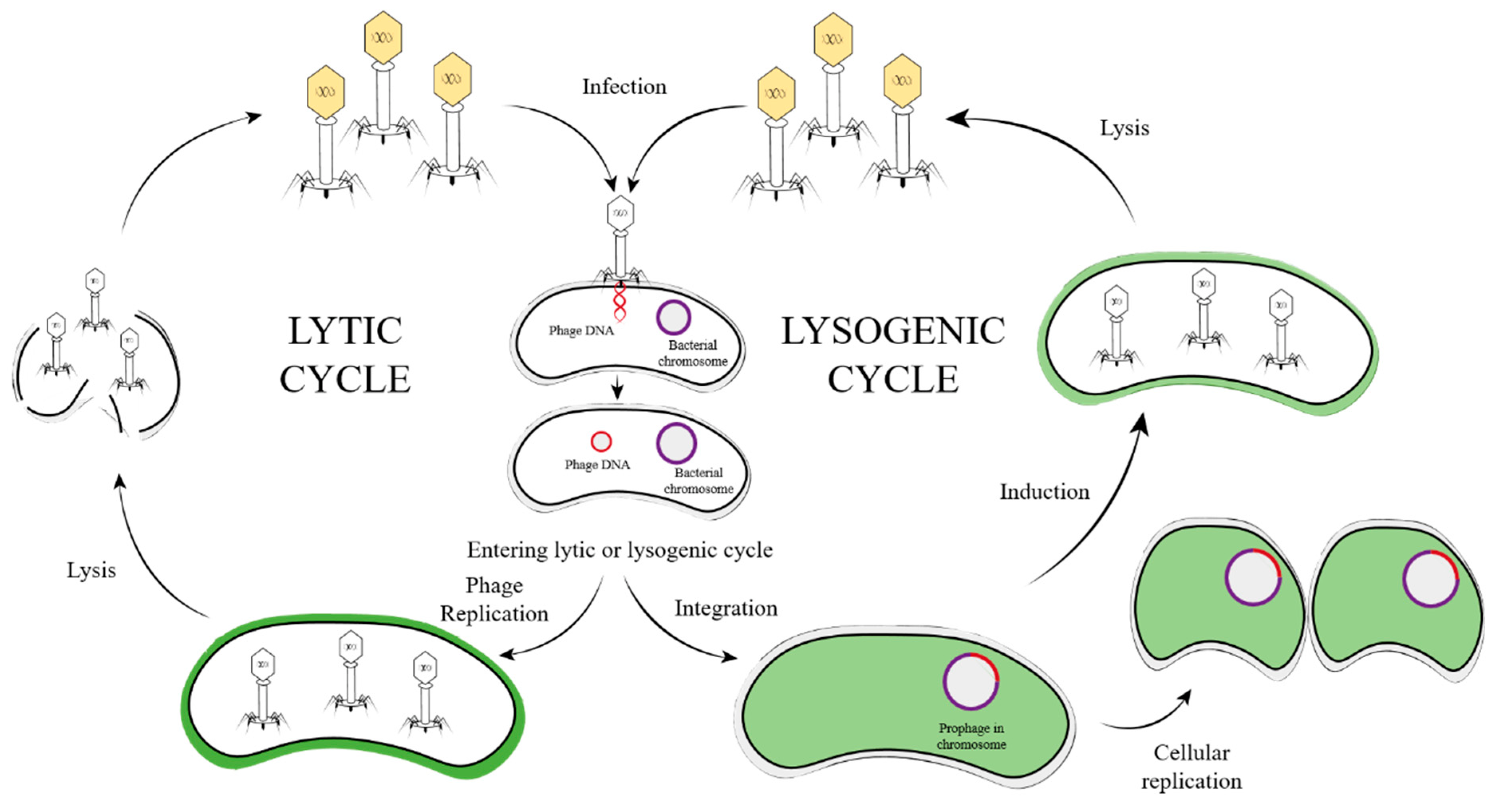
In the lytic cycle, a temperate phage behaves much like a virulent phage. Upon infecting a bacterial host cell, it immediately hijacks the host’s cellular machinery to rapidly replicate its own genetic material and synthesize new phage particles. This process culminates in the lysis (bursting) of the bacterial cell, releasing hundreds of new phages to infect other host cells. From a technological standpoint, this destructive capacity is incredibly valuable. Lytic phages, and temperate phages forced into the lytic pathway, are extensively studied for their potential in phage therapy—a promising alternative to traditional antibiotics in combating antibiotic-resistant bacterial infections. Their precise host specificity allows for targeted pathogen elimination, minimizing disruption to beneficial host microbiota. Furthermore, the rapid replication and lysis mechanism are harnessed in various diagnostic assays, enabling quick detection and quantification of specific bacterial strains in clinical, food safety, and environmental samples. The engineering of phages to enhance lytic efficiency or expand host range represents a significant area of research in antimicrobial tech.
The Lysogenic Cycle: Stable Integration as a Genetic Platform
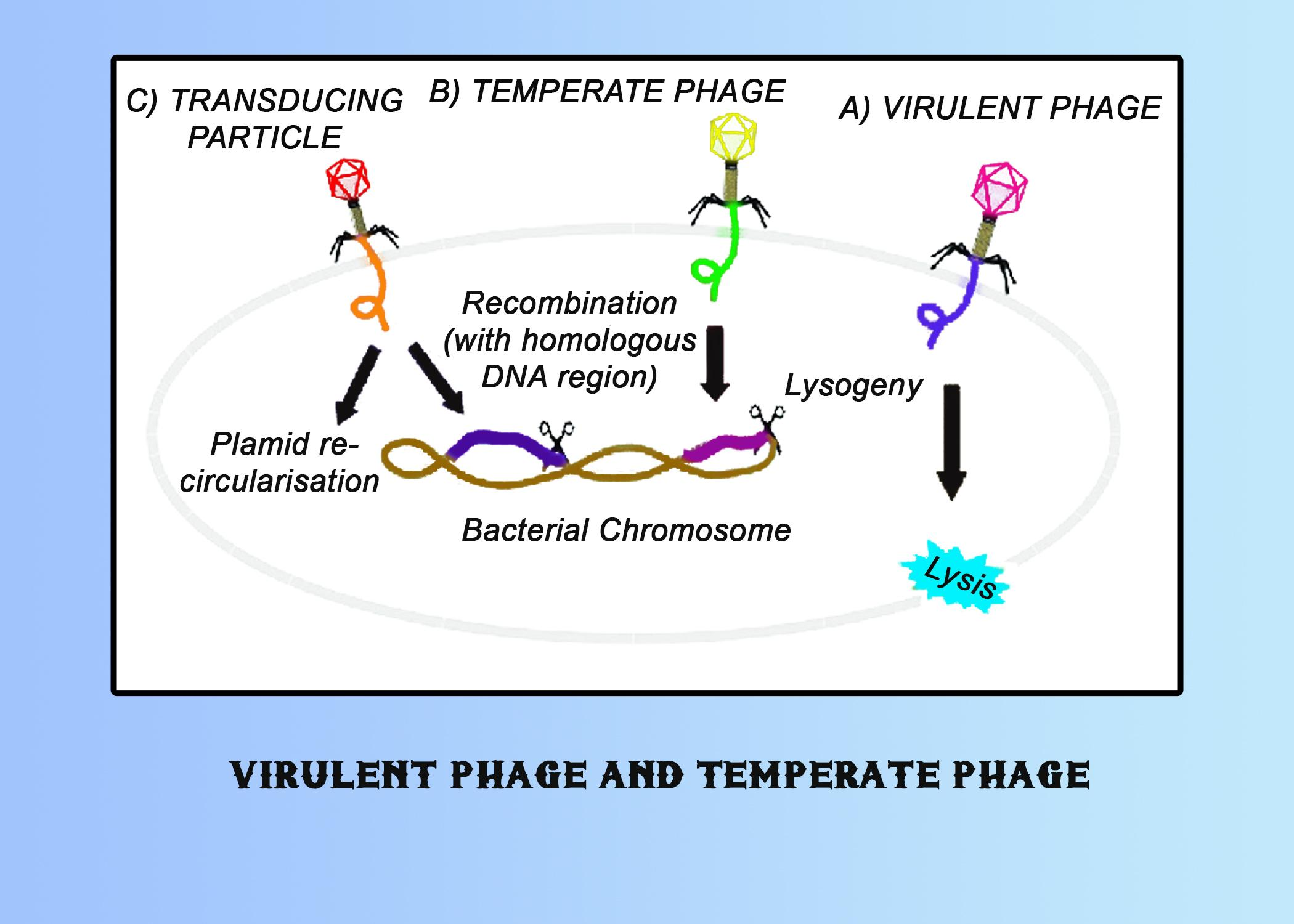
What truly sets a temperate phage apart is its capacity for lysogeny. Instead of immediately destroying the host, the phage’s genetic material (prophage) integrates itself into the host bacterium’s genome or exists as a stable plasmid. In this integrated state, the prophage is replicated along with the bacterial chromosome at each cell division, effectively becoming a silent, dormant part of the host’s genetic information. The host bacterium, now termed a lysogen, carries the phage genome without being harmed, and can pass it on to its progeny. This stable integration is controlled by a delicate regulatory network of phage-encoded proteins, primarily repressors that prevent the expression of lytic genes.
The lysogenic cycle’s stability and integration mechanism offer powerful tools for genetic engineering. Temperate phages serve as natural gene delivery vectors, capable of introducing foreign DNA into bacterial genomes with high efficiency and precision. This property is crucial in synthetic biology, where phages are engineered to deliver specific genes for recombinant protein production, metabolic pathway engineering, or even to confer new functionalities to host bacteria. The inducible nature of the lysogenic state, where environmental cues (like UV radiation or certain chemicals) can trigger the excision of the prophage and initiation of the lytic cycle, provides a controllable switch for various biotechnological processes, from gene expression systems to targeted cell lysis in bioreactors.
Molecular Mechanisms: Genetic Switches and Engineered Control Systems
The transition between the lytic and lysogenic cycles is governed by an intricate molecular switch, a finely tuned genetic regulatory system that responds to intracellular and environmental signals. Understanding and manipulating these control mechanisms are central to the technological applications of temperate phages.
Repressor Systems and Inducible Excision
The decision between lysis and lysogeny hinges on the competition between key phage-encoded regulatory proteins, primarily repressors and anti-repressors. For example, in the well-studied lambda phage, the CI repressor protein is responsible for maintaining lysogeny by binding to operator regions on the phage genome and blocking the transcription of lytic genes. Conversely, the Cro protein promotes the lytic cycle. Environmental stresses, such as DNA damage (e.g., caused by UV light), activate the host’s SOS response, which in turn leads to the cleavage of the CI repressor. This derepression allows the expression of lytic genes, initiating the excision of the prophage from the host genome and triggering the lytic cycle.
This inducible switch is a cornerstone for designing advanced biotechnological platforms. Researchers engineer temperate phages with modified repressor systems to create highly controllable gene expression circuits. For instance, a foreign gene can be placed under the control of a prophage promoter, allowing its expression to be switched on or off by inducing or repressing the lytic pathway. This offers precise temporal and spatial control over gene expression, invaluable in biomanufacturing for producing pharmaceuticals, enzymes, or biofuels, where tight regulation of target gene expression is critical. Moreover, this inducibility is leveraged in biosensors, where the detection of specific environmental toxins or conditions triggers phage excision and a measurable lytic event.
Integration Enzymes: Site-Specific Recombination and Genomic Editing

The integration of the phage genome into the host chromosome during lysogeny is mediated by site-specific recombinases, such as integrases. These enzymes recognize specific DNA sequences on both the phage and bacterial genomes (attachment sites) and catalyze a precise recombination event, inserting the prophage at a defined location. This high degree of specificity makes temperate phages incredibly attractive as vehicles for targeted gene insertion and genomic editing.
Unlike random integration methods, the site-specific nature of temperate phage integration ensures predictable outcomes and minimizes off-target effects, a critical advantage in precision medicine and genetic engineering. Engineers can modify phage genomes to carry desired genes flanked by these attachment sites, using the phage’s integrase system to insert therapeutic genes into specific locations within a bacterial host. This approach is particularly relevant for developing engineered probiotics or symbiotic bacteria that deliver therapeutic molecules directly to specific sites in the body, or for creating robust microbial strains with enhanced industrial properties. The mechanisms of phage integration and excision are also inspiring new gene editing technologies, complementing or providing alternatives to CRISPR-Cas systems for highly specific DNA manipulation in various cellular contexts.
Temperate Phages in Modern Biotechnology: Diverse Applications
The unique properties of temperate phages—their specificity, ability to integrate, and inducible nature—position them as powerful tools across a spectrum of cutting-edge technological domains.
Phage Therapy and Precision Antimicrobials
While virulent phages are often highlighted in phage therapy, temperate phages, when engineered to remain in the lytic cycle or be easily induced, offer distinct advantages. Their natural host specificity allows for highly targeted pathogen removal, reducing collateral damage to beneficial microbiome components. Modern phage therapy involves meticulously selecting and often genetically modifying temperate phages to ensure they only undergo the lytic cycle against the target pathogen, enhancing efficacy and safety. This engineering includes removing lysogeny-promoting genes or incorporating genes that enhance virulence against specific bacterial resistance mechanisms. The development of ‘designer phages’ capable of delivering antimicrobial payloads or disrupting bacterial biofilms is at the forefront of combating the global challenge of antibiotic resistance.
Genetic Engineering and Synthetic Biology Platforms
Temperate phages are indispensable in synthetic biology, serving as versatile platforms for constructing complex genetic circuits. They are utilized to create modular systems for gene expression, regulation, and even cellular control. Phage display technology, which harnesses the ability of phages to display foreign peptides or proteins on their surface, is a powerful tool for discovering novel protein-protein interactions, developing vaccines, and identifying high-affinity binding molecules for diagnostic and therapeutic purposes. Furthermore, the integration capabilities of temperate phages allow for the creation of stable bacterial strains carrying designer metabolic pathways, driving the production of biofuels, pharmaceuticals, and industrial chemicals in a sustainable manner.
Diagnostics and Biosensing Technologies
The inherent specificity of temperate phages for their bacterial hosts is leveraged in advanced diagnostic systems. Engineered temperate phages can be designed to carry reporter genes (e.g., genes for luminescence or fluorescence) that are expressed only upon successful infection and replication within a target bacterium, providing rapid and sensitive detection of pathogens. This is crucial for early disease diagnosis, food safety monitoring, and environmental pathogen surveillance. The inducible nature of lysogeny can also be harnessed; for example, a temperate phage carrying a reporter gene could be induced to lyse and release a detectable signal only in the presence of a specific chemical or environmental stress, functioning as a sophisticated biosensor.
Nanotechnology and Material Science
Beyond their direct biological applications, temperate phages are explored in nanotechnology. Their well-defined protein capsids can be genetically modified to display various functional molecules, serving as templates for fabricating ordered nanostructures or as delivery vehicles for drugs and imaging agents. Phages can self-assemble into complex architectures, offering a biocompatible and programmable platform for developing novel nanomaterials with applications ranging from targeted drug delivery systems to catalysts and electronic components.
Overcoming Challenges and Future Trajectories in Phage Engineering
Despite their immense potential, the sophisticated engineering of temperate phages for therapeutic and industrial applications presents challenges. Ensuring the stability of engineered phages, preventing unintended host range shifts, and precisely controlling the lytic-lysogenic switch are critical considerations. Research is intensely focused on high-throughput screening methods, computational phage design, and synthetic genomics approaches to rapidly identify, optimize, and synthesize phages with desired characteristics.
The integration of artificial intelligence and machine learning is revolutionizing phage engineering, enabling the prediction of phage-host interactions, the design of novel genetic circuits, and the optimization of phage cocktails for diverse applications. As our understanding of temperate phage biology deepens and biotechnological tools become more sophisticated, these versatile viral entities are poised to become even more indispensable components in the arsenal of modern technology, driving innovation across medicine, industry, and environmental solutions.
aViewFromTheCave is a participant in the Amazon Services LLC Associates Program, an affiliate advertising program designed to provide a means for sites to earn advertising fees by advertising and linking to Amazon.com. Amazon, the Amazon logo, AmazonSupply, and the AmazonSupply logo are trademarks of Amazon.com, Inc. or its affiliates. As an Amazon Associate we earn affiliate commissions from qualifying purchases.