
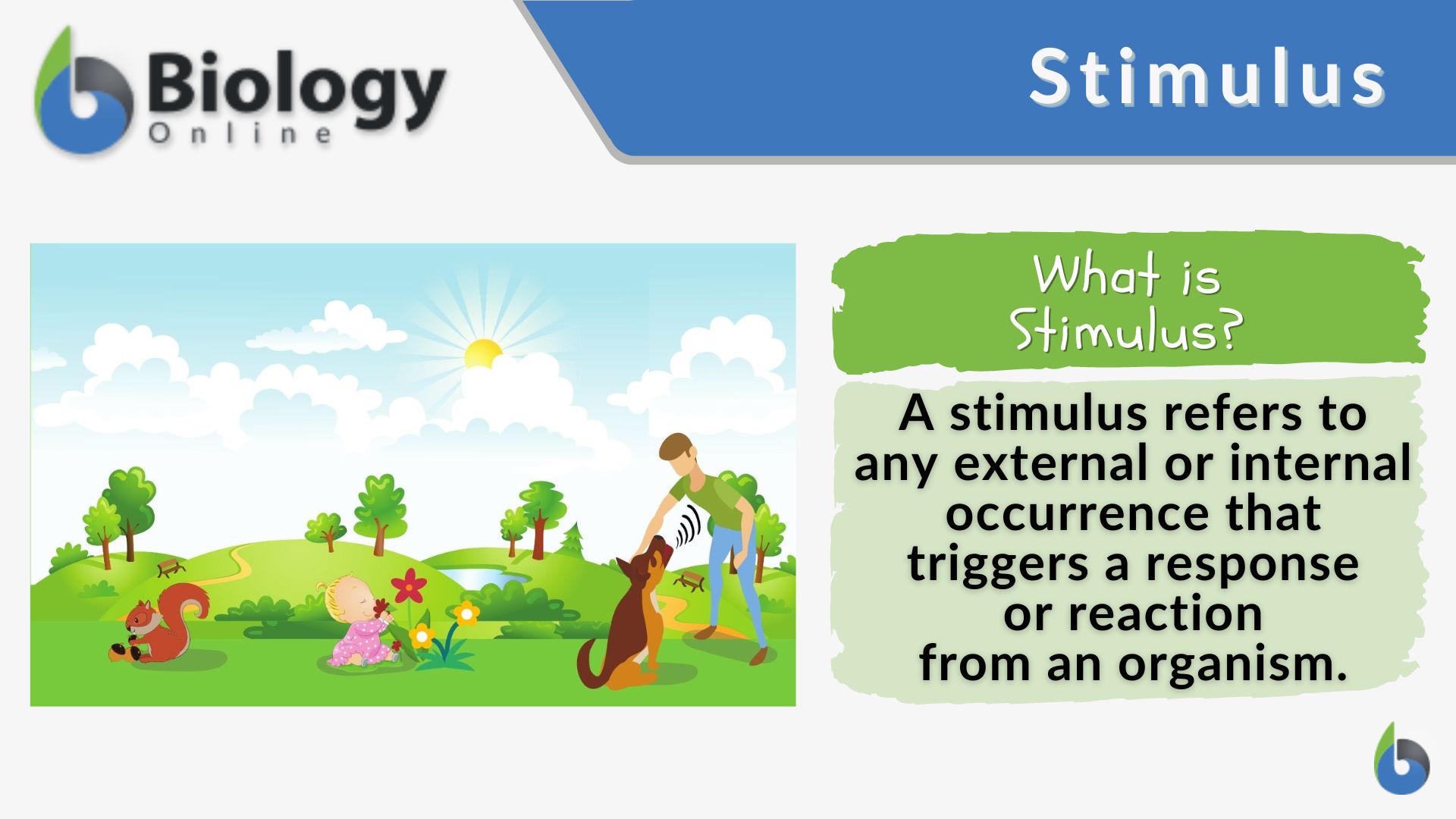
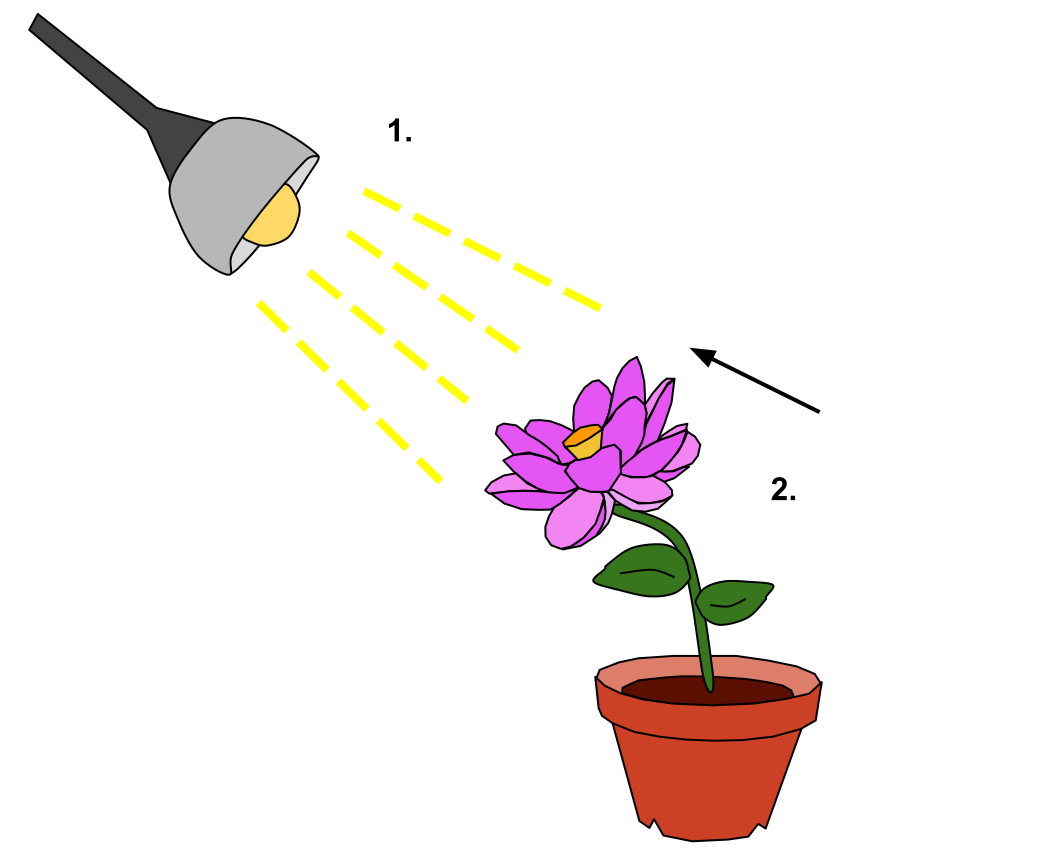
In the intricate tapestry of life, a stimulus serves as a fundamental catalyst, a detectable change in the internal or external environment that elicits a response from an organism or its part. This foundational biological concept underpins all forms of life, from the simplest single-celled bacteria reacting to chemical gradients to complex mammals processing vast arrays of sensory data. Biologically, a stimulus can manifest in myriad forms: light intensity, temperature shifts, sound waves, chemical compounds, pressure, or even electrical impulses. The ability to detect and respond to these stimuli is paramount for survival, enabling organisms to find food, avoid predators, reproduce, and maintain homeostasis. However, the profound implications of understanding biological stimuli extend far beyond the organic realm, serving as a critical blueprint and continuous inspiration for advancements in technology. From designing sophisticated sensors to developing advanced artificial intelligence, the principles governing biological stimulus-response mechanisms are increasingly informing and shaping our technological landscape.
Biological Stimuli as Blueprints for Technology
The inherent efficiency and complexity of biological systems in detecting and responding to stimuli have long fascinated engineers and computer scientists. Natural selection has perfected sensory organs and neural processing over millennia, offering invaluable lessons for technological design. By dissecting how biological entities perceive and react to their environment, we can reverse-engineer these processes to create more robust, adaptive, and intelligent technological systems.
Sensory Systems: From Biology to Sensors
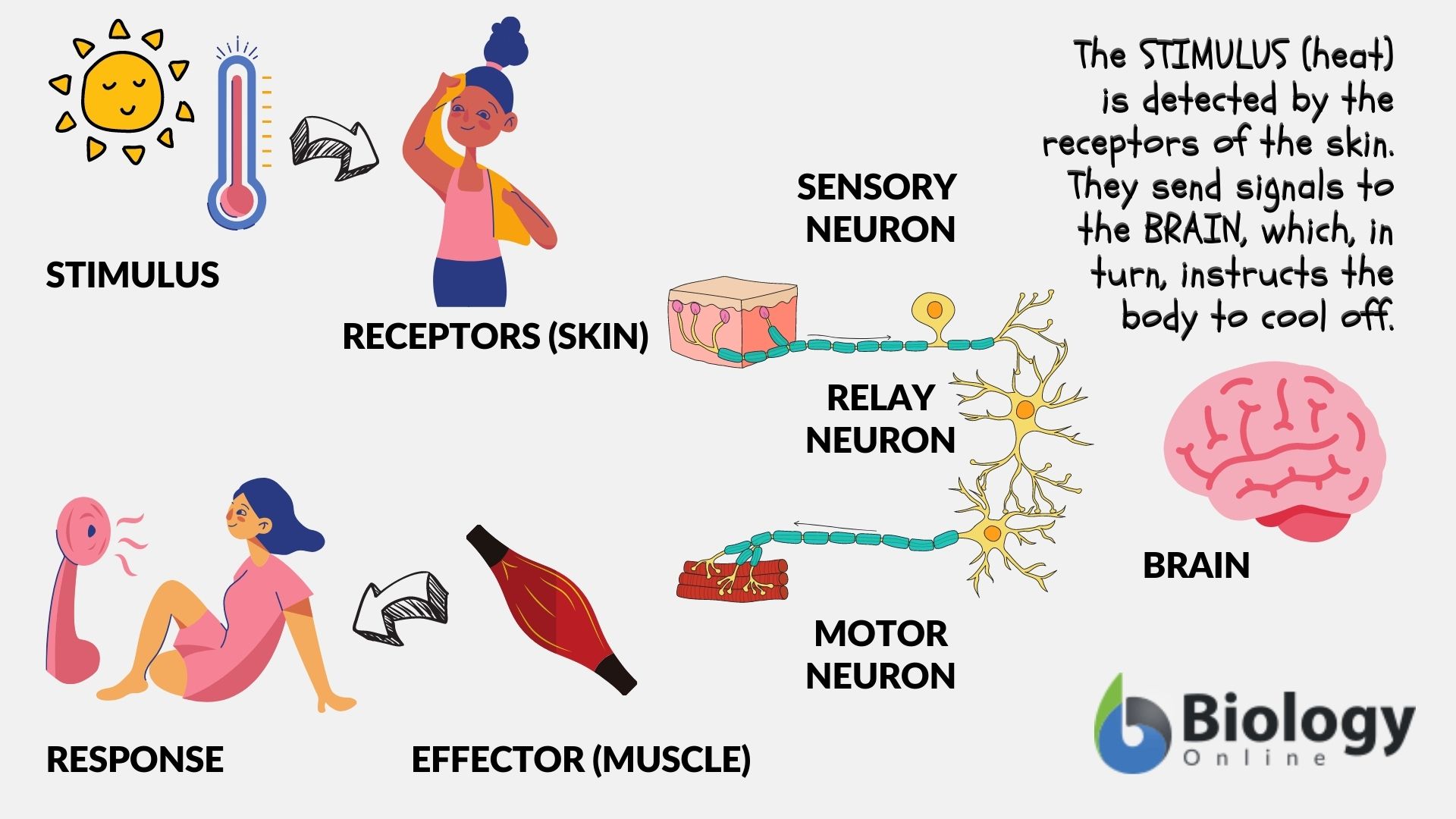
Biological organisms possess an astonishing array of specialized sensory receptors designed to detect specific types of stimuli. The human eye, with its millions of photoreceptors, processes light waves to form images, while the ear translates vibrations into sound. Similarly, our skin contains mechanoreceptors for touch and pressure, thermoreceptors for temperature, and chemoreceptors for taste and smell. This biological architecture directly inspires the development of various technological sensors.
Modern cameras, for instance, emulate the eye’s function, converting light photons into electrical signals, albeit with different spectral sensitivities and processing algorithms. Pressure sensors, found in everything from touchscreens to industrial machinery, mimic the skin’s mechanoreceptors, detecting physical force and deformation. Chemical sensors, used in environmental monitoring, medical diagnostics, and security, are continually refined to match the exquisite specificity and sensitivity of biological olfactory and gustatory receptors. Microphones, designed to capture sound waves and convert them into electrical impulses, parallel the ear’s intricate design. The drive to create more miniaturized, energy-efficient, and highly sensitive sensors across various domains directly stems from an appreciation for the biological masterpieces that accomplish these feats with remarkable ease and precision.
Bio-Inspired Computing and AI Response Mechanisms
Beyond mere detection, the biological processing of stimuli and the subsequent generation of appropriate responses offer profound insights for artificial intelligence and computing. The nervous system, particularly the brain, is an unparalleled processor of complex, multi-modal stimuli, capable of learning, adapting, and making decisions based on vast streams of incoming data. This has led to the development of neural networks in AI, structures designed to mimic the interconnected neurons of the brain.
In artificial neural networks, input data (analogous to biological stimuli) are processed through layers of artificial neurons, with each connection weighted to modify the signal’s strength. Just as biological learning strengthens or weakens synaptic connections, AI algorithms adjust these weights based on feedback, enabling the network to “learn” to recognize patterns, make predictions, and generate appropriate outputs (responses). From image recognition systems that identify visual stimuli to natural language processing models that interpret linguistic stimuli, AI’s ability to interpret complex data and generate nuanced responses is fundamentally inspired by biological stimulus-response loops. Furthermore, in robotics, the design of autonomous agents that can perceive their environment through sensors (visual, auditory, tactile stimuli) and respond with motor actions (locomotion, manipulation) directly translates biological principles into functional engineering.
Digital Stimuli and Human-Computer Interaction
While technology often draws inspiration from how organisms receive stimuli, it also excels at generating new forms of stimuli designed specifically for human interaction. The digital world is a rich landscape of carefully crafted stimuli intended to elicit specific cognitive, emotional, and behavioral responses from users.
User Interface (UI) and User Experience (UX) design are prime examples of this. Visual stimuli, such as icons, color schemes, and animations, are meticulously planned to guide user attention, convey information, and create intuitive navigation paths. Auditory stimuli, like notification sounds or confirmation tones, provide immediate feedback and context. Haptic feedback, through vibrations in smartphones or game controllers, engages the sense of touch, adding another layer of sensory input to digital interactions, mimicking the tactile responses of the physical world.
Augmented Reality (AR) and Virtual Reality (VR) represent advanced frontiers in this domain. By overlaying digital information onto the real world or creating entirely immersive virtual environments, these technologies generate highly complex visual, auditory, and sometimes haptic stimuli designed to trick the human brain into perceiving a blended or entirely artificial reality. The success of these technologies hinges on their ability to create compelling and believable digital stimuli that effectively engage and evoke desired responses from the human biological system. Understanding how human cognition and sensory perception work is therefore paramount for designing effective and engaging digital experiences, positioning the human as the biological recipient of technologically generated stimuli.
Technological Detection and Manipulation of Biological Stimuli
Beyond mimicking or generating stimuli, technology also plays a crucial role in detecting and, in some cases, manipulating biological stimuli within living systems. This application has transformative implications for healthcare, research, and our fundamental understanding of life itself.
Wearable technology, such as smartwatches and fitness trackers, continuously monitors a range of physiological stimuli from the human body. Heart rate, skin temperature, sleep patterns, and activity levels are all biological responses to internal or external stimuli, which these devices detect, record, and interpret. Advanced medical sensors can detect subtle changes in chemical stimuli, like blood glucose levels, hormones, or markers of disease, providing crucial data for diagnosis and management.
In clinical settings, medical devices leverage technological stimuli to interact with biological systems for therapeutic or diagnostic purposes. Electrical stimulation, for instance, is used in pacemakers to regulate heart rhythms or in neurological treatments for conditions like Parkinson’s disease. Ultrasound technology uses sound waves (a physical stimulus) to create images of internal organs, while MRI machines employ strong magnetic fields and radio waves to generate detailed anatomical scans. Biotechnology further extends this capability, using sequencing technologies to detect the specific chemical stimuli (nucleotide bases) that constitute genetic information, leading to breakthroughs in genomics and personalized medicine. These applications highlight a symbiotic relationship where technology not only learns from biology but actively interacts with it to enhance health and understanding.
The Future: Converging Biological and Artificial Stimuli
The trajectory of technological innovation suggests an ever-closer convergence between biological and artificial stimuli. As our understanding of the brain and nervous system deepens, and as computing power advances, we are moving towards interfaces that can directly translate biological signals into digital commands and vice versa.
Brain-computer interfaces (BCIs), for example, aim to detect and interpret neural stimuli directly from the brain, allowing individuals to control external devices with their thoughts. Conversely, these systems could potentially deliver sensory stimuli directly to the brain, restoring sight or hearing, or even creating entirely new sensory experiences. In robotics, the development of highly advanced sensors and AI-driven control systems will enable robots to perceive and react to dynamic, complex environments with a level of adaptability that rivals biological organisms. They will be able to interpret subtle visual cues, detect nuanced chemical changes, and respond with finely tuned actions, blurring the lines between artificial and natural intelligence.
However, this convergence also introduces complex ethical considerations. The ability to generate convincing artificial stimuli raises questions about perception, reality, and the potential for manipulation. Similarly, the increasing ability to detect and decode biological stimuli from individuals necessitates robust discussions around privacy, consent, and the responsible use of such powerful technologies. As we continue to unravel the mysteries of biological stimuli and translate those insights into technological advancements, a mindful approach to innovation will be paramount to harness the immense potential while navigating the inherent challenges.
aViewFromTheCave is a participant in the Amazon Services LLC Associates Program, an affiliate advertising program designed to provide a means for sites to earn advertising fees by advertising and linking to Amazon.com. Amazon, the Amazon logo, AmazonSupply, and the AmazonSupply logo are trademarks of Amazon.com, Inc. or its affiliates. As an Amazon Associate we earn affiliate commissions from qualifying purchases.