
In the dynamic lexicon of technology, a “squarehead” often refers to a specific design element characterized by its robust, orthogonal geometry, distinguishing itself through form and function. While the term might evoke diverse imagery, within engineering and digital fields, it frequently denotes components or concepts built for precision, durability, and systematic operation. Far from a casual descriptor, understanding the “squarehead” in a technological context reveals a design philosophy prioritizing strength, consistency, and clear definition.
The Origins of the Square Drive: A Mechanical Marvel
One of the most prominent real-world applications of a “squarehead” in technology manifests in the realm of mechanical fasteners: the square drive, most famously embodied by the Robertson screw. Invented by Canadian P.L. Robertson in the early 20th century, this innovative screw head design revolutionized assembly processes across various industries.
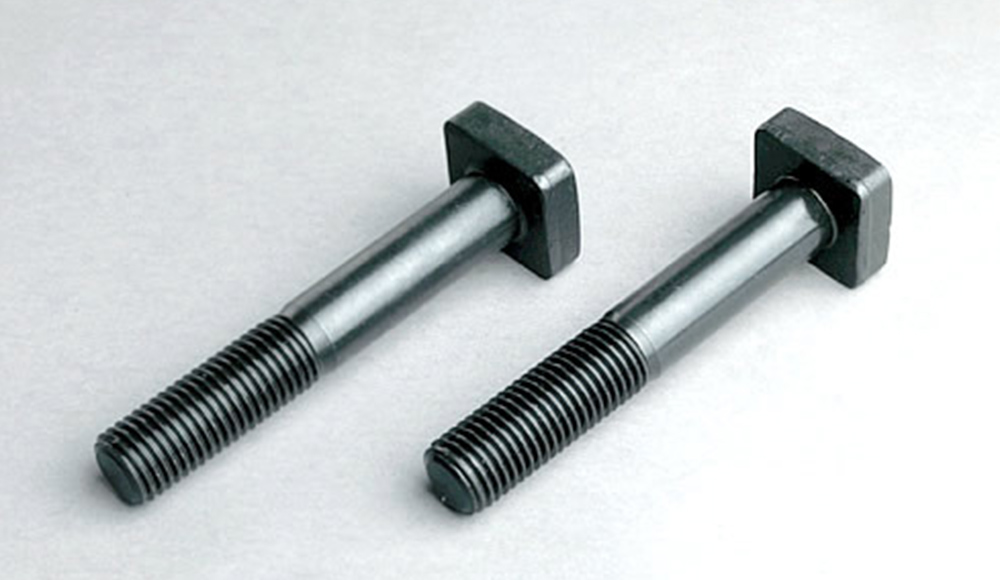
From Round to Robust: The Robertson Legacy
Prior to the square drive, slotted screws were dominant, notorious for their tendency to cam-out (the driver slipping out of the screw head) and strip, leading to damaged fasteners, bits, and materials, alongside inefficient production lines. Robertson’s ingenious solution was a recess shaped like a perfect square, allowing the driver bit to mate with the screw head much more securely. This design provided superior torque transmission, reducing cam-out significantly and extending the lifespan of both the fasteners and the tools. Its adoption was particularly widespread in the automotive industry, notably Ford, which utilized Robertson screws extensively in its early production lines due to their reliability and speed in assembly. The “squarehead” here became synonymous with efficiency and robustness.
Advantages in Manufacturing and Maintenance
The square drive offered undeniable advantages. Its self-centering nature made one-handed operation feasible, a considerable boon for assembly workers. The conical tapering of the square recess meant that even slightly misaligned bits would naturally guide themselves into the head, enhancing engagement. This mechanical locking feature also made the screws ideal for applications requiring high torque or resistance to vibration. In maintenance, the reduced risk of stripping meant easier removal and reuse of fasteners, contributing to cost savings and longevity of equipment. From furniture manufacturing to construction, and indeed across countless technological devices requiring secure assembly, the “squarehead” screw has consistently proven its value as a fundamental, high-performing component.
Square Heads Beyond Fasteners: Digital and Design Parallels
The concept of “squareness” extends far beyond physical fasteners, permeating various aspects of technology, from digital signal processing to hardware design aesthetics. Here, “squarehead” often implies a precise, unyielding, or clearly defined characteristic.
Square Waves and Digital Precision
In electronics and signal processing, a “square wave” is a non-sinusoidal waveform characterized by instantaneous transitions between two distinct voltage levels. This digital “squarehead” is fundamental to modern computing and communication. It forms the basis for clock signals that synchronize the operations of microprocessors, memory, and peripherals. The sharp, well-defined edges of a square wave represent binary states (on/off, 0/1), which are the bedrock of digital logic. Without the precise, “square” transitions of these signals, the coherent and reliable operation of digital circuits would be impossible. The integrity of these square waves—their rise and fall times, duty cycle, and voltage levels—is critical for data transmission and processing speeds, impacting everything from CPU performance to network bandwidth.
Blocky Aesthetics and Functional Design in Hardware
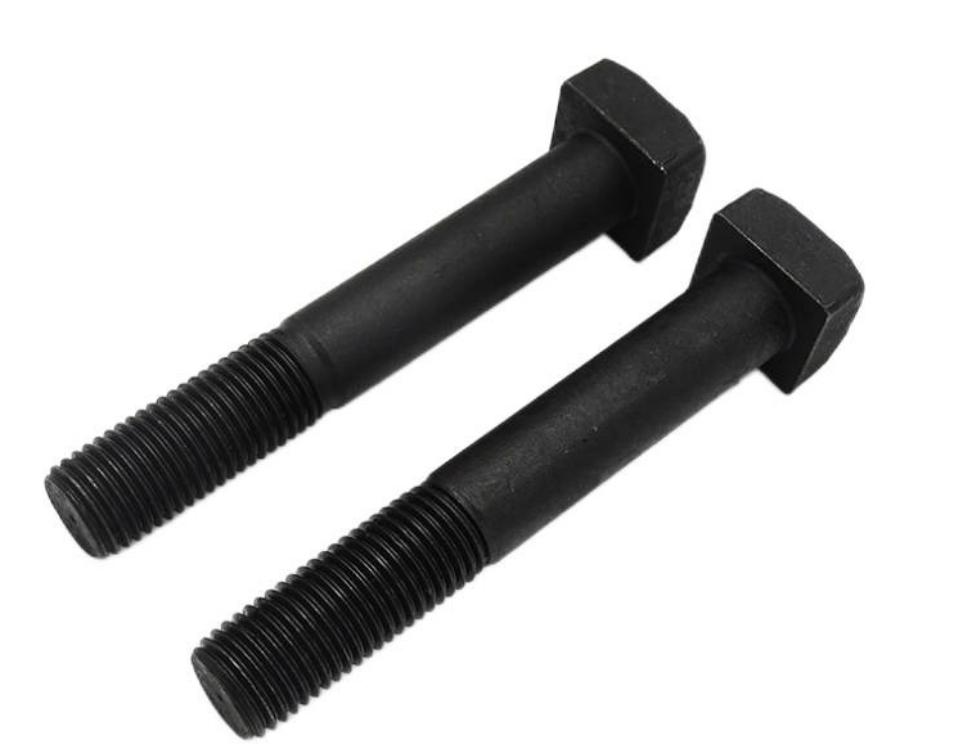
The early days of computing and consumer electronics were often characterized by “squarehead” or blocky designs. Think of the original Macintosh, early game consoles, or industrial machinery. This aesthetic was not merely a stylistic choice but often a reflection of manufacturing capabilities, material science, and a focus on pure functionality. Rectangular enclosures maximized internal volume for components, provided stable platforms, and were easier to manufacture using injection molding or sheet metal fabrication. The “squarehead” design in this context signifies a pragmatic approach, prioritizing modularity, structural integrity, and ease of assembly and repair. While modern aesthetics often lean towards sleeker, more organic forms, the underlying principles of robust, functional “square” enclosures remain evident in server racks, industrial control panels, and modular computing systems where practicality outweighs sculptural form.
The Metaphorical “Squarehead”: Rigor in Software and AI
Moving beyond the physical, the “squarehead” concept takes on a metaphorical dimension in the abstract realms of software architecture and artificial intelligence, representing methodologies that emphasize structure, determinism, and logical consistency.
Structured Data and Database Architecture
In software engineering, “squarehead” thinking translates directly into the design of structured data and relational database architectures. Data models that are “square” are rigidly defined, with clear schemas, relationships, and integrity constraints. Each piece of data has a well-defined type, format, and place within the larger structure, much like a square peg fitting perfectly into a square hole. This structured approach is fundamental for ensuring data consistency, reliability, and efficient retrieval. SQL databases, with their tables, rows, and columns, are prime examples of this “squarehead” philosophy, providing a robust framework for managing vast amounts of information in a predictable and controlled manner. The absence of “squareness”—or structure—in data often leads to “data swamps” that are difficult to query, analyze, and maintain, underscoring the value of a structured, “square-headed” approach.
Deterministic Algorithms and Logical Frameworks
Within algorithm design and AI, a “squarehead” approach implies a preference for deterministic algorithms and logical frameworks. Deterministic algorithms, given the same input, will always produce the same output, following a precisely defined sequence of steps. This predictability is crucial for systems where reliability and verifiable outcomes are paramount, such as financial trading platforms, safety-critical software in aviation, or industrial automation. The “squarehead” here represents a commitment to logical rigor, explicit rules, and verifiable proofs, ensuring that the system behaves exactly as intended, without ambiguity or unexpected deviations. While probabilistic and heuristic approaches are vital in many AI applications, the foundational “squarehead” principles of logic, precision, and systematic execution underpin the development and evaluation of even the most complex machine learning models, ensuring their interpretability and trustworthiness.
The Future of “Square” Thinking in Technology
As technology continues its rapid evolution, the principles embodied by the “squarehead” – strength, precision, and logical structure – remain indispensable, adapting and integrating with new paradigms.
The Enduring Value of Simplicity and Strength
In an era of increasing complexity, the enduring value of “squarehead” simplicity and strength cannot be overstated. From robust mechanical designs that resist failure to digital protocols that ensure data integrity, the foundational elements of technology often benefit most from straightforward, reliable constructions. This approach minimizes points of failure, simplifies diagnostics, and reduces maintenance overhead. As devices become smaller and more integrated, the demand for components that are both precise and durable only grows. The lessons learned from the square drive screw—its superior engagement and resistance to cam-out—continue to inform the design of advanced connectors and modular systems in fields like robotics and quantum computing, where even microscopic errors can have macroscopic consequences.

Adapting Robust Designs for Emerging Tech
The “squarehead” philosophy is not static; it continually adapts to new challenges. In the realm of cyber security, for example, “squarehead” thinking translates into highly structured and immutable ledger technologies like blockchain, where cryptographic “blocks” of data are linked in an unalterable, sequential chain. Each block is a “squarehead” of information, precisely defined and securely connected, resisting tampering and ensuring transparency. Similarly, in the development of explainable AI (XAI), the drive is to imbue complex neural networks with a “squarehead” quality—making their decision-making processes more transparent, logical, and auditable, moving away from “black box” models towards systems whose reasoning can be clearly understood and verified.
Ultimately, “what is a squarehead” in technology boils down to recognizing and appreciating the powerful role of precision, robustness, and systematic design. Whether in a physical fastener, a digital signal, a database schema, or an ethical AI framework, the “squarehead” principle represents a commitment to foundational strength and clarity, which continues to be a cornerstone of innovation across the technological landscape.
aViewFromTheCave is a participant in the Amazon Services LLC Associates Program, an affiliate advertising program designed to provide a means for sites to earn advertising fees by advertising and linking to Amazon.com. Amazon, the Amazon logo, AmazonSupply, and the AmazonSupply logo are trademarks of Amazon.com, Inc. or its affiliates. As an Amazon Associate we earn affiliate commissions from qualifying purchases.