
The concept of a “semester credit” is a fundamental building block in the architecture of higher education, yet its financial implications are often overlooked by students and parents alike. Far more than just a measure of academic effort, the semester credit serves as the primary currency by which colleges and universities calculate tuition, determine financial aid eligibility, and ultimately, quantify the value of an educational investment. Understanding its multifaceted role is crucial for astute financial planning and maximizing the return on your educational journey.
The Financial Foundation of Higher Education
At its core, a semester credit is a standardized unit representing a specific amount of instructional time and student work over a semester. However, its true significance shines through its direct correlation with the monetary aspects of college attendance.
Defining the Semester Credit
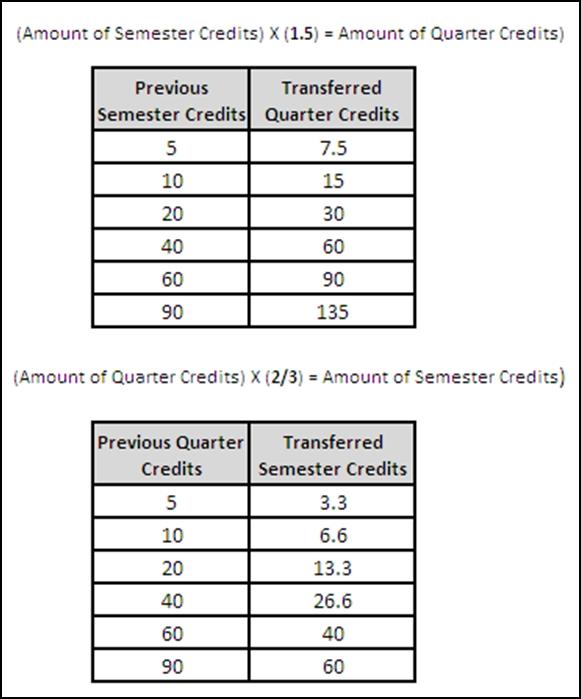
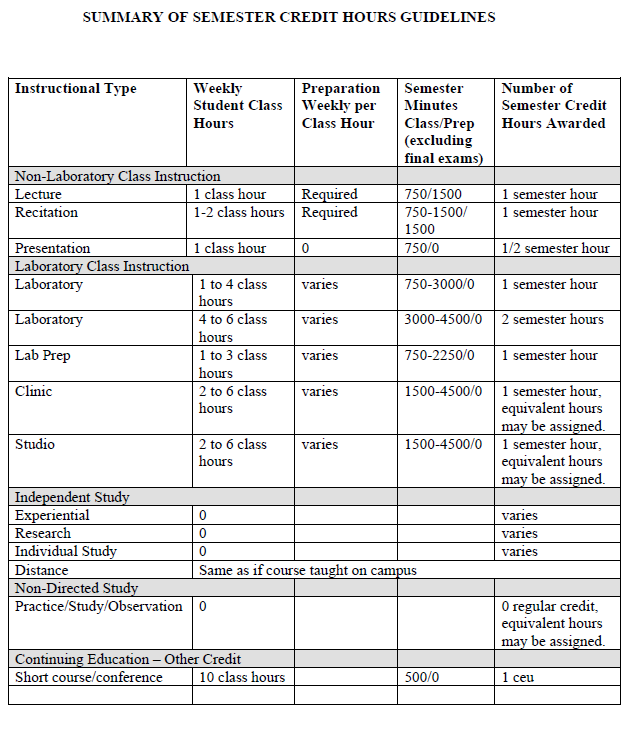
Typically, one semester credit hour signifies approximately one hour of classroom instruction per week over a 15- to 16-week semester, coupled with an expectation of two to three hours of out-of-class work (like homework, studying, and projects) for every hour of in-class time. Most standard courses, such as an introductory English or calculus class, are assigned three credit hours. This means a student taking a three-credit course can expect about three hours of classroom time and six to nine hours of dedicated study time each week. While seemingly straightforward, this formula is the bedrock upon which tuition bills are constructed. For a student to earn a typical bachelor’s degree, generally 120 credit hours are required, which translates into a substantial financial commitment over four or more years.
How Credits Translate to Tuition Costs
The most immediate financial impact of a semester credit is its direct link to tuition fees. Colleges and universities almost universally price their education on a per-credit-hour basis. This “sticker price” can vary dramatically from institution to institution—a public in-state university might charge a few hundred dollars per credit, while a private institution could charge upwards of a thousand dollars or more per credit.
Consider a student enrolling in five three-credit courses for a total of 15 credit hours in a semester. If the tuition rate is $500 per credit hour, the tuition for that semester alone would be $7,500 ($500 x 15). Over an academic year (two semesters), this amounts to $15,000. This calculation excludes additional mandatory fees, room and board, books, and personal expenses, which further inflate the overall cost of attendance. Understanding the per-credit cost allows students and families to accurately project tuition expenses, compare different institutions, and make informed decisions about affordability before committing to an enrollment.
Understanding Full-Time vs. Part-Time Enrollment
The number of semester credits a student takes also dictates their enrollment status, which carries significant financial implications. Full-time status is typically defined as enrolling in 12 or more credit hours per semester, though some institutions or specific programs may have higher thresholds (e.g., 15 credits for optimal graduation pace). Part-time status is anything below this threshold.
Many institutions offer a flat tuition rate for full-time students taking between 12 and 18 credits, effectively making additional credits within this range “free” from a tuition perspective. This creates a financial incentive for students to take a heavier course load if they can manage it academically, potentially accelerating their path to graduation and reducing the total number of semesters they pay tuition. Conversely, dropping below full-time status can impact financial aid eligibility, which we will explore further, and may extend the time to degree completion, thereby increasing overall living expenses and potentially delaying entry into the workforce. Careful consideration of credit load is paramount for managing both academic progress and financial outflow.
Credit Hours and Financial Aid Eligibility
The number of semester credits a student is enrolled in is a critical determinant for receiving various forms of financial assistance, from federal student aid to institutional scholarships. Maintaining a specific credit load isn’t just an academic requirement; it’s a financial necessity for many.
Federal Student Aid Requirements
The Free Application for Federal Student Aid (FAFSA) is the gateway to billions of dollars in federal grants, work-study programs, and student loans. Eligibility for these programs is inextricably linked to enrollment status, which is, in turn, dictated by semester credits. Most federal student aid programs require students to be enrolled at least half-time (typically 6 credit hours per semester) to qualify for aid disbursements. Pell Grants, for instance, are often prorated based on enrollment intensity—a student enrolled half-time will receive less Pell Grant funding than a student enrolled full-time. Federal student loans also have specific enrollment requirements; students must maintain at least half-time status to defer repayment on existing loans and to be eligible for new ones. Failing to meet these credit thresholds can lead to a reduction or complete loss of federal aid, leaving students with unexpected financial gaps.
State and Institutional Grants and Scholarships
Beyond federal aid, state-specific grant programs and individual college scholarships often impose similar, or even stricter, credit hour requirements. Many institutional scholarships, particularly merit-based ones, mandate continuous full-time enrollment (12+ credits) and a minimum GPA to remain renewable. Some scholarships may even require a higher credit load, such as 15 credits per semester, to ensure timely graduation.
It’s crucial for students to thoroughly review the terms and conditions of all grants and scholarships they receive. A common pitfall is misunderstanding these requirements, leading to the unexpected forfeiture of aid. Losing a significant scholarship due to dropping a class and falling below the required credit threshold can have devastating financial consequences, potentially forcing students to take out additional loans or even withdraw from their studies.
The Impact of Dropping or Withdrawing from Courses
The decision to drop a course or withdraw from a semester can have profound financial repercussions directly tied to credit hours. If a student drops a course after the add/drop period, they may still be financially responsible for the tuition associated with that course, even if they no longer attend it. More critically, if dropping a course causes a student to fall below the minimum credit threshold for financial aid eligibility (e.g., from full-time to part-time or from part-time to less than half-time), a portion of their federal student aid might be “unearned” and could be subject to repayment.
This repayment obligation, known as a Return of Title IV Funds, means students could owe money back to the Department of Education or their institution, adding an unexpected debt burden. Institutions also often have their own refund policies tied to withdrawal dates, meaning a full tuition refund might not be granted, even if federal aid is adjusted. Understanding these policies before making changes to enrollment is vital to avoid significant financial penalties.
Maximizing Your Educational Investment
Strategic management of semester credits is not just about meeting requirements; it’s about optimizing your financial outlay and accelerating your path to a valuable degree. Every credit effectively managed can translate into saved time and money.
Strategic Course Selection and Credit Load
Choosing an optimal credit load each semester is a critical financial decision. While 12 credits typically constitute full-time status, many academic advisors recommend aiming for 15 credits per semester to ensure graduation within four years for a standard 120-credit bachelor’s degree. As mentioned earlier, if an institution charges a flat rate for 12-18 credits, taking 15 or 18 credits offers better value per credit than taking just 12. This strategy can reduce the total number of semesters required, thereby cutting down on cumulative tuition costs, living expenses, and the opportunity cost of delaying entry into the workforce. Students should balance academic rigor with financial efficiency, ensuring they can handle the workload without jeopardizing their grades or mental health.
Transferring Credits: Saving Time and Money
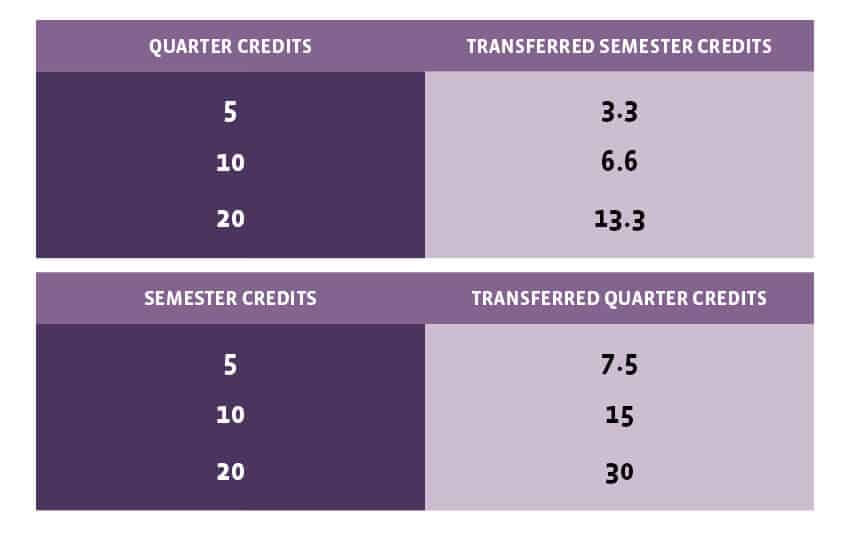
Transferring credits from other institutions or prior learning experiences is one of the most effective ways to reduce the total cost and time required for a degree. Credits earned through community colleges, Advanced Placement (AP) exams, International Baccalaureate (IB) programs, or dual enrollment programs can often be applied toward a bachelor’s degree, directly reducing the number of credits a student needs to take at their primary institution. Community college credits, for example, are often significantly cheaper per credit hour than those at a four-year university.
For students planning this route, it is imperative to confirm with their target university’s admissions and advising offices which specific credits will transfer and how they will apply to their degree program. A well-executed transfer strategy can shave off entire semesters of tuition and living expenses, representing thousands of dollars in savings.
The Value of Prior Learning Assessment (PLA)
Prior Learning Assessment (PLA) offers another powerful, though often underutilized, method for earning academic credit without traditional coursework, directly impacting financial efficiency. PLA allows students to demonstrate college-level knowledge gained through work experience, military service, professional training, or independent study, often through portfolios, standardized exams (like CLEP or DSST), or challenge exams.
Earning credits through PLA can significantly reduce the number of courses a student needs to take, saving considerable tuition costs and time. For instance, a student with extensive professional experience in project management might be able to demonstrate competency for several business credits, avoiding the need to pay for and attend those courses. Institutions offering PLA services are effectively providing a pathway to leverage life experience into academic currency, offering a financially savvy alternative to traditional enrollment for specific credits.
Credits Beyond the Bachelor’s: Graduate Studies and Professional Development
The concept of credit hours extends beyond undergraduate degrees, taking on new forms and financial implications in graduate studies and professional development.
Graduate Credit Structures and Costs
Graduate programs often operate on a different credit hour structure, with courses typically ranging from 1 to 4 credits. While the total number of credits required for a master’s or doctoral degree may be fewer than for an undergraduate degree (e.g., 30-60 credits for a master’s), the cost per credit hour is frequently much higher. This makes each graduate credit a significantly larger financial investment.
Furthermore, many graduate programs incorporate research credits, thesis credits, or dissertation credits, which may have different tuition rates or be part of a flat-fee structure for full-time enrollment. Understanding these nuances is crucial for budgeting for advanced degrees, where cumulative costs can easily exceed six figures. Financing graduate education often involves a mix of personal savings, assistantships (which may cover tuition in exchange for work), and specialized graduate loans, all of which are tied back to the credit enrollment.
Continuing Education Units (CEUs) vs. Academic Credits
For professionals, ongoing learning is often measured in Continuing Education Units (CEUs) rather than academic credits. While CEUs represent a similar concept of documented learning and professional development hours, they typically do not translate directly into academic degree credits at universities. Instead, CEUs are primarily used for maintaining professional licenses, certifications, or demonstrating ongoing competency in specific fields.
Financially, CEU courses are often paid for out-of-pocket or covered by employers as part of professional development budgets. While they don’t directly reduce degree costs, investing in CEUs can enhance career prospects, leading to salary increases or new job opportunities, thereby offering a different kind of financial return on investment. It’s important to distinguish between the two for accurate financial planning for both academic pursuits and professional growth.
Long-Term Financial Return on Credit Investment
Ultimately, every semester credit taken and successfully completed represents an investment in human capital. The cumulative effect of these credits, culminating in a degree, has a well-documented long-term financial return. Studies consistently show that individuals with higher levels of education earn significantly more over their lifetimes, experience lower rates of unemployment, and have greater career mobility.
The upfront cost of tuition per credit, student loans, and foregone income during study are significant, but they are typically outweighed by the enhanced earning potential, benefits, and job security that a degree provides. Viewing each credit not just as a cost, but as a unit of investment towards future financial stability and prosperity, helps frame the financial decisions surrounding higher education with a long-term perspective. Strategic management of credit hours, from selection to transfer, directly contributes to optimizing this crucial financial return.
Financial Planning for Credit Accumulation
Effective financial planning is essential to navigate the costs associated with semester credits and ensure a sustainable educational journey.
Budgeting for Tuition and Fees
The first step in financial planning for credit accumulation is creating a detailed budget that accounts for tuition and fees based on your projected credit load. Beyond the per-credit tuition rate, remember to factor in mandatory fees (technology fees, activity fees, health fees), which can add hundreds or even thousands of dollars per semester. Use the institution’s net price calculator to get a more accurate estimate of your out-of-pocket costs after grants and scholarships. Compare costs across different institutions, considering not just tuition but also the overall cost of attendance including living expenses. Early and accurate budgeting can prevent financial surprises and help in making informed decisions about where to pursue your education.
Exploring Payment Plans and Loan Options
For students unable to pay the full tuition bill upfront, most institutions offer interest-free payment plans that allow students to spread their payments over the semester. This can significantly ease the financial burden compared to a single lump sum payment. When loans become necessary, understanding the different types—federal subsidized, unsubsidized, PLUS loans, and private loans—is crucial. Federal loans generally offer more favorable terms, including fixed interest rates and income-driven repayment options, and eligibility for some depends on credit hours. Private loans, while filling funding gaps, often have higher interest rates and fewer borrower protections. Always exhaust federal loan options before considering private lenders. Borrowing only what is absolutely necessary and understanding the long-term repayment implications are vital for responsible financial management.
The Importance of Satisfactory Academic Progress (SAP)
Finally, maintaining Satisfactory Academic Progress (SAP) is a non-negotiable financial requirement. SAP standards, mandated by federal regulations, require students to maintain a minimum GPA, successfully complete a certain percentage of attempted credit hours (pace of completion), and complete their degree within a maximum timeframe (e.g., 150% of the credits required for the degree). Failing to meet SAP can result in the loss of federal financial aid eligibility, including grants and loans, regardless of financial need. This means that a student’s academic performance directly impacts their ability to fund their education. Understanding and adhering to SAP policies is therefore not just an academic concern, but a critical financial one, ensuring continued access to the funding necessary to complete a degree and realize the full financial return on their educational investment.
aViewFromTheCave is a participant in the Amazon Services LLC Associates Program, an affiliate advertising program designed to provide a means for sites to earn advertising fees by advertising and linking to Amazon.com. Amazon, the Amazon logo, AmazonSupply, and the AmazonSupply logo are trademarks of Amazon.com, Inc. or its affiliates. As an Amazon Associate we earn affiliate commissions from qualifying purchases.