
In the dynamic world of collectibles, from sports cards and comic books to video games and non-sport cards, condition is paramount to value. Among the myriad grading services, Professional Sports Authenticator (PSA) stands as a prominent authority, and its highest designation – the PSA 10 – represents the pinnacle of quality, often unlocking significant financial premiums for investors and collectors alike. Understanding what constitutes a PSA 10 is crucial for anyone looking to navigate the collectible market as an alternative asset class.
The Foundation of Collectible Valuation: Grading Standards
For decades, the collectible market was largely an opaque landscape where condition assessments were subjective and often inconsistent. This lack of standardization created significant hurdles for buyers and sellers, hindering liquidity and making it difficult to assess true market value. The advent of third-party grading services like PSA revolutionized this sector by introducing objective, consistent standards, thereby fostering trust and facilitating a more robust investment environment.
What is PSA?
Professional Sports Authenticator (PSA), a division of Collectors Universe, Inc., is a leading third-party authentication and grading service for trading cards, sports memorabilia, and other collectibles. Established in 1991, PSA’s mission has been to provide accurate and unbiased evaluations, protecting both buyers and sellers from misrepresented items. By encapsulating graded items in tamper-evident holders, PSA offers not only a professional grade but also security and preservation, which collectively enhance an item’s marketability and long-term value. Their certification directly influences the financial perception and liquidity of a collectible.
The Grading Scale: From POOR 1 to GEM-MINT 10
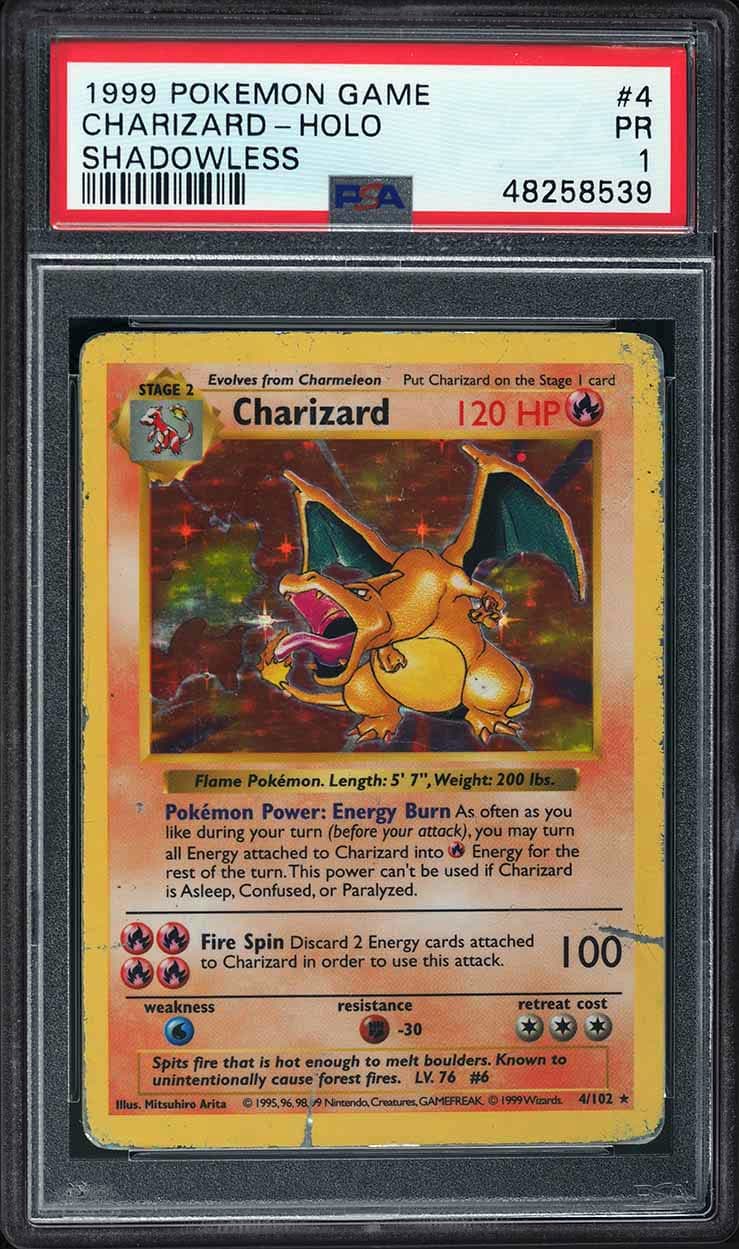
PSA employs a comprehensive 10-point grading scale, with half-point increments available for grades 1.5 through 9.5 (excluding 10). This granular system allows for nuanced distinctions in condition, directly correlating to market value. The scale ranges from “POOR 1” (an item with significant damage, often considered for its rarity or historical significance rather than condition) to “GEM-MINT 10.”
Each numerical grade represents a specific range of condition attributes, with higher grades signifying fewer imperfections. For investors, understanding this scale is fundamental to assessing potential returns. A seemingly minor difference, such as a PSA 9 vs. a PSA 10, can translate into an exponential difference in monetary value, reflecting the market’s premium on perfection and scarcity at the top tier.
Unpacking the Perfection: Defining a PSA 10
A PSA 10, also known as “Gem-Mint,” is an item that exhibits virtually flawless condition. Achieving this grade is exceptionally difficult because it requires perfection across multiple stringent criteria. Any minor flaw in any single category can drop a card’s grade significantly. For investors, recognizing these critical attributes is key to identifying potentially high-value assets before submission or purchase.
Centering: The Art of Symmetry
Centering refers to the item’s image being perfectly or near-perfectly aligned within its borders. For a PSA 10, centering must be 50/50 on the front and 60/40 or better on the back. This means the visual image must appear equidistant from all four edges. Even a slight tilt or uneven border width can disqualify an item from a PSA 10. From an investment perspective, perfectly centered items are visually appealing and rare, which translates directly into higher demand and premium pricing in the secondary market. Poor centering immediately devalues a collectible as it detracts from its aesthetic integrity.
Corners: Razor-Sharp Edges
The corners of a PSA 10 item must be sharp, pointed, and free of any wear, fraying, or rounding. Even microscopic imperfections, such as a slight ding or a touch of white showing on a corner, are enough to prevent a Gem-Mint designation. Collectors and investors scrutinize corners meticulously because they are highly susceptible to damage during manufacturing, handling, and storage. The pristine nature of PSA 10 corners signifies careful preservation and manufacturing precision, which are highly rewarded financially.
Edges: Smooth and Unblemished
Similar to corners, the edges of a PSA 10 item must be smooth, clean, and free from any chipping, nicks, or rough areas. The integrity of the edges indicates an item has been handled with extreme care and has not suffered any impact. Any whitening along the edges, often resulting from friction or minor damage, is a common culprit for lower grades. Impeccable edges contribute to the overall visual appeal and structural integrity, signaling to potential buyers that the item has been maintained in optimal condition, thus commanding a higher price.
Surface: Flawless Presentation
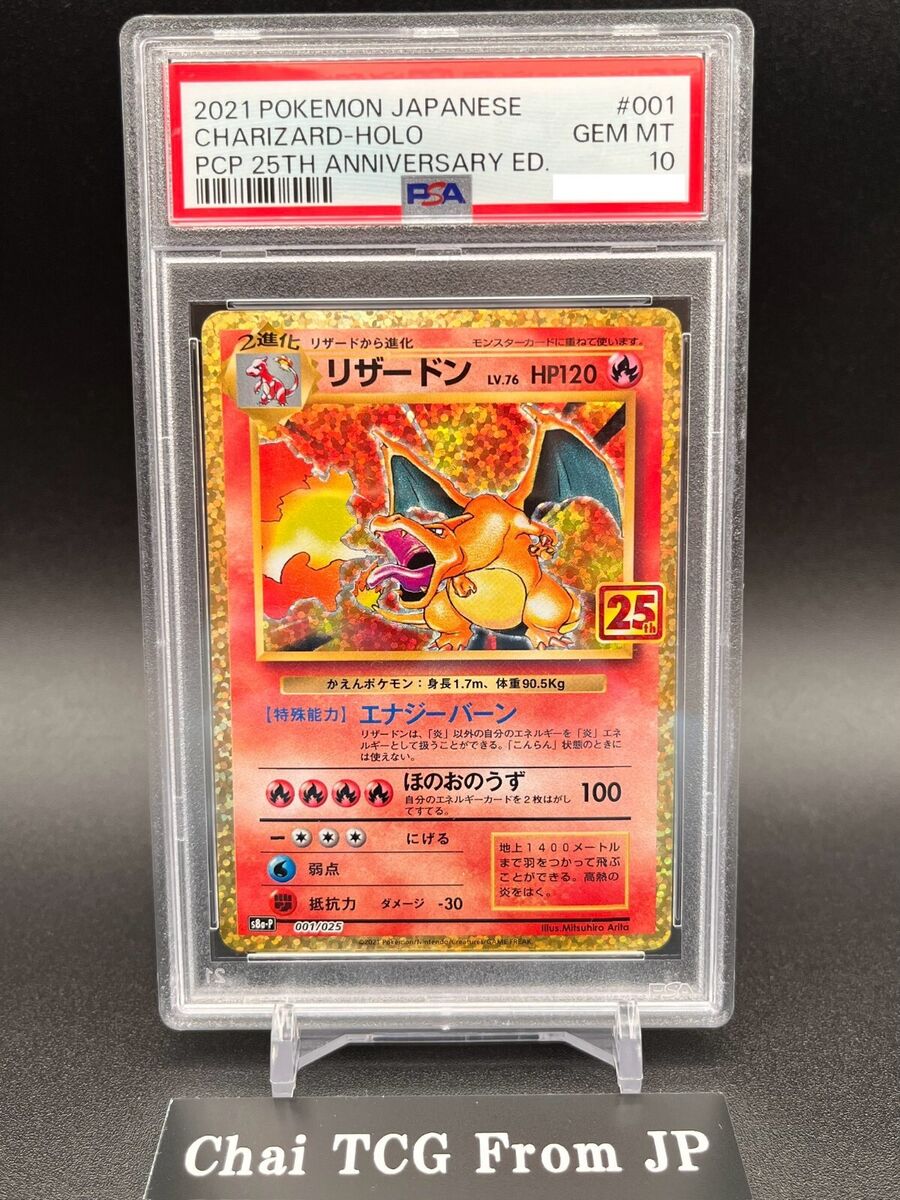
The surface of a PSA 10 must be free of any noticeable flaws. This includes print defects, scratches, indentations, creases, wax stains, or loss of gloss. Even tiny imperfections, such as a minor print dot or a subtle scuff, can prevent a Gem-Mint grade. The surface is often the first thing a potential buyer notices, and any blemish can significantly detract from the item’s perceived value and, consequently, its market price. A pristine surface not only enhances aesthetic appeal but also assures investors of the item’s unblemished state, contributing to its top-tier valuation.
The Financial Impact: Why a PSA 10 Matters for Investors
The distinction of a PSA 10 grade is not merely aesthetic; it carries profound financial implications that are central to investment strategies in the collectibles market. A Gem-Mint designation transforms a common collectible into a premium asset, often yielding returns far exceeding those of lower-graded counterparts.
Premium Pricing and Liquidity
The most immediate financial impact of a PSA 10 is the substantial price premium it commands. A PSA 10 version of an item can be several, even dozens, of times more valuable than the same item graded a PSA 9 or lower. This exponential increase in value is due to the extreme rarity of true perfection. Investors understand that the supply of Gem-Mint items is inherently limited, especially for older or vintage pieces, making them highly sought after.
Furthermore, PSA 10 items enjoy superior liquidity. They are easier to sell and often attract a wider pool of serious buyers, including high-net-worth collectors and institutional investors, who are willing to pay top dollar for the best possible condition. This increased demand and ease of transaction make PSA 10s an attractive component of a diversified investment portfolio.
Rarity and Market Demand
The pursuit of “perfection” is a fundamental driver in many luxury and investment markets, and collectibles are no exception. The rigorous standards for a PSA 10 mean that only a small percentage of submitted items ever achieve this grade. This inherent scarcity, particularly for iconic or historically significant items, fuels intense market demand. As more collectors and investors enter the market, the competition for these pristine assets increases, driving prices upward. A PSA 10 often acts as a benchmark for the item’s true maximum potential value, influencing prices across all other grades below it.
Mitigating Risk: Authenticity and Condition Assurance
Investing in raw, ungraded collectibles carries inherent risks related to authenticity and accurate condition assessment. Buyers might unknowingly purchase counterfeit items or misjudge the condition, leading to overpayment. PSA’s authentication and grading services significantly mitigate these risks. A PSA 10 certification provides an undeniable assurance of authenticity and objective condition, eliminating guesswork and boosting buyer confidence. This trust factor is invaluable, especially for high-value transactions, as it protects investors from potential fraud and ensures they are receiving an item of verified quality, thereby safeguarding their capital.
Beyond the Grade: Strategic Considerations for Collectors and Investors
While the PSA 10 grade is a powerful indicator of value, successful investing in collectibles requires a broader strategic perspective. Savvy investors look beyond the singular grade to understand market dynamics, population data, and long-term trends.
Population Reports and Scarcity
PSA provides publicly accessible “Population Reports,” which detail the number of items graded at each level for every specific card or collectible. Investors utilize these reports to gauge the true scarcity of a PSA 10 item. A card with a “pop 1” (only one known PSA 10) or “pop 5” (five known PSA 10s) will typically command a much higher premium than a card with a “pop 500,” even if both are PSA 10s. Analyzing population data allows investors to identify truly rare assets that are likely to appreciate more significantly over time due to their limited supply relative to demand.
Market Trends and Forecasting
Like any investment, the collectible market is subject to trends. Factors such as nostalgia, cultural relevance (e.g., successful movie franchises, anniversaries), athlete performance, and macroeconomic conditions can all influence demand and pricing. Investors must monitor these trends, research historical sales data, and consider expert analysis to make informed decisions. A PSA 10 of a highly trending item might see rapid appreciation, while a PSA 10 of an item falling out of favor might stagnate or even decline in value, despite its perfect grade. Diversification across different eras, brands, and categories can help mitigate risk.
Long-Term Holding vs. Short-Term Trading
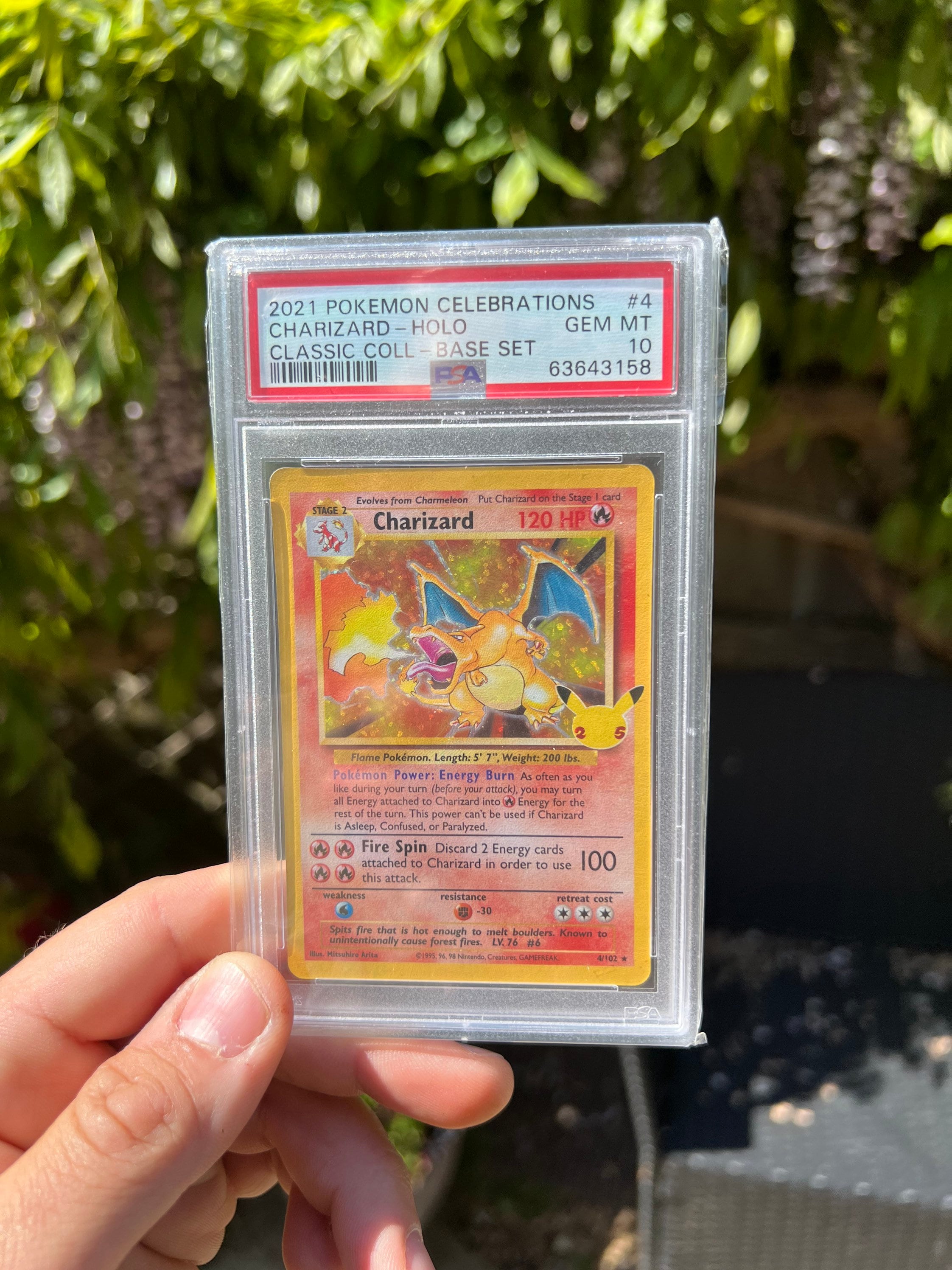
The strategy for investing in PSA 10s can vary from long-term holding to short-term trading. Long-term investors often target iconic, historically significant items with low population counts, expecting steady appreciation over decades. They prioritize preservation and view these items as tangible assets akin to fine art or rare coins. Short-term traders might capitalize on hype cycles, aiming to buy PSA 10s of currently popular items and sell them quickly as prices peak. Both strategies require a deep understanding of market dynamics, but the inherent liquidity and premium value of PSA 10s make them suitable for a range of investment horizons.
In conclusion, a PSA 10 signifies more than just a perfect item; it represents a highly liquid, premium-priced asset backed by stringent authentication and grading standards. For serious investors, understanding and strategically acquiring PSA 10s can be a cornerstone of a profitable alternative investment portfolio in the ever-evolving world of collectibles.
aViewFromTheCave is a participant in the Amazon Services LLC Associates Program, an affiliate advertising program designed to provide a means for sites to earn advertising fees by advertising and linking to Amazon.com. Amazon, the Amazon logo, AmazonSupply, and the AmazonSupply logo are trademarks of Amazon.com, Inc. or its affiliates. As an Amazon Associate we earn affiliate commissions from qualifying purchases.