
A Mardi Gras krewe is far more than just a parade organizer; it is a meticulously crafted, living brand, embodying a unique identity, strategy, and legacy within the vibrant tapestry of Carnival. Emerging from secretive societies and social clubs in the 19th century, krewes have evolved into sophisticated entities, each with its own distinct persona, mission, and public presentation. Understanding a krewe means delving into the strategic architecture of its identity, its methods of community engagement, and its enduring impact on local culture through a lens of corporate and personal branding principles.
The Genesis of a Unique Identity
The very existence of a krewe is predicated on the establishment and maintenance of a strong, singular identity. This identity is not accidental but is forged through historical context, carefully selected symbolism, and a continuous narrative that differentiates one krewe from another.
Historical Roots and Cultural Significance
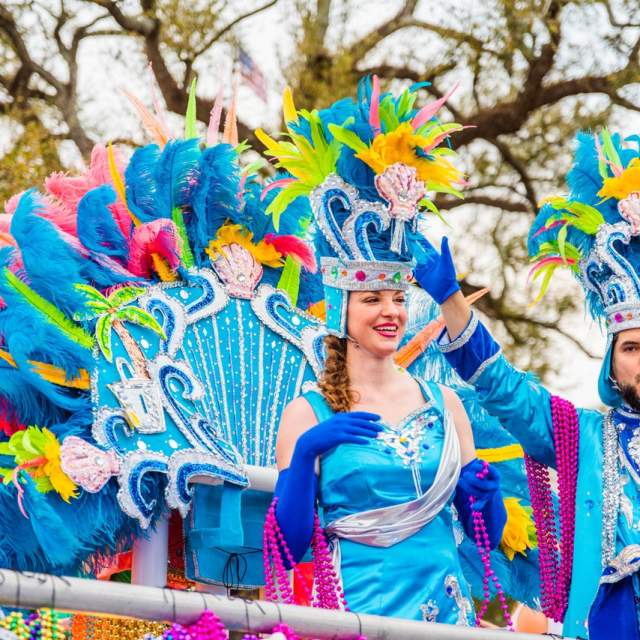
Early krewes were often born from specific social circles, shared interests, or even political affiliations. This foundational context immediately imbued them with a distinct “origin story” — a powerful branding tool. For example, the Mistick Krewe of Comus, established in 1857, set the precedent for secrecy, mythological themes, and structured parades. Their choice of name, derived from Greek mythology, and their masked appearances instantly created an aura of mystery and exclusivity, core tenets of their brand identity that persist to this day. The historic krewes established a blueprint: a name, a crest, a motto, and a theme that, year after year, reinforced their presence and prestige. These elements serve as timeless brand assets, communicating stability, tradition, and authority.
Crafting a Distinct Persona
Every krewe meticulously crafts a persona that is evident in every aspect of its public and private life. This persona is akin to a corporate brand’s voice and visual identity. Krewe names often reference mythology (Comus, Proteus, Endymion), historical figures (Rex, Bacchus), or whimsical concepts (Muses, Zulus). Each name carries inherent connotations, setting expectations and framing the krewe’s narrative. This naming convention is a fundamental branding exercise, immediately conveying character and style.
Beyond the name, krewes develop intricate visual identities. This includes official colors, emblems, crests, and unique insignias that are proudly displayed on everything from parade floats to formal invitations and member attire. The precise design of these elements is crucial, ensuring they are recognizable, memorable, and consistent across all platforms. For instance, the Krewe of Rex, known as “The King of Carnival,” employs a regal aesthetic with gold, purple, and green as its signature colors, reinforced by its iconic cross and scepter emblem. This consistent visual language reinforces its royal brand position within Mardi Gras.
The Krewe as a Community Brand
Krewes operate as powerful community brands, fostering immense loyalty among members and captivating public audiences. Their success hinges on strategic community building, careful messaging, and the spectacular display of their collective identity.
Membership, Loyalty, and Exclusivity
Membership in a krewe is a highly sought-after affiliation, reflecting brand exclusivity and prestige. Just as consumers aspire to own luxury brands, individuals often vie for a spot within a desirable krewe. This exclusivity is cultivated through invitation-only policies, waiting lists, and sometimes significant financial commitments in the form of dues and contributions. Once a member, loyalty is reinforced through shared experiences, traditions, and the collective pride of belonging. Annual events, social gatherings, and the camaraderie of parade day all serve to strengthen the internal brand community. The “brand ambassador” role is inherently adopted by every member, who proudly represents their krewe through their participation and enthusiasm. The distinctiveness of each krewe’s identity ensures that potential members seek out a brand that aligns with their personal values, social aspirations, and desired level of commitment.
Parade Presentation: The Ultimate Brand Showcase
The Mardi Gras parade is the ultimate public relations and branding event for a krewe. Each float, costume, and indeed, every thrown “throw” is a meticulously planned component of a grand, moving advertisement for the krewe’s identity. The annual parade theme is a cornerstone of this showcase. This theme dictates the design of floats, the elaborate costumes of riders, and often influences the unique throws distributed. Choosing a compelling and imaginative theme is a strategic decision, aimed at captivating audiences, generating media buzz, and reinforcing the krewe’s creative prowess.
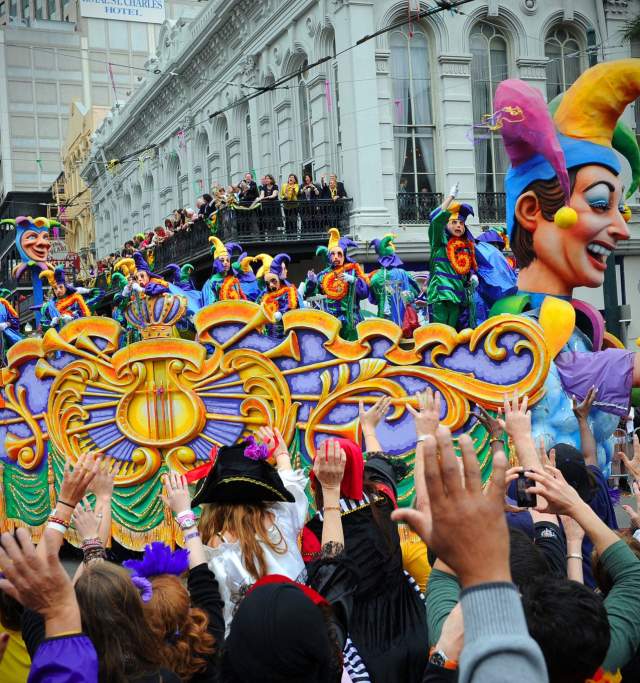
Float designs are essentially three-dimensional brand installations. They are engineered to be visually striking, tell a story related to the theme, and incorporate the krewe’s colors and iconography subtly or overtly. The scale, artistry, and mechanical ingenuity displayed on the floats speak volumes about the krewe’s resources, ambition, and commitment to excellence. The cumulative effect is a powerful, multi-sensory brand experience that solidifies the krewe’s position in the public consciousness and leaves a lasting impression.
Sustaining Tradition Through Strategic Branding
For krewes, tradition is a vital brand asset, but it requires strategic management to remain relevant and vibrant. This involves balancing historical adherence with creative evolution, particularly in their visual identity and the tangible representations they distribute.
Evolution of Imagery and Themes
While core brand elements like names and foundational symbols remain steadfast, krewes strategically evolve their annual themes and imagery to maintain freshness and appeal. This is analogous to a mature brand periodically refreshing its product lines or marketing campaigns. A krewe’s ability to interpret a theme creatively, whether it’s abstract concepts, historical periods, or pop culture references, demonstrates its dynamism and adaptability without compromising its fundamental identity. For example, a krewe with a mythological identity might explore different facets of its chosen deity or pantheon each year, offering new interpretations while staying true to its roots. This controlled innovation ensures that while the “brand” is recognized, it also offers something new and exciting, preventing stagnation.
The Art of Throws: Tangible Brand Reminders
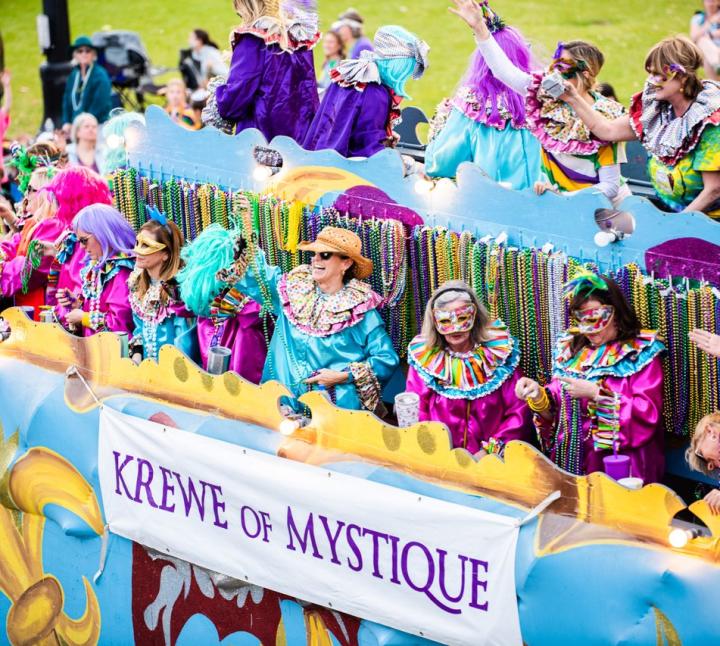
Mardi Gras “throws” — the beads, cups, doubloons, and specialized trinkets tossed from floats — are ingenious pieces of experiential marketing and brand collateral. Far from random trinkets, many krewes invest significant resources in designing custom throws that reflect their unique identity and the year’s theme. Custom doubloons, for instance, are highly collectible, acting as commemorative coins that bear the krewe’s crest, year, and theme. These are physical embodiments of the krewe’s brand, tangible takeaways that extend the parade experience into homes and collections.
Specialty throws are even more potent branding tools. The Krewe of Muses, for example, is renowned for its hand-decorated shoes, which have become iconic symbols of their brand. These unique items are highly coveted, generating immense excitement and reinforcing the krewe’s distinct, artistic persona. The “catch” of a Muses shoe is not just a souvenir; it’s a profound connection to the krewe’s brand, a story to be told, and a testament to its creative marketing prowess. These throws create an interactive engagement with the audience, making them participants in the krewe’s brand story, rather than mere spectators.
Beyond the Parade: Year-Round Brand Engagement
A krewe’s brand influence extends far beyond the few weeks of Carnival. Many krewes cultivate a year-round presence, strategically engaging with their community and leveraging modern platforms to maintain visibility and relevance.
Philanthropy and Community Impact
Numerous krewes actively engage in philanthropic endeavors, using their established brand and organizational structure to benefit the wider community. Organizing charity events, supporting local causes, or contributing to civic improvements allows krewes to build a positive public image and demonstrate their commitment beyond entertainment. This social responsibility component enhances their brand reputation, aligning them with community values and fostering goodwill. It transforms them from mere celebratory organizations into impactful civic entities, strengthening their brand equity. For example, some krewes fund arts education, support historical preservation, or contribute to local infrastructure, showcasing their long-term investment in the region they represent. This strategic alignment with community well-being solidifies their brand as responsible and integral to the fabric of the city.
Digital Presence and Modern Outreach
In the digital age, krewes have adapted their branding strategies to include robust online presences. Websites, social media platforms (Facebook, Instagram, X), and even dedicated apps serve as crucial channels for communication, member recruitment, and public engagement. These digital platforms allow krewes to share historical information, announce parade themes, showcase float designs, highlight philanthropic efforts, and engage with fans in real-time. This modern outreach is vital for maintaining brand visibility, attracting new members and spectators, and preserving their legacy in an increasingly digital world. High-quality photography, video content, and consistent messaging across these platforms ensure that the krewe’s identity remains coherent and compelling, reaching global audiences far beyond the parade route.
The Enduring Legacy of Krewe Identity
Ultimately, a Mardi Gras krewe represents a masterclass in brand building and longevity. Their success lies in their ability to forge a compelling identity, strategically market themselves through elaborate displays and tangible assets, cultivate deep loyalty among their constituents, and adapt over time while staying true to their core values. Each krewe, with its unique story, symbols, and traditions, contributes to a collective narrative that is bigger than any single organization, yet profoundly shaped by the individual brand strategies employed by its constituent krewes. They are not merely clubs; they are living brands, meticulously curated to enchant, endure, and define a cultural phenomenon.
aViewFromTheCave is a participant in the Amazon Services LLC Associates Program, an affiliate advertising program designed to provide a means for sites to earn advertising fees by advertising and linking to Amazon.com. Amazon, the Amazon logo, AmazonSupply, and the AmazonSupply logo are trademarks of Amazon.com, Inc. or its affiliates. As an Amazon Associate we earn affiliate commissions from qualifying purchases.