
Legacy admission refers to a practice predominantly found in higher education, particularly at elite institutions, where an applicant’s chances of admission are significantly enhanced if a parent or grandparent previously attended that university. While often framed as a tradition that fosters community and loyalty, at its core, legacy preference is a deeply intertwined financial strategy, influencing everything from institutional endowments to individual economic trajectories. Understanding legacy admissions requires dissecting its financial mechanisms, the economic advantages it bestows, and its broader implications for financial equity and opportunity.
The Financial Underpinnings of Legacy Preferences
Far from being a mere sentimental nod to tradition, legacy admissions serve as a robust financial pillar for many universities. The direct and indirect financial contributions from alumni are critical to an institution’s long-term viability and growth, and legacy policies are often viewed as a strategic investment in cultivating and retaining these vital relationships.
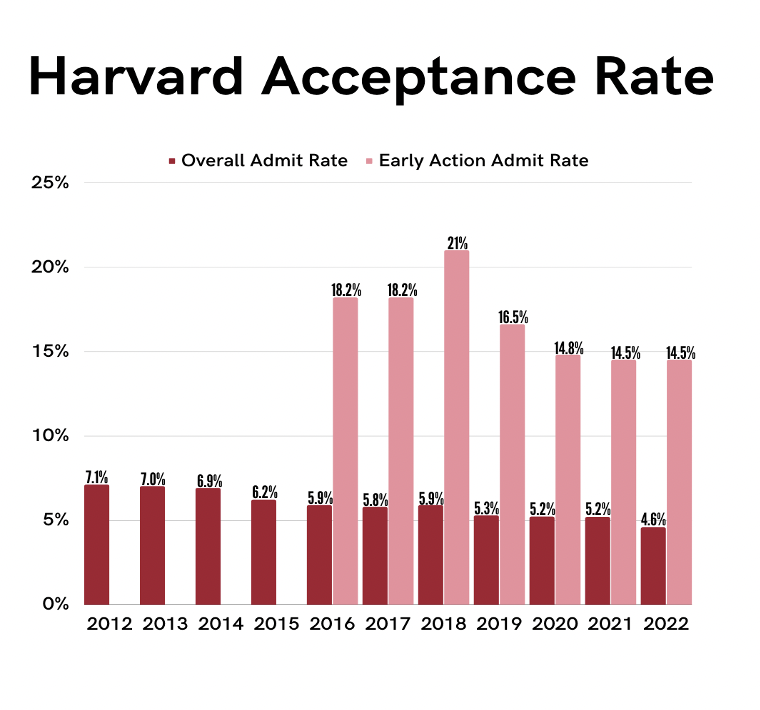
Fueling Endowments and Fundraising
University endowments are massive pools of capital generated from donations, the returns on which fund scholarships, faculty salaries, research, and infrastructure. Legacy admissions play a significant role in fueling these endowments. Alumni, particularly those who have achieved financial success, often feel a stronger connection and a greater philanthropic inclination towards their alma mater if they perceive their family’s multi-generational ties to the institution as valued. The knowledge that their children or grandchildren might benefit from an admission advantage can be a powerful motivator for substantial donations. These contributions directly bolster the university’s financial health, enabling it to maintain its competitive edge, fund ambitious projects, and offer more comprehensive programs, which in turn attracts more students and further reinforces its brand value.
The Donor-Student Cycle
The relationship between alumni donations and legacy admissions often creates a self-reinforcing cycle. Wealthy alumni are more likely to donate generously if they believe their financial support might benefit their offspring’s educational prospects. These donations then enhance the university’s financial stability, allowing it to invest in facilities, faculty, and research, which in turn reinforces its prestige. This prestige makes the institution even more desirable, increasing demand and the value of a legacy connection. This cycle effectively transforms a portion of the admissions process into a mechanism for capital accumulation, where the “price” of entry for some is not just tuition, but also a history of familial financial support and future philanthropic commitment. From a financial management perspective, it’s a long-term investment in maintaining a loyal, financially capable donor base.
Economic Advantage and Disadvantage
The impact of legacy admissions extends far beyond the university’s balance sheet, profoundly affecting the economic prospects of both legacy and non-legacy applicants. It represents a form of inherited economic capital, providing a tangible advantage in the competitive race for valuable educational credentials.
A Boost to Human Capital
For the individual legacy applicant, admission to a highly selective institution carries immense economic value. A degree from a prestigious university often translates into higher earning potential, better networking opportunities, and faster career progression. This is due to the enhanced “human capital” acquired through rigorous education, access to influential alumni networks, and the signaling power of the institution’s brand. Legacy admissions essentially provide a preferential pathway to accumulating this valuable human capital, giving legacy students a head start in their economic lives. This advantage compounds over time, leading to greater wealth accumulation and intergenerational economic mobility for the families involved. It’s an investment in future earning power, facilitated by a past connection rather than purely present merit.
The Opportunity Cost for Others
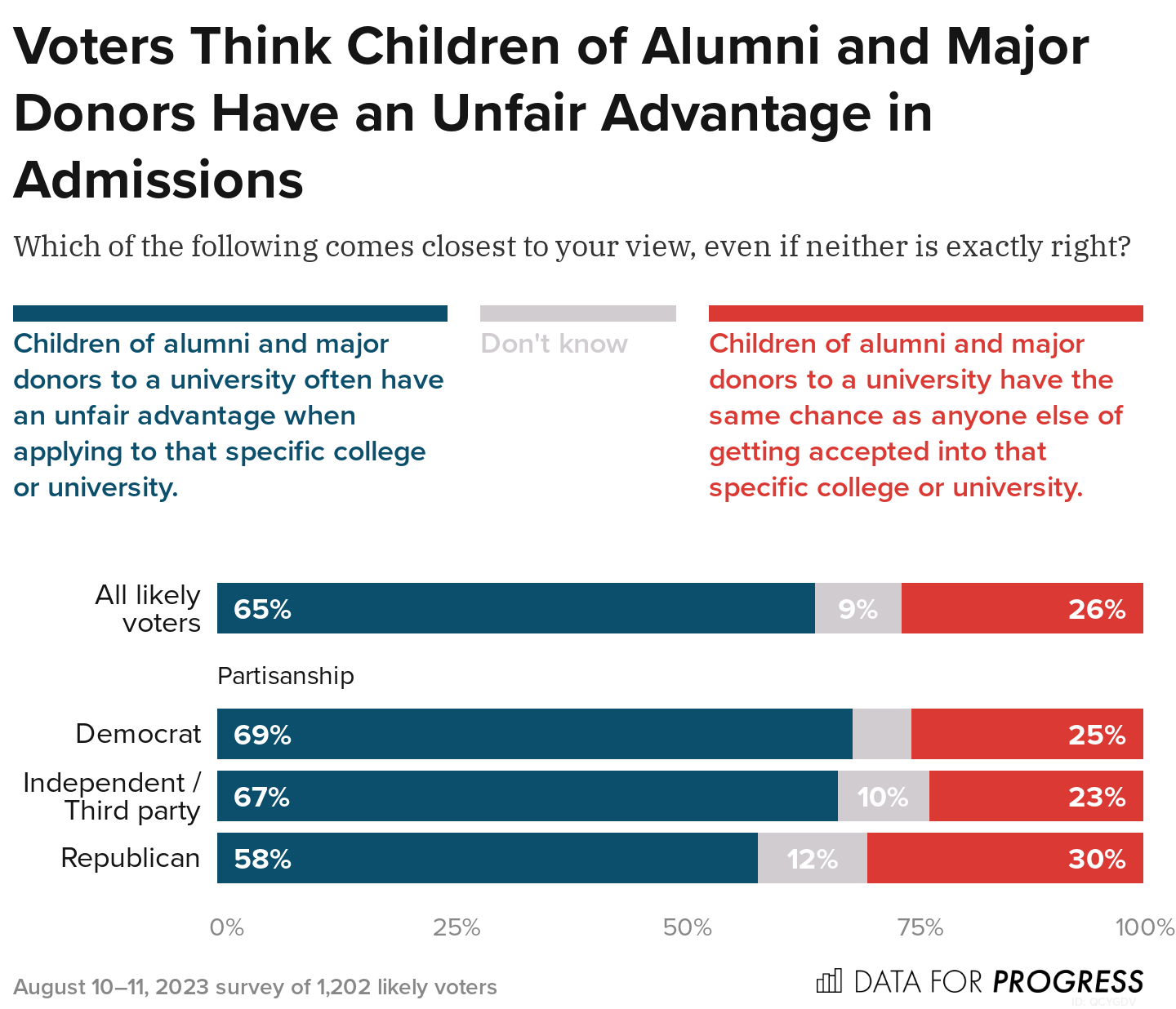
Conversely, legacy admissions impose a significant opportunity cost on non-legacy applicants. For every legacy student admitted, a non-legacy applicant, who might otherwise be more qualified academically, financially, or in terms of diversity, is denied entry. This denial means these individuals miss out on the economic and social benefits associated with attending a top-tier institution. The opportunity cost isn’t just a lost acceptance letter; it’s the potential loss of a higher lifetime income, access to elite professional networks, and the accelerated upward mobility that a prestigious degree can provide. From an economic perspective, this raises questions about the optimal allocation of scarce educational resources. If the goal is to maximize societal human capital or economic mobility, then admitting individuals based on inherited connections rather than pure merit could be seen as an inefficient allocation, potentially hindering broader economic progress and reinforcing existing wealth disparities.
Institutional Financial Health vs. Meritocracy
The ongoing debate surrounding legacy admissions often pits a university’s immediate financial solvency and fundraising goals against the ideals of meritocracy, fairness, and equitable access to education. For institutions, it’s a complex balancing act with significant financial stakes.
Balancing the Books with Alumni Loyalty
For university financial officers and development teams, the calculus is often pragmatic. Maintaining a strong alumni donor base is crucial for meeting operational expenses, funding research, expanding programs, and ensuring the institution’s financial resilience in an increasingly competitive higher education landscape. Legacy preferences are perceived as a key tool in this strategy, fostering loyalty and encouraging financial generosity that might not otherwise materialize. The financial benefits from large donations often outweigh the perceived costs of admitting a slightly less qualified legacy applicant. Without this stream of alumni funding, universities might face difficult financial choices, potentially leading to increased tuition, reduced financial aid, or cuts to academic programs, all of which could negatively impact the institution’s overall financial health and competitiveness.
The Debate Over Fairness and Access
While the financial arguments for legacy admissions are compelling for institutions, the ethical and economic arguments against it are equally strong. Critics argue that legacy preferences perpetuate a system of inherited privilege, undermining the principle of meritocracy and hindering social mobility. In an era where college affordability and access are major concerns, policies that appear to favor the wealthy and connected are often seen as fundamentally unfair. From a financial perspective, this practice means that some individuals effectively pay—directly or indirectly, through their families’ past donations—for a leg up in the admissions process, rather than earning it purely on their own merits. This can lead to a less diverse student body, both socioeconomically and experientially, which in turn can diminish the educational experience for all students and potentially limit the economic vibrancy and innovation that comes from a broader range of perspectives. The financial value of a degree is immense, and denying access based on non-meritocratic factors is seen by many as exacerbating financial inequality.
Navigating the Legacy Landscape
As the debate over legacy admissions intensifies, particularly with legal challenges and increasing public scrutiny, institutions and families alike are grappling with its implications. Understanding this landscape requires strategic financial planning and an awareness of its broader societal impacts.
Strategic Financial Planning for Higher Education
For families aspiring to elite education, understanding the dynamics of legacy admissions can be a component of long-term financial planning. This might involve strategic giving to target institutions over many years, though this is primarily an option for affluent families. For the vast majority of families, financial planning for higher education focuses on maximizing academic achievement, leveraging financial aid opportunities, and carefully evaluating the return on investment (ROI) of various institutions. The existence of legacy preferences underscores the importance of a multi-faceted approach to college admissions and finance, recognizing that merit isn’t always the sole determinant of access to valuable educational assets. It also highlights the need for a robust personal financial strategy to fund higher education, whether through savings, scholarships, or strategic loan management, especially for those without the financial advantages tied to legacy status.
Broader Implications for Social Mobility
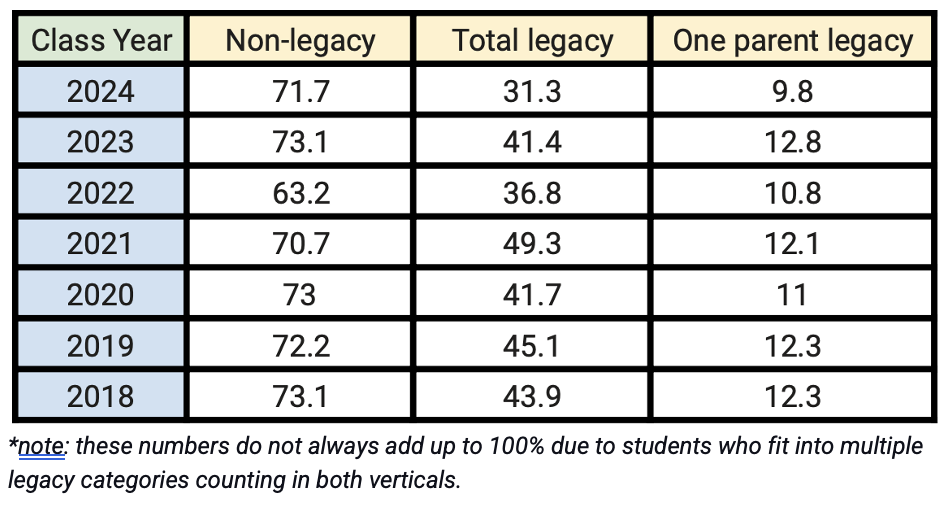
The ongoing discussion about legacy admissions is not just about individual university policies; it’s a reflection of larger questions about economic opportunity, social mobility, and the distribution of wealth within society. As calls for greater equity in higher education grow, institutions face increasing pressure to re-evaluate practices that may disproportionately benefit the already privileged. The financial implications of these decisions are profound. Should universities prioritize their immediate financial health through legacy donations, or should they prioritize broader societal economic benefits by fostering a truly meritocratic system that maximizes human potential across all socioeconomic strata? The answer will have lasting consequences for who gains access to the most powerful engines of economic advancement and, by extension, the future landscape of financial equality and opportunity.
aViewFromTheCave is a participant in the Amazon Services LLC Associates Program, an affiliate advertising program designed to provide a means for sites to earn advertising fees by advertising and linking to Amazon.com. Amazon, the Amazon logo, AmazonSupply, and the AmazonSupply logo are trademarks of Amazon.com, Inc. or its affiliates. As an Amazon Associate we earn affiliate commissions from qualifying purchases.