
At the technological heart of nearly every vehicle’s entertainment and information ecosystem lies a crucial component often overlooked by the casual driver: the head unit. Far more than just a simple car radio, a head unit is the central command center for audio, navigation, communication, and a growing array of intelligent features within modern vehicles. Understanding this sophisticated piece of technology is key to appreciating the capabilities and potential of in-car digital experiences.
The Core of Your In-Car Entertainment System
A head unit, sometimes referred to as a car stereo, receiver, or deck, is the primary interface through which a driver and passengers interact with their vehicle’s infotainment system. It’s the brains and the face of the system, consolidating various functions into a single, accessible device.
Definition and Primary Function
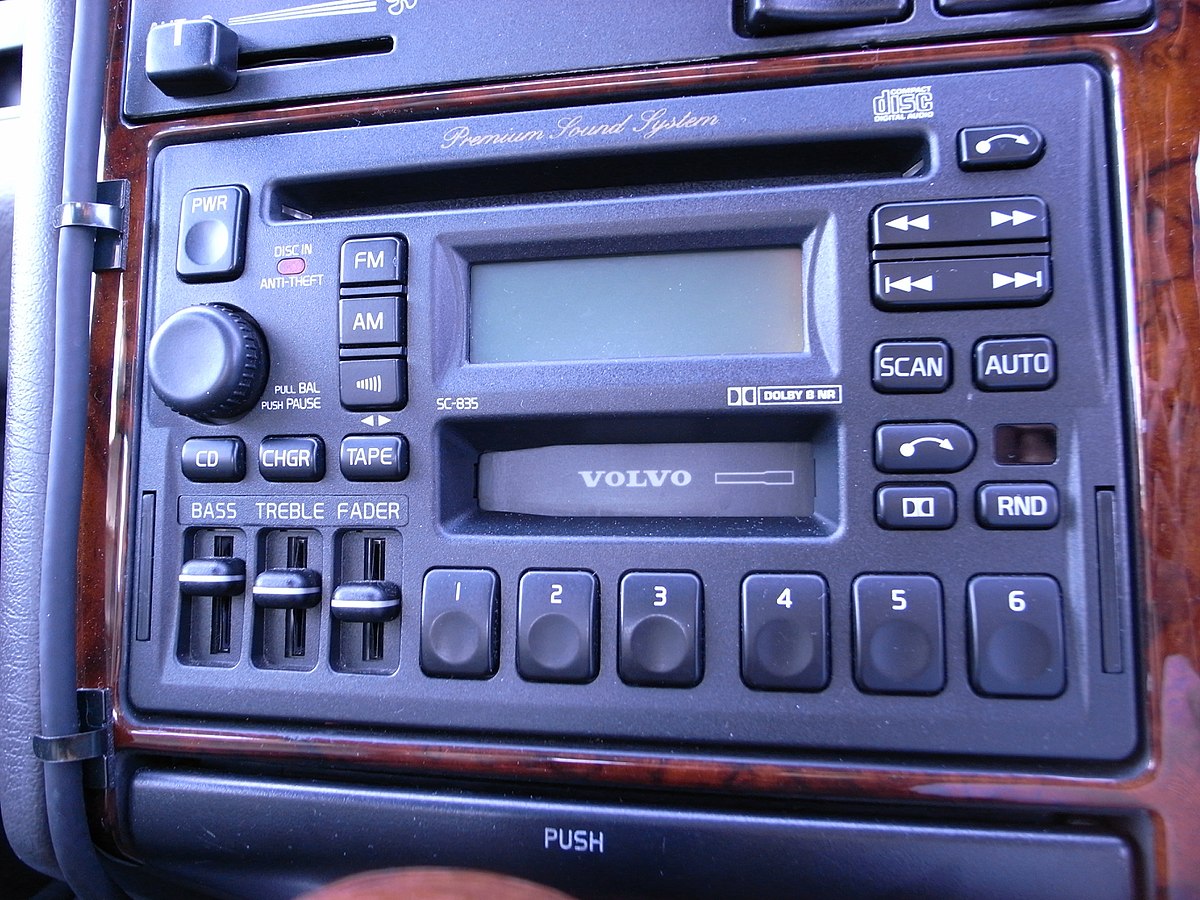
Fundamentally, a head unit’s primary function is to receive, process, and output audio and visual information. This includes radio signals (AM/FM, satellite), audio from external media (CDs, USB drives, Bluetooth devices), navigation data, and increasingly, video content. It houses the necessary amplifiers, tuners, digital signal processors, and user interface components to manage these diverse inputs and present them to the user. Beyond entertainment, modern head units also serve as a gateway for communication, enabling hands-free calling, messaging, and access to smartphone applications, thereby enhancing both convenience and safety on the road.
Historical Context and Evolution
The concept of a head unit has evolved dramatically since the early days of car radios. Initially, these devices were simple AM/FM tuners, offering basic audio output. The introduction of cassette players in the 1970s and CD players in the 1980s marked significant leaps, providing drivers with more control over their music choices. The 21st century ushered in the digital age, transforming head units from single-purpose audio devices into multifaceted infotainment hubs. The integration of GPS navigation, touchscreen displays, Bluetooth connectivity, and smartphone mirroring technologies like Apple CarPlay and Android Auto has redefined the head unit’s role, making it an indispensable part of the driving experience. This evolution reflects a broader trend in automotive technology towards greater connectivity, personalization, and seamless integration with personal digital lives.
Key Components and Connectivity
A modern head unit is a sophisticated aggregation of various technologies, working in concert to deliver a rich user experience. Its effectiveness is derived from the synergy of its internal hardware and its ability to connect with external devices and networks.
Display and User Interface
The most visible component of a head unit is its display, which typically ranges from small monochrome screens to large, high-resolution color touchscreens. Touchscreens are now ubiquitous, offering intuitive control over a myriad of functions through taps, swipes, and gestures. Beyond touch, physical buttons, rotary knobs, and voice commands often complement the interface, providing flexibility and ensuring ease of use while driving. The user interface (UI) design is critical, aiming for clarity, responsiveness, and minimal distraction, often customizable to suit individual preferences.
Audio Processing and Amplification
At its core, a head unit is an audio device. It contains a digital-to-analog converter (DAC) that transforms digital audio signals into analog waveforms, alongside a pre-amplifier that boosts these signals to a level suitable for the main power amplifier. Most head units also feature an integrated amplifier to power speakers directly. For audiophiles or systems with aftermarket speakers and subwoofers, the head unit often provides pre-amp outputs (RCA jacks) to connect to external, more powerful amplifiers. Digital Signal Processors (DSPs) are increasingly common, allowing for advanced audio tuning, equalization, time alignment, and crossover settings to optimize sound quality within the unique acoustic environment of a car cabin.
Input/Output Ports (USB, AUX, HDMI)
Connectivity is paramount. Head units come equipped with a variety of input/output (I/O) ports to interface with external media and devices.
- USB ports are standard, enabling playback from flash drives, charging smartphones, and facilitating data transfer for smartphone mirroring technologies.
- Auxiliary (AUX) inputs allow for direct analog audio connection from older MP3 players or other devices.
- HDMI ports are found on more advanced units, allowing for high-definition video input from compatible sources like gaming consoles or media players, often routed to rear-seat entertainment screens.
- SD card slots are also common, particularly for navigation map data or media storage.
Wireless Technologies (Bluetooth, Wi-Fi)
The rise of wireless connectivity has fundamentally transformed the head unit.
- Bluetooth is indispensable for hands-free calling, audio streaming from smartphones, and connecting to various peripherals like OBD-II scanners or external microphones. Modern Bluetooth versions offer improved audio quality and connection stability.
- Wi-Fi capabilities allow head units to connect to the internet, enabling features like app downloads, online streaming services, real-time traffic updates, and over-the-air software updates. Some units can even act as Wi-Fi hotspots, leveraging a SIM card or tethered smartphone connection to provide internet access to other devices in the vehicle.
Types of Head Units
The market offers a diverse range of head units, each catering to different needs, vehicle compatibility, and technological preferences. These categories often overlap as features become more standardized.
Single-DIN and Double-DIN Units
The terms “single-DIN” and “double-DIN” refer to standardized sizes for car stereo openings.
- Single-DIN units measure approximately 2 inches tall by 7 inches wide. They are common in older vehicles and often feature smaller displays, though some modern single-DIN units incorporate flip-out touchscreens.
- Double-DIN units are twice as tall, measuring about 4 inches tall by 7 inches wide. This larger footprint allows for integrated, larger touchscreens, making them ideal for navigation and advanced infotainment features. Most modern vehicles are designed to accommodate double-DIN units or proprietary factory head units that fill a similar space.
Digital Media Receivers
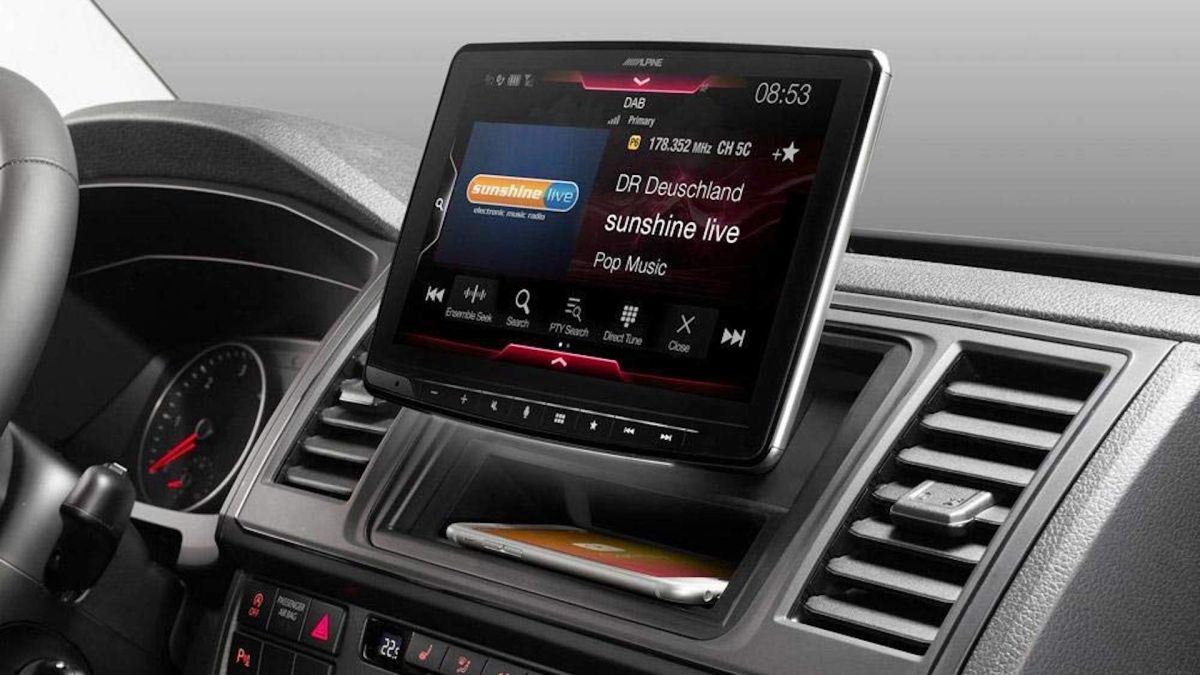
Digital media receivers, sometimes called “mechless” head units, are characterized by their lack of a CD/DVD player. They focus exclusively on digital audio sources like USB drives, Bluetooth streaming, and satellite radio. This design choice often results in a shallower chassis, simplifying installation in some vehicles, and reduces costs. They are perfect for users who primarily consume music through streaming services or digital files.
Navigation Units
Dedicated navigation head units integrate GPS receivers and pre-loaded maps, offering turn-by-turn directions, points of interest, and real-time traffic updates (often requiring an internet connection or subscription). While standalone GPS units were once popular, their functionality is now largely absorbed into more comprehensive infotainment head units, especially those compatible with smartphone mirroring.
Smart Head Units (Android Auto/Apple CarPlay)
Perhaps the most significant innovation in recent years is the emergence of “smart” head units, deeply integrated with smartphone platforms.
- Apple CarPlay and Android Auto are software interfaces that project a simplified version of a smartphone’s operating system onto the head unit’s display. This allows drivers to safely access navigation (Apple Maps, Google Maps, Waze), make calls, send messages, and stream music directly from their phone, controlled via the head unit’s touchscreen or voice commands. These systems often support a curated list of third-party applications, providing a familiar and seamless user experience while minimizing driver distraction. Many new vehicles come with these features factory-installed, and aftermarket head units widely support them, making them a standard expectation for modern in-car tech.
Beyond Basic Functionality: Advanced Features and Integration
Modern head units are continually pushing the boundaries of what’s possible within the vehicle cabin, extending well beyond mere audio playback.
Smartphone Integration and Mirroring
Beyond CarPlay and Android Auto, some head units offer “screen mirroring” technologies that replicate the entire smartphone display on the head unit. While these can be more versatile for certain apps, they are generally less optimized for driving and may require careful use to avoid distraction. The trend is towards deeper, more intelligent integration, where the head unit acts as an extension of the smartphone, leveraging its processing power and connectivity without demanding constant interaction with the phone itself. This includes accessing cloud services, personal assistants, and even smart home controls directly from the vehicle.
Voice Control and AI Assistants
Voice control has become a cornerstone of modern head unit design, enabling drivers to manage navigation, music, calls, and even climate settings without taking their hands off the wheel. Integration with AI assistants like Siri, Google Assistant, or Alexa allows for natural language commands and access to a vast ecosystem of information and services, from checking weather to controlling smart home devices. This shift towards conversational interfaces significantly enhances safety and convenience.
Advanced Audio Features (Equalizers, Crossovers)
For audiophiles, advanced head units offer unparalleled control over sound quality. Multi-band graphic or parametric equalizers allow for precise frequency adjustments to tailor the sound to individual preferences and car acoustics. Built-in crossovers electronically separate audio frequencies, directing lows to subwoofers and highs to tweeters, preventing distortion and improving sound clarity. Time alignment features allow the driver to virtually reposition the speakers, creating a more cohesive soundstage, as if all speakers were equidistant from the listener. These features, once exclusive to high-end home audio, are now accessible within the automotive environment, transforming the car cabin into a sophisticated listening space.
Vehicle Diagnostics and Telematics
Emerging trends see head units integrating with the vehicle’s onboard diagnostics (OBD-II) system. This allows the display of real-time vehicle data such as fuel efficiency, engine performance, tire pressure, and even diagnostic trouble codes. This telematics integration transforms the head unit into a comprehensive vehicle health monitor, providing drivers with critical information at a glance. Furthermore, some systems incorporate geofencing, vehicle tracking, and remote control capabilities, enhancing security and offering new forms of interaction with the vehicle.
Choosing the Right Head Unit for Your Needs
Selecting the ideal head unit involves balancing technological aspirations with practical considerations.
Compatibility and Installation Considerations
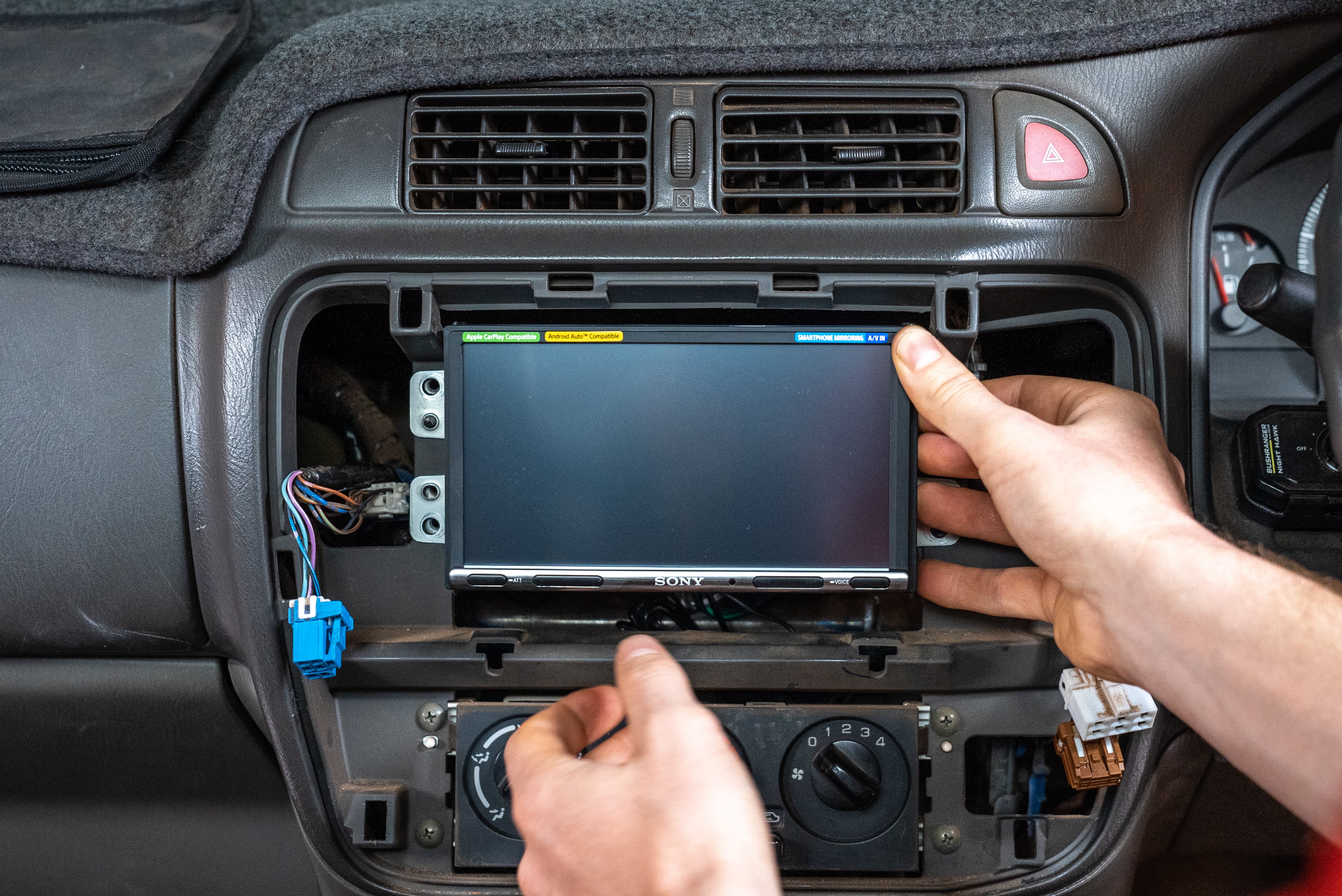
The first step is ensuring compatibility with your vehicle. This includes the DIN size (single or double), wiring harnesses, and potential need for fascia adapters or steering wheel control interfaces to retain factory features. Professional installation is often recommended, especially for complex systems, to ensure proper wiring, functionality, and aesthetic integration. Some modern vehicles have highly integrated factory systems that are difficult or impossible to replace without significant modification, sometimes necessitating specialized integration modules.
Budget vs. Features
Head units range widely in price, from basic digital media receivers to high-end smart units with extensive features. A clear understanding of your primary needs – whether it’s just Bluetooth audio, advanced navigation, or full smartphone mirroring – will help guide your budget. Investing in a unit with essential features you’ll genuinely use offers better value than overspending on capabilities that might go unutilized.
Future-Proofing Your Investment
Given the rapid pace of technological change, consider features that offer some degree of future-proofing. Support for software updates, common connectivity standards (like USB-C), and open platforms (like Android Auto/Apple CarPlay, which receive regular updates) can extend the usable life of your head unit. While no tech purchase is truly future-proof, choosing a unit that embraces current industry standards and offers upgrade paths for software can ensure it remains relevant for years to come, keeping your vehicle’s infotainment system at the cutting edge.
aViewFromTheCave is a participant in the Amazon Services LLC Associates Program, an affiliate advertising program designed to provide a means for sites to earn advertising fees by advertising and linking to Amazon.com. Amazon, the Amazon logo, AmazonSupply, and the AmazonSupply logo are trademarks of Amazon.com, Inc. or its affiliates. As an Amazon Associate we earn affiliate commissions from qualifying purchases.