
In the vast and intricate ecosystem of the food industry, a “food handler” occupies a position of significant, often understated, financial responsibility. Far from being merely an individual who prepares or serves food, a food handler is a critical economic actor, directly influencing a business’s profitability, legal standing, operational efficiency, and even the broader economy. Their role, when viewed through a financial lens, is foundational to preventing losses, ensuring compliance, driving revenue, and safeguarding both consumer and business assets.
The Core Role: Guardians of Financial Health and Safety
At its essence, a food handler is any person who works with unpackaged food, food equipment or utensils, or food-contact surfaces. This broad definition encompasses a vast array of roles, from chefs and line cooks to servers, bartenders, deli clerks, and even dishwashers. However, understanding their identity solely through their operational tasks misses the profound financial implications embedded in their daily activities. From a business finance perspective, food handlers are frontline risk managers and value creators.
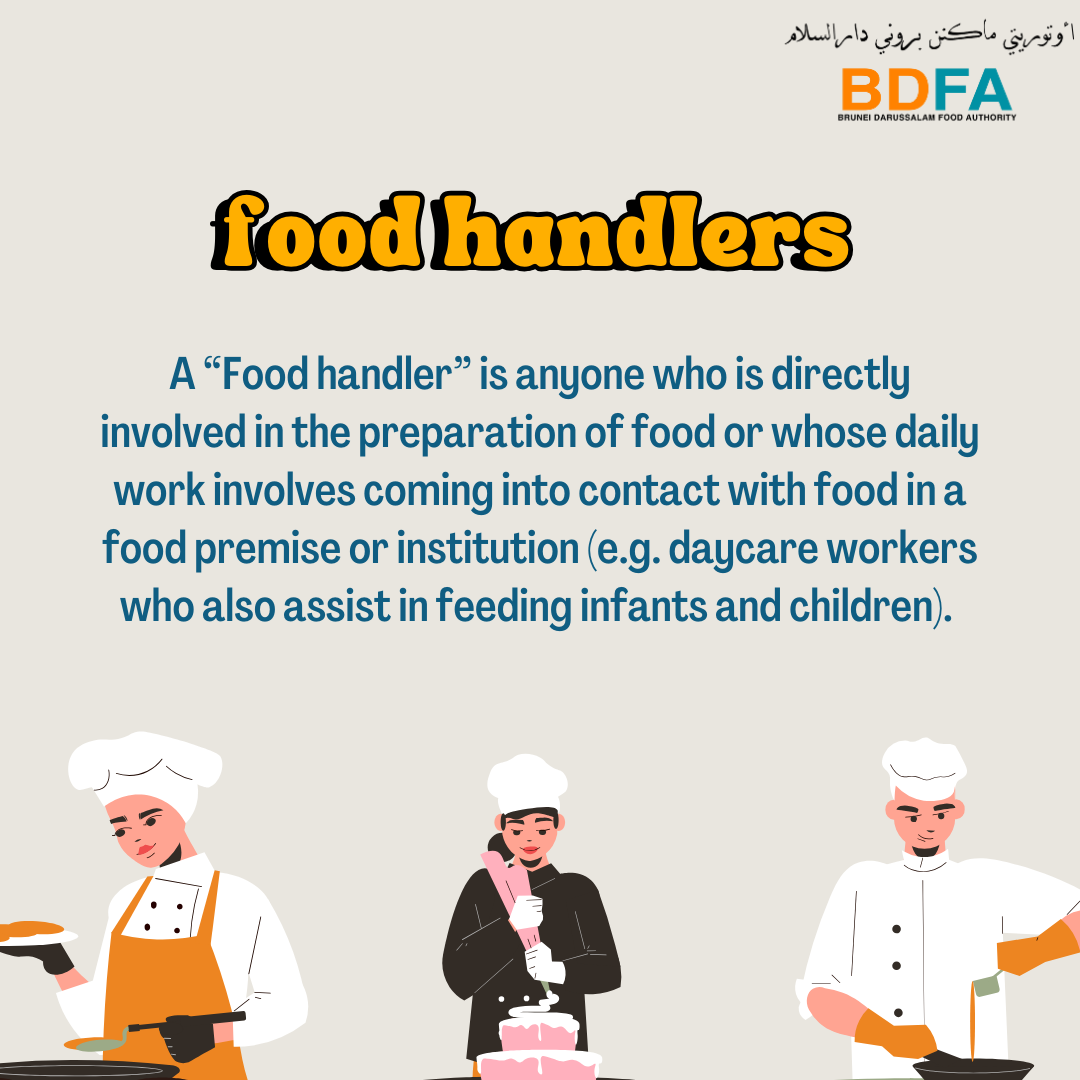
Defining the Role and Its Financial Significance
The fundamental duty of a food handler is to ensure food safety. This isn’t just a matter of public health; it’s a direct determinant of financial viability. Improper food handling can lead to foodborne illnesses, which in turn can trigger a cascade of financially devastating consequences for a business: medical lawsuits, significant fines from health departments, forced closures, loss of customer trust, and irreparable damage to brand reputation—all translating into substantial revenue loss and increased operational costs. Conversely, diligent food safety practices by food handlers protect a business’s financial assets, customer base, and market position. Their adherence to hygiene standards, temperature controls, cross-contamination prevention, and proper storage protocols directly translates into avoided costs and sustained revenue streams.
Beyond the Kitchen: Compliance and Risk Mitigation
Every jurisdiction has specific regulations regarding food safety, often requiring food handlers to undergo certified training and possess permits or licenses. For businesses, ensuring their staff are properly certified isn’t merely an administrative task; it’s a mandatory investment in financial risk mitigation. Non-compliance can result in immediate financial penalties, from minor fines to severe penalties that can bankrupt small businesses. Furthermore, in the event of a foodborne illness outbreak, the lack of certified food handlers or documented training can exacerbate legal liabilities, leading to higher settlements and more punitive judgments. Thus, food handlers are integral to a business’s compliance framework, acting as the human firewall against potential legal and financial catastrophes. Their knowledge and actions directly reduce the probability of costly incidents, thereby preserving the business’s financial solvency and operational continuity.
Costs and Investments: The Business Perspective
For any food-related enterprise, the management and training of food handlers represent significant line items in the budget, yet these are investments that yield substantial financial returns by minimizing risk and optimizing operations.
Training and Certification: An Essential Financial Outlay
The cost of food handler training and certification varies, but it is a non-negotiable expense. This investment covers course fees, materials, and often lost productivity hours during training. However, these upfront costs are minuscule compared to the potential financial fallout of an untrained workforce. A certified food handler understands critical control points, allergen management, and sanitation protocols, thereby actively preventing costly mistakes like product spoilage, customer illness, and regulatory violations. From an accounting standpoint, money spent on training is not merely an expense; it’s a capital investment in human resources that depreciates financial risk and appreciates the operational asset value of the staff. Moreover, some jurisdictions offer tax incentives or subsidies for employee training, further framing it as a financially astute decision.
Labor Costs and Operational Efficiency
Food handlers represent a significant portion of a food business’s operational expenditures, encompassing wages, benefits, payroll taxes, and insurance. Optimizing these labor costs while maintaining high standards of food safety and service is a constant financial balancing act. Efficient food handlers, trained in best practices, contribute to operational efficiency by reducing waste, improving inventory management (through proper storage and rotation), and speeding up service. For example, a food handler skilled in minimizing food waste directly impacts the bottom line by preserving raw material value. Likewise, effective temperature control and storage practices reduce spoilage, turning potential financial losses into maintained inventory value. The financial acumen of a business manager often involves leveraging well-trained food handlers to achieve higher output with fewer errors, thereby boosting productivity and profitability.

The Financial Risks of Non-Compliance and Foodborne Illness
The most direct and severe financial implications linked to food handlers arise from non-compliance with health regulations and, more critically, from foodborne illness outbreaks. A single incident of food poisoning can result in:
- Legal Fees and Settlements: Mounting defense costs, potential payouts to affected customers, and class-action lawsuits. These can range from tens of thousands to millions of dollars.
- Fines and Penalties: Health department violations carry fines that escalate with severity and repeat offenses, often accompanied by mandatory operational adjustments or closures.
- Lost Revenue: Temporary closure for investigation or remediation, coupled with a severe decline in customer patronage due to negative publicity, can decimate revenue streams for extended periods.
- Insurance Premium Hikes: Following an incident, liability insurance premiums for the business are likely to skyrocket, adding a long-term financial burden.
- Brand Erosion: The intangible, yet immensely valuable, asset of brand reputation can be irrevocably damaged, leading to long-term market share loss and difficulty in attracting future customers and employees.
These financial risks underscore why investing in well-trained, responsible food handlers is not just good practice, but an imperative financial strategy for survival and growth in the food industry.
The Food Handler’s Income and Career Path
While businesses bear the costs and reap the financial benefits of competent food handlers, the individual food handler also experiences direct financial implications from their role and expertise.
Wages, Benefits, and Economic Contribution
For the individual, being a food handler provides a source of income, ranging from minimum wage to competitive salaries, depending on skill level, experience, and specific role (e.g., a line cook versus a executive chef). This income contributes to personal finance, supporting households, covering living expenses, and potentially enabling savings or investments. Many positions also come with benefits such as health insurance, paid time off, and retirement plans, adding to the total compensation package and providing essential financial security. Furthermore, collectively, food handlers represent a significant segment of the labor force, contributing to local and national economies through their earning and spending power, fueling consumption and tax revenues.
Upskilling for Higher Earning Potential
The food service industry, while often perceived as entry-level, offers clear pathways for financial advancement. Food handlers who invest in additional certifications (e.g., advanced food safety management, culinary arts degrees, specialized dietary knowledge), develop supervisory skills, or gain experience in specific cuisines can significantly increase their earning potential. A certified kitchen manager or a chef with advanced food safety credentials commands a higher salary due to their increased responsibility and the financial value they bring in terms of risk management and operational oversight. This demonstrates a direct link between investment in professional development and improved personal financial outcomes within the food handling sector. The acquisition of diverse skills and a proven track record of safe and efficient food handling can transition an entry-level position into a financially rewarding career.
Economic Impact: From Local Businesses to the Broader Economy
The financial ramifications of food handlers extend far beyond individual businesses and personal incomes, playing a crucial role in the broader economic landscape.
Supporting Local Economies and Job Creation
The food service sector is a massive employer, and food handlers form its backbone. This industry creates millions of jobs globally, providing vital employment opportunities that support local economies. From the procurement of local ingredients to the payment of wages that are then spent within the community, food handlers are integral to the economic cycle. Businesses that employ these individuals contribute to the tax base, further supporting public services. When food businesses thrive, driven by the safe and efficient practices of their food handlers, they are more likely to expand, creating even more jobs and stimulating further economic activity.

Maintaining Consumer Trust and Market Stability
Consumer confidence is a powerful economic driver. When consumers trust that the food they buy and consume is safe, they are more likely to spend, supporting the entire food value chain. Food handlers are the frontline ambassadors of this trust. Their adherence to safety protocols ensures that outbreaks of foodborne illness remain rare, thereby preventing widespread panic, significant healthcare costs, and a drop in overall food consumption—events that could destabilize entire sectors of the economy. By consistently delivering safe food, food handlers indirectly contribute to the stability of agricultural markets, food processing industries, and the restaurant and hospitality sectors, safeguarding billions of dollars in economic activity and investor confidence. Their critical role is not just about a clean plate, but about a healthy, functioning economic system.
aViewFromTheCave is a participant in the Amazon Services LLC Associates Program, an affiliate advertising program designed to provide a means for sites to earn advertising fees by advertising and linking to Amazon.com. Amazon, the Amazon logo, AmazonSupply, and the AmazonSupply logo are trademarks of Amazon.com, Inc. or its affiliates. As an Amazon Associate we earn affiliate commissions from qualifying purchases.