
In the dynamic arena of professional sports, where milliseconds and nuanced movements define success, certain techniques transcend mere functionality to become signature elements of an athlete’s personal brand. Among these, the eurostep stands out as a quintessential example of how a distinctive skill can elevate a player from competitor to icon, solidifying their identity and enhancing their marketability. Understanding the eurostep, therefore, extends beyond its technical definition; it’s about recognizing its profound impact on an athlete’s brand strategy and legacy.
The Eurostep as a Signature Move: Crafting Athletic Identity
At its core, the eurostep is a basketball maneuver designed to evade a defender in the lane, creating space for a shot or layup. It involves taking two steps in different directions after picking up the dribble, creating an illusion of unpredictability that can throw a defender off balance. The first step is typically a lateral movement, often outside the defender’s reach, followed by a second step in an opposing direction, driving towards the basket. This quick, deceptive change of direction allows the offensive player to bypass a would-be shot-blocker or deter a charging opponent.

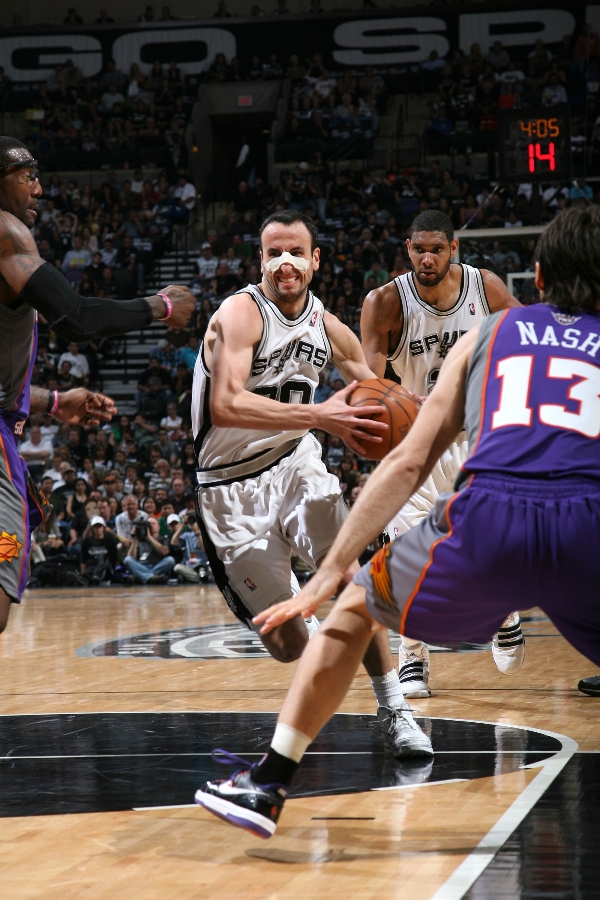
Historically, while variations of the move existed, its popularization in the NBA is often attributed to European players like Sarunas Marciulionis and more famously, Manu Ginobili. Ginobili’s masterful execution, characterized by his flowing, almost balletic shifts, brought the eurostep into the mainstream consciousness, cementing its association with a specific style of play—one marked by creativity, agility, and cunning. Later, American stars like Dwyane Wade and James Harden would adopt and evolve the move, each imprinting it with their unique athletic flair. For these athletes, the eurostep wasn’t just a tactic; it became an extension of their on-court persona, an identifiable trait that fans and analysts alike could attribute exclusively to them. This transformation from a generic skill to a personalized trademark is the essence of athletic branding.
The effectiveness of the eurostep lies in its unpredictability and the defensive dilemma it poses. Defenders are trained to anticipate linear movements; the lateral shift followed by a direct drive disrupts this conditioning, making it incredibly difficult to contest. This element of surprise and masterful execution contributes significantly to a player’s perceived innovation and skill, crucial components in building a distinguished athletic brand. When a player consistently executes a complex, high-impact move like the eurostep, it signals not just talent but also dedication, strategic thinking, and a willingness to defy conventional approaches—all qualities that resonate deeply with audiences and prospective brand partners.
Origin Stories and Brand Evolution
The narrative of the eurostep’s adoption and adaptation by various players provides a compelling case study in brand evolution. Ginobili, with his “unorthodox” yet effective style, leveraged the eurostep to define his rebellious and artistic approach to the game. His brand became synonymous with ingenuity and clutch performance, with the eurostep serving as a visual emblem of this identity. James Harden, on the other hand, integrated the eurostep into his isolation-heavy, often contested offensive repertoire, making it a critical tool in his brand as a relentless, unstoppable scorer. Each player’s version of the move, tweaked to fit their physical attributes and strategic goals, underscores how a core technique can be customized to reinforce an individual’s distinct brand narrative. This personalization is key; it’s not just performing the eurostep, but owning it, that turns it into a powerful brand asset.
Beyond the Court: How a Signature Skill Fuels Personal Branding
The impact of a signature move like the eurostep extends far beyond the hardwood. In the digital age, where content reigns supreme and fan engagement is paramount, such distinctive actions become viral content, shareable moments, and definitive highlights. When a player executes a particularly flashy or effective eurostep, it is immediately dissected, replayed, and shared across social media platforms, sports news outlets, and fan forums. This constant exposure amplifies the athlete’s visibility and reinforces their unique skill set, transforming a single basketball move into a potent marketing tool.

A master of the eurostep captures attention not just from sports enthusiasts but also from casual observers drawn to the sheer artistry and athleticism involved. This broad appeal significantly widens an athlete’s audience, extending their brand reach beyond the traditional sports demographic. For instance, a highlight reel featuring exquisite eurosteps can be shared by non-sports pages purely for its aesthetic or acrobatic value, inadvertently introducing the athlete to new segments of potential followers and consumers.
Furthermore, a signature move fosters a deeper connection between athletes and their fanbase. Fans often anticipate these moments, cheering louder when their favorite player initiates “the move.” This anticipation and recognition build a sense of loyalty and identification. Children practicing basketball in their driveways might try to emulate a player’s eurostep, forming an early and lasting brand association. This aspirational quality is invaluable for personal branding, positioning the athlete as an idol and a trendsetter whose influence transcends their professional sport. The eurostep thus becomes a symbol of an athlete’s unique prowess, fostering an emotional bond that reinforces brand loyalty and creates a lasting impression.
Marketability and Endorsements: The Commercial Value of Distinctive Play
For professional athletes, personal branding directly correlates with commercial success. A distinctive skill like the eurostep contributes significantly to an athlete’s marketability, making them more attractive to sponsors and advertisers. Brands are constantly seeking authentic, engaging personalities to represent their products and values. An athlete known for an innovative, exciting, and effective move provides a compelling narrative that aligns well with marketing objectives focused on performance, creativity, and overcoming challenges.
Consider the narrative possibilities: a shoe company might highlight how their footwear enhances the agility required for a perfect eurostep, or a beverage brand might associate itself with the player’s quickness and strategic thinking. The eurostep becomes a tangible manifestation of the athlete’s dedication, skill, and ability to perform under pressure—all qualities highly valued in brand partnerships. This allows athletes to command higher endorsement fees and secure more lucrative deals, leveraging their on-court identity to build a formidable off-court business empire.
Moreover, a signature move creates an additional layer of distinction in a crowded market. In a league filled with exceptional talent, standing out is crucial. While many players possess remarkable skills, those who cultivate a unique visual identity through moves like the eurostep create a memorable brand proposition. This uniqueness translates into competitive advantage in the endorsement landscape, as brands look for distinctive voices and faces that can cut through the noise. The eurostep, therefore, isn’t just a play; it’s a proprietary asset that can be packaged and marketed, adding significant value to an athlete’s overall brand portfolio.
Building a Legacy: The Eurostep as a Brand Icon
Ultimately, the most profound impact of a signature move like the eurostep is its contribution to an athlete’s lasting legacy. Iconic moves transcend individual careers, becoming embedded in the sport’s history and inspiring future generations. Much like Michael Jordan’s fadeaway or Kareem Abdul-Jabbar’s skyhook, the eurostep, as perfected by its masters, becomes a benchmark for skill and innovation.
When a player retires, their statistics and championships are remembered, but so too are the moments of individual brilliance and the distinctive ways they played the game. The eurostep becomes a part of their highlight reels for decades, influencing younger players and coaches who study its mechanics and strategic applications. This cultural imprint ensures that the athlete’s brand continues to resonate long after their playing days are over. Their name becomes synonymous with a certain level of artistry and effectiveness, maintaining their influence and cultural relevance.
In the broader context of personal branding, the eurostep serves as a powerful metaphor for differentiation and adaptation. It embodies the principle of finding an unconventional path to success, leveraging unique strengths to overcome obstacles. For athletes, entrepreneurs, or any individual aiming to build a strong personal brand, mastering a “eurostep” in their respective fields—a distinctive approach, a unique skill, or an innovative solution—can be the key to standing out, achieving recognition, and forging an enduring legacy that transcends their immediate performance. It’s about not just playing the game, but rewriting its rules with an unmistakable personal touch.
aViewFromTheCave is a participant in the Amazon Services LLC Associates Program, an affiliate advertising program designed to provide a means for sites to earn advertising fees by advertising and linking to Amazon.com. Amazon, the Amazon logo, AmazonSupply, and the AmazonSupply logo are trademarks of Amazon.com, Inc. or its affiliates. As an Amazon Associate we earn affiliate commissions from qualifying purchases.