
In an increasingly saturated marketplace, where attention spans are fleeting and competition is fierce, the concept of a “deep conversation” has become an invaluable, yet often overlooked, asset for brands. Far from mere interpersonal communication, a deep conversation, in the context of branding and marketing, represents an authentic, meaningful, and multi-layered exchange between a brand and its audience. It moves beyond transactional interactions or superficial engagements, aiming instead to forge genuine connections built on mutual understanding, shared values, and trust.
For brands, grasping the essence of a deep conversation means understanding how to cultivate an environment where stakeholders feel genuinely heard, valued, and understood. It’s about transcending the noise of marketing slogans and product pitches to engage in dialogue that resonates on an emotional and intellectual level. This profound interaction is what ultimately transforms casual interest into loyal advocacy, distinguishing brands that merely exist from those that truly thrive.
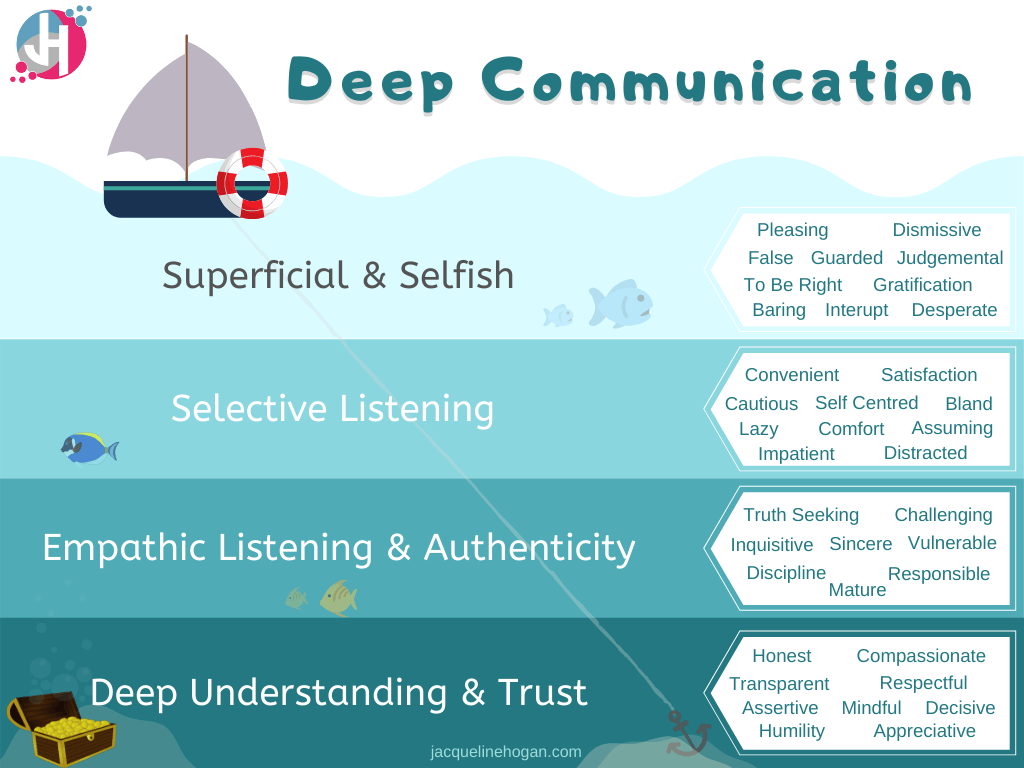
Beyond Small Talk: The Essence of Deep Brand Engagement
Just as human relationships wither on a diet of small talk, brand relationships cannot flourish with superficial interaction alone. Small talk in branding equates to generic advertising, surface-level social media posts, and one-way communication that talks at an audience rather than with them. A deep conversation, conversely, involves a deliberate effort to understand the audience’s needs, aspirations, challenges, and values, and to respond in a way that demonstrates genuine empathy and insight.
The characteristics of deep brand engagement mirror those of a profound human conversation:
- Authenticity: The brand’s message, actions, and identity are consistent and true to its core values. There’s no pretense or forced persona.
- Empathy: The brand actively seeks to understand its audience’s perspective, pain points, and desires, articulating solutions or connections that demonstrate this understanding.
- Vulnerability (Appropriate for Brand Context): This doesn’t mean airing corporate secrets, but rather showing a human side – acknowledging challenges, sharing lessons learned, or admitting imperfections. This builds relatability and trust.
- Mutual Understanding: The conversation aims for a two-way flow of information, where both brand and audience learn from each other, fostering a sense of partnership.
- Shared Values: Deep conversations often uncover common ground in beliefs, ethics, or purpose, creating a powerful emotional bond.
- Long-term Focus: The goal isn’t a quick sale but the cultivation of a lasting relationship built on sustained, meaningful interactions.
Brands that master deep engagement differentiate themselves profoundly. They foster stronger communities, reduce customer churn, and cultivate a legion of passionate advocates who champion their message. This depth of connection is increasingly vital in a market where consumers prioritize purpose and authenticity.
Crafting Authentic Narratives: How Brands Speak Deeply
At the heart of any deep conversation is a compelling narrative. For brands, this means moving beyond simple product features or service descriptions to articulate a story that resonates with the audience’s inner world.
Storytelling with Purpose
Brands that engage in deep conversations use storytelling to convey their mission, vision, and the impact they seek to make. This involves:
- Origin Stories: Sharing the “why” behind the brand’s existence, the passion that ignited its creation, and the journey it has undertaken. This humanizes the brand and invites an emotional connection.
- Customer Impact: Illustrating how the brand genuinely improves lives or solves problems, told through compelling testimonials, case studies, or user-generated content that highlights real-world transformation.
- Behind-the-Scenes Insights: Offering glimpses into the brand’s culture, its team, its processes, and its commitment to quality or ethical practices. This transparency builds trust and allows the audience to feel like insiders.
These narratives are not just promotional tools; they are invitations to a conversation about shared values, aspirations, and the collective desire for positive change.
Transparency and Vulnerability
In an era of skepticism, transparency has become non-negotiable. Brands that engage deeply are open about their practices, their challenges, and even their shortcomings. This doesn’t imply weakness; it signals confidence and integrity.
- Admitting Mistakes: When a brand transparently acknowledges an error, explains what went wrong, and outlines steps for improvement, it builds immense trust. This vulnerability mirrors the honesty required in a deep human conversation.
- Sharing Challenges: Discussing obstacles overcome or ongoing struggles in a professional and solutions-oriented manner can make a brand more relatable and human, fostering empathy from the audience.
This level of openness fosters an environment where the audience feels comfortable engaging honestly, knowing their feedback will be received maturely.
Consistent Voice and Values
A brand’s ability to speak deeply relies on a consistent and authentic voice that clearly articulates its core values. This means:
- Unified Messaging: Ensuring that the brand’s tone, language, and core principles are consistent across all touchpoints – from website copy and social media to customer service interactions and product packaging.
- Value Alignment: Explicitly stating and demonstrating the values that drive the brand. When customers perceive an alignment between their personal values and those of a brand, the foundation for a deep connection is laid.
This consistency builds recognition and trust, allowing the audience to truly “know” the brand and understand its perspective over time.
Personal Branding and the Power of Genuine Connection
The principles of deep conversation are equally, if not more, critical in the realm of personal branding. Individuals building a personal brand aim to establish themselves as authentic, authoritative, and approachable figures in their respective fields.
The Individual as a Brand

For individuals, authenticity is the absolute cornerstone of a successful personal brand. Trying to be someone you’re not for the sake of public appeal is unsustainable and ultimately transparent.
- Sharing Expertise Authentically: Instead of merely listing achievements, a deep personal brand shares how they gained their expertise, the lessons learned, and their genuine passion for their field. This invites others to learn and grow alongside them.
- Personal Insights and Perspective: Offering unique viewpoints, reflections on industry trends, or personal experiences that shaped their journey creates a relatable and compelling narrative that goes beyond surface-level information.
Building Thought Leadership Through Dialogue
True thought leadership isn’t about broadcasting one’s opinions from an ivory tower. It’s about engaging in meaningful intellectual exchange that invites others to contribute, question, and expand the collective understanding.
- Inviting and Responding to Feedback: Proactively seeking diverse perspectives and engaging thoughtfully with comments, questions, and even criticisms on social media, blogs, or forums demonstrates intellectual humility and a commitment to growth.
- Facilitating Discussion: Creating content that sparks debate, asks challenging questions, or presents new frameworks encourages a deeper level of engagement than content designed solely for consumption.
Networking Beyond the Superficial
For a personal brand, networking should evolve from mere card exchanges to cultivating lasting professional relationships. A deep conversation here means:
- Understanding Others’ Goals: Moving beyond an introduction to genuinely inquire about a connection’s professional aspirations, challenges, and interests.
- Offering Value: Identifying ways to genuinely help or support a contact, rather than just seeking opportunities for personal gain. This lays the groundwork for reciprocal and meaningful relationships.
Fostering Dialogue: Strategies for Deeper Customer Relationships
Deep conversations with customers don’t happen by accident; they are the result of deliberate strategies designed to open channels for authentic two-way communication.
Active Listening in Marketing
Brands must become adept listeners, moving beyond passive data collection to actively seeking and understanding customer sentiment.
- Social Listening: Monitoring social media conversations, forums, and review sites not just for mentions, but for underlying sentiment, common pain points, and emerging trends.
- Direct Feedback Channels: Implementing effective surveys, live chat functions, and customer service channels that genuinely encourage and respond to detailed feedback, rather than just basic inquiries.
- Personalized Outreach: Following up on customer experiences with thoughtful, tailored communications that demonstrate the brand has listened and understood their individual journey.
Co-creation and Community Building
Inviting customers to participate in the brand’s evolution is a powerful way to foster deep conversations and a sense of ownership.
- User-Generated Content (UGC): Encouraging customers to share their experiences, stories, and creations related to the brand. This not only provides authentic content but also makes customers feel like active contributors.
- Beta Testing & Customer Advisory Boards: Involving loyal customers in the development of new products or services. This not only gathers invaluable feedback but also deepens their investment in the brand’s success.
- Online Communities: Creating dedicated platforms (forums, groups) where customers can connect with each other and with the brand, fostering a sense of belonging and shared identity.
Personalized Experiences
Leveraging data responsibly to tailor interactions is key to making customers feel seen and understood on an individual level.
- Relevant Content & Offers: Using purchase history and behavioral data to provide personalized recommendations, content, and offers that genuinely align with an individual’s interests, avoiding generic blasts.
- Tailored Customer Journeys: Mapping out different customer segments and personalizing touchpoints across the entire customer lifecycle, from initial awareness to post-purchase support, ensuring each interaction feels relevant and thoughtful.
Measuring the Resonance: Impact of Deep Brand Conversations
The impact of deep brand conversations extends far beyond superficial metrics, touching the core health and longevity of a brand.
Beyond Vanity Metrics
While likes and followers have their place, brands engaging in deep conversations prioritize metrics that reflect genuine engagement and connection.
- Engagement Quality: Analyzing the depth of comments (are they thoughtful or generic?), the sentiment expressed, and the nature of sharing (e.g., sharing a detailed blog post vs. a quick image).
- Time Spent: How long are users engaging with long-form content, videos, or community discussions? This indicates sustained interest.
- Net Promoter Score (NPS) & Customer Lifetime Value (CLV): These metrics are powerful indicators of customer satisfaction, loyalty, and their willingness to advocate for the brand – direct outcomes of deep connection.
Brand Loyalty and Advocacy
The ultimate outcome of successful deep brand conversations is the cultivation of fierce brand loyalty and passionate advocacy. Customers who feel deeply understood and connected to a brand become its most effective evangelists. They share their positive experiences, defend the brand against criticism, and remain loyal even when competitors offer tempting alternatives. This advocacy is invaluable, as word-of-mouth remains one of the most trusted forms of marketing.

Ethical Considerations
Engaging in deep conversations also carries a significant ethical responsibility. Brands must:
- Prioritize Privacy and Data Security: Handle customer data with the utmost care and transparency, respecting privacy rights and building trust through secure practices.
- Avoid Manipulative Tactics: Deep conversations are built on authenticity, not manipulation. Brands must ensure their strategies are genuinely aimed at building connection, not exploiting psychological triggers.
- Be Respectful and Responsible: Maintain a respectful and inclusive tone in all interactions, addressing feedback constructively and responsibly, even when it’s critical.
In conclusion, “what is a deep conversation” for a brand is about cultivating a philosophy of genuine engagement. It’s a strategic imperative to move beyond the transactional and into the relational, fostering an environment where authenticity, empathy, and mutual understanding pave the way for lasting loyalty and profound brand resonance.
aViewFromTheCave is a participant in the Amazon Services LLC Associates Program, an affiliate advertising program designed to provide a means for sites to earn advertising fees by advertising and linking to Amazon.com. Amazon, the Amazon logo, AmazonSupply, and the AmazonSupply logo are trademarks of Amazon.com, Inc. or its affiliates. As an Amazon Associate we earn affiliate commissions from qualifying purchases.