
In the dynamic world of brand strategy, marketing, and corporate identity, understanding specific phenomena often requires delving deeper than broad surveys or singular observations. This is where a “case series study,” traditionally a robust methodology in scientific and medical research, finds a powerful, albeit adapted, application. For brand professionals, a case series study offers a structured approach to examining multiple, similar branding initiatives, marketing campaigns, or design projects in sequence or parallel, to uncover patterns, identify common challenges, and derive actionable insights that inform future strategies.
Unlike a singular case study that provides an in-depth look at one specific instance, a case series systematically investigates a group or sequence of similar cases. The strength lies in its ability to reveal recurring themes, unexpected outcomes, or evolving trends that a single data point might miss, offering a more nuanced understanding of brand performance and market response. It’s a method for pattern recognition and hypothesis generation, crucial for refining brand narratives, optimizing marketing spend, and strengthening corporate identity.
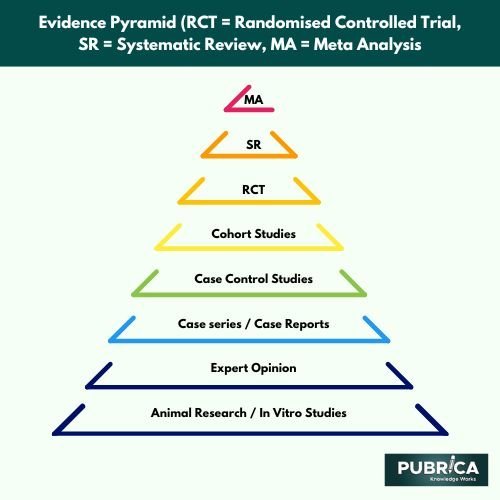
Unpacking the Core Concept for Brand & Marketing
A case series study, within the brand context, involves the systematic observation and analysis of a defined number of individual “cases” that share common characteristics or are exposed to similar circumstances. These cases could be:
- Multiple product launches: Analyzing a series of product introductions by a company to understand success factors or common pitfalls.
- Sequential rebranding efforts: Studying how a brand evolved its identity over several iterations, identifying the drivers and impacts of each change.
- A collection of marketing campaigns: Examining various campaigns targeting similar demographics or promoting similar products to identify effective messaging or channel strategies.
- Different market entries: Analyzing a series of attempts by a brand to penetrate new geographic markets or consumer segments.
- Design iterations: Reviewing a sequence of packaging designs, logo evolutions, or website UX over time to understand user engagement and brand perception shifts.
The goal is not necessarily to prove a statistical hypothesis, but rather to describe, interpret, and generate hypotheses about observed phenomena across these related instances. It’s a qualitative and often descriptive methodology, though it can incorporate quantitative data points (e.g., campaign ROI, engagement rates, brand recall scores) to enrich the analysis. The “series” aspect is key, allowing for the observation of evolution, consistency, or divergence across cases, which provides a richer context than isolated studies.
Strategic Applications in Brand Building
The utility of a case series study for brand professionals is multifaceted, offering deep insights that can shape strategic decisions across various domains:
Informing Brand Strategy & Positioning
By analyzing a series of successful and unsuccessful branding initiatives, companies can discern which elements consistently resonate with target audiences and which fall flat. For instance, a luxury fashion brand could study its last five collection launches, scrutinizing the messaging, visual identity, influencer collaborations, and launch events for each. This series analysis might reveal that campaigns emphasizing craftsmanship and heritage consistently outperform those focused solely on trendiness, guiding future brand positioning towards its core artisanal values. Similarly, a tech company looking at its product naming conventions across several launches could identify patterns that lead to stronger market recall or brand recognition.
Optimizing Marketing Campaigns & Messaging
A case series can be instrumental in dissecting the efficacy of marketing efforts. A digital marketing team might conduct a case series on different social media ad campaigns run over a year, all targeting the same demographic but using varied creative assets and calls to action. By systematically documenting performance metrics, audience feedback, and internal processes for each campaign in the series, they can identify winning formulas for engagement, conversion, and brand sentiment, refining their approach for subsequent campaigns. This continuous learning cycle is vital for maximizing marketing ROI and staying agile in competitive markets.
Enhancing Corporate Identity & Design
For design agencies and in-house creative teams, a case series study offers a way to evaluate the long-term impact and consistency of design decisions. Consider a beverage company that has undergone several packaging redesigns for its flagship product over a decade. A case series would involve analyzing each redesign’s objectives, consumer perception before and after, sales data, and how well it aligned with the overarching corporate identity. This can reveal whether certain design principles strengthen brand recognition, how visual elements communicate brand values, and inform guidelines for future design initiatives to ensure cohesive brand communication across all touchpoints.
Understanding Market Dynamics and Competitor Behavior
Beyond internal applications, a case series can extend to analyzing external market phenomena or competitor strategies. A marketing intelligence team might study a series of market entries by a rival brand into new geographical territories, noting their pricing strategies, distribution channels, and localized marketing efforts. This external case series provides competitive intelligence, helping the brand anticipate market shifts, identify untapped opportunities, and prepare robust counter-strategies. It’s about learning from the ecosystem, not just internal experiments.
Methodology and Best Practices
Conducting an effective case series study in the brand and marketing domain requires a structured approach to ensure the insights generated are reliable and actionable.

Defining the “Case” and Selection Criteria
The first critical step is to clearly define what constitutes a “case” within your study. Is it a single product launch, a specific marketing campaign, a rebranding project, or an individual customer journey? Once defined, establish precise criteria for including cases in your series. These criteria should ensure that the cases are sufficiently similar to allow for meaningful comparison but distinct enough to offer varied insights. For instance, if studying marketing campaigns, you might limit the series to campaigns launched within a specific timeframe, targeting a particular demographic, or utilizing a specific channel. Unbiased or representative selection is crucial, even if the series size is small.
Data Collection and Documentation
For each case in the series, comprehensive data collection is paramount. This can involve a mix of qualitative and quantitative data:
- Qualitative Data: Interview transcripts (with marketing managers, designers, customers), internal reports, creative briefs, brand guidelines, market research reports, focus group summaries, social media sentiment analysis, press releases, design mock-ups, and brand narrative documents.
- Quantitative Data: Sales figures, website traffic, conversion rates, engagement metrics, brand recall scores, market share data, budget allocations, and customer acquisition costs.
Systematic documentation of this data for each case is essential, allowing for easy retrieval and comparison. A standardized template or database for each case can ensure consistency in data points collected.
Analytical Approaches
Once data is collected, the analysis phase involves identifying patterns, themes, commonalities, and discrepancies across the cases.
- Comparative Analysis: Directly compare elements across cases. For example, compare the creative strategies of five different successful product launches to see if certain themes or visual styles are consistently present.
- Thematic Analysis: Identify recurring themes or ideas that emerge from the qualitative data across multiple cases. Are there specific brand values that consistently resonate or fall flat?
- Pattern Recognition: Look for sequences or correlations between specific actions and outcomes. Did a particular marketing channel consistently yield higher engagement for a certain type of content?
- Trend Identification: If the cases are sequential over time, analyze how strategies or outcomes have evolved, indicating emerging trends in consumer behavior or market response.
The analysis should aim to move beyond mere description to interpretation, explaining why certain patterns exist or why outcomes differed.
Benefits and Limitations for Brand Professionals
While a powerful tool, a case series study has distinct advantages and disadvantages that brand strategists must consider.
Key Benefits
- Deep, Contextual Insights: Provides a rich, nuanced understanding of specific phenomena within their real-world brand context, going beyond surface-level data.
- Identification of Patterns and Trends: Excellent for uncovering recurring themes, success factors, challenges, and evolving trends across multiple similar instances.
- Hypothesis Generation: Often serves as a precursor to larger, more quantitative studies, helping to formulate precise hypotheses that can be tested on a broader scale.
- Learning from Experience: Allows organizations to systematically learn from their past initiatives, both triumphs and failures, fostering continuous improvement.
- Flexibility: Can accommodate both qualitative and quantitative data, offering a holistic view.
- Cost-Effective for Initial Exploration: While data collection for each case can be intensive, a case series can be more manageable than a large-scale randomized control trial for initial exploratory research.
Potential Limitations
- Limited Generalizability: Findings from a small series of cases may not be directly transferable to a wider population or different contexts. The conclusions are specific to the cases studied.
- Potential for Bias: Case selection can introduce bias if not carefully managed. Researchers might inadvertently select cases that confirm existing beliefs.
- Resource Intensive: While smaller than large studies, collecting detailed data for multiple cases can still require significant time and resources.
- Subjectivity: Interpretation of qualitative data can be subjective, requiring rigorous methodology and possibly inter-rater reliability checks.
- Absence of Control Group: Lacks a control group, making it challenging to definitively attribute outcomes solely to the intervention or strategy being studied. Causal links are harder to establish definitively.

Integrating Case Series Insights into Brand Development
The ultimate value of a case series study lies in its ability to translate findings into actionable strategies that drive brand growth and success. Insights derived from a series of analyzed cases can directly inform:
- Brand Repositioning: If a series of campaigns reveals that consumer perception is shifting away from the brand’s intended image, a strategic repositioning might be warranted, guided by the specific insights into what resonates or alienates.
- Messaging Optimization: Understanding which communication styles, value propositions, or emotional triggers consistently perform best across different marketing efforts can lead to a more impactful and cohesive brand message.
- Design System Refinement: Learnings from a series of design iterations can lead to the development of stronger, more consistent brand guidelines, ensuring all visual and interactive elements reinforce the corporate identity effectively.
- Product Innovation: Insights into market acceptance, customer pain points, or unmet needs observed across a series of product launches can directly feed into the ideation and development of future products or services.
- Strategic Alliance Decisions: If a series of co-marketing efforts shows consistent positive results with a particular type of partner, it can guide future alliance strategies.
In essence, a case series study acts as a structured learning mechanism, enabling brand professionals to build a richer, evidence-based understanding of what works, what doesn’t, and why, fostering a more insightful and agile approach to brand strategy and execution. It transforms isolated experiences into a coherent narrative of learning, empowering brands to evolve and thrive.
aViewFromTheCave is a participant in the Amazon Services LLC Associates Program, an affiliate advertising program designed to provide a means for sites to earn advertising fees by advertising and linking to Amazon.com. Amazon, the Amazon logo, AmazonSupply, and the AmazonSupply logo are trademarks of Amazon.com, Inc. or its affiliates. As an Amazon Associate we earn affiliate commissions from qualifying purchases.