
The Essential Role of the Medical Bougie in Airway Management
In the demanding world of emergency medicine, critical care, and anesthesia, securing a patient’s airway is paramount. Among the many tools and techniques employed, the “bougie medical,” more formally known as an airway introducer or tracheal tube introducer, stands out as a deceptively simple yet profoundly effective piece of medical technology. Far from being a mere accessory, this specialized device has revolutionized the approach to difficult intubations, transforming potentially life-threatening situations into manageable procedures. Its inclusion in nearly every advanced airway kit underscores its status as an indispensable “gadget” for clinicians facing the unpredictable challenges of airway compromise.

Defining the Bougie: A Critical Intubation Aid
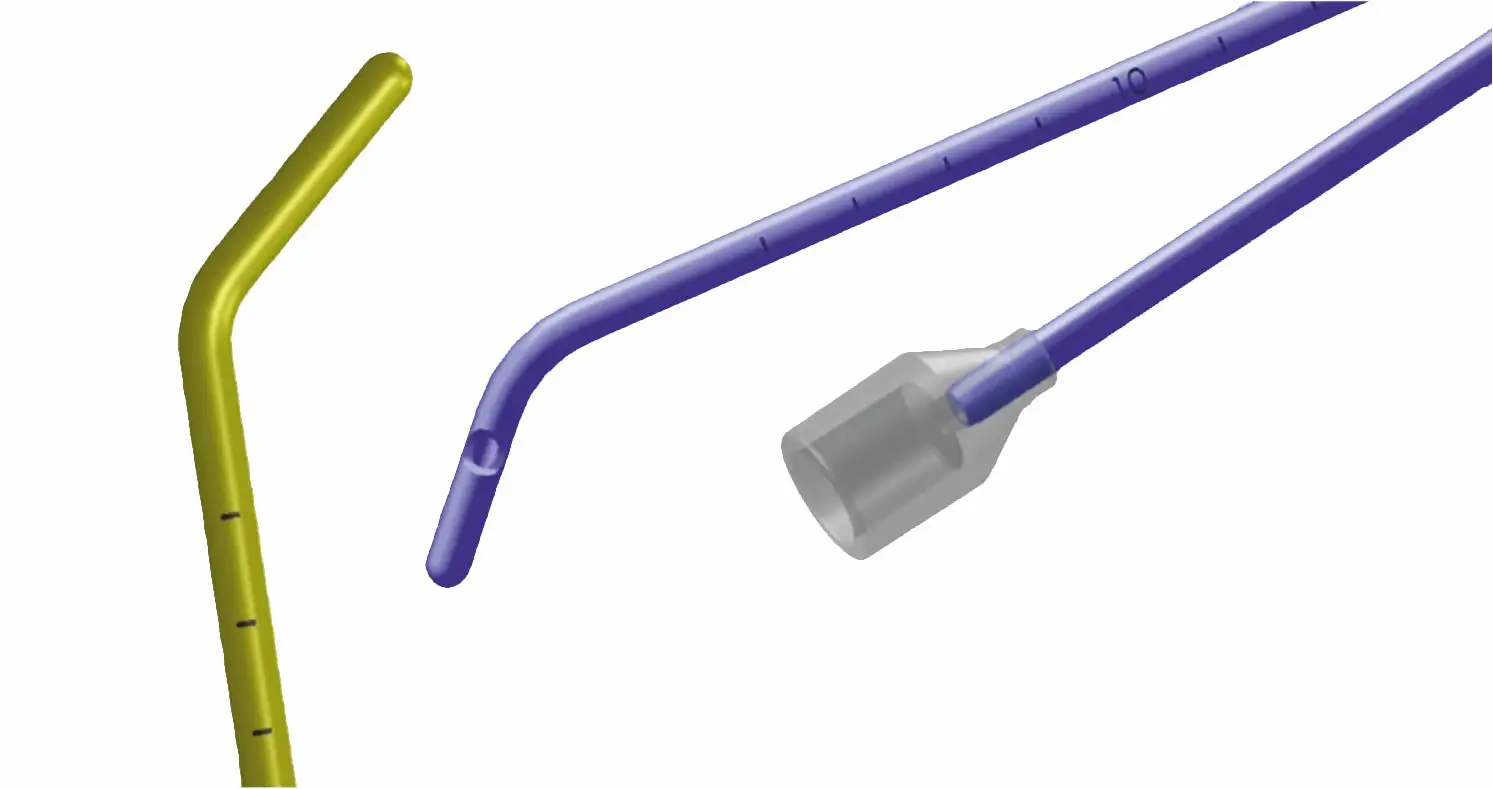
At its core, a bougie is a long, flexible, and relatively thin device designed to assist in guiding an endotracheal tube (ETT) into the trachea during intubation. Typically made from a type of medical-grade plastic, such as low-density polyethylene, it features a smooth, atraumatic tip that is often angled, known as a “Coude” tip, to navigate anatomical curves more effectively. The device’s flexibility allows it to conform to the patient’s individual airway anatomy, while its semi-rigid nature provides sufficient stiffness for controlled manipulation. Unlike a stylet, which is typically inserted inside the ETT to give it rigidity, the bougie is used prior to inserting the ETT, acting as a guide over which the ETT is then railroaded. This distinction is crucial to understanding its unique mechanical advantage and its role in enhancing the safety and success rates of intubation, particularly in scenarios where direct visualization of the vocal cords is challenging or impossible. It is a prime example of elegant engineering solving a complex, high-stakes medical problem.
When and Why it’s Used: Challenging Airways
The medical bougie truly shines in what clinicians term “difficult airway” scenarios. These situations arise when standard intubation techniques, often involving direct laryngoscopy or videolaryngoscopy, fail to provide an adequate view of the vocal cords. Factors contributing to a difficult airway can range from anatomical variations (e.g., short neck, recessed jaw, large tongue), trauma (e.g., facial fractures, laryngeal trauma), obesity, or the presence of secretions, blood, or vomit. In such circumstances, attempting multiple direct intubation passes without a clear view can lead to complications such as esophageal intubation, airway trauma, hypoxia, and cardiac arrest.
This is where the bougie’s design innovation becomes critical. Its primary utility lies in its ability to facilitate “blind” or “semi-blind” intubation. By inserting the bougie into the trachea based on tactile feedback, often feeling for the characteristic “clicks” as it passes over tracheal rings (the “bougie click”), or a gentle “hold-up” as it reaches smaller airways, the clinician establishes a secure path. Once the bougie is confirmed to be in the trachea, the endotracheal tube is then threaded over it, much like a train on a rail, and advanced into the airway. This technique minimizes the need for direct visualization of the vocal cords, significantly increasing the probability of first-pass success and reducing potential complications in challenging clinical environments. It represents a crucial technological workaround for anatomical unpredictability.
Anatomy and Mechanics: How a Bougie Works
The design of the medical bougie is a testament to functional engineering in the medical device sphere. Every aspect, from its materials to its tip configuration, is optimized for precision, safety, and effectiveness in securing the airway. Understanding these mechanical elements illuminates why this specific “gadget” is so critical.
Design Features and Material Composition
A typical adult bougie measures approximately 60-70 cm in length and has a diameter of around 5-6 mm. Its material composition, usually a specially formulated medical-grade plastic like low-density polyethylene, provides a balance of flexibility and rigidity. The flexibility allows it to conform to the curvilinear path of the upper airway and trachea, while sufficient rigidity ensures it can be advanced with controlled force without kinking. The surface is smooth to minimize friction and prevent trauma during insertion and withdrawal.
The distal tip is arguably the most critical design feature. It is almost universally angled, often at 30-45 degrees, forming the “Coude” tip. This angle helps the bougie navigate anteriorly-positioned larynges and maneuver around anatomical obstructions like the epiglottis. The tip is also atraumatic, typically rounded or blunt, to prevent damage to delicate airway structures. Some bougies incorporate a small hole at the tip, which can be used to deliver oxygen (jet ventilation) or to confirm tracheal placement by aspirating air, adding another layer of technological functionality. The proximal end often features a connector or simply an open end, sometimes with depth markings to indicate insertion distance. This meticulous attention to design detail underscores its classification as a specialized medical tool.
The “Railroad” Technique: Precision and Safety
The “railroad” or “tube-over-bougie” technique is the core method of using this device. After the bougie is carefully inserted and confirmed to be in the trachea (via tactile feedback, visual confirmation if possible, or CO2 detection via the tip’s lumen), the clinician then threads the endotracheal tube (ETT) over the bougie. The ETT slides smoothly along the bougie, which acts as a guide, until its tip passes through the vocal cords and enters the trachea.
This technique offers several advantages:
- Reduced Trauma: By guiding the ETT, the bougie helps prevent blind attempts to force the tube, minimizing the risk of pharyngeal or laryngeal injury.
- Increased First-Pass Success: In difficult airways, the bougie significantly improves the likelihood of successfully intubating on the first attempt, which is crucial for patient safety and reducing the duration of hypoxia.
- Enhanced Control: The clinician maintains a higher degree of control over the ETT’s path, even with limited visualization, thanks to the bougie’s directional guidance.
- Confirming Tracheal Placement: Tactile feedback (tracheal clicks or hang-up) provides early confirmation of tracheal entry before the ETT is advanced, offering a critical safety check.
The elegance of this “railroad” system lies in its simplicity and effectiveness, leveraging basic mechanical principles to achieve a complex medical objective with enhanced precision and safety.
Types of Bougies and Their Applications
While the fundamental design of a medical bougie remains consistent, variations exist to accommodate different clinical scenarios and patient populations, demonstrating adaptability within this specific medical technology.
Standard vs. Specialized Bougies
The most common bougie is the standard adult bougie, typically 60-70 cm long with a 5-6 mm diameter and a Coude tip. This is the workhorse for most adult difficult intubations.
However, specialized versions include:
- Pediatric Bougies: Shorter and smaller in diameter (e.g., 2-3 mm) to fit pediatric airways. Their flexibility and smaller size are critical for delicate pediatric anatomy.
- Ventilating Bougies: These bougies have a central lumen that allows for oxygen delivery, offering a temporary means of ventilation while preparing for definitive intubation. This “oxygenation through a bougie” feature adds a layer of safety, buying crucial time in critically ill patients.
- Fiberoptic Bougies: Some advanced bougies integrate fiber optics, allowing for direct visualization of the airway as the bougie is advanced. This combines the guidance of the bougie with real-time visual confirmation, pushing the boundaries of airway management technology. While more expensive and less common, they represent a significant technological leap for highly complex cases.
- Stiff Bougies/Stylets: While technically a bougie is distinct from a stylet, some devices blur the lines, offering enhanced rigidity for specific scenarios where a very firm guide is needed, often incorporating a more robust tip.
These variations highlight the ongoing innovation in airway management tools, with each iteration aiming to address specific clinical challenges more effectively.
Considerations for Different Patient Populations
The choice of bougie is often dictated by the patient’s age and clinical condition:
- Adult Patients: The standard adult bougie is the first-line choice. Clinicians assess factors like body habitus, neck mobility, and presence of trauma to anticipate potential difficulties.
- Pediatric Patients: Airway anatomy in children is significantly different (e.g., larger head, larger tongue, more anterior and cephalad larynx). Pediatric bougies are scaled down to prevent trauma and ensure appropriate fit. The flexible nature is particularly important to navigate the delicate pediatric airway.
- Obese Patients: Obesity often presents a challenging airway due to excess tissue, limited neck mobility, and increased risk of oxygen desaturation. Bougies are invaluable here, as they allow for successful intubation even when visualization is compromised by redundant tissue.
- Trauma Patients: Patients with facial or neck trauma, cervical spine injuries, or significant bleeding in the airway pose extreme challenges. The bougie’s ability to facilitate intubation with minimal neck manipulation (in cases where a jaw thrust or limited laryngoscopy is used) and its effectiveness in the presence of secretions make it a critical tool in these high-stakes scenarios.
Understanding these different applications underscores the bougie’s versatility as a foundational piece of medical technology, adaptable across a wide spectrum of patient care needs.
Training, Best Practices, and Technological Evolution
Proficiency in using a medical bougie is not innate; it requires dedicated training and adherence to best practices. As with any medical technology, its effectiveness is maximized when clinicians are expertly trained and continually update their skills, recognizing the bougie as a dynamic element within the broader field of critical care technology.
Mastering Bougie Use: Skills and Simulation
The ability to effectively use a bougie is a core competency for emergency physicians, anesthesiologists, critical care specialists, and paramedics. Training typically involves:
- Didactic Instruction: Understanding the indications, contraindications, and potential complications.
- Mannequin-Based Simulation: Practicing insertion techniques, feeling for tracheal clicks, and “railroading” the ETT over the bougie in a controlled environment. High-fidelity mannequins can simulate various difficult airway scenarios, allowing repeated practice without patient risk.
- Cadaveric Labs: Offering realistic anatomical experience and tactile feedback.
- Supervised Clinical Practice: Gradually gaining experience under the direct supervision of experienced clinicians.
Key skills emphasized include proper grip, precise insertion angle, subtle tactile feedback interpretation, and meticulous attention to detail to prevent esophageal intubation or airway trauma. Ongoing education and simulation refreshers are vital, ensuring that clinicians remain adept at deploying this critical “gadget” under pressure.

Innovations in Airway Management Devices
While the basic design of the bougie has remained largely unchanged for decades, it exists within a rapidly evolving ecosystem of airway management technologies. The bougie complements and integrates with other advanced tools such as:
- Videolaryngoscopes: These devices provide an indirect view of the larynx via a camera and screen. While often improving visualization, bougies are frequently used in conjunction with videolaryngoscopes, particularly when the view is still suboptimal (e.g., only the epiglottis is visible, but not the cords). The bougie provides the necessary “anterior-posterior” vector to guide the ETT.
- Flexible Endoscopes/Fiberoptic Bronchoscopes: For the most challenging airways, a fiberoptic scope might be used to visualize the airway directly, with the bougie potentially used as a “seldinger” technique guide over which the ETT is then advanced.
- Emergency Cricothyrotomy Kits: In situations where even bougie-assisted intubation fails and the patient cannot be oxygenated or ventilated, surgical airway devices become the last resort.
The bougie’s continued relevance in this technologically advanced landscape speaks volumes about its enduring utility and clever design. It demonstrates that even seemingly simple medical instruments can be highly sophisticated in their application, often serving as a critical bridge between visualization techniques and successful definitive airway management. As medical technology continues to advance, the bougie remains a steadfast and indispensable tool, consistently proving its value in saving lives and ensuring patient safety.
aViewFromTheCave is a participant in the Amazon Services LLC Associates Program, an affiliate advertising program designed to provide a means for sites to earn advertising fees by advertising and linking to Amazon.com. Amazon, the Amazon logo, AmazonSupply, and the AmazonSupply logo are trademarks of Amazon.com, Inc. or its affiliates. As an Amazon Associate we earn affiliate commissions from qualifying purchases.