
The majestic blue whale, the largest animal on Earth, faces a myriad of threats that imperil its survival. While often framed through an ecological or conservation lens, understanding these “enemies” from an economic perspective reveals complex interplay between human enterprise, environmental impact, and financial sustainability. Far from being merely biological antagonists, many of the blue whale’s most significant challenges are deeply rooted in global economic activities, supply chains, and investment decisions. Addressing these requires a sophisticated financial approach, recognizing both the costs of inaction and the burgeoning opportunities in marine stewardship.

The Economic Imperatives Driving Threats to Blue Whales
The primary adversaries of blue whales are, in essence, economic externalities and the pursuit of profits without fully accounting for environmental costs. Global industries, driven by consumer demand and shareholder value, often inadvertently or directly contribute to the perils faced by these marine giants.
Shipping Lanes: Collision Risk and Economic Costs
One of the most immediate and fatal threats to blue whales is collisions with large commercial vessels. Global shipping is the backbone of international trade, facilitating the movement of over 80% of global merchandise by volume. This vast economic engine necessitates predictable routes, often traversing critical whale habitats and migratory paths. The financial imperative for speed, efficiency, and direct routing can outweigh considerations for marine life, leading to thousands of whale strikes annually, many of which go undocumented.
From an economic standpoint, these collisions represent a hidden cost. While there’s no direct market price for a blue whale, the indirect economic impacts are substantial. These include:
- Operational Delays: Ships involved in strikes may face delays for inspection, repairs, or legal proceedings.
- Reputational Damage: Shipping companies increasingly face scrutiny from environmental organizations and ethically-minded investors, which can impact their brand equity and market standing.
- Regulatory Fines: As regulations strengthen, fines for non-compliance or negligence in protected areas can be significant, adding to operational expenses.
- Conservation Investments: Governments and NGOs spend millions annually on initiatives like dynamic ocean management, vessel speed restrictions, and rerouting efforts—costs directly attributable to mitigating this threat.
The challenge lies in internalizing these external costs within the shipping industry’s financial models, promoting technologies and practices that prioritize both economic efficiency and marine safety.
Fishing Industry: Competition, Bycatch, and Food Security
The global fishing industry, a vital source of protein and employment for millions, presents another significant economic “enemy.” Blue whales primarily feed on krill, small crustaceans abundant in polar waters. However, commercial krill fishing, driven by demand for aquaculture feed, omega-3 supplements, and human consumption, directly competes with blue whales for their primary food source. As krill populations decline due to fishing and climate change, the whales’ ability to accumulate sufficient energy for migration and reproduction is compromised, impacting population recovery.
Beyond direct competition, blue whales, like other cetaceans, are vulnerable to entanglement in fishing gear (bycatch). While not usually the target species, large fixed gear like gillnets and pot lines can snare and drown whales. This results in:
- Economic Loss for Fishermen: Damaged gear, lost catch, and potential legal ramifications.
- Supply Chain Disruptions: Concerns over unsustainable fishing practices can lead to boycotts or reduced market access for seafood from certain regions.
- Certification Costs: The rising demand for sustainably sourced seafood places financial burdens on fisheries to adopt certified practices, which, while beneficial, add to operational overhead.
The economic pressure to maximize catch often conflicts with long-term ecosystem health. Finding financial models that incentivize sustainable fishing practices, such as impact investing in selective gear or quotas that account for ecosystem needs, is crucial.
Pollution: A Global Economic Burden
Pollution, in its various forms, represents a diffuse but pervasive economic threat to blue whales and the broader marine environment. From plastic debris to chemical runoff and underwater noise, these pollutants are often byproducts of industrial activity, agricultural practices, and urban development—all cornerstones of the global economy.
- Plastic Pollution: The lifecycle of plastic, from production to disposal, is an enormous global industry. However, the economic cost of plastic pollution—cleanup, damage to fisheries and tourism, and the potential impact on human health—is estimated in the tens of billions of dollars annually. For whales, ingesting microplastics can lead to illness, while entanglement in larger debris is a direct physical threat.
- Chemical Pollution: Industrial discharges and agricultural runoff introduce heavy metals and persistent organic pollutants into the marine food web. These toxins bioaccumulate, reaching high concentrations in apex predators like blue whales, potentially impairing their immune systems and reproductive capabilities. The economic costs here include environmental remediation, healthcare expenses, and losses in affected industries.
- Noise Pollution: The cacophony of global shipping, seismic surveys for oil and gas, and military sonar profoundly impacts blue whales, which rely on sound for communication, navigation, and feeding. This “smog” disrupts their behavior, potentially leading to increased stress, strandings, and reduced foraging success. The economic drivers are clear: energy exploration and global trade. The cost, however, is diminished marine health and the potential for regulatory burdens on these industries.
Addressing pollution requires significant investment in circular economy models, green technologies, and stricter environmental regulations—all of which carry initial financial outlays but promise long-term economic and ecological returns.
The Economic Case for Blue Whale Conservation
Despite the formidable economic drivers behind their threats, there is a compelling financial argument for blue whale conservation. Protecting these leviathans is not just an ecological imperative but also a sound investment in global economic stability and future prosperity.
Ecosystem Services and Their Monetary Value
Blue whales provide invaluable ecosystem services that, while difficult to quantify precisely, underpin various economic activities. Their role in nutrient cycling, for instance, by consuming krill and then releasing nutrients through their fecal plumes, helps fertilize surface waters, boosting phytoplankton growth. Phytoplankton are the base of the marine food web and contribute significantly to global oxygen production, while also sequestering carbon dioxide.
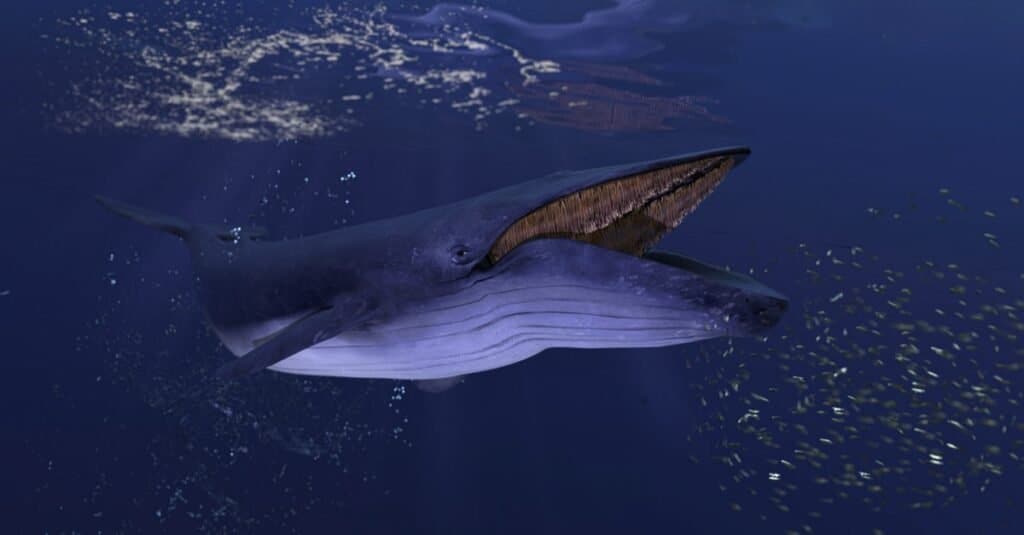
Economically, a healthy marine ecosystem supports:
- Fisheries: Productive fish stocks rely on a balanced food web, partially maintained by whale activities.
- Carbon Sequestration: Healthy whale populations contribute to carbon storage, offering a natural solution to climate change. Some estimates suggest the carbon captured by whales, if monetized, could be worth billions.
- Biodiversity: The presence of blue whales indicates a thriving ecosystem, which has intrinsic value and supports a range of other species, many of which have direct economic importance.
Investing in whale conservation is, therefore, an investment in the foundational “natural capital” that supports numerous industries and human well-being.
Ecotourism: A Sustainable Revenue Stream
Where blue whales are present and protected, ecotourism can flourish, providing direct economic benefits to local communities. Whale watching operations generate significant revenue through ticket sales, accommodation, hospitality, and associated services. This creates jobs and diversified local economies, offering an alternative to potentially destructive industries.
For instance, regions known for whale watching, such as parts of California, Mexico, and Australia, see millions of dollars injected into their economies annually. This sustainable revenue stream directly incentivizes conservation, as the continued presence of whales is essential for the industry’s viability. From an investment standpoint, supporting responsible ecotourism infrastructure and marketing in whale habitats offers a dual return: financial profit and conservation impact.
Climate Change Mitigation and Economic Stability
Blue whales play a surprising role in climate change mitigation. By promoting phytoplankton growth, they indirectly enhance the ocean’s capacity to absorb atmospheric carbon dioxide. Furthermore, when whales die and their bodies sink to the deep ocean, they sequester vast amounts of carbon for centuries. A healthy, abundant whale population can thus be seen as a natural carbon sink, providing a “blue carbon” service.
From an economic perspective, investing in blue whale recovery is an investment in climate resilience. With the escalating costs of climate change—from extreme weather events to agricultural losses and infrastructure damage—any natural process that helps mitigate these effects holds immense economic value. Financial instruments like “blue bonds” or carbon credit schemes linked to marine conservation are emerging as ways to capitalize on this natural capital.
Investing in Marine Protection: Opportunities and Challenges
The imperative to protect blue whales and their habitats opens new avenues for investment and financial innovation. Shifting from an extractive economic model to one of stewardship presents both challenges and lucrative opportunities.
Sustainable Finance and Blue Bonds
Sustainable finance, including impact investing and green bonds, is increasingly targeting marine conservation. “Blue bonds” are a specific type of debt instrument where the proceeds are used to finance ocean-friendly projects, such as sustainable fisheries, marine protected areas, and pollution reduction. These offer investors a chance to generate financial returns while contributing to measurable environmental outcomes.
Challenges include the nascent stage of the market, the need for robust verification and reporting standards, and ensuring that projects genuinely benefit marine biodiversity. However, as investor demand for ESG (Environmental, Social, Governance) compliant assets grows, blue bonds represent a significant growth area for capital deployment in ocean health.
Technological Innovations for Whale Safety
Technology offers powerful solutions to mitigate threats, attracting investment in various sectors:
- Whale Tracking and Avoidance Systems: AI-powered acoustic monitoring, satellite tagging, and predictive modeling can help ships navigate away from whale concentrations, reducing collision risk. Investment in maritime technology firms developing these solutions offers a promising frontier.
- Acoustic Deterrents: While controversial, research into non-harmful acoustic deterrents that can keep whales away from dangerous areas (e.g., active shipping lanes) continues.
- “Ropeless” Fishing Gear: Innovation in fishing gear that can be deployed and retrieved without vertical lines floating in the water column dramatically reduces entanglement risk. This requires research, development, and subsidization to transition traditional fisheries.
These technological solutions not only protect whales but also offer potential for efficiency gains, reduced operational risks for industries, and new market opportunities for innovators.
Business Models for Ocean Stewardship
New business models are emerging that embed conservation directly into their core operations. This includes:
- Sustainable Seafood Certification: Businesses that invest in rigorous certification processes for their seafood products (e.g., Marine Stewardship Council) appeal to a growing market of environmentally conscious consumers, commanding premium prices and ensuring long-term resource availability.
- Eco-Tourism Operators: Companies that prioritize minimal environmental impact, contribute to local conservation efforts, and educate tourists about marine life demonstrate a viable model for profitable, responsible tourism.
- Waste Management and Circular Economy: Investments in companies that develop innovative solutions for plastic recycling, waste-to-energy conversion, and bioplastics directly reduce marine pollution, often yielding strong financial returns.
These models demonstrate that economic success and environmental protection are not mutually exclusive but can be synergistically linked through thoughtful business strategy and investment.
The Long-Term Financial Outlook for Marine Biodiversity
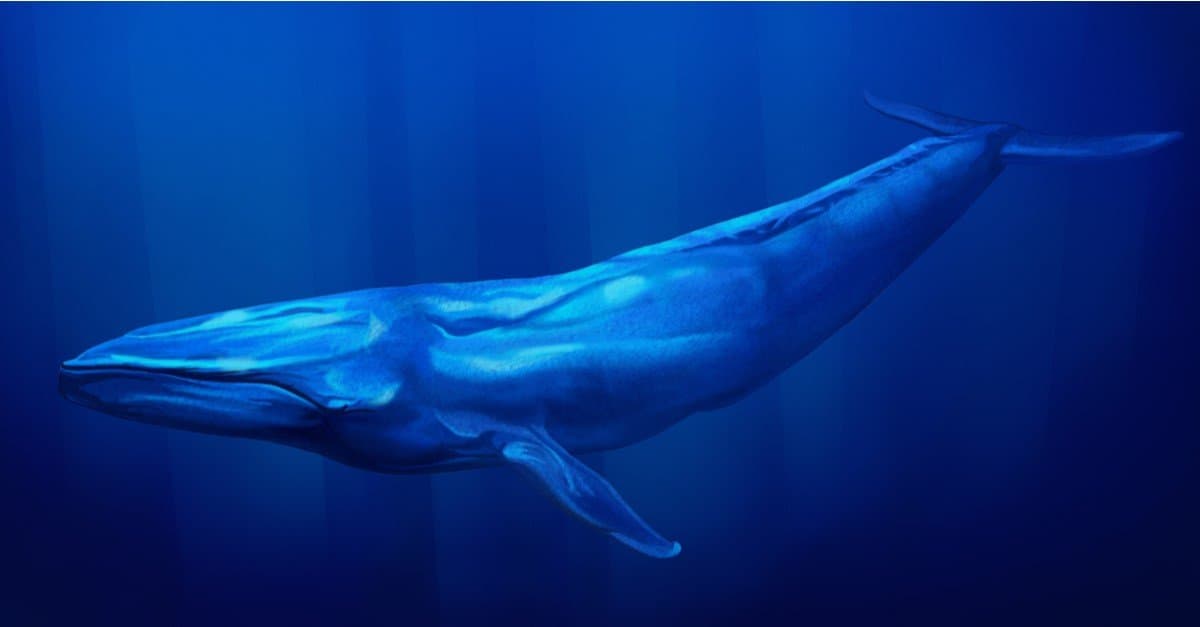
The “enemies” of the blue whale are, ultimately, unsustainable economic practices. However, recognizing these threats through a financial lens also highlights the immense opportunities for investment, innovation, and systemic change. A healthy ocean, teeming with its largest inhabitants, represents a storehouse of natural capital, providing vital ecosystem services, fostering sustainable industries, and contributing to global climate resilience. The long-term financial outlook for economies that embrace marine biodiversity protection is one of greater stability, diversified growth, and enhanced natural wealth. Conversely, continuing to ignore the economic costs of environmental degradation, exemplified by the struggles of the blue whale, poses an existential threat not just to wildlife but to human economies themselves. The true enemies are not just external forces, but often, the outdated financial models and short-term economic thinking that fail to value the planet’s most critical assets.
aViewFromTheCave is a participant in the Amazon Services LLC Associates Program, an affiliate advertising program designed to provide a means for sites to earn advertising fees by advertising and linking to Amazon.com. Amazon, the Amazon logo, AmazonSupply, and the AmazonSupply logo are trademarks of Amazon.com, Inc. or its affiliates. As an Amazon Associate we earn affiliate commissions from qualifying purchases.