
In the vast landscape of materials science, 316L stainless steel stands out as a critical alloy, widely adopted across numerous industries for its exceptional properties. Often referred to simply as “marine-grade” stainless steel, its designation, “316L,” signifies a specific composition that grants it superior resistance to corrosion, particularly in harsh environments. Understanding what 316L steel is, its unique characteristics, and its diverse applications is essential for anyone engaged in engineering, manufacturing, or technological development where material reliability is paramount.
The Composition and Core Properties of 316L Steel
316L is a member of the austenitic family of stainless steels, a group known for its non-magnetic properties and excellent corrosion resistance due to a high chromium and nickel content. The “L” suffix in 316L is particularly significant, indicating a low carbon content, which is a key differentiator from its counterpart, 316 stainless steel.
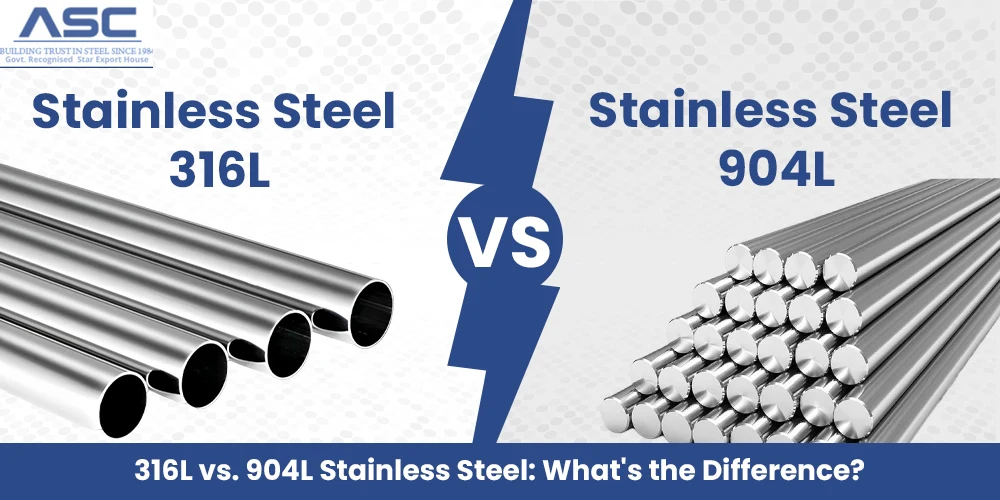
Austenitic Stainless Steel Family
Austenitic stainless steels derive their structure from a significant addition of nickel (typically 8-12%). This stabilizes the austenitic phase at room temperature, which is a face-centered cubic crystal structure. This structure contributes to the steel’s excellent ductility, formability, and toughness, making it highly suitable for various manufacturing processes like deep drawing and welding. Unlike ferritic or martensitic stainless steels, austenitic grades generally do not harden significantly through heat treatment but can be strengthened through cold working.
Key Alloying Elements
The primary alloying elements in 316L stainless steel are:
- Chromium (Cr): Typically 16-18%, chromium is the element responsible for stainless steel’s “stainless” quality. It forms a passive, self-repairing oxide layer on the surface, which prevents rust and corrosion.
- Nickel (Ni): Present at around 10-14%, nickel enhances ductility, toughness, and, crucially, improves resistance to certain corrosive media, particularly acids. It also stabilizes the austenitic structure.
- Molybdenum (Mo): This is the defining element for the 316 series. Molybdenum (2-3%) significantly boosts corrosion resistance, especially against pitting and crevice corrosion in chloride-rich environments. This makes 316L superior to 304 stainless steel in marine, chemical processing, and other aggressive conditions.
- Low Carbon (C): The “L” in 316L denotes a maximum carbon content of 0.03%. This low carbon level is critical for preventing sensitization, a phenomenon where chromium carbides precipitate at grain boundaries during welding or high-temperature exposure. Sensitization reduces the material’s corrosion resistance in the heat-affected zone by depleting chromium from those areas. By keeping carbon low, 316L maintains its full corrosion resistance even after welding.
Low Carbon Advantage
The reduced carbon content in 316L is its standout feature, particularly when considering its application in welded structures. When stainless steel is heated during welding, carbon can combine with chromium to form chromium carbides. This process, known as sensitization, occurs at temperatures between 425°C and 870°C (800°F to 1600°F). The formation of these carbides depletes the surrounding metal of chromium, rendering those areas vulnerable to intergranular corrosion. For applications requiring extensive welding, such as in tanks, pipes, and complex assemblies for chemical processing or marine environments, 316L’s low carbon content virtually eliminates this risk, ensuring the integrity and longevity of the welded component.
Superior Resistance for Demanding Environments
The precise composition of 316L steel endows it with an impressive array of resistance properties that make it indispensable in sectors where material degradation could lead to catastrophic failure or contamination.
Corrosion Resistance
The most celebrated property of 316L is its exceptional corrosion resistance. Thanks to its chromium content forming a passive layer and the addition of molybdenum, 316L provides superior resistance to a wide range of corrosive agents compared to 304 stainless steel. This includes resistance to:
- Chloride Corrosion: Molybdenum significantly enhances resistance to pitting and crevice corrosion, particularly in environments containing chlorides, such as seawater, saline solutions, and certain industrial chemicals. This is why it’s often referred to as “marine-grade.”
- Acidic Environments: It performs well against many acids, including sulfuric acid, hydrochloric acid, and acetic acid, although its specific resistance depends on concentration and temperature.
- Alkaline Solutions: 316L also exhibits good resistance to various alkaline solutions.
This robust corrosion profile makes it suitable for environments where other materials would quickly degrade, ensuring operational safety and product purity.
Heat Resistance
While 316L is primarily known for its corrosion resistance, it also demonstrates good heat resistance. It retains strength at elevated temperatures and maintains its structural integrity. However, continuous use at temperatures above 425°C (800°F) for extended periods can eventually lead to some sensitization, although far less pronounced than with standard 316. For intermittent service, it can withstand temperatures up to 870°C (1600°F) and 925°C (1700°F) for continuous service, showcasing its versatility even in thermal applications.
Strength and Durability
Beyond its resistance properties, 316L steel also offers excellent mechanical strength and durability. It has good tensile strength and yield strength, providing structural integrity in demanding applications. Its inherent toughness and ductility, characteristic of austenitic stainless steels, mean it can withstand significant stress and deformation without fracturing, contributing to its long service life and reliability. These mechanical properties are maintained even in corrosive environments, which is crucial for safety-critical components.
Versatile Applications Across Industries
The unique blend of corrosion resistance, strength, and weldability makes 316L stainless steel an invaluable material across a multitude of high-tech and industrial sectors.
Medical and Pharmaceutical Technology
In medical technology, material biocompatibility and sterile conditions are paramount. 316L steel is widely used for surgical implants, medical instruments, and pharmaceutical processing equipment due to its excellent corrosion resistance against bodily fluids and harsh cleaning agents, as well as its non-reactive surface. Its ability to be polished to a smooth finish also minimizes bacterial adhesion, making it ideal for maintaining hygienic environments.
Marine and Offshore Engineering
Given its superior resistance to chloride corrosion, 316L is the material of choice for marine applications. This includes boat fittings, structural components for offshore oil and gas platforms, desalination plants, and underwater equipment. Its ability to withstand the corrosive effects of saltwater significantly extends the lifespan of these critical assets.
Food Processing and Brewing Equipment
The food and beverage industry demands materials that are easy to clean, non-contaminating, and resistant to food acids and sanitizers. 316L stainless steel meets these criteria perfectly, making it ideal for tanks, piping, heat exchangers, and other equipment used in brewing, dairy processing, and food production. Its smooth surface also aids in preventing bacterial growth and facilitates stringent cleaning protocols.
Chemical and Petrochemical Processing
For handling a wide array of aggressive chemicals, the enhanced corrosion resistance of 316L is indispensable. It is extensively used in chemical reactors, storage tanks, pipelines, and heat exchangers within petrochemical plants and other chemical processing facilities where exposure to corrosive acids, alkalis, and chlorides is common. Its low carbon content ensures weld integrity in these high-stakes applications.
Architecture and Construction
While 304 stainless steel is common, 316L is preferred for architectural elements in coastal or heavily polluted urban environments where higher resistance to salt spray and industrial pollutants is required. It’s used for exterior cladding, handrails, sculptures, and other structural or decorative components that need to withstand harsh weather conditions over many decades.
Manufacturing and Fabrication Considerations
The fabrication of 316L stainless steel requires specific techniques to leverage its properties fully. Understanding its behavior during welding, forming, and machining is crucial for achieving desired outcomes and maintaining material integrity.
Weldability and Formability
One of 316L’s major advantages is its excellent weldability. The low carbon content significantly reduces the risk of sensitization and intergranular corrosion in the heat-affected zone, even without post-weld annealing. This makes it a preferred choice for complex welded structures. It can be readily welded using standard fusion welding methods such as TIG (GTAW), MIG (GMAW), and shielded metal arc welding (SMAW). Furthermore, its austenitic structure provides good ductility and formability, allowing it to be easily bent, drawn, and shaped into various components without cracking.
Machinability
Like other austenitic stainless steels, 316L can be challenging to machine due to its propensity to work harden rapidly. This means it becomes harder as it is cut, requiring robust tooling, slower speeds, and generous depths of cut to prevent excessive work hardening and tool wear. Using sharp tools, adequate lubrication, and appropriate machining strategies are key to successful machining operations for 316L components.
Why 316L Steel Matters in Modern Technology
In an era defined by advanced engineering and relentless technological progress, the choice of materials is more critical than ever. 316L stainless steel is not merely a common alloy; it is a foundational material that enables the development and longevity of countless technological solutions. From the precision instruments in a sterile operating room to the robust structures enduring the harshness of the open ocean, 316L provides the reliability and performance necessary for these systems to function without compromise. Its unique combination of corrosion resistance, mechanical strength, and excellent fabricability, particularly its weldability due to low carbon, positions it as an indispensable element in modern manufacturing and a cornerstone for innovation in demanding technological frontiers. As industries continue to push boundaries, the inherent advantages of 316L steel will ensure its continued relevance and importance in shaping the material world around us.
aViewFromTheCave is a participant in the Amazon Services LLC Associates Program, an affiliate advertising program designed to provide a means for sites to earn advertising fees by advertising and linking to Amazon.com. Amazon, the Amazon logo, AmazonSupply, and the AmazonSupply logo are trademarks of Amazon.com, Inc. or its affiliates. As an Amazon Associate we earn affiliate commissions from qualifying purchases.