
When considering alcoholic beverages, the question of which contains more alcohol—wine or beer—is often posed. While seemingly a straightforward query about chemistry, the answer holds significant implications for personal finance, consumer budgeting, and the broader business finance strategies of the alcohol industry. Understanding alcohol by volume (ABV) is not just about intoxication levels; it’s a critical factor in determining cost-effectiveness, managing financial risk, and shaping market dynamics.
The Core of the Matter: Alcohol by Volume (ABV) and Its Financial Weight
At the heart of the “wine vs. beer” debate is Alcohol by Volume (ABV), a standard measure indicating the percentage of pure alcohol in a given beverage. For consumers, ABV directly influences the perceived ‘strength’ of a drink, but more importantly, it dictates the true financial cost per unit of alcohol consumed. For businesses, ABV impacts production costs, taxation, pricing, and ultimately, profitability.

Deciphering ABV: A Key Financial Metric
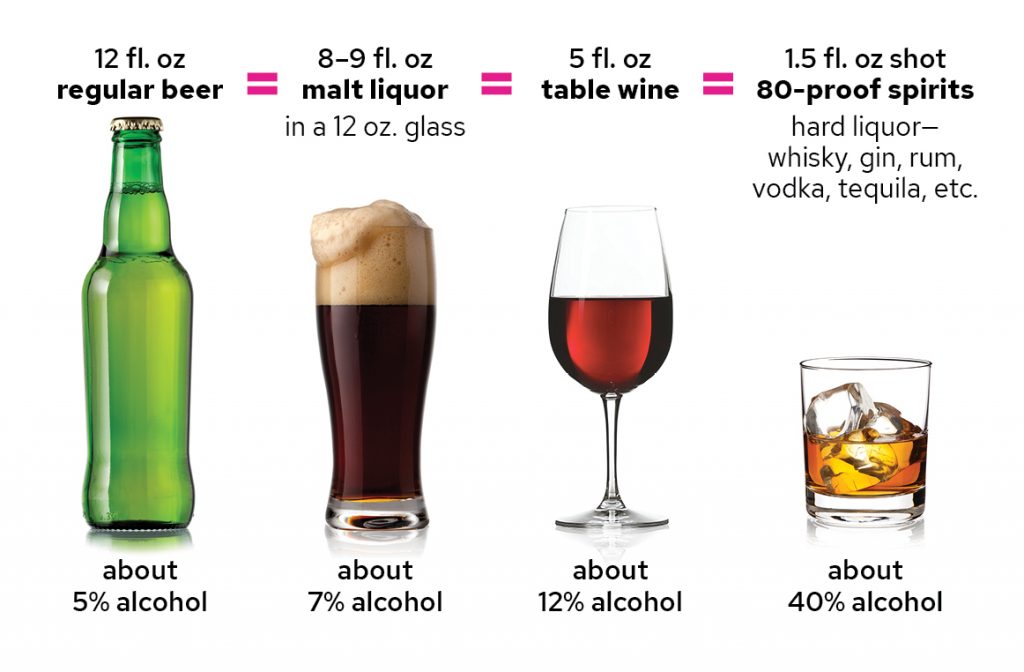
ABV is expressed as a percentage, representing the milliliters of pure alcohol in every 100 milliliters of the beverage. A 5% ABV beer, for instance, contains 5ml of pure alcohol per 100ml. This metric is crucial because alcohol content is often a primary driver of excise taxes, which are levied by governments and passed on to the consumer. Higher ABV often correlates with higher taxes per volume, influencing retail prices. From a personal finance perspective, this means a higher ABV drink might appear more expensive upfront, but could offer more alcohol per dollar if the tax differential isn’t too severe or if production costs for lower ABV alternatives are disproportionately high. Consumers making economically informed choices need to look beyond the sticker price and consider the ABV.
The Cost Per Unit: Your Wallet’s True Measure
To truly compare the financial value of wine and beer, one must calculate the “cost per unit of alcohol.” A standard unit of alcohol varies by country, but a common metric in many regions is 10 grams of pure alcohol (approximately 12.5ml). Without knowing the ABV, comparing the cost of a 12oz beer to a 5oz glass of wine is an apples-to-oranges financial exercise.
For example, a low-ABV beer (e.g., 3.5%) costs a certain amount per 12oz. A standard beer (e.g., 5%) costs another. A high-ABV craft beer (e.g., 8-10%) will be even more. Similarly, a 5oz pour of a 12% ABV wine will contain a different amount of alcohol than a 5oz pour of a 15% ABV wine. By standardizing the alcohol content, consumers can determine which beverage offers the most intoxicating potential for their dollar. This approach is fundamental for budgeting and optimizing discretionary spending on alcoholic beverages, ensuring that financial decisions are based on the actual product delivered, not just its volume.
A Direct Comparison: Understanding the Financial Value of Wine vs. Beer
While general perceptions might suggest wine has significantly more alcohol than beer, the reality is nuanced, with considerable overlap and variability across both categories. A detailed look at typical ABV ranges, alongside a calculation of “alcohol per dollar,” provides a clearer financial picture.
Typical ABV Ranges: What to Expect
- Beer: Most mainstream beers fall into the 4-6% ABV range. Light beers can be as low as 2.5-4%, while craft beers, particularly IPAs, stouts, and barleywines, can easily reach 7-12% ABV, and some specialty beers even exceed 20%. The vast diversity in beer styles means there’s a wide spectrum of alcohol content.
- Wine: The typical ABV for table wine ranges from 11-14%. Lighter wines, such as some German Rieslings or Italian Moscato, might be as low as 8-10%. Fortified wines like Port or Sherry, however, have significantly higher ABVs, usually between 15-20%, and sometimes even higher.
From this overview, it’s clear that while a typical glass of wine (11-14% ABV) generally contains more alcohol by volume than a typical pint of beer (4-6% ABV), there are many exceptions. A high-ABV craft beer could easily rival or exceed the alcohol content of a standard glass of wine, especially when considering the larger typical serving size of beer.
Calculating “Value”: Alcohol Per Dollar
Let’s illustrate with a simplified financial comparison:
-
Scenario 1: Typical Beer vs. Typical Wine
- A 12oz (355ml) can of 5% ABV beer: Contains approximately 17.75ml of pure alcohol. If it costs $2, the cost per ml of alcohol is ~$0.11.
- A 5oz (148ml) glass of 13% ABV wine: Contains approximately 19.24ml of pure alcohol. If it costs $7 (e.g., in a restaurant or from a $25 bottle yielding 4 glasses), the cost per ml of alcohol is ~$0.36.
- In this scenario, the beer is significantly more cost-effective per unit of alcohol.
-
Scenario 2: High-ABV Craft Beer vs. Standard Wine
- A 12oz (355ml) can of 9% ABV craft beer: Contains approximately 31.95ml of pure alcohol. If it costs $4, the cost per ml of alcohol is ~$0.13.
- A 5oz (148ml) glass of 13% ABV wine: Still ~$0.36 per ml of alcohol (from Scenario 1).
- Even with a more expensive craft beer, it can still present a better financial value per unit of alcohol than a typical glass of wine, particularly in a restaurant setting where wine markups are often higher.
This analysis underscores the importance of looking beyond the base price and considering the ABV to make financially astute purchasing decisions. For consumers on a budget, a higher ABV beer might offer more alcohol for less money than a glass of wine, depending on specific pricing and serving sizes.
Beyond the Price Tag: The Indirect Financial Consequences of Alcohol Content
The financial impact of alcohol extends far beyond the initial purchase price. Higher alcohol content, and consequently higher levels of consumption, can lead to a cascade of indirect financial consequences, affecting personal budgets, healthcare costs, and even legal expenses.
Health Expenses and Lost Productivity
Excessive alcohol consumption, often exacerbated by a lack of awareness regarding ABV, is a significant public health issue with profound financial repercussions. Alcohol-related illnesses, ranging from liver disease to cardiovascular problems, incur substantial medical bills, hospital stays, and prescription costs. These direct healthcare expenses can quickly deplete personal savings and lead to insurmountable debt.
Beyond direct medical costs, chronic or heavy drinking can lead to lost productivity. This manifests as absenteeism from work, reduced efficiency, and even job loss, directly impacting income and long-term financial stability. For businesses, employee absenteeism due to alcohol-related issues translates into decreased output, higher training costs for replacements, and a less competitive workforce—all impacting the bottom line. Understanding and managing alcohol intake, guided by ABV awareness, is therefore a critical component of financial prudence.
Legal Ramifications: A Costly Overindulgence
One of the most immediate and financially devastating consequences of overconsumption, particularly with higher ABV beverages, is driving under the influence (DUI) or driving while intoxicated (DWI). The financial penalties for a DUI conviction are staggering, often including:
- Fines: Ranging from hundreds to thousands of dollars.
- Legal Fees: Attorney costs that can easily run into thousands or tens of thousands.
- Insurance Premium Increases: Skyrocketing car insurance rates for years following a conviction.
- Ignition Interlock Devices: Mandatory installation and maintenance fees.
- Alcohol Education Programs: Required courses with associated costs.
- Lost Wages: Due to court appearances, jail time, or license suspension.
These costs can swiftly total tens of thousands of dollars, representing a severe financial setback that can take years to recover from. Being aware of the alcohol content in your chosen beverage helps in making responsible choices, thereby mitigating these substantial financial risks.
Budgeting for Responsible Consumption
Incorporating alcohol consumption into a personal budget requires more than just allocating funds for purchases. It necessitates an understanding of ABV to manage actual intake and avoid the indirect financial pitfalls discussed above. Financial tools and apps can help track spending on alcohol, but a truly effective budget also accounts for the risk associated with that spending. Opting for lower ABV options when socializing, alternating alcoholic drinks with water, and setting clear limits based on standard drink counts (which are tied to ABV) are all financially smart strategies that prevent overspending and safeguard against future liabilities.
From Producer to Consumer: How ABV Shapes Business Finance
For businesses in the alcoholic beverage industry, ABV is not merely a product specification; it’s a fundamental variable influencing everything from manufacturing costs and tax burdens to market positioning and pricing strategies.
Production Costs, Taxation, and Pricing Strategies
Higher ABV typically means a longer fermentation process or additional distillation steps, which can increase production costs due as more raw materials (grains, grapes) are needed, and potentially more energy and time. Crucially, excise taxes on alcoholic beverages are often scaled by ABV. This means a winery producing a 15% ABV Cabernet Sauvignon will likely pay more in taxes per gallon than a brewery producing a 5% ABV lager, even if the base production cost per volume were similar.
These tax burdens are a significant factor in a product’s final retail price. To maintain profitability, businesses must factor in higher taxes for higher ABV products, which can lead to higher consumer prices per volume. Conversely, a brewery might leverage a lower ABV product to offer a more affordable price point, appealing to a different market segment. This strategic interplay between production cost, taxation, and ABV is central to competitive pricing and maintaining healthy profit margins.
Inventory Management and Sales Volume
ABV also plays a role in inventory management and sales forecasting. High-ABV products, especially those that are aged (like certain wines or barrel-aged beers), may require longer storage times, tying up capital in inventory. Retailers also consider ABV when stocking shelves; a balanced inventory caters to various consumer preferences, from light, sessionable options to potent, specialty beverages.
Sales volume can be inversely related to ABV in certain segments. Consumers might buy more units of a lower-ABV beer for casual consumption, while a higher-ABV wine or craft beer might be purchased less frequently but at a higher price point per unit. Businesses must calibrate their production and marketing efforts to optimize sales across different ABV segments, ensuring efficient use of capital and maximizing overall revenue.
Market Positioning and Brand Value
ABV also contributes to market positioning and brand value. Wineries might emphasize the richness and complexity often associated with higher ABV wines, targeting a premium segment. Breweries might highlight the ‘sessionability’ of their lower-ABV beers, appealing to consumers looking for extended enjoyment without heavy intoxication. The perception of ‘value’ or ‘luxury’ can be intricately linked to a product’s alcohol content and how it is marketed. Craft breweries, for instance, often command higher prices for their higher-ABV, complex brews, leveraging the perceived quality and intensity to justify the premium. This strategic branding, tied to ABV, is crucial for establishing and growing market share and brand equity.
Making Financially Savvy Choices in Alcohol Consumption
Whether you are a consumer or a business owner in the alcohol industry, understanding the intricacies of ABV and its financial implications is paramount. Making informed decisions can lead to significant financial benefits and risk mitigation.
Optimizing Your Beverage Budget
For consumers, consciously comparing ABV and calculating cost per unit of alcohol can lead to smarter spending. If the goal is simply to relax with a drink, a lower ABV beer or wine might offer a more budget-friendly option over time. If the goal is a more potent experience, understanding the cost-efficiency of higher ABV options can help you allocate funds effectively without overspending. Leveraging apps that track consumption and cost, and being mindful of markups (especially in restaurants or bars where ABV isn’t always reflected proportionally in pricing), can further optimize your beverage budget.
Mitigating Risk: Health and Legal
Financial wellness is inextricably linked to physical health and legal standing. By being aware of the alcohol content in your drinks, you can better manage your intake, thereby reducing the financial risks associated with alcohol-related health issues and legal infractions like DUIs. This isn’t just about saving money; it’s about protecting your long-term financial security and well-being.
Informed Decisions for Personal and Business Success
In conclusion, while wine typically contains more alcohol by volume than beer on a standard serving basis, the vast range of ABVs within both categories means generalizations can be misleading. For personal finance, calculating the alcohol per dollar is key to making cost-effective choices. For businesses, ABV is a critical factor in pricing, taxation, production, and market strategy. By making informed decisions based on a clear understanding of ABV, both consumers and industry players can navigate the alcoholic beverage market more successfully, leading to better financial outcomes and more responsible consumption.
aViewFromTheCave is a participant in the Amazon Services LLC Associates Program, an affiliate advertising program designed to provide a means for sites to earn advertising fees by advertising and linking to Amazon.com. Amazon, the Amazon logo, AmazonSupply, and the AmazonSupply logo are trademarks of Amazon.com, Inc. or its affiliates. As an Amazon Associate we earn affiliate commissions from qualifying purchases.