
The intricate tapestry of character development within a successful literary series often mirrors the careful crafting of a powerful brand. Each character, particularly those with significant arcs, embodies a micro-brand that contributes to the larger narrative and the overarching identity of the franchise. Effie Trinket, a pivotal figure in Suzanne Collins’ “The Hunger Games” series, offers a compelling case study in personal brand evolution, demonstrating how a character’s journey can strategically reinforce, challenge, and ultimately redefine the core messaging of a literary brand. Her trajectory from an oblivious Capitol escort to a compassionate rebel ally is not merely a plot device; it’s a masterclass in brand transformation within a fictional universe.

The Strategic Evolution of Effie Trinket’s Personal Brand
Effie Trinket’s initial appearance is a striking portrayal of her original “personal brand” – one meticulously curated by the Capitol’s opulent, superficial, and often brutal regime. Her journey through the series is a gradual, yet profound, rebranding effort, moving from a symbol of Capitol excess to an emblem of evolving empathy and moral realignment.
Initial Brand Identity: Capitol Persona
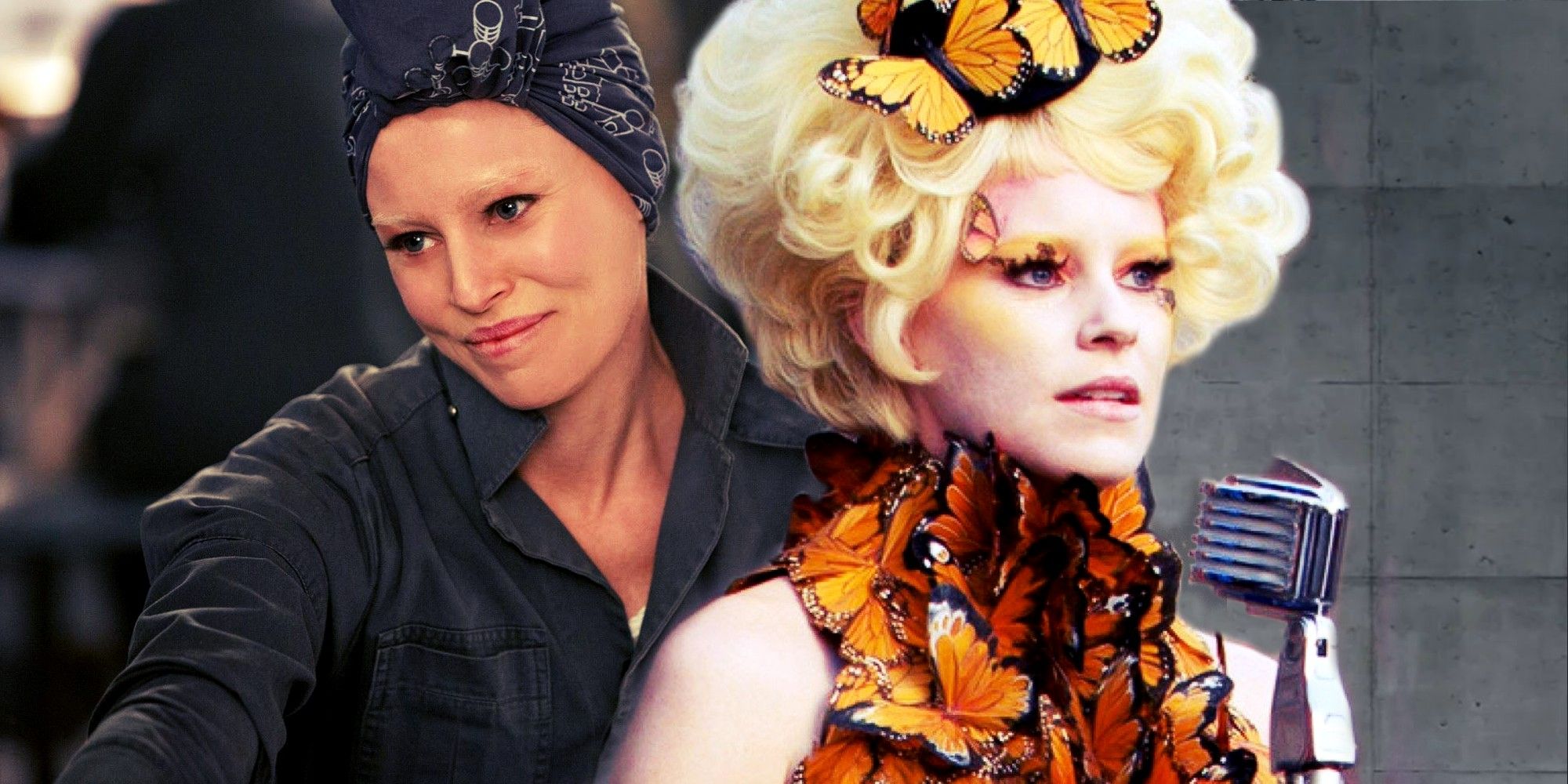
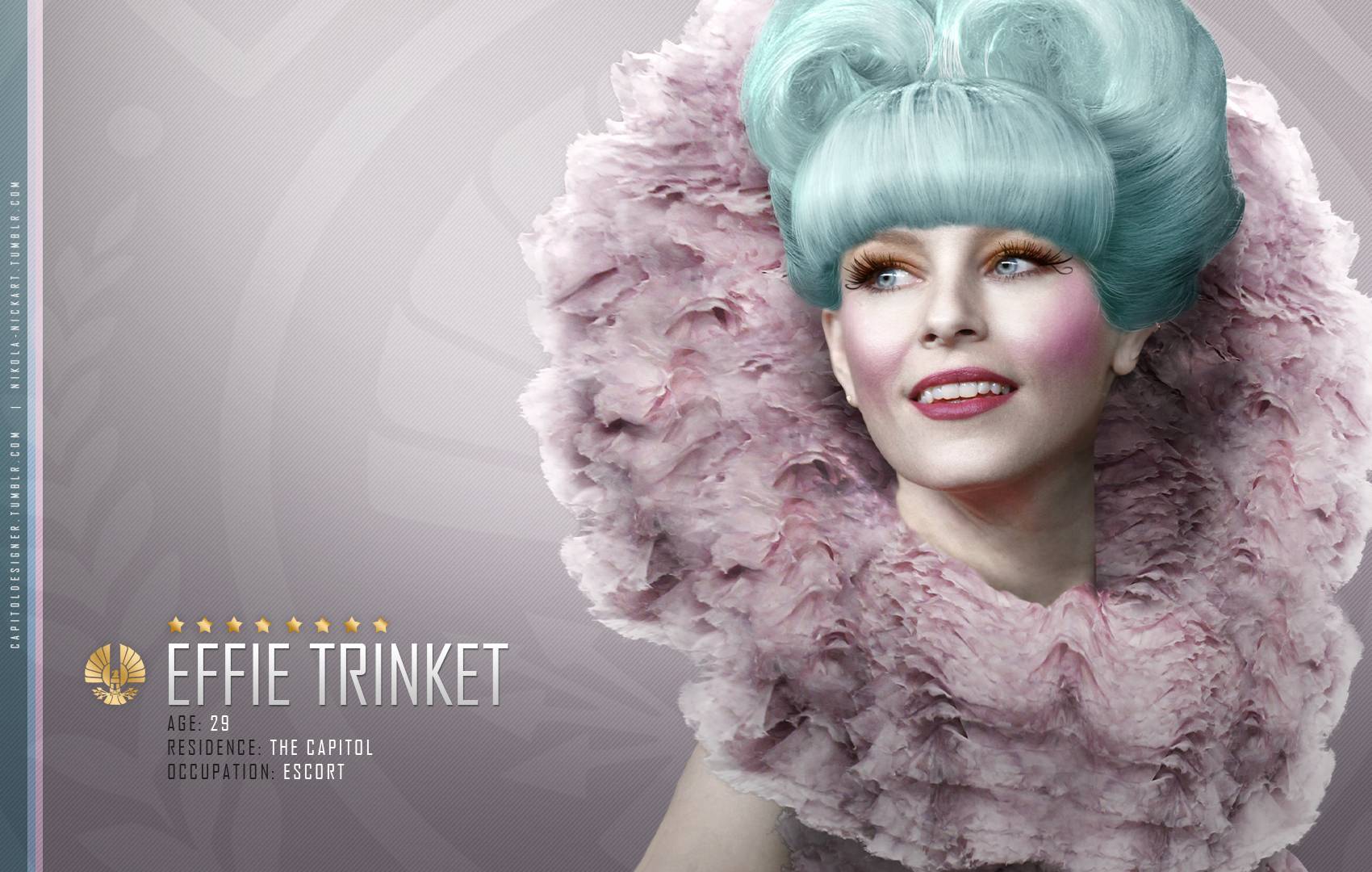
When first introduced, Effie’s brand identity is unmistakable. She is the epitome of Capitol fashion: garish wigs, elaborate makeup, and an affected manner of speech. This aesthetic, coupled with her unwavering adherence to Capitol protocols – from the strict adherence to reaping procedures to her initial insensitivity regarding the Districts’ plight – firmly establishes her as a brand ambassador for the Capitol’s oppressive system. Her personal brand speaks volumes about conformity, privilege, and a carefully constructed ignorance designed to maintain social order. She represents the “face” of the Games to the Districts, a seemingly benign but ultimately complicit participant in their suffering. This initial branding serves the broader series’ corporate identity by clearly delineating the antagonist force and its psychological hold.
Brand Disruption: Exposure to District Realities
Effie’s brand begins to experience significant disruption through her prolonged exposure to Katniss Everdeen and Peeta Mellark. Unlike previous tributes she may have mentored, Katniss and Peeta challenge her preconceptions and force her to confront the brutal realities glossed over by Capitol propaganda. The initial disruption is subtle: a flicker of concern for Katniss’s well-being, a quiet moment of frustration at the Games’ cruelty. These small cracks in her polished persona are the first signs of her brand identity undergoing stress. Her careful adherence to protocol is tested by genuine human connection, particularly her growing fondness for her District 12 charges. This period reflects a “crisis management” phase for her personal brand, where the external reality begins to conflict with her ingrained beliefs.
Brand Rebranding: The Emergence of Empathy
The most significant phase of Effie’s rebranding occurs during the rebellion, particularly after she finds herself imprisoned and then integrated into District 13. Stripped of her Capitol finery, her elaborate wigs replaced by practical braids, and her role shifting from escort to advisor, Effie undergoes a visible and profound transformation. This is not merely a change in appearance but a fundamental shift in her core values and purpose. Her meticulous organizational skills, once directed towards Capitol pageantry, are now deployed in service of the rebellion. She champions Katniss, offering emotional support and practical advice, demonstrating a loyalty that transcends her former allegiances. Her brand, once defined by superficiality, is now rooted in resilience, compassion, and a burgeoning sense of justice. This radical rebranding effectively broadens the narrative’s emotional scope, showcasing that even those seemingly entrenched in the opposing “corporate culture” can undergo profound ethical shifts.
Effie’s Role in Reinforcing The Hunger Games’ Core Brand Messaging
Beyond her individual journey, Effie Trinket’s character arc serves a vital function in reinforcing the broader brand messaging of “The Hunger Games” series. Her evolution helps articulate the central themes of the books in a uniquely impactful way.
Narrating the Shift in Brand Values
The Hunger Games series, as a literary brand, champions themes of resistance, the human cost of totalitarianism, and the power of individual courage against systemic oppression. Effie’s transformation directly narrates this shift in values from the perspective of an “insider.” Her journey demonstrates that the fight against tyranny is not merely a clash between clearly defined heroes and villains but a complex struggle that can even sway those initially aligned with the oppressor. She becomes a living embodiment of the idea that empathy can overcome ingrained prejudice and propaganda. Her character arc validates the rebellion’s core belief that fundamental human decency can transcend artificial divisions, a powerful message for the series’ brand identity.
Humanizing the Rebellion’s Brand
In many dystopian narratives, the rebellion can sometimes appear monolithic or purely ideological. Effie Trinket, with her initially frivolous nature and subsequent deep loyalty, humanizes the rebellion’s brand. She grounds the grand ideological struggle in personal relationships and emotional stakes. Her presence reminds readers that the war impacts individuals from all walks of life and that alliances are often forged through shared experiences and growing understanding, not just political alignment. By showing someone from the “other side” genuinely coming to care and contribute, Effie broadens the appeal and relatability of the rebellion’s cause, making its brand feel more inclusive and emotionally resonant.
Character Arc as a Brand Asset: Impact on Franchise Identity
A well-crafted character, particularly one with a compelling arc like Effie’s, becomes a significant brand asset for any creative franchise. Her distinct personality and transformative journey contribute significantly to the overall identity, recognition, and longevity of “The Hunger Games.”
Cultivating Brand Loyalty Through Relatable Change
Effie’s character arc is not just about changing sides; it’s about personal growth and moral awakening, which are inherently relatable human experiences. Readers are drawn to characters who evolve, facing internal and external conflicts that lead to deeper self-awareness. Her journey fosters a deeper connection with the audience, enhancing brand loyalty. Her eccentricities make her memorable, while her struggles and eventual compassion make her endearing. This emotional investment in a character’s transformation translates into a stronger attachment to the series as a whole, reinforcing its brand equity. When a character successfully undergoes a compelling arc, it enriches the overall brand narrative and leaves a lasting impression.
Diversifying Brand Appeal
Effie’s distinct personality, initially a source of comic relief, evolves to offer profound emotional depth. This range in her portrayal diversifies the overall appeal of “The Hunger Games” brand. She isn’t just a sidekick; she represents a segment of society that could be swayed, demonstrating the insidious power of propaganda but also the enduring strength of human connection. Her presence ensures that the narrative isn’t solely focused on the grim realities of war but also includes moments of humanity, wit, and emotional complexity. This broadens the franchise’s reach, making it appealing to a wider audience demographic who might connect with different aspects of the story and its characters. Her unique visual branding, even when simplified, remains an iconic element of the series’ recognizable imagery.
The Unwritten Epilogue: Sustaining Brand Legacy Beyond the Pages
The books conclude with the rebellion’s victory and the slow rebuilding of Panem. While Effie’s precise long-term fate isn’t explicitly detailed, her final appearance suggests a continuation of her re-established brand as a capable and loyal individual, now dedicated to a new, more just society.
Speculation and Brand Engagement
The ambiguity of Effie’s ultimate fate invites reader speculation, which in itself is a powerful tool for brand engagement. Fans often discuss what became of her, imagining her role in the new Panem. Did she become an advocate for ethical governance? Did her organizational skills find a new purpose in rebuilding the districts? This ongoing conversation keeps the character, and by extension, the “The Hunger Games” brand, alive and relevant in the cultural consciousness long after the final page is turned. Her personal brand, having undergone such a profound shift, leaves an enduring question: how does one truly integrate and contribute after being complicit in a past regime, and what does the new world offer those who have been fundamentally changed by it? These questions continue to resonate with the overall brand narrative of hope, healing, and the enduring challenges of rebuilding.
aViewFromTheCave is a participant in the Amazon Services LLC Associates Program, an affiliate advertising program designed to provide a means for sites to earn advertising fees by advertising and linking to Amazon.com. Amazon, the Amazon logo, AmazonSupply, and the AmazonSupply logo are trademarks of Amazon.com, Inc. or its affiliates. As an Amazon Associate we earn affiliate commissions from qualifying purchases.