
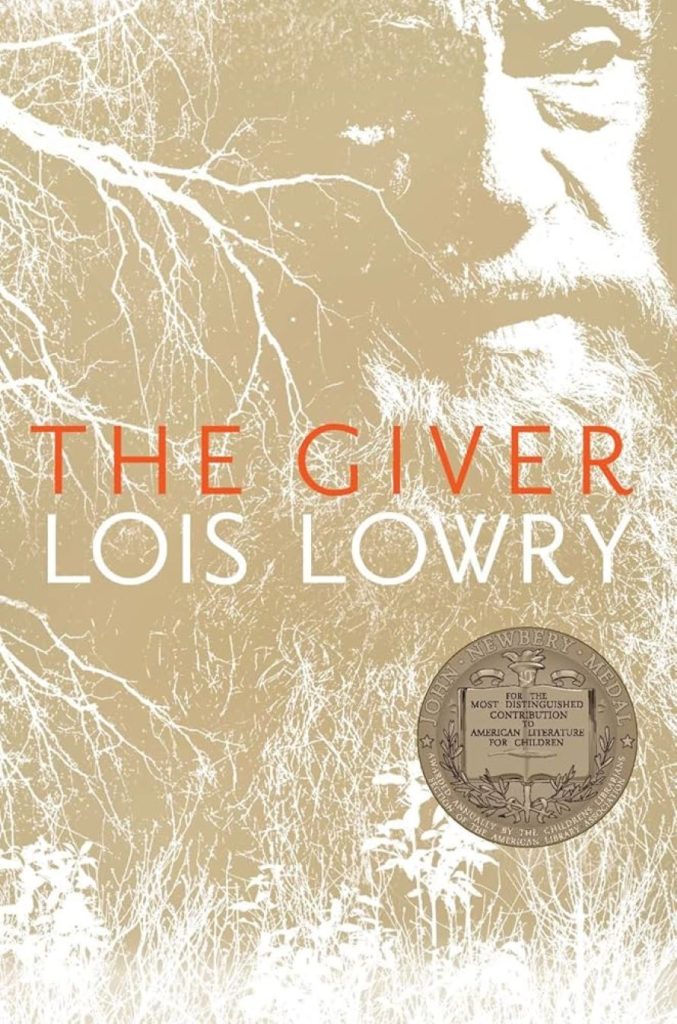
Lois Lowry’s seminal novel, The Giver, offers a chilling exploration of a society built upon the meticulous construction and maintenance of a specific brand identity: “Sameness.” What happens within its pages is not merely a coming-of-age story, but a profound deconstruction of a corporate-level social engineering project, where the community functions as a meticulously managed brand, and its citizens are both its product and its consumers. Through the eyes of young Jonas, we witness the strategic establishment, the subtle challenges, and the ultimate fracturing of this carefully curated collective consciousness.
The Genesis of “Sameness”: Establishing the Community’s Core Brand Values
The initial chapters of The Giver immerse us in a society defined by extreme order, predictability, and a deliberate absence of individual choice or strong emotion. This is the foundational brand image: a utopian existence free from pain, conflict, and uncertainty. The architects of this community, the Elders, have engineered a comprehensive system designed to uphold these core values, creating a brand that promises safety and stability above all else. Every aspect of life, from family units to career paths, is centrally planned, leaving no room for the unpredictable variables of individuality.
Precision of Language: The Brand’s Messaging Strategy
One of the most striking elements of the community’s brand management is its rigorous control over language. Citizens are trained from an early age to use “precision of language,” avoiding vague terms or emotional descriptors. Words like “love,” “hate,” “grief,” and “despair” are considered archaic or imprecise, replaced by sterile alternatives such as “feeling of loss” or “deep affection.” This isn’t merely about communication; it’s a critical component of the brand’s messaging strategy. By stripping language of its emotional resonance, the community effectively mutes any discourse that could challenge its core values of emotional flatness and conformity. It ensures that the brand narrative—one of perpetual contentedness and benign order—remains uncontested, preventing the emergence of dissenting interpretations or complex human experiences that might contradict the official message.
Ritual and Conformity: Building Brand Loyalty
The community in The Giver thrives on a relentless adherence to ritual. Daily apologies, public announcements, age-specific ceremonies (Naming, acquiring bicycles, the Ceremony of Twelve), and prescribed social interactions serve to reinforce the brand’s identity. These rituals are analogous to marketing campaigns and loyalty programs, consistently reiterating the community’s values and fostering a deep sense of belonging and allegiance among its citizens. Conformity is not just encouraged; it is meticulously engineered through these repeated, predictable events. Each ceremony marks a milestone in a citizen’s journey, but more importantly, it affirms their integration into the collective and their acceptance of the established brand. Deviations are gently corrected or, if persistent, lead to “release”—a chilling metaphor for brand rejection and elimination of dissenting elements. This system builds an unquestioning loyalty, where the collective identity eclipses any nascent individual aspirations.
Jonas’s Assignment: The Brand Custodian’s Burden
The pivotal moment in The Giver arrives with Jonas’s Assignment at the Ceremony of Twelve. Unlike his peers, who are given conventional roles like Nurturer or Instructor, Jonas is singled out for the incredibly rare and unique position of Receiver of Memory. This role is not merely a job; it is the ultimate brand custodian. While the community functions on the illusion of “Sameness,” the Elders understand that true stability requires an understanding of the past—the memories of pain, joy, love, and war that were sacrificed for “Sameness.” The Receiver is tasked with holding this collective memory, functioning as the community’s living archive of its abandoned brand identities and the reasons for their discard. Jonas, unknowingly, becomes the keeper of the brand’s true history, a history that is deliberately hidden from the general populace to maintain the current, sanitized public image.
The Weight of Memory: Uncovering Hidden Brand History
As Jonas begins his training with the Giver, the current Receiver, he starts to receive memories of the past: colors, sunshine, snow, warmth, love, but also agony, starvation, and war. These memories are the hidden archives of the brand’s evolution—the raw data, the consumer feedback from previous iterations, the challenges overcome, and the reasons for the current, restrictive “Sameness.” Jonas learns that the community consciously chose to shed these memories, much like a company might strategically forget past failures or uncomfortable truths to maintain a desirable public image. The Giver acts as a mentor, guiding Jonas through these historical records, explaining the rationale behind the community’s radical re-branding. For Jonas, this exposure is akin to an employee gaining access to a company’s confidential files, uncovering not just its triumphs but also its ethical compromises and the full, complex narrative behind its polished façade.
The Giver’s Role: Mentoring the Future Brand Steward

The Giver’s role is crucial. He is the repository of forgotten experiences, and his task is to transfer this “brand knowledge” to Jonas. This mentorship highlights the immense responsibility of the brand custodian—to understand not just the current brand messaging, but its entire history, its purpose, and the implications of its design. The Giver imparts wisdom about the burden of carrying this truth, the loneliness of being the only one who understands the full scope of the brand’s reality. He prepares Jonas not just to absorb information, but to endure the emotional weight of it, knowing that this knowledge is essential for the long-term, albeit covert, stability of the community’s identity.
Fracturing the Façade: Brand Erosion and Crisis
As Jonas accumulates more memories, the perfect brand image of “Sameness” begins to fracture. The blandness of his present reality is juxtaposed against the vibrant emotions and experiences of the past, creating a cognitive dissonance that undermines the community’s carefully constructed narrative. He sees the “lie” in their tranquil existence, the price paid for their comfort. This growing awareness represents a critical point of brand erosion, where the gap between the promised brand experience and the underlying reality becomes too wide to ignore. Jonas starts questioning the core tenets of the community, challenging its values, and ultimately initiating a brand crisis.
The Reality of “Release”: Exposure of Unethical Brand Practices
The most devastating blow to the brand’s integrity comes with Jonas’s discovery of the true meaning of “release.” Initially presented as a dignified departure to “Elsewhere” for the elderly and infirm, Jonas witnesses through the Giver’s memories, and later via a live video feed, that “release” is a euphemism for euthanasia. This revelation is the ultimate exposure of unethical brand practices. The brand, which promised security and care, is revealed to conceal brutal, utilitarian decisions about life and death. This is akin to a company being exposed for deceptive advertising or morally reprehensible actions hidden behind a benevolent public relations campaign. The concept of “release” exposes the hypocrisy at the heart of “Sameness,” stripping away its carefully crafted veneer of benevolence and revealing a harsh, calculating core.
The Decision to Depart: Abandoning the Brand for Authenticity
Faced with this stark reality, particularly the impending “release” of the infant Gabriel, Jonas makes a radical decision: he must abandon the brand. His planned escape, conceived with the Giver, is an act of profound rebellion. It’s an attempt to not only reject the existing brand identity but to force its collapse by returning the memories to the community. By carrying the memories “beyond,” Jonas intends to disrupt the carefully managed oblivion, hoping to restore individuality and genuine human experience. This is a monumental shift from brand loyalty to outright rejection, driven by a deep yearning for authenticity and truth, even if it means sacrificing his own safety and comfort.
The Journey to Elsewhere: Seeking a New Brand Narrative
Jonas’s perilous journey to “Elsewhere” is not just a physical escape; it is a quest to forge a new brand narrative for humanity, one rooted in genuine experience rather than manufactured sameness. He carries with him the burden and the beauty of all the memories, acting as a walking embodiment of an alternative future where emotions, individuality, and even pain are accepted as integral parts of existence.
Carrying the Memories: The Legacy of a Broken Brand
As Jonas and Gabriel brave harsh weather, hunger, and loneliness, Jonas transmits memories of warmth, food, and love to the infant, sustaining them both. He becomes a living bridge between the past and a potential future, carrying the legacy of the broken brand of “Sameness” and the hope of a more authentic existence. The physical and emotional hardships of the journey symbolize the arduous process of dismantling a deeply ingrained brand and rebuilding something new. The memories themselves are the building blocks for this new narrative, demonstrating that true connection and resilience come from embracing the full spectrum of human experience, not from suppressing it.

The Promise of Hope: Rebuilding Brand Trust and Authenticity
The novel concludes with Jonas hearing music and seeing lights, a sign that he has reached “Elsewhere”—a place where the forgotten brand elements of joy, color, and music still exist. This ambiguous ending offers a glimmer of hope: the possibility of rebuilding trust and authenticity in a world that had seemingly abandoned it. Jonas’s journey suggests that true progress lies not in erasing the past or homogenizing identity, but in confronting history, embracing complexity, and allowing for the richness of individual and collective experience. He represents the emergence of a new brand vision, one that values diversity, genuine emotion, and the profound, often painful, beauty of the human condition over the sterile comfort of controlled conformity. The Giver, ultimately, is a powerful commentary on the dangers of a society that sacrifices its authentic self for a meticulously designed, yet ultimately hollow, brand image.
aViewFromTheCave is a participant in the Amazon Services LLC Associates Program, an affiliate advertising program designed to provide a means for sites to earn advertising fees by advertising and linking to Amazon.com. Amazon, the Amazon logo, AmazonSupply, and the AmazonSupply logo are trademarks of Amazon.com, Inc. or its affiliates. As an Amazon Associate we earn affiliate commissions from qualifying purchases.