
Act 2 of Shakespeare’s Romeo and Juliet unfolds with a masterful demonstration of narrative branding, constructing the foundational elements of a compelling and enduring “love brand.” Far from being a mere plot progression, this pivotal act meticulously builds the emotional architecture, defines key archetypes, and establishes the unique selling proposition of the star-crossed lovers’ intense connection. Through a lens of brand strategy, we can dissect how the events of Act 2 create a powerful, unforgettable identity for one of literature’s most iconic relationships, resonating with audiences across centuries.

Establishing the Core Brand Message: Love’s Immediate Impact
The opening of Act 2 immediately shifts focus from Romeo’s infatuation with Rosaline to his profound, instantaneous connection with Juliet. This transition is crucial for establishing the brand’s core message: love at first sight, an uncontrollable, destiny-driven passion. The chorus, acting as a concise “brand brief,” dismisses past distractions (“Old desire doth in his death-bed lie”) and heralds the birth of an exhilarating new “product” (“Now for the freshest new to tender be”). This swift pivot ensures that the audience’s perception of Romeo’s affections is wholly redirected, solidifying the singularity and intensity of his new desire.
Romeo’s subsequent evasion of Mercutio and Benvolio further reinforces this singular focus. His friends, still jesting about Rosaline, represent the “noise” and “legacy perceptions” that the new brand must overcome. By withdrawing into the Capulet orchard, Romeo symbolically sheds old associations and enters the exclusive “brand space” dedicated solely to Juliet. This physical separation underscores the immediate and all-consuming nature of his new devotion, effectively communicating that this love is unlike any other—it is potent, exclusive, and transformative. The “brand value proposition” is clear: this is not a fleeting crush, but a profound, life-altering experience.
Crafting the Personal Brand: Archetypes of Passionate Youth
The iconic Balcony Scene is not merely a romantic encounter; it is a meticulously crafted “brand launch” for both Romeo and Juliet as individual archetypes and as a unified “power couple.” Their soliloquies and dialogues meticulously define their personal brands and how they intertwine.
Juliet, initially unaware of Romeo’s presence, muses on his name, questioning the arbitrary nature of “Montague.” This articulates her personal brand as one of independent thought, depth, and a desire to transcend superficial societal divisions. Her famous line, “What’s in a name? That which we call a rose / By any other word would smell as sweet,” becomes her brand slogan, emphasizing essence over label—a powerful message for any brand seeking to establish authenticity beyond its corporate identity.
Romeo, for his part, establishes his brand as the ardent, poetic lover willing to forsake all for his beloved. His description of Juliet as the sun, outshining the moon, frames her as the ultimate aspirational figure, elevating her status. His willingness to change his name (“Call me but love, and I’ll be new baptized”) demonstrates an ultimate commitment, a “rebranding” of himself for the sake of their union. This level of dedication becomes a key differentiator for their love brand.
Together, their interaction in the Balcony Scene is a masterclass in co-branding. They articulate mutual desires, fears, and vows, building a shared vision for their future. The rapid progression from discovery to declaration of love, and then to the promise of marriage, showcases an accelerated “customer journey” that bypasses typical courtship stages. This speed communicates the overwhelming power and inevitability of their connection, cementing their brand as one of intense, fated passion.
Building Brand Momentum: Strategic Allies and Urgent Action
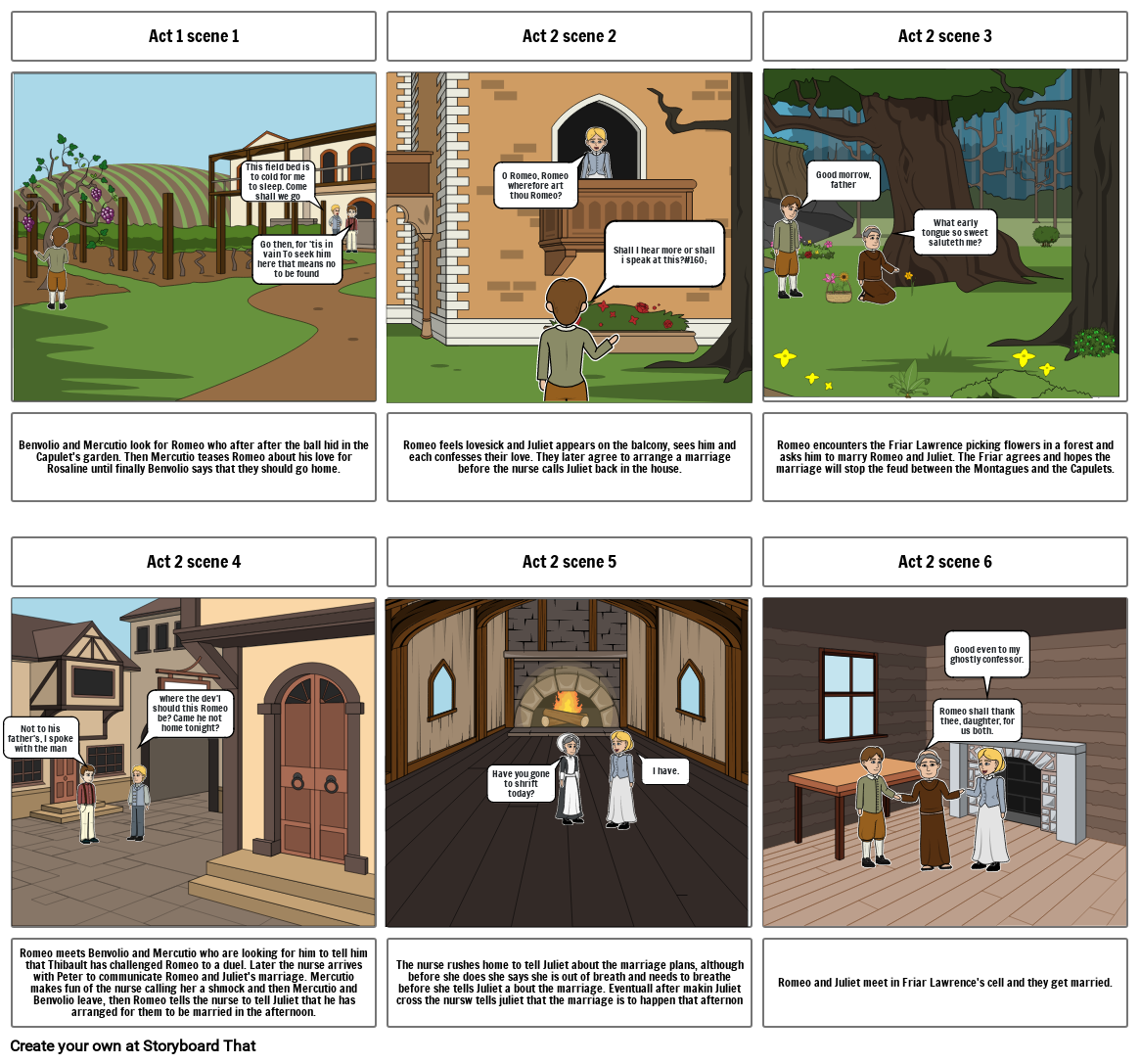
Following the intense declaration of love, Act 2 demonstrates how strategic alliances and decisive action can accelerate brand momentum. Romeo immediately seeks out Friar Lawrence, a figure of spiritual authority and a trusted confidant. This move is akin to a startup seeking an early-stage investor or an influential mentor.
Friar Lawrence, initially skeptical of Romeo’s sudden shift from Rosaline, ultimately agrees to marry them. His rationale, “For this alliance may so happily prove / To turn your households’ rancor to pure love,” reveals a broader strategic vision. He sees the “product” (Romeo and Juliet’s love) not just as a private affair, but as a catalyst for a larger “market impact”—peace between the warring families. The Friar becomes a crucial “strategic partner,” providing the infrastructure and legitimacy (the marriage ceremony) needed to advance the young lovers’ shared “brand mission.” His involvement transforms their private vows into a publicly recognized (though secretly conducted) commitment, adding gravitas and official sanction to their burgeoning brand.
The introduction of the Nurse as Juliet’s messenger further illustrates the practical aspects of building a brand. The Nurse, while often comedic, acts as a vital communication channel and logistics coordinator. She is the “delivery mechanism” for Romeo’s marriage proposal and later for the arrangements, navigating the practicalities of a clandestine operation. Her character underscores the need for effective operational support and a reliable network (even an unconventional one) to bring a brand’s vision to fruition. Her role, though seemingly secondary, is indispensable for executing the “marketing plan” that leads to the wedding.
The Power of Scarcity and Forbidden Love in Brand Storytelling
The narrative of Act 2 masterfully leverages the principles of scarcity and forbidden desire, powerful tools in brand storytelling. The secret nature of Romeo and Juliet’s meetings and their impending marriage creates an aura of exclusivity and urgency. Their love is a “limited edition product,” highly coveted precisely because it is forbidden and carries inherent risk.
The danger posed by the Capulet-Montague feud, hinted at throughout the act and explicitly in Mercutio and Benvolio’s discussion of Tybalt’s challenge, amplifies the value of their connection. The threat of discovery and violent repercussions means their love exists on borrowed time, making every moment precious. This scarcity principle—the idea that something is more desirable when it is rare or difficult to obtain—is a potent driver of engagement. It makes the audience (or “consumer”) invest more deeply in the outcome, recognizing the high stakes involved.
The “forbidden” aspect also adds an element of rebellion and passion, resonating with a desire to defy norms. This positions Romeo and Juliet’s love as a counter-culture brand, appealing to those who champion individuality and intense emotional experiences over societal conventions. This narrative device ensures that their love is not merely sweet, but also thrilling, dangerous, and utterly captivating.

Designing for Emotional Resonance: The Wedding and its Aftermath
The climax of Act 2 is the secret marriage itself, a moment of profound emotional resonance that solidifies the brand of Romeo and Juliet. The rushed ceremony, almost an afterthought in terms of detailed description, serves to emphasize the immediacy and purity of their commitment. It’s less about the ritual and more about the irreversible act of union.
Friar Lawrence’s parting words, “Come, come with me, and we will make short work; / For, by your leaves, you shall not stay alone / Till holy Church incorporate two in one,” succinctly capture the urgency and the solemnity. This quick resolution of the core “product delivery” (the marriage) allows the narrative to focus on the emotional impact rather than procedural details. The audience is left with the powerful image of their union, an emotional high point before the inevitable descent into tragedy.
In summary, Act 2 of Romeo and Juliet is a brilliant blueprint for how to establish, define, and launch a powerful narrative brand. From identifying a core message and crafting compelling archetypes to leveraging strategic alliances and harnessing the power of scarcity, every event contributes to creating an indelible impression of a love that is both intensely personal and universally appealing. The act’s meticulously designed emotional arc, its strategic use of supporting characters, and its deliberate pacing ensure that the brand of Romeo and Juliet’s love is deeply imprinted, setting the stage for its enduring legacy.
aViewFromTheCave is a participant in the Amazon Services LLC Associates Program, an affiliate advertising program designed to provide a means for sites to earn advertising fees by advertising and linking to Amazon.com. Amazon, the Amazon logo, AmazonSupply, and the AmazonSupply logo are trademarks of Amazon.com, Inc. or its affiliates. As an Amazon Associate we earn affiliate commissions from qualifying purchases.