
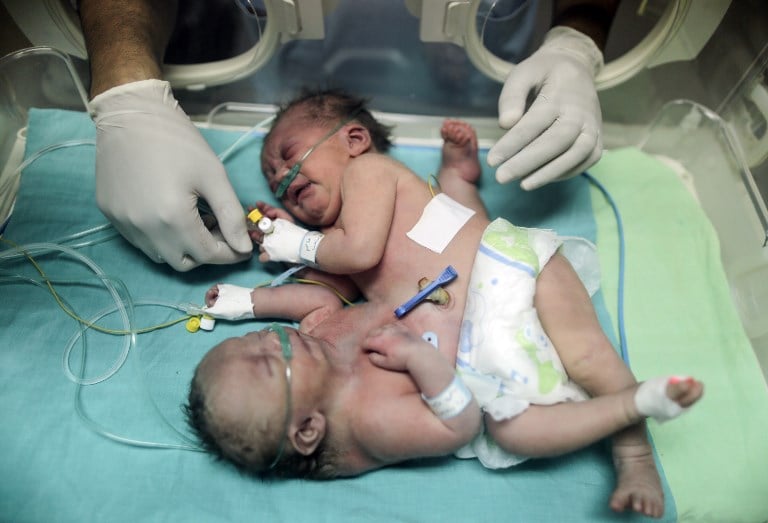
The existence of conjoined twins presents a medical marvel, a profound human story, and an incredibly complex challenge for healthcare systems, families, and financial planners. When tragedy strikes, and one conjoined twin dies, the ramifications extend far beyond the immediate emotional and medical crises, plunging families and institutions into a complex financial labyrinth. This unique scenario introduces unparalleled questions concerning healthcare costs, insurance policies, legal personhood, and long-term financial stability. Understanding these financial implications is crucial for stakeholders navigating such an extraordinarily rare and devastating event.
The Extraordinary Cost of Care and Its Aftermath
The journey of conjoined twins, from diagnosis through potential separation surgeries and beyond, is characterized by astronomical medical expenses. These costs do not simply cease when one twin passes away; rather, they pivot into a new set of financial challenges for the surviving twin and their family.

Pre-operative Financial Burdens
Even before any consideration of separation, the initial care for conjoined twins is immensely resource-intensive. This includes specialized prenatal diagnostics, continuous monitoring during pregnancy, and often a planned delivery in a highly equipped tertiary medical center. Post-birth, neonatologists, surgeons, intensivists, and a myriad of other specialists are involved in their immediate care. The cost of these services, including advanced imaging, specialized feeding, constant nursing supervision, and potential preliminary procedures, can quickly escalate into hundreds of thousands, if not millions, of dollars. For families, this period often means significant direct costs, travel expenses, accommodation near medical facilities, and substantial indirect costs due to lost income from parents needing to be present for their children’s care.
Surgical and Post-Surgical Expenditures
Should a separation surgery be deemed viable, the financial outlay becomes even more staggering. Separation surgeries for conjoined twins are among the most complex and longest procedures in medicine, requiring dozens of specialists, multiple operating rooms, extensive preparatory procedures, and often reconstructive surgeries. The cost of such an endeavor can easily exceed seven figures. When one twin dies during or after such an operation, the surviving twin often faces an extended recovery period, requiring intensive care, rehabilitation, and long-term specialized medical management. The financial burden shifts from a two-patient model to a one-patient model, but the survivor’s needs are often amplified by the trauma and complex physiological adjustments. This includes ongoing physical therapy, occupational therapy, psychological support, and specialized medical equipment, all contributing to sustained high expenditures.
Long-term Care for the Surviving Twin
The death of one conjoined twin does not automatically simplify the care requirements for the survivor. Often, the surviving twin may have residual medical conditions, organ damage, or developmental challenges directly related to their shared anatomy and the trauma of separation and loss. This necessitates ongoing, specialized medical care that can span years or even a lifetime. Financially, this translates into continuous out-of-pocket expenses for treatments, medications, regular specialist consultations, adaptive equipment, and potentially home modifications. Families must grapple with securing funding for these long-term needs, which may include state or federal disability support programs, specialized medical trusts, or ongoing fundraising efforts, all while navigating the complexities of medical billing and insurance claims in a uniquely tragic context.
Insurance Implications in Unprecedented Scenarios
The financial safety net of insurance policies faces its ultimate test in the rare and complex case of conjoined twins, particularly when one twin dies. The unique nature of their physiology and legal status challenges standard insurance frameworks, leading to intricate coverage dilemmas across health, life, and disability policies.
Health Insurance Coverage and Limitations
Health insurance providers typically categorize conjoined twins as two distinct individuals for billing purposes, even if they share organs or body parts. This distinction can be a double-edged sword. While it might allow for two separate benefit maximums or deductibles to be met, it also introduces complexity in how shared services are billed and adjudicated. When one twin dies, the health insurance coverage for that individual naturally ceases. However, the surviving twin’s continued, often intensified, medical needs must still be covered. Families frequently encounter challenges with prior authorization for highly specialized, experimental, or long-term care that may not fit neatly into standard policy definitions. The sheer volume and specialized nature of medical bills associated with conjoined twins often push families close to, or beyond, lifetime maximums, necessitating diligent advocacy and potential appeals processes to ensure the surviving twin receives necessary care.
Life Insurance and Unique Beneficiary Structures
The concept of life insurance for conjoined twins is fraught with unique ethical and financial considerations. If separate life insurance policies were obtained for each twin, the death of one would trigger a payout according to the policy terms. However, establishing separate legal identities and insurable interests can be complex, especially if the twins share vital organs or are considered a single entity for certain legal purposes. Some policies might have clauses that treat conjoined twins differently, or special riders might be required. The beneficiary structure also becomes crucial; typically, parents are the beneficiaries. The funds from a life insurance payout could be instrumental in covering accumulated medical debts, funeral expenses for the deceased twin, and providing financial support for the ongoing care of the survivor. Without foresight in establishing these policies, families might find themselves without this vital financial resource at a critical time.
Disability and Specialized Medical Equipment Funding
For the surviving twin, the journey often involves long-term disability, irrespective of the success of any separation. This can trigger eligibility for various state and federal disability benefits designed to assist with income replacement, specialized care, and adaptive equipment. However, navigating these complex bureaucratic systems requires significant time, documentation, and often legal assistance. Funding for specialized medical equipment—such as customized wheelchairs, prosthetics, or home medical devices—is a critical financial consideration. While health insurance may cover some of these costs, significant out-of-pocket expenses often remain. Families must explore avenues such as grants from non-profit organizations, specialized medical funds, and government assistance programs to bridge these funding gaps, ensuring the surviving twin has access to tools that enhance their quality of life.
Estate Planning, Legalities, and Financial Legacy
The death of one conjoined twin, particularly in adulthood, introduces an intricate web of legal and financial questions related to personhood, inheritance, and estate management. These considerations are often unprecedented, requiring novel approaches to conventional legal frameworks.
The Legal Personhood and Financial Identity
One of the most challenging aspects arises from the legal definition of personhood for conjoined twins. While medically they are two distinct individuals, their shared physiology can blur lines in legal contexts. In most jurisdictions, conjoined twins are recognized as two separate legal entities from birth, each possessing individual rights, a unique birth certificate, and the capacity to inherit or accrue assets. However, their shared physical existence prior to separation, or even after a partial separation, can complicate issues like property ownership or financial autonomy. When one twin dies, their individual legal personhood dictates that their estate must be handled according to standard probate laws, but the unique circumstances often require court interpretation or specialized legal counsel.
Navigating Estate Claims and Inheritance
If a deceased conjoined twin had accumulated assets or had a will, their estate would need to be settled. This process becomes complex if there are shared financial accounts, property, or if the surviving twin was a beneficiary. Questions can arise regarding how to separate assets that were implicitly shared or how to value an inheritance for a surviving twin who may have ongoing special needs. Without clear estate planning documents, such as wills or trusts, families can face prolonged legal battles and significant financial strain. Establishing a special needs trust for the surviving twin can be a crucial strategy, allowing them to receive an inheritance or other financial gifts without jeopardizing eligibility for government assistance programs.
Philanthropy and Medical Research Funding
The unique nature of conjoined twins also attracts significant philanthropic interest and medical research funding. When one twin dies, the outcome can influence the direction of future research, funding priorities, and public perception of such rare medical interventions. Foundations and donors often contribute to specific medical centers or research initiatives focused on improving outcomes for conjoined twins. The financial legacy of a particular case, including any public funds raised for their care, must be carefully managed. Transparency and accountability become paramount, ensuring that remaining funds are appropriately allocated—whether for the surviving twin’s care, medical debt resolution, or redirected to other research efforts aimed at preventing similar tragedies or improving the quality of life for future conjoined individuals.
Economic Impact on Families and Support Systems
Beyond direct medical and legal costs, the long-term economic impact on families raising conjoined twins, particularly after the death of one, is profound and far-reaching. It encompasses lost income, opportunity costs, and a reliance on broader support systems to maintain financial stability.
Lost Income and Opportunity Costs
Caring for conjoined twins, especially through the intensive phases of diagnosis, treatment, and potential separation, often requires one or both parents to reduce their working hours significantly or leave their jobs entirely. This results in substantial lost income and opportunity costs, impacting the family’s overall financial well-being for years. The death of one twin does not immediately alleviate this burden; the surviving twin’s needs may remain high, demanding continued parental presence and specialized care that precludes full-time employment. The long-term career setbacks and diminished earning potential for parents can have ripple effects on retirement savings, educational funding for other children, and overall economic security.

Community Support and Fund-Raising Efforts
Given the extraordinary financial demands, many families of conjoined twins turn to community support and public fundraising. Online crowdfunding platforms, local charity events, and dedicated foundations often play a crucial role in covering expenses not fully met by insurance or personal savings. When one twin dies, the focus of these efforts may shift to supporting the surviving twin’s long-term care, therapy, and quality of life. Managing these donated funds responsibly, often through designated bank accounts or trusts, is essential to ensure transparency and proper allocation. Furthermore, the emotional and practical support networks that often form around such families provide an invaluable, albeit unquantifiable, economic buffer by helping with tasks, providing respite, and fostering resilience. The continuity of this support is critical for families navigating the immense grief and ongoing demands following such a profound loss.
aViewFromTheCave is a participant in the Amazon Services LLC Associates Program, an affiliate advertising program designed to provide a means for sites to earn advertising fees by advertising and linking to Amazon.com. Amazon, the Amazon logo, AmazonSupply, and the AmazonSupply logo are trademarks of Amazon.com, Inc. or its affiliates. As an Amazon Associate we earn affiliate commissions from qualifying purchases.