
The NFL Draft is a spectacle of dreams, often seen as a direct pipeline to multi-million dollar contracts and financial security. Yet, beneath the glitz and glamour, a complex financial dance unfolds. What happens when a chosen player, for various reasons, doesn’t sign the contract offered by the team that drafted them? The financial ramifications for both the athlete and the franchise are significant, touching upon personal finance, business finance, and long-term investment strategies.
The Immediate Financial Fallout for the Player
For an NFL draft pick, the failure to sign a contract represents an immediate and substantial loss of guaranteed income and potential future earnings. The financial blueprint for rookies is largely dictated by the NFL’s Collective Bargaining Agreement (CBA), which standardizes rookie contracts based on draft slot.
Loss of Guaranteed Money and Signing Bonus
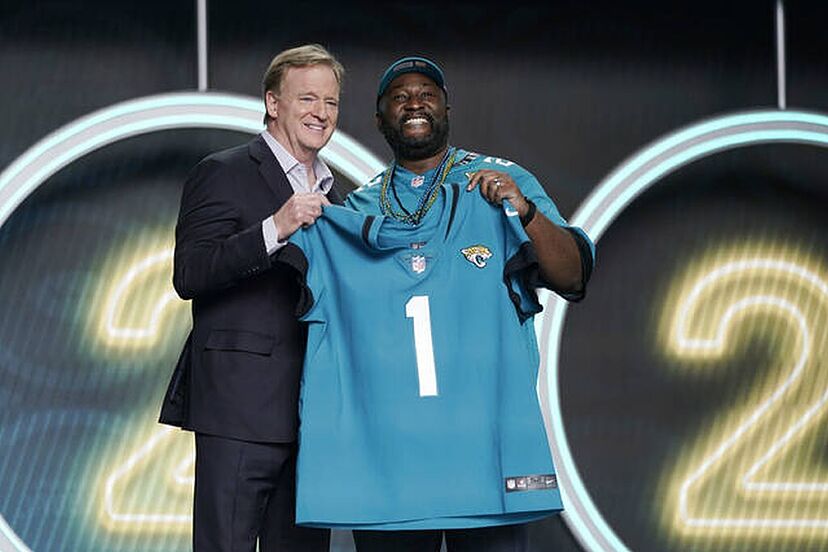
The most immediate and painful financial consequence for a player who doesn’t sign is the forfeiture of their signing bonus and annual salary. Top-tier first-round picks can command signing bonuses in the tens of millions, fully guaranteed, alongside multi-year contracts worth even more. For instance, the number one overall pick’s contract often exceeds $35 million over four years, with a vast majority guaranteed. Even a late-round pick secures hundreds of thousands in signing bonuses and base salaries.
By refusing to sign, the player walks away from this guaranteed money. This isn’t merely postponing income; it’s a permanent loss of the financial stability and capital infusion that a rookie contract provides. This capital is crucial for an athlete’s personal financial planning, allowing for investments, support of family, or simply building a financial cushion for a career that can be notoriously short-lived. Without it, the player returns to square one, albeit with the public attention of having been drafted.
Impact on Future Earning Potential and Market Value
Beyond the immediate contract, not signing can severely impact a player’s long-term earning potential. An NFL contract is not just income; it’s a financial endorsement, a platform for further endorsement deals, and a stepping stone to future, larger contracts. By not signing, a player misses out on:
- Financial Leverage: Playing and performing well on their initial contract allows a player to negotiate a significantly larger second contract, often with more guaranteed money. A holdout or refusal to sign disrupts this progression.
- Performance-Based Incentives: Rookie contracts often include performance bonuses, which add to a player’s annual earnings. These are naturally forfeited if no contract is signed.
- Endorsement Opportunities: Being an active NFL player, especially one performing well, opens doors to lucrative endorsement deals with brands. These income streams are often tied directly to active player status and visibility.
- Career Longevity and Pension: Every year spent in the NFL contributes towards vesting in the league’s robust pension plan and other post-career benefits. Not signing delays or potentially derails this critical long-term financial security.
The perception of a player who doesn’t sign can also affect their market value. While some might see it as a stand for better terms, others might view it as a red flag regarding commitment or coachability, potentially deterring future teams or reducing their perceived value in subsequent drafts or free agency periods.
Team’s Financial and Strategic Fallout
The financial implications of an unsigned draft pick are not unilateral; they also significantly impact the drafting team’s financial strategy, roster management, and investment in future talent.
Salary Cap Implications and Wasted Draft Capital
NFL teams operate under a strict salary cap, a financial ceiling on how much they can spend on player salaries. Draft picks are allocated specific amounts against this cap, even before they sign. When a player doesn’t sign, that allocated cap space isn’t immediately freed up for other uses. Instead, the team might face a unique financial scenario:
- Cap Hold: The slot value for that pick typically remains on the team’s salary cap until a specific deadline, or until the team formally rescinds the offer. This ties up valuable cap space that could have been used to sign other players, extend veterans, or pursue free agents.
- Wasted Investment: Draft picks represent a significant financial and strategic investment. Teams spend millions on scouting, player development systems, and the actual “cost” of the draft pick itself (e.g., trading away other picks or players to move up). When a pick doesn’t sign, that investment is essentially wasted, with no on-field return.
- Opportunity Cost: The team loses the opportunity to have a potentially impactful player on a cost-controlled rookie contract. Finding equivalent talent at such a low cost is extremely difficult in the NFL, representing a massive financial opportunity cost.
Financial Recourse and Future Draft Capital
The NFL’s CBA provides specific rules for unsigned draft picks, which mitigate some of the financial damage for teams but also outline clear financial paths for the player.
- Rescinding Rights (and financial implications): A drafted player who does not sign a contract with the team that drafted them is generally ineligible to play for any other NFL team in that season. They typically re-enter the draft the following year. If a team does not sign its first-round pick, it receives a compensatory pick in the same slot in the following year’s draft. This is a crucial financial mechanism for teams to recoup some value. For example, if a team drafts a player 10th overall and he doesn’t sign, they would receive the 10th overall pick in the next draft. This compensatory pick, however, has an “opportunity cost” component: it’s a year later, and the team misses out on a year of player development and contribution from the initial pick.
- Exclusive Negotiating Rights: A team retains exclusive negotiating rights for their draft pick until the next draft. This means no other NFL team can offer a contract, creating a financial bottleneck for the player. The player’s agent and financial advisors must weigh the guaranteed money being offered against the potential for a better situation a year later, knowing they’ll forgo a year’s income.
Contractual Holdouts and Financial Leverage
While outright refusal to sign is rare, contractual holdouts are more common. These are often financially motivated strategies employed by players and their agents to leverage better financial terms, such as more guaranteed money, a higher signing bonus, or a faster path to free agency.
The Financial Chess Match
A holdout is a financial chess match. The player forfeits daily fines (which can be significant, often tens of thousands of dollars per day of missed training camp), and potentially a portion of their signing bonus, to push for a more lucrative deal. For the team, a holdout represents a financial headache and a disruption to business operations. They must weigh the cost of fines versus the potential long-term financial benefit of retaining a star player happy with their contract.
The advice of a shrewd agent and financial planner is paramount here. They analyze the player’s market value, the team’s cap space, and the precedent set by similar players’ contracts to determine the optimal financial strategy. The goal is to maximize the player’s personal finance trajectory while minimizing the immediate financial penalties of holding out.
The Role of Guaranteed Money
In NFL contracts, guaranteed money is the gold standard. It’s the portion of the contract the player is assured to receive, regardless of injury or performance. Holdouts are often about increasing this guaranteed portion, especially in the later years of a contract. This provides financial security that can be invaluable for personal financial planning, allowing for smarter investments, debt management, and future wealth building. From a team’s perspective, guaranteeing more money means greater financial commitment and less flexibility, hence the pushback.
Long-Term Financial Planning for Undrafted Talent or Holdouts
For players who don’t sign or hold out, the financial journey deviates sharply from the standard path. Their long-term financial planning must adapt to unique circumstances.
Exploring Alternative Earning Paths
If an NFL contract isn’t secured, players may explore alternative professional football leagues (e.g., UFL, CFL). While these leagues offer significantly lower salaries, they provide a platform to continue playing, showcasing skills, and potentially earning a future NFL opportunity. This income, while modest by NFL standards, can be critical for maintaining financial stability and continuing to invest in their physical and professional development.
Beyond football, some players pivot to other careers, often leveraging their college education or network. This requires a robust financial plan that considers skill transferability, potential income disparities, and the long-term investment in a new career path.
The Financial Prudence of Holding Out vs. Signing
The decision to hold out or not sign is a profound personal finance choice. It balances immediate financial loss against potential long-term gain.
- Risk Assessment: Players and their financial advisors must assess the risk of injury, market fluctuations, and the team’s willingness to negotiate. A severe injury during a holdout, for example, could erase future earning potential entirely.
- Opportunity Cost Analysis: Forgoing a year of NFL salary and benefits has a significant opportunity cost. This money could have been invested, saved, or used to build a financial foundation. The potential for a larger contract in the future must outweigh this immediate financial sacrifice.
- Financial Discipline: Players choosing this path need exceptional financial discipline, often living off savings or alternative income streams while they wait for their contract situation to resolve. This necessitates careful budgeting and financial foresight.
In essence, the scenario of an NFL draft pick not signing transforms into a high-stakes financial negotiation and a critical personal finance decision point. It underscores the immense financial value inherent in NFL contracts and the intricate financial ecosystems governing professional sports.
aViewFromTheCave is a participant in the Amazon Services LLC Associates Program, an affiliate advertising program designed to provide a means for sites to earn advertising fees by advertising and linking to Amazon.com. Amazon, the Amazon logo, AmazonSupply, and the AmazonSupply logo are trademarks of Amazon.com, Inc. or its affiliates. As an Amazon Associate we earn affiliate commissions from qualifying purchases.