
The journey to homeownership is often perceived as reaching its crescendo upon receipt of the Closing Disclosure (CD). While this critical document certainly marks a significant milestone, indicating that your loan is ready to be finalized, it’s not the finish line. In fact, what transpires between receiving the CD and the actual closing day—and the immediate aftermath—is crucial for ensuring a smooth transaction and a financially sound start to your new life as a homeowner. This period demands meticulous attention to detail, proactive financial management, and a clear understanding of the final steps to avoid last-minute complications and unexpected costs.
The Final Review Period: Your Last Chance for Due Diligence
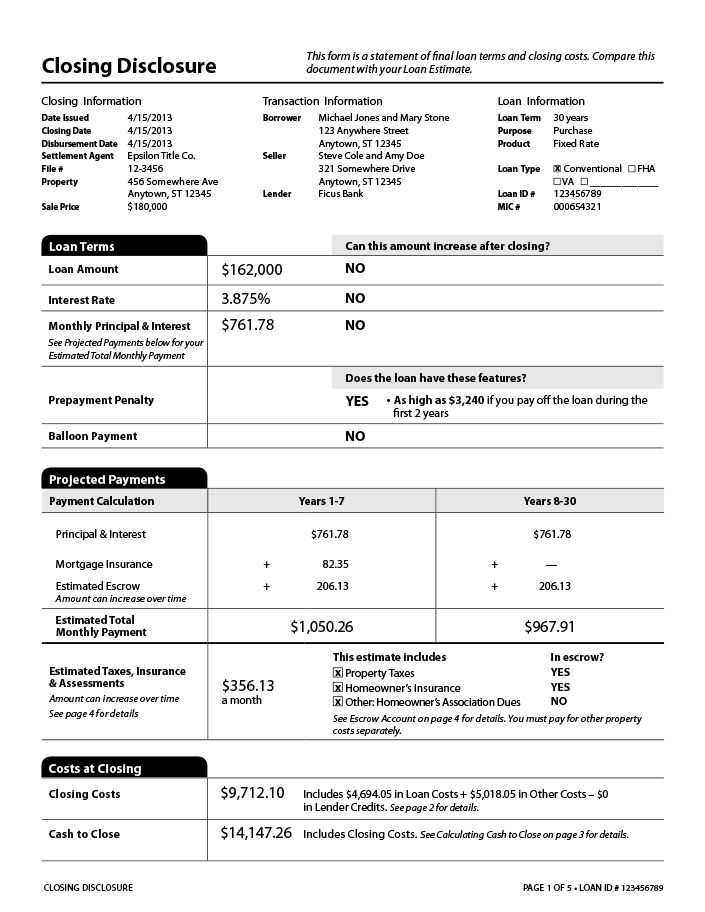
The Closing Disclosure is a comprehensive five-page form outlining the final terms of your mortgage loan, including the projected monthly payments, fees, and other closing costs. By law, you must receive this document at least three business days before your scheduled closing date. This mandatory waiting period isn’t merely a formality; it’s a vital opportunity for you, the borrower, to conduct your ultimate financial review before committing.
Scrutinizing the Closing Disclosure
Your primary task during this three-day window is to thoroughly compare the Closing Disclosure with the Loan Estimate (LE) you initially received. While some minor fluctuations are normal due to appraisal adjustments, final interest rate locks, or insurance premium changes, significant discrepancies warrant immediate attention. Pay particular heed to the loan amount, interest rate, loan term, and whether the loan type (fixed-rate vs. adjustable-rate) matches your understanding. Even a seemingly small increase in a fee can add up, impacting your overall closing costs and long-term financial obligation. Don’t hesitate to pull out your calculator and double-check all calculations.
Understanding Loan Terms and Fees
Beyond comparing figures, take the time to deeply understand every line item on the CD. Are there any prepayment penalties? What are the specifics of your escrow account for property taxes and homeowner’s insurance? Does the lender’s credit for any negotiated seller concessions or lender credits appear correctly? Each fee, from the origination fee to title insurance premiums, settlement fees, and recording fees, should be justifiable and match what was agreed upon. If a fee appears new or unusually high compared to your Loan Estimate, flag it for clarification. Understanding these components is paramount to accurately budgeting for your initial housing expenses and ensuring there are no surprises in your monthly mortgage payments.
Resolving Discrepancies
Should you uncover any errors or discrepancies, it is imperative to contact your lender and settlement agent immediately. Prompt communication is key, as any significant changes to the CD could trigger a new three-business-day waiting period, potentially delaying your closing. Minor changes, such as unexpected fees under certain tolerances or clerical errors, may not reset the clock, but it’s always best to clarify. Your financial well-being hinges on the accuracy of this document, making advocacy on your own behalf a critical step in the home-buying process.
Preparing for Closing Day: Logistics and Funds
With the Closing Disclosure reviewed and any issues addressed, the focus shifts to the practical preparations for the big day itself. This involves more than just packing boxes; it’s about ensuring all financial and logistical elements are perfectly aligned for a seamless transfer of ownership.
The Final Walk-Through
Typically conducted 24 to 48 hours before closing, the final walk-through is your last opportunity to inspect the property. This isn’t a re-inspection for minor cosmetic flaws, but rather a check to ensure the property is in the agreed-upon condition, any repairs stipulated in the purchase agreement have been completed, and no damage has occurred since your last visit. Financially, this protects you from inheriting unforeseen repair costs immediately after closing. Should you discover new damage or unaddressed repairs, alert your real estate agent and settlement agent immediately. Funds may need to be held in escrow from the seller’s proceeds to cover the cost of repairs, ensuring you aren’t out-of-pocket.
Securing Certified Funds for Closing Costs
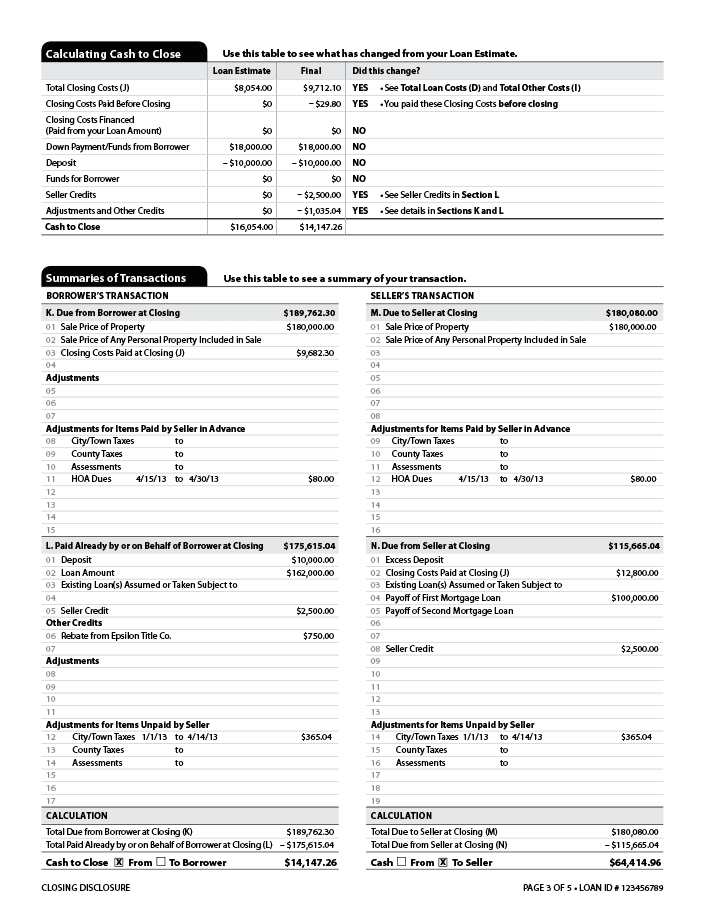
One of the most critical financial tasks before closing is arranging for the transfer of your “cash to close.” This amount, detailed on your Closing Disclosure, includes your down payment (if applicable) and various closing costs. Personal checks are almost never accepted for these large sums. Instead, you’ll need certified funds, typically in the form of a cashier’s check or a wire transfer. Confirm the exact amount and the preferred method of payment with your settlement agent well in advance. For wire transfers, exercise extreme caution: verify routing and account numbers directly with your settlement agent via a confirmed phone number (not one from an email) to prevent wire fraud, a growing and costly scam targeting homebuyers. Ensure these funds are accessible and transferable on time, as any delay can postpone your closing.
Gathering Necessary Identification and Documents
While much of the documentation is handled electronically or by your agents, you will need to bring specific items to the closing table. This almost always includes a valid government-issued photo identification (e.g., driver’s license, passport). Some closing agents may also request a second form of ID. Additionally, bring copies of your Closing Disclosure, proof of any funds wired, and any other documents your lender or agent specifically instructed you to bring. Having these items ready will expedite the signing process and prevent any last-minute scrambling.
Closing Day: The Culmination of Your Home Purchase
This is the day you’ve been working towards! Closing day is the formal process where all parties—you, the seller (often represented by their agent), the lender’s representative, and the settlement agent (typically from a title company or attorney’s office)—meet to sign the final documents that officially transfer ownership.
The Closing Table: Signatures and Notarization
At the closing table, you will sign numerous legal documents. These include the promissory note (your promise to repay the loan), the mortgage or deed of trust (the legal document that gives the lender a claim against your home if you don’t repay the loan), various disclosures, and the final Closing Disclosure itself. Each signature acknowledges your understanding and agreement to the terms. The settlement agent will guide you through each document, explaining its purpose. A notary public will be present to witness your signatures, verifying your identity and ensuring the authenticity of the documents. This is a lengthy process, often taking an hour or more, so be prepared and don’t hesitate to ask questions if anything is unclear.
Funding the Loan and Disbursement of Funds
Once all documents are signed, the lender will “fund” the loan. This means the loan proceeds, along with your cash-to-close funds, are transferred to the settlement agent’s escrow account. From there, the settlement agent disburses payments to all parties involved: the seller receives the remaining proceeds from the sale, real estate agents receive their commissions, the title company receives its fees, and any existing mortgages or liens on the property are paid off. This intricate financial dance ensures all parties are compensated and the transaction is legally finalized.
Receiving Your Keys and Proof of Ownership
After funding and disbursement, and once the deed is officially recorded with the local county recorder’s office (which might happen on the same day or the following business day, depending on local procedures), you officially become the homeowner. You’ll receive the keys to your new property. While the recorded deed serves as the ultimate proof of ownership, the settlement agent will provide you with a copy of your signed documents, including the deed, and often a title insurance policy. These documents are crucial for your records, so keep them in a safe place.
Post-Closing Financial Responsibilities and Next Steps
The excitement of getting the keys can sometimes overshadow the financial realities that immediately follow. Effective post-closing financial management is key to successful homeownership.
Setting Up Mortgage Payments and Escrow Accounts
Soon after closing, your loan will likely be transferred to a mortgage servicer, who will be responsible for collecting your monthly payments. You’ll receive a “welcome packet” with instructions on how to set up your online account, make payments, and understand your escrow details. It’s crucial to set up your first payment promptly to avoid late fees and protect your credit score. Familiarize yourself with how your escrow account works; this is where funds for property taxes and homeowner’s insurance are collected as part of your monthly mortgage payment and then disbursed by the servicer when due.
Understanding Property Taxes and Homeowner’s Insurance
Even with an escrow account, it’s beneficial to understand your property tax assessment schedule and your homeowner’s insurance policy details. Property taxes can fluctuate, and your mortgage servicer will adjust your escrow payments accordingly, potentially leading to escrow shortages or surpluses. Regularly review your insurance policy to ensure adequate coverage for your new home and its contents. Consider flood insurance or other specialized coverages depending on your property’s location and risks. These ongoing costs are significant components of your overall housing budget.
Budgeting for Homeownership Costs and Maintenance
Beyond the mortgage payment, homeownership comes with a host of other financial responsibilities. Budget for utilities, HOA fees (if applicable), and ongoing maintenance. Experts recommend setting aside 1-3% of your home’s value annually for maintenance and repairs. This contingency fund is critical for addressing unexpected issues like appliance failures, roof repairs, or plumbing problems without incurring debt. Proactive budgeting for these expenses prevents financial strain and ensures your home remains a valuable asset.
Reviewing Recorded Documents and Title Policy
Within a few weeks or months, you should receive the original recorded deed and your final title insurance policy by mail. Carefully review these documents to ensure all information is accurate and matches your expectations. The title policy protects you and your lender from any challenges to your ownership, such as undisclosed liens or claims. File these important documents in a secure, accessible location. This final step solidifies your legal and financial position as a homeowner, completing the journey from disclosure to full ownership.
aViewFromTheCave is a participant in the Amazon Services LLC Associates Program, an affiliate advertising program designed to provide a means for sites to earn advertising fees by advertising and linking to Amazon.com. Amazon, the Amazon logo, AmazonSupply, and the AmazonSupply logo are trademarks of Amazon.com, Inc. or its affiliates. As an Amazon Associate we earn affiliate commissions from qualifying purchases.