
The Evolving Canvas of Personal Branding
In the fiercely competitive landscape of the music industry, artists transcend mere performers to become intricate, multi-faceted brands. For a global superstar like The Weeknd, born Abel Tesfaye, every public-facing element contributes to a meticulously crafted personal brand identity. His music, fashion choices, lyrical themes, and indeed, his visual presentation, including his face, are all integral components of a cohesive brand strategy designed to capture attention, convey narrative, and maintain cultural relevance. Understanding “what happened to The Weeknd’s face” is less about a personal medical event and more about deciphering a sophisticated exercise in personal branding and artistic storytelling.

The Artist as a Brand Entity
Modern celebrities operate as sophisticated brand entities, meticulously curating their public image to align with their artistic vision and market positioning. For The Weeknd, whose persona often delves into themes of hedonism, isolation, and the dark underbelly of fame, his visual identity is as crucial as his distinctive falsetto. His “face” — whether in album art, music videos, or live performances — serves as a dynamic logo, an instantly recognizable symbol that evokes his brand’s core values and aesthetic. This isn’t accidental; it’s the result of deliberate strategic choices aimed at distinguishing his brand in a crowded market and fostering a deeper connection with his audience.
Visual Identity and its Strategic Weight
Visual identity extends far beyond a simple logo; it encompasses the entire aesthetic world an artist builds around their brand. For The Weeknd, this has always been a powerful tool. From his early enigmatic, shadowed appearances to his more overt character transformations, his visual evolution has consistently amplified his musical narratives. The strategic weight of this visual storytelling is immense. It allows an artist to transcend the auditory experience, creating a multi-sensory brand impression that leaves a lasting impact. By manipulating his own visage, The Weeknd has demonstrated a profound understanding of how visual branding can create buzz, provoke thought, and solidify an artistic legacy.
Abel Tesfaye’s Calculated Transformations
The question “what happened to The Weeknd’s face” reached a fever pitch during the promotional cycle for his critically acclaimed 2020 album, “After Hours.” What began as a series of unsettling appearances evolved into a provocative visual narrative that became central to the album’s brand identity. These transformations were not random but carefully orchestrated artistic decisions, each serving a specific branding and storytelling purpose.
The “After Hours” Era: A Narrative of Disfigurement
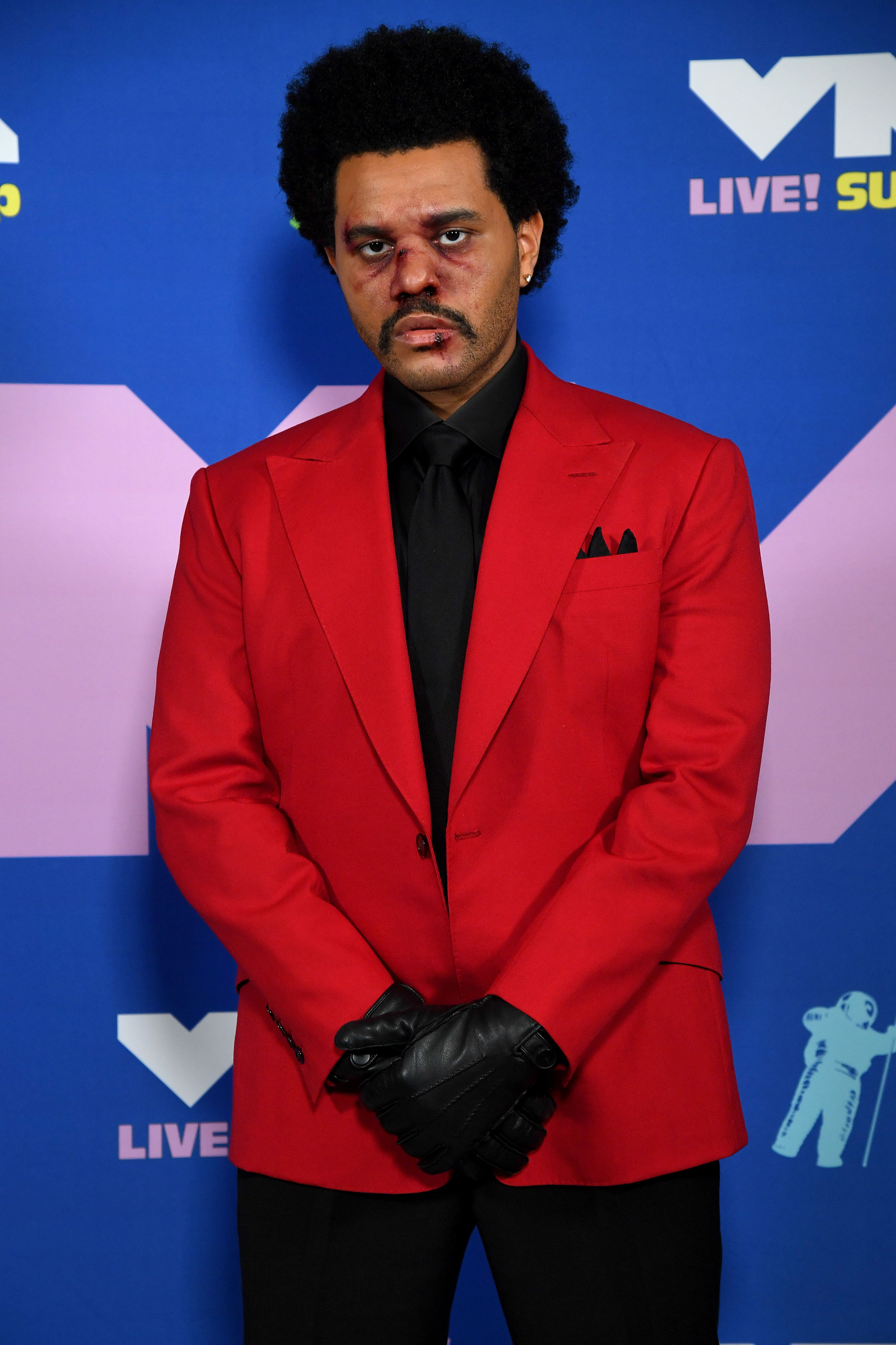
During the initial phase of the “After Hours” campaign, The Weeknd began appearing with a progressively bruised, battered, and bandaged face. This wasn’t the result of an actual accident but a meticulously applied prosthetic makeup. This visual choice was a cornerstone of the album’s narrative, which explored themes of excess, self-destruction, and the superficiality of Hollywood culture. The bandaged face became synonymous with the album, signaling a character caught in a cycle of chaos and consequence. From a branding perspective, it immediately created intrigue, sparked countless media discussions, and ensured that the visual aspects of his campaign were as talked about as the music itself. This served as a powerful form of guerrilla marketing, leveraging visual shock to generate widespread attention and deep fan engagement. It positioned the “After Hours” era as a distinct, conceptual experience, rather than just another album release.
Surgical Aesthetics: Pushing Boundaries and Perception
The narrative culminated with The Weeknd’s appearance in the “Save Your Tears” music video, and subsequently during his Super Bowl LV Halftime Show performance and other public appearances, where his face was transformed to appear as if he had undergone extensive plastic surgery, complete with exaggerated cheekbones, plumped lips, and a dramatically altered nose. This was achieved through elaborate prosthetics by renowned special effects artist Mike Marino. This shocking visual served as the ultimate commentary on the themes of the “After Hours” album: the artificiality of celebrity, the societal pressure for perfection, and the extreme lengths individuals go to in pursuit of a fabricated ideal.
From a branding standpoint, this move was a masterstroke. It solidified The Weeknd’s brand as an artist unafraid to confront uncomfortable truths and push boundaries. It demonstrated his commitment to conceptual artistry, where every element, including his physical appearance, is a tool for storytelling. This bold visual statement generated a tremendous amount of earned media, dominating social media feeds and news cycles, thereby massively extending the reach of his brand message without incurring traditional advertising costs. It cemented his reputation not just as a musician, but as a performance artist who uses his own body as a canvas for social commentary.

Shock Value, Storytelling, and Market Resonance
The deliberate manipulation of The Weeknd’s visual identity highlights a profound understanding of contemporary marketing dynamics, where shock value can be a powerful catalyst for engagement, and consistent storytelling is key to building a resonant brand.
Creating Dialogue and Cultural Moments
The various stages of The Weeknd’s facial transformation during the “After Hours” campaign were expertly designed to create dialogue. Each new look — from the initial bruised face to the final “plastic surgery” prosthetics — served as a chapter in a unfolding visual narrative, prompting widespread discussion, speculation, and analysis across social media, entertainment news, and critical reviews. This sustained conversation generated immense cultural momentum around his brand. It wasn’t just about selling an album; it was about creating a cultural moment, positioning The Weeknd as a thought leader and an innovator in visual storytelling. This strategy leveraged the power of earned media, transforming public curiosity into invaluable brand exposure and cementing his status as a master of modern celebrity branding. By making his face a talking point, he ensured his brand remained at the forefront of the cultural zeitgeist.
Reinforcing Album Narratives and Thematic Depth
Crucially, these visual transformations were never merely for shock value alone; they were intrinsically linked to the thematic depth of his music. The disfigured face embodied the character’s journey through a debauched Los Angeles, riddled with anxiety and superficiality. The “plastic surgery” face served as the ultimate satirical jab at the self-mutilation people undergo to achieve an artificial ideal, reflecting the album’s critique of fame and its dehumanizing effects. This seamless integration of visual branding with lyrical and conceptual content is a hallmark of sophisticated personal branding. It demonstrated The Weeknd’s commitment to creating a fully immersive artistic experience, where the aesthetic choices deepen the audience’s understanding and emotional connection to his brand narrative. This multi-layered approach elevates his work beyond simple entertainment, positioning him as a serious conceptual artist.
The Long-Term Impact on Brand Equity
The strategic decision to dramatically alter his public face has had significant implications for The Weeknd’s long-term brand equity, solidifying his position as a dynamic and boundary-pushing artist.
Authenticity vs. Artifice: A Balancing Act
One of the fascinating aspects of The Weeknd’s facial transformations is the interplay between authenticity and artifice. While the changes were clearly artificial (prosthetics), they were used to comment on the artifice inherent in celebrity culture and the pursuit of unattainable beauty standards. This paradox strengthens his brand by showcasing a level of intellectual depth and critical awareness. For his audience, it creates a unique form of authenticity: an artist willing to use theatricality to convey a genuine message. This balancing act resonates deeply with fans who appreciate artists who are not only talented but also conceptually bold and socially conscious. By navigating this delicate equilibrium, The Weeknd reinforces a brand image that is both entertaining and intellectually stimulating, thereby increasing his brand’s perceived value and relevance.
Defining Legacy Through Bold Artistic Choices
The Weeknd’s willingness to make such bold, even unsettling, artistic choices with his personal image contributes significantly to his long-term legacy. In an era where many artists play it safe, his commitment to a complete artistic vision, even when it involves challenging conventional notions of celebrity beauty, sets him apart. These transformations aren’t just fleeting trends; they are powerful statements that become indelible parts of his artistic catalog. They demonstrate a brand that prioritizes creative integrity and conceptual ambition over commercial conformity. This approach ensures that his brand will be remembered not just for chart-topping hits, but for its pioneering use of visual storytelling and its fearless commentary on contemporary culture, solidifying his place as an innovator and a true artist in the pantheon of music legends.
Measuring Brand Engagement and Fan Perception
The impact of “what happened to The Weeknd’s face” can be tangibly measured in the heightened brand engagement and evolution of fan perception. The sustained mystery and the dramatic reveals ensured continuous conversation, driving traffic to his music videos, social media channels, and ultimately, his music. Fan communities engaged in deep dives, dissecting every visual cue and connecting it to his lyrics and broader themes. This level of active engagement is invaluable for a brand, fostering a loyal and invested fanbase that feels a deeper connection to the artist’s journey. By consistently challenging expectations and providing rich, multi-layered content, The Weeknd has not only amplified his short-term marketing efforts but has also built enduring brand loyalty and enhanced his reputation as a visionary artist who always keeps his audience guessing, and ultimately, deeply engaged.
aViewFromTheCave is a participant in the Amazon Services LLC Associates Program, an affiliate advertising program designed to provide a means for sites to earn advertising fees by advertising and linking to Amazon.com. Amazon, the Amazon logo, AmazonSupply, and the AmazonSupply logo are trademarks of Amazon.com, Inc. or its affiliates. As an Amazon Associate we earn affiliate commissions from qualifying purchases.