
When Jeff Bezos sat in his garage in Bellevue, Washington, in the summer of 1994, he wasn’t just building a website; he was architecting a brand identity that would eventually redefine global commerce. The creation of Amazon is often cited as a masterclass in technological foresight, but its success is equally rooted in strategic branding and a relentless commitment to a singular corporate identity. Understanding when and how Amazon was created requires looking beyond the date of incorporation to the strategic decisions that transformed a niche online bookstore into the “Everything Store.”
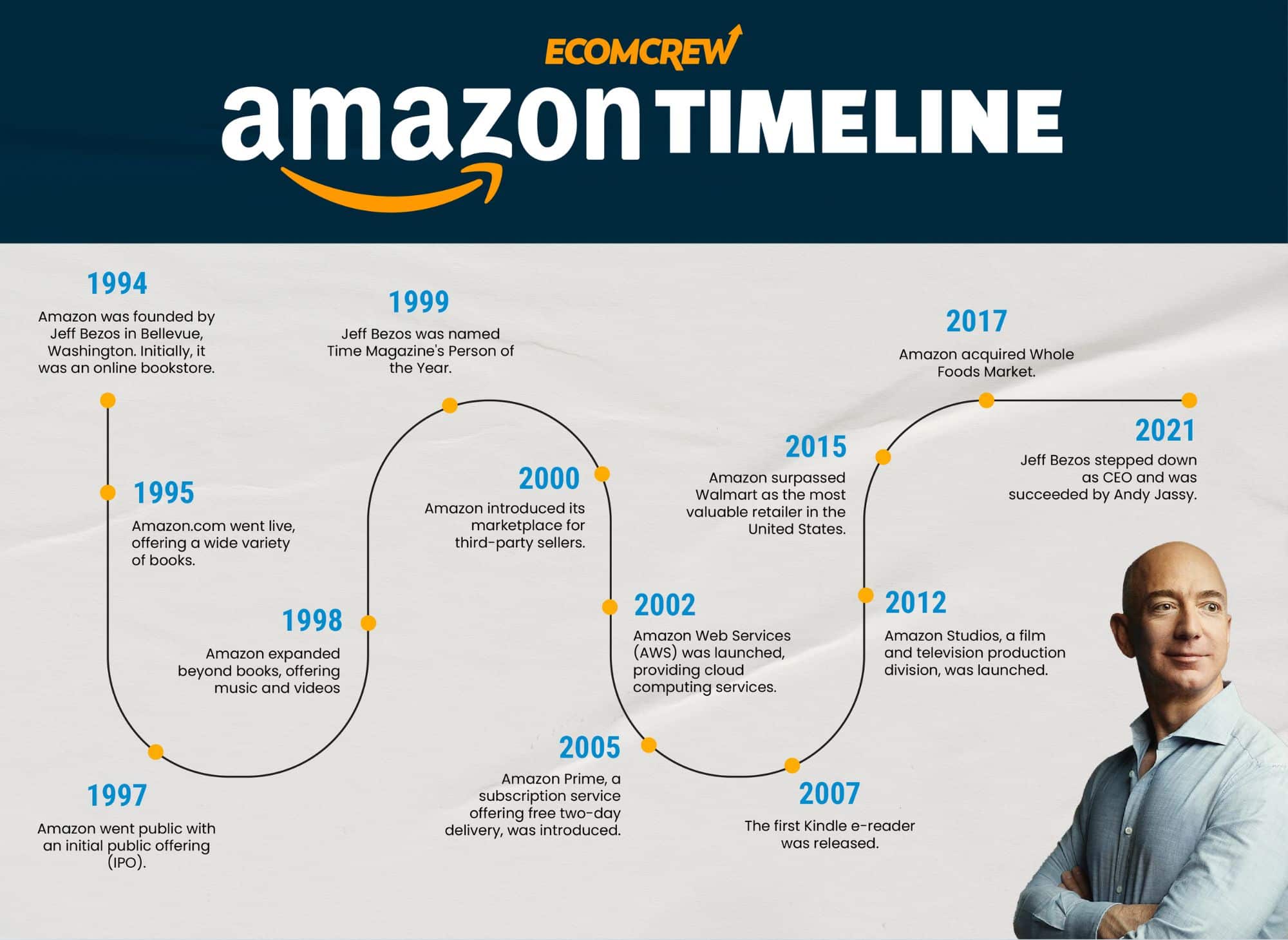
The Genesis of an Identity: Why Amazon Chose its Name
The birth of a brand often begins with its name, and for Amazon, this was a process of trial, error, and linguistic strategy. While the company was officially incorporated in July 1994, it did not always carry the moniker of the world’s largest river.
The “Cadabra” Problem and the Pivot to Amazon
Initially, Bezos named the company “Cadabra,” as in “Abracadabra.” However, the brand identity faced its first crisis before it even launched. Bezos’s lawyer pointed out that “Cadabra” sounded too much like “cadaver” over the phone. In the world of branding, phonetics matter. A brand that evokes thoughts of death is fundamentally at odds with a retail experience.
Bezos began searching through a dictionary for a name that started with the letter “A.” In the early days of the internet, web directories were often alphabetized. Starting with “A” provided an immediate competitive advantage in visibility. He landed on “Amazon.” The name was chosen not just for its alphabetical placement, but for what the river represented: it was “exotic and different,” and most importantly, it was the largest river in the world. This established the brand’s ambitious scale from day one.
The Power of the Letter “A” in Digital Discovery
In the mid-90s, SEO (Search Engine Optimization) didn’t exist in its current form. Brand discoverability relied on placement in lists like Yahoo!’s directory. By choosing a name that began with the first letter of the alphabet, Bezos ensured that Amazon would appear at the top of these lists. This wasn’t just a naming choice; it was a strategic marketing move designed to capture early internet traffic with zero ad spend.
The River Metaphor as a Scaling Strategy
The choice of the Amazon River was a metaphor for the company’s intended volume. Bezos’s vision was never limited to books. By aligning the brand with the world’s most voluminous river, he signaled to investors and early adopters that this was a brand built for scale. The river’s vast network of tributaries mirrored the diverse product categories Bezos intended to eventually conquer.
Defining Customer Obsession: The Core Brand Pillar
While many companies focus on competitor analysis, Amazon’s brand identity was built on a different foundation: customer obsession. This philosophy, established at the moment of the company’s creation, became the brand’s most significant differentiator in a crowded retail landscape.
The Empty Chair Philosophy
In early board meetings and strategy sessions, Bezos famously left an empty chair in the room, informing those present that the chair was occupied by “the most important person in the room”: the customer. This was more than a gimmick; it was a branding directive. It meant that every decision, from the user interface of the website to the logistics of delivery, had to be viewed through the lens of the consumer’s benefit.
Frictionless UX as a Brand Identity
When Amazon was created, online shopping was often a cumbersome process involving multiple steps and slow load times. Amazon’s brand became synonymous with “frictionless” commerce. The introduction of “1-Click” ordering in 1997 was a watershed moment for the brand. It patented a convenience that competitors couldn’t match, reinforcing Amazon’s identity as the most efficient way to shop. In branding terms, Amazon owned the “convenience” space in the consumer’s mind.
Building Trust Through Reliability
In the mid-90s, consumers were skeptical of entering their credit card information online. Amazon’s brand strategy focused heavily on building “institutional trust.” They did this through transparent reviews, clear shipping dates, and responsive customer service. By prioritizing long-term trust over short-term profits, the Amazon brand became a safe harbor in the “Wild West” of the early internet.
Visual Identity and the “A to Z” Smile

A brand’s visual identity must communicate its mission without words. Amazon’s logo has evolved significantly since 1994, but its current iteration, introduced in 2000, is considered one of the most effective logos in corporate history.
Symbolism in the Logo
The Amazon logo features a curved yellow arrow that starts at the letter ‘a’ and ends at the letter ‘z’. This is a subtle but powerful piece of brand communication. It tells the consumer that Amazon carries everything from A to Z. It reinforces the “Everything Store” narrative while maintaining a clean, minimalist aesthetic that works across digital and physical mediums.
The Smile: Emotional Branding
The arrow is also shaped like a smile. This adds an emotional layer to an otherwise transactional brand. It suggests satisfaction, happiness, and a positive customer experience. In a world where digital interactions can feel cold and impersonal, the “smile” humanized the brand. This visual cue is now ubiquitous, appearing on millions of cardboard boxes delivered to doorsteps daily, serving as a constant, physical reminder of the brand’s promise.
Consistency Across Sub-brands
As Amazon expanded into Kindle, Alexa, and Prime, the brand maintained a strict visual hierarchy. Whether it is the sleek black of a Kindle or the blue of a Prime delivery van, the “smile” remains a constant anchor. This consistency ensures that the brand equity built in the retail space transfers seamlessly to new technological ventures.
Brand Extension: From Books to the “Everything Store”
The transition from a specialized bookstore to a general retailer was a risky move for the brand. Many companies fail when they move too far from their “core” identity. However, Amazon’s creation story included a plan for this expansion from the beginning.
Scaling the Narrative
The genius of the Amazon brand was that it wasn’t tied to a product, but to a process. If the brand identity had been “The World’s Best Bookstore,” moving into electronics or toys would have felt like a betrayal of the brand promise. Instead, because the brand was defined by “selection, convenience, and low prices,” it could theoretically sell anything. The brand narrative was about the delivery of value, not the type of product.
Maintaining Brand Integrity During Expansion
As Amazon added categories, it maintained brand integrity by ensuring that the user experience remained identical. The search bar, the reviews, and the checkout process didn’t change just because you were buying a power drill instead of a paperback. This reliability allowed consumers to feel comfortable shopping in new categories because they trusted the Amazon “envelope” surrounding those products.
The Role of Market Positioning
Amazon positioned itself as a “disruptor” by focusing on the long-tail of retail. While physical stores were limited by shelf space, Amazon’s digital “shelf” was infinite. This positioning allowed the brand to capture niche markets while simultaneously competing with mass-market giants like Walmart.
The Modern Amazon Brand: Innovation and Ecosystems
Today, the brand that was created in a garage has become an ecosystem. The modern Amazon brand is no longer just a place to buy things; it is a service provider, a content creator, and an infrastructure giant.
Prime as a Lifestyle Brand
The launch of Amazon Prime in 2005 was perhaps the most significant branding masterstroke in the company’s history. It transformed customers into “members.” Prime created a sense of exclusivity and loyalty, shifting the brand from a transactional retailer to a lifestyle utility. People don’t just shop at Amazon; they “have Prime.” This shift in language indicates a deep psychological integration of the brand into the consumer’s daily life.
The Impact of AWS on Corporate Reputation
While the average consumer interacts with the retail side, Amazon Web Services (AWS) has fundamentally changed the brand’s identity in the B2B space. AWS represents the “Tech” heart of the brand. It communicates power, reliability, and innovation. The fact that much of the internet runs on Amazon’s infrastructure adds a layer of “gravitas” to the brand, positioning it as a foundational pillar of the modern digital age.

Sustaining the Identity in a New Era
As Amazon faces scrutiny regarding its size and market influence, the brand is currently in a phase of reputation management. The core identity of “customer obsession” is being tested by new challenges regarding labor and sustainability. However, the foundational brand strategy—built on the idea of the “largest river” and the “A to Z” promise—remains the blueprint for its continued global influence.
In conclusion, the creation of Amazon was not just a historical event in 1994; it was the launch of a calculated branding journey. By prioritizing a scalable name, a customer-centric philosophy, and a visual identity that promised variety and happiness, Jeff Bezos created a brand that could transcend its original purpose. Today, Amazon stands as a testament to the power of a clear, consistent, and ambitious brand strategy.
aViewFromTheCave is a participant in the Amazon Services LLC Associates Program, an affiliate advertising program designed to provide a means for sites to earn advertising fees by advertising and linking to Amazon.com. Amazon, the Amazon logo, AmazonSupply, and the AmazonSupply logo are trademarks of Amazon.com, Inc. or its affiliates. As an Amazon Associate we earn affiliate commissions from qualifying purchases.