
The television phenomenon Lost captivated audiences worldwide, establishing itself as a benchmark in complex, serialized storytelling. Beyond its intricate mythology, compelling human characters, and groundbreaking narrative structure, the series inadvertently offers a rich case study in brand management, particularly concerning narrative consistency, audience expectation, and the power of even minor elements to shape a brand’s identity. Among its diverse cast, one seemingly ancillary character, Vincent the Labrador retriever, stands out as a fascinating lens through which to examine these principles, embodying the subtle but significant ways a brand cultivates loyalty and manages its narrative arc.
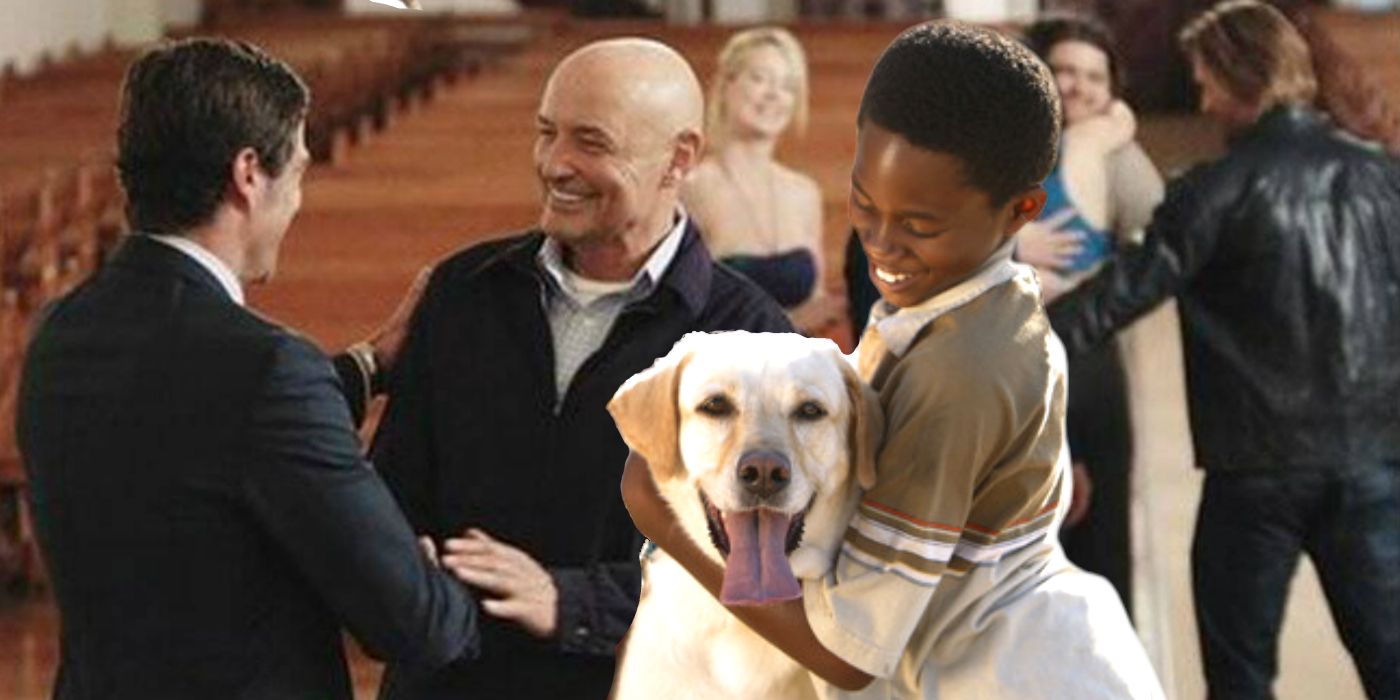
Vincent, the dog, was more than just a background prop; he became a recurring, if understated, symbol throughout the show’s six seasons. His continued presence, from the initial plane crash to the series’ poignant conclusion, highlights how consistency, even in small details, reinforces a brand’s authenticity and deepens its connection with its audience. Brands, much like sprawling narratives, are built on countless touchpoints, and how each is managed contributes to the overall corporate identity and fan perception.
The Enduring Power of Narrative Consistency in Brand Building
In the realm of brand strategy, consistency is paramount. It builds trust, reinforces identity, and ensures that every interaction aligns with the brand’s core promise. For a narrative-driven brand like a television series, this translates into maintaining character arcs, plot coherence, and thematic integrity. Vincent’s journey through Lost serves as a micro-example of this principle. He was introduced early, survived every major catastrophe, and provided moments of grounded normalcy amidst the island’s escalating mysteries. This consistent, albeit often background, presence contributed to the show’s verisimilitude and its ability to maintain a believable world, even when the narrative veered into the fantastical.
Vincent as a Microcosm of “Lost”‘s Narrative Strategy
Vincent was never a central figure, nor did he drive major plot points. Yet, his survival and reappearance across various timelines and locations underscored a quiet commitment to internal consistency within the Lost brand. The creators could have easily written him out after a few episodes, but his enduring presence communicated an unspoken message: every detail, no matter how minor, had a place in the larger tapestry. For a brand aiming for deep immersion and loyalty, this level of attentiveness to detail signals a respect for the audience’s investment. It tells consumers that their engagement is valued, and that the brand’s world is meticulously crafted.
This approach aligns with a strategic branding principle: every element contributes to the overall brand narrative. Vincent’s calm demeanor amidst chaos, his loyalty, and his simple existence served as an emotional anchor for viewers and characters alike. He was a constant, a small, furry lighthouse in a storm of existential dilemmas. This type of subtle, pervasive consistency fosters a sense of reliability and predictability in a brand, even one known for its unpredictability. It’s akin to a luxury brand maintaining consistent quality in every minor component of its product; the aggregate effect builds an impression of unwavering excellence.
Fan Engagement and the Brand Covenant
The relationship between a brand and its audience is often described as a covenant – an unspoken agreement of trust and expectation. Fans invest their time, emotion, and often financial resources into a brand, expecting a consistent experience and a satisfying narrative payoff. The lingering question of “what happened to Vincent” among the fanbase, even years after the show concluded, speaks volumes about the depth of this covenant. Viewers didn’t just care about the main characters; they cared about the integrity of the Lost world, and Vincent was a small but tangible part of that.
This phenomenon highlights a crucial aspect of brand management: audience engagement isn’t just about the spectacle; it’s about the emotional connection forged through shared experiences and resonant details. When a brand demonstrates that it remembers and cares for its smaller elements, it reinforces its commitment to the entire brand universe it has created. For Lost, Vincent’s continued inclusion was a subtle nod to the viewers’ collective experience, validating their attention to detail and reinforcing their emotional investment in the brand. This engagement ultimately translates into enduring brand loyalty and advocacy.
Character Archetypes and Brand Identity: More Than Just a Pet
Every successful brand cultivates a distinct identity, often through the archetypes it embodies or the emotions it evokes. In narrative branding, characters become vessels for these archetypes, helping to define the brand’s personality. Vincent, despite his animal nature, played an archetypal role within the Lost narrative, contributing to the show’s overall brand identity as a story of survival, companionship, and enduring hope. He wasn’t just “the dog”; he represented a primal connection to nature, innocence, and steadfastness.
Emotional Resonance and Brand Loyalty
Brands thrive on emotional connection. Whether it’s the feeling of reliability from an automotive brand or the sense of community from a social media platform, emotion drives loyalty. Vincent’s role in Lost was primarily to evoke this emotional resonance. He was a source of comfort for Walt, an innocent bystander to the island’s machinations, and a symbol of quiet resilience. His presence often coincided with moments of calm or resolution, providing a much-needed emotional counterpoint to the show’s high-stakes drama.
This emotional utility is a powerful branding tool. By providing moments of gentle humanity through Vincent, Lost broadened its emotional palette, making the brand more accessible and relatable to a wider audience. It showcased the brand’s ability to balance intense mystery with poignant, human (and animal) connection. This multi-faceted emotional appeal strengthens brand loyalty, as consumers feel a deeper, more personal connection to a brand that can tap into a range of sentiments.
The Unseen Role in Corporate Storytelling

In corporate storytelling, every element of a brand’s narrative contributes to its overarching message. Vincent’s storyline, while minimal, was meticulously managed by the creators. His fate was not left entirely ambiguous. In the series finale, he is shown calmly lying beside an aging Rose and Bernard, characters who had chosen to live out their days in peace on the island. This deliberate narrative choice for a minor character speaks to the strategic thinking behind a comprehensive brand story. It demonstrates that the brand understood its responsibility to its entire cast, not just its marquee players.
This meticulousness, even for a non-speaking role, reflects a brand’s commitment to completeness. It communicates that the “Lost” brand was thoughtfully constructed from the grandest plot twist to the smallest character arc. For corporate entities, this translates to ensuring every product, service, and communication piece aligns with the brand’s core values and narrative. The “unseen” roles – the customer service, the packaging design, the post-purchase follow-up – are often just as critical to the overall brand experience as the hero product itself. Vincent’s tranquil ending was a quiet affirmation of the Lost brand’s promise of peace and closure, even for its most humble inhabitants.
The Brand’s Responsibility to its Canon: A Case Study in Viewer Expectation
A robust brand narrative creates a canon – a set of established facts, characters, and events that form the brand’s universe. Brands bear a significant responsibility to uphold this canon, as deviations or unexplained gaps can erode trust and disengage audiences. The question of “what happened to Vincent” is a prime example of how even minor canon elements can become points of sustained fan interest and, if mishandled, potential dissatisfaction.
Managing Loose Ends: Impact on Brand Perception
For a brand as intricate as Lost, managing every loose end was an immense challenge. However, the decision to provide a definitive, if brief, resolution for Vincent in the finale was a strategically sound move. It addressed a small but persistent curiosity among the fanbase, demonstrating that the creators were aware of the audience’s investment in all aspects of their narrative. This kind of thoughtful closure, even for a non-essential character, contributes positively to brand perception.
Conversely, leaving too many narrative threads unresolved can lead to audience frustration and a perception of carelessness or incomplete storytelling. In the business world, this translates to product support, post-sales service, or ongoing engagement. A brand that abandons its customers after the initial purchase, or fails to address known issues, risks damaging its reputation. The Lost brand, by providing a fitting end for Vincent, effectively managed a potential loose end, reinforcing its image as a brand that respects its canon and its audience’s intelligence. It showed that even the smallest details were considered part of the overarching brand experience.
Legacy and the Long Tail of Fandom
The legacy of a brand is not just defined by its peak popularity but by its enduring relevance and how well its narrative resonates over time. Vincent’s role in Lost contributed to the show’s “long tail” of fandom – the sustained interest and discussion that continues years after its conclusion. His inclusion in fan theories, retrospectives, and discussions underscores how effectively even minor characters can embed themselves into the collective consciousness of a brand’s audience.
This long-term engagement is invaluable for brand longevity. It means the brand continues to generate organic discussion, maintain cultural relevance, and attract new audiences through its established legacy. Vincent, as a quiet, loyal companion who survived to the very end, became a symbol of the Lost brand’s enduring themes of perseverance and community. His narrative, though small, became an integral thread in the fabric of the brand’s legacy, proving that sometimes, the most unassuming characters can leave the most lasting impressions on an audience and contribute significantly to a brand’s sustained identity.
Strategic Storytelling: Crafting Brand Narratives that Last
The saga of Vincent the dog in Lost offers a compelling, albeit unconventional, lesson in strategic storytelling for brands. It demonstrates that every element, no matter how seemingly insignificant, plays a role in constructing a coherent, engaging, and enduring brand narrative. The careful orchestration of his presence, his symbolic resonance, and his eventual peaceful resolution all contributed to the overall strength and depth of the Lost brand.
Building a Universe: The “Lost” Brand Experience
Lost excelled at building a rich, immersive universe, a key strategy for brands aiming for deep consumer engagement. Vincent was a vital, grounding element within this expansive universe. His consistent presence throughout the island’s many mysteries served to make the fantastical elements more believable by rooting them in a familiar, tangible reality. For any brand, creating a comprehensive “universe” – an ecosystem of products, services, and content – requires careful attention to how each component interacts and contributes to the overall brand experience. Vincent was a small, yet essential, piece of the Lost ecosystem.
This comprehensive approach fosters an environment where consumers feel fully immersed, strengthening their identification with the brand. It’s not just about selling a product; it’s about inviting consumers into a world. The Lost brand achieved this by ensuring even its non-human characters had a purpose, contributing to the show’s intricate world-building and enhancing the viewer’s experience of living within that narrative.
The Dog’s Tale: A Testament to Brand Depth
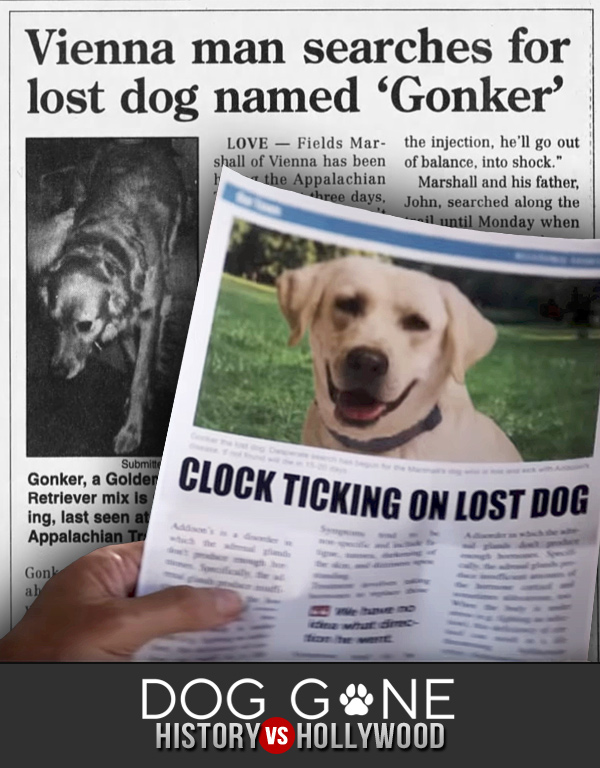
Ultimately, Vincent’s journey through Lost, from the wreckage of Oceanic Flight 815 to a peaceful life with Rose and Bernard, is a testament to the power of brand depth. It illustrates how even seemingly minor narrative elements, when handled with consistency and strategic intent, can contribute significantly to a brand’s identity, foster deep emotional connections, and ensure lasting engagement.
The brand of Lost wasn’t just about the smoke monster, the Others, or the Dharma Initiative; it was also about the quiet endurance of a golden retriever. This understanding of how small details combine to create a powerful, resonant brand experience is a critical takeaway for any organization seeking to build a lasting legacy. It underscores that authenticity, consistency, and a deep appreciation for every facet of a brand’s story are the hallmarks of truly enduring brand success.
aViewFromTheCave is a participant in the Amazon Services LLC Associates Program, an affiliate advertising program designed to provide a means for sites to earn advertising fees by advertising and linking to Amazon.com. Amazon, the Amazon logo, AmazonSupply, and the AmazonSupply logo are trademarks of Amazon.com, Inc. or its affiliates. As an Amazon Associate we earn affiliate commissions from qualifying purchases.