
The Enduring Legacy of an Iconic Brand
The television landscape of the late 1960s was profoundly shaped by shows that offered comfort, humor, and a glimpse into aspirational family dynamics. Among these, Family Affair carved out a unique and enduring niche. Centered around the sophisticated bachelor Uncle Bill Davis, his English butler Mr. French, and the three orphaned children — Cissy, Jody, and Buffy — who come to live with them, the series became a cultural touchstone. Its success was built on a simple yet compelling brand premise: the heartwarming transformation of a confirmed bachelor’s life by the unexpected joys and challenges of parenthood. This narrative resonated deeply with audiences, creating a powerful emotional connection that persisted long after its initial run.
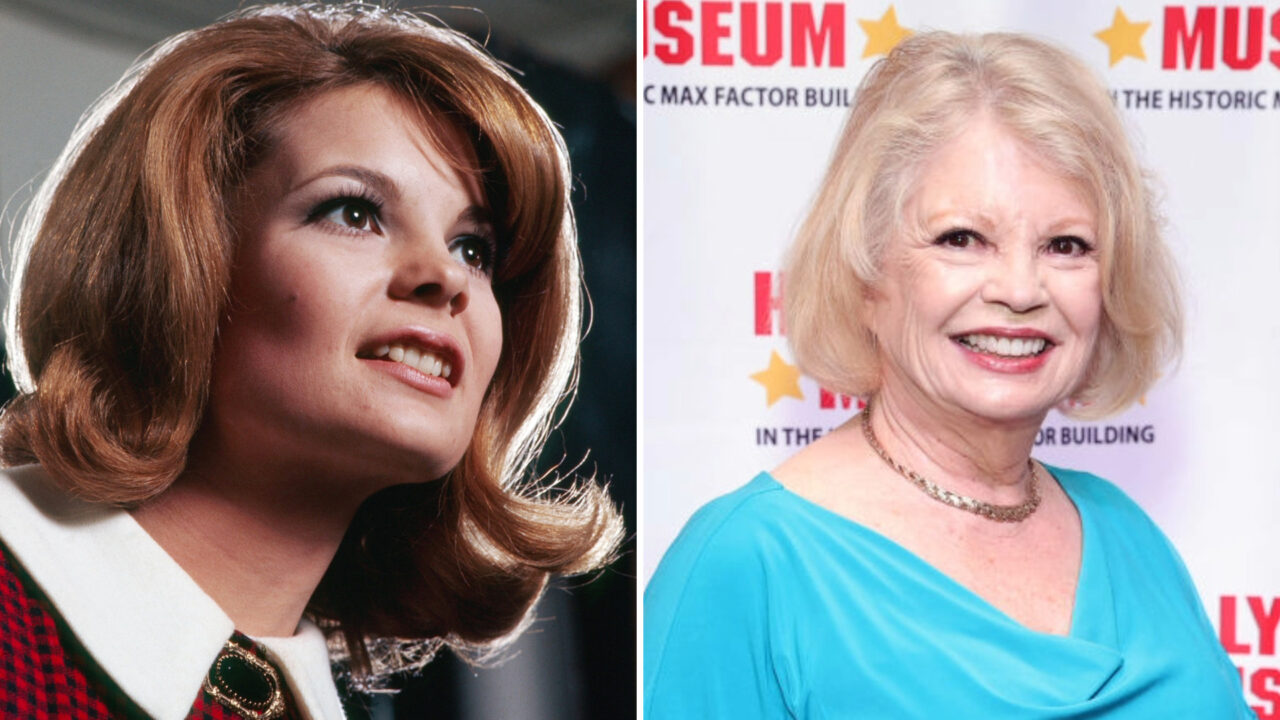
The brand of Family Affair was more than just a TV show; it was an identity. It represented a particular vision of family, responsibility, and charming innocence. For the actors involved, particularly the young cast, this success was a double-edged sword. Their faces, voices, and characters became indelibly linked to the show’s wholesome image, creating a personal brand equity that was both incredibly valuable and incredibly restrictive. The public’s perception of “Buffy,” “Jody,” and “Cissy” often overshadowed the individual identities of the actors who portrayed them, a common dilemma for performers in highly successful, long-running series, especially those who start their careers at a young age.
The Double-Edged Sword of Early Stardom
For many child actors, starring in a popular show like Family Affair immediately establishes a powerful personal brand. This initial brand is often synonymous with the character they play, imbued with the character’s traits, and wrapped in the show’s overall identity. While this provides immediate recognition and a loyal fanbase, it can also create significant challenges for career longevity and personal development. The actors became public figures, their lives scrutinised, and their futures anticipated, all through the lens of their on-screen personas.
The initial brand benefit is undeniable: instant household name status, widespread affection, and lucrative opportunities. However, the subsequent years often reveal the complexities of managing such an early and distinct brand. Audiences struggle to see these actors outside their iconic roles, leading to typecasting and difficulty in securing diverse parts. Furthermore, the pressure to maintain a public persona consistent with their beloved character can be immense, impacting personal growth and the freedom to explore different paths, both professionally and personally. The trajectory of the Family Affair cast offers a poignant case study in the intricate dance between an actor’s personal identity and their commercially potent, yet sometimes constricting, professional brand.
Personal Branding Journeys Post-Series
Following the cancellation of Family Affair in 1971, the cast embarked on diverse journeys, each grappling with the legacy of their iconic roles and attempting to navigate or redefine their personal brands. Their experiences highlight various approaches to managing celebrity and the complexities of transitioning from child star to adult professional.
Leveraging Existing Equity
For some, the established brand equity from Family Affair served as a springboard. Brian Keith, who portrayed Uncle Bill Davis, was already a seasoned actor with a robust career pre-dating the show. His personal brand was one of versatility and amiable gravitas, and Family Affair only solidified this. Post-series, he continued to work consistently in film and television, leveraging his recognition into various roles that suited his established persona, including other family-friendly fare and dramatic parts. His ability to move between genres demonstrated a strong, adaptable personal brand that transcended a single role. Similarly, Sebastian Cabot, beloved as Mr. French, had a distinguished career in theater, film, and voice work. His distinctive voice and dignified, yet warm, personal brand ensured continued work, especially in voiceovers, where his iconic cadence was instantly recognizable and highly sought after. These actors successfully integrated their Family Affair fame into broader, pre-existing personal brands.
The Challenge of Rebranding and Typecasting
The child actors faced a more formidable challenge in evolving their personal brands. Kathy Garver, who played Cissy, pursued further acting roles and also branched into voice acting, production, and public speaking. Her personal brand became one of resilience and reinvention, actively seeking to leverage her Family Affair fame for new ventures while subtly shifting away from solely being “Cissy.” She engaged in reunion events and maintained a connection with the show’s fanbase, understanding the value of her original brand, but also consciously built a portfolio that showcased her diverse talents.
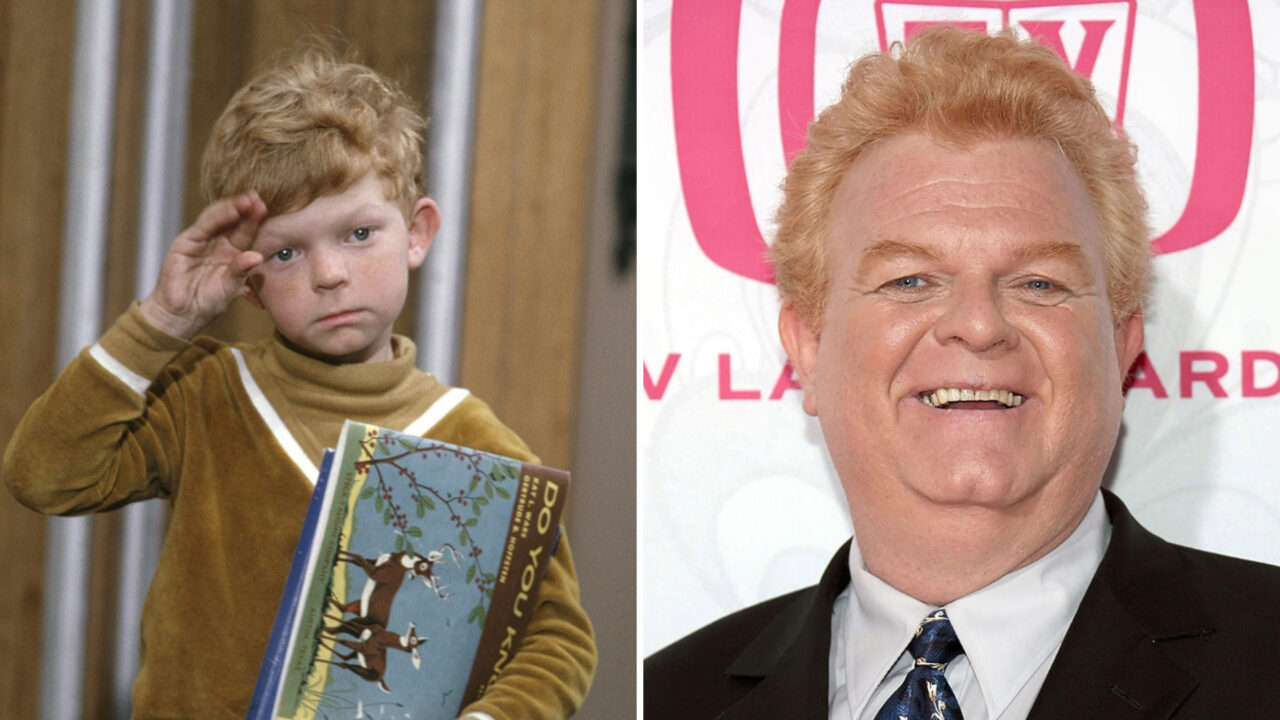
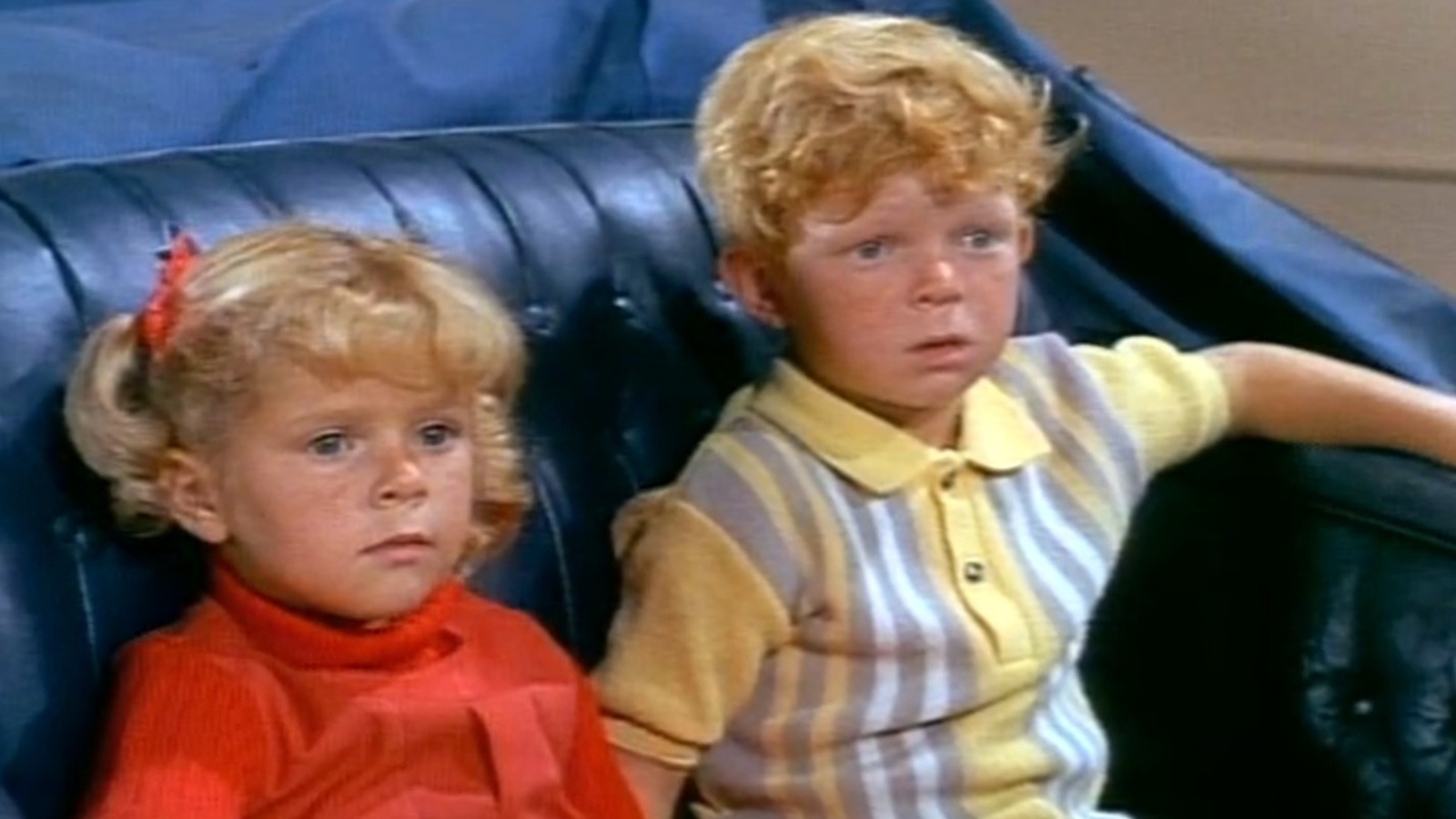
However, the shadow of typecasting loomed large. For Anissa Jones, who played Buffy, and Johnny Whitaker, who played Jody, the public’s identification with their characters was intense. Jones tragically passed away just a few years after the show concluded, at 18. Her brief adult life offered little opportunity to redefine her brand beyond the innocent, pig-tailed Buffy. Her short career is a stark reminder of the intense pressure and scrutiny child stars face.
Johnny Whitaker’s journey reflects the profound struggle to rebrand. After Family Affair, he continued acting for a time, including a memorable role in Tom Sawyer, but found it difficult to shed the “Jody” image. His adult roles often struggled to connect with audiences who still saw the child star. This led to significant personal challenges, including struggles with addiction. His subsequent public engagements, including advocacy work for child actors and open discussions about his past, represent a later attempt to redefine his personal brand – shifting from child star to a more nuanced identity as a survivor and advocate, demonstrating a willingness to be vulnerable and authentic, which is a powerful element of contemporary personal branding.
From Public Eye to Private Pursuits
For some, the intense scrutiny and specific brand identity forged by Family Affair led to a deliberate choice to step away from the public eye. While the primary cast members remained somewhat connected to the public domain, many who have experienced similar trajectories find that managing a public brand, especially one established in childhood, is not a lifelong ambition. The decision to retreat can be a form of brand management in itself, protecting one’s personal identity from the continuous demands of a public persona, allowing for the development of a more private and authentic self, unburdened by past expectations.
Lessons in Brand Management from a Classic Cast
The experiences of the Family Affair cast offer several invaluable insights into personal branding, particularly for those whose public identities are shaped at a young age or by a single, iconic role.
Firstly, the strength of an initial brand can be both a blessing and a curse. While it provides immediate recognition and a foundation of public affection, it can also create a rigid framework that is difficult to transcend. Effective brand management in such cases requires a strategic approach to either integrate the past identity into a new, broader narrative or to consciously diverge from it over time.
Secondly, diversification is key. Actors like Brian Keith and Sebastian Cabot had already established multi-faceted careers, making their Family Affair roles an enhancement rather than a sole definition of their personal brands. For younger actors, actively pursuing different types of roles, developing skills outside of acting, or even exploring entirely different professions can be crucial in preventing typecasting and fostering a more dynamic personal brand. Kathy Garver’s embrace of voice acting, production, and public speaking exemplifies this strategic diversification.
Thirdly, authenticity and vulnerability, while risky, can be powerful tools in rebranding. Johnny Whitaker’s journey of openly discussing his struggles and advocating for others demonstrates how a personal brand can evolve from a constrained public image to one of depth, resilience, and purpose. This shift from idealized character to relatable human being can foster a deeper, more mature connection with an audience.
Finally, understanding the longevity and impact of one’s initial public persona is paramount. The enduring affection for Family Affair means that its cast members’ brands will always carry a touch of that original magic. Savvy brand management acknowledges this legacy, either by celebrating it, subtly transforming it, or strategically leveraging it for new endeavors, all while striving to define a self that extends beyond the frame of the iconic television screen. The narrative of “what happened to the cast” is, ultimately, a series of individual brand stories, each a unique testament to the challenges and opportunities of public identity.
aViewFromTheCave is a participant in the Amazon Services LLC Associates Program, an affiliate advertising program designed to provide a means for sites to earn advertising fees by advertising and linking to Amazon.com. Amazon, the Amazon logo, AmazonSupply, and the AmazonSupply logo are trademarks of Amazon.com, Inc. or its affiliates. As an Amazon Associate we earn affiliate commissions from qualifying purchases.