
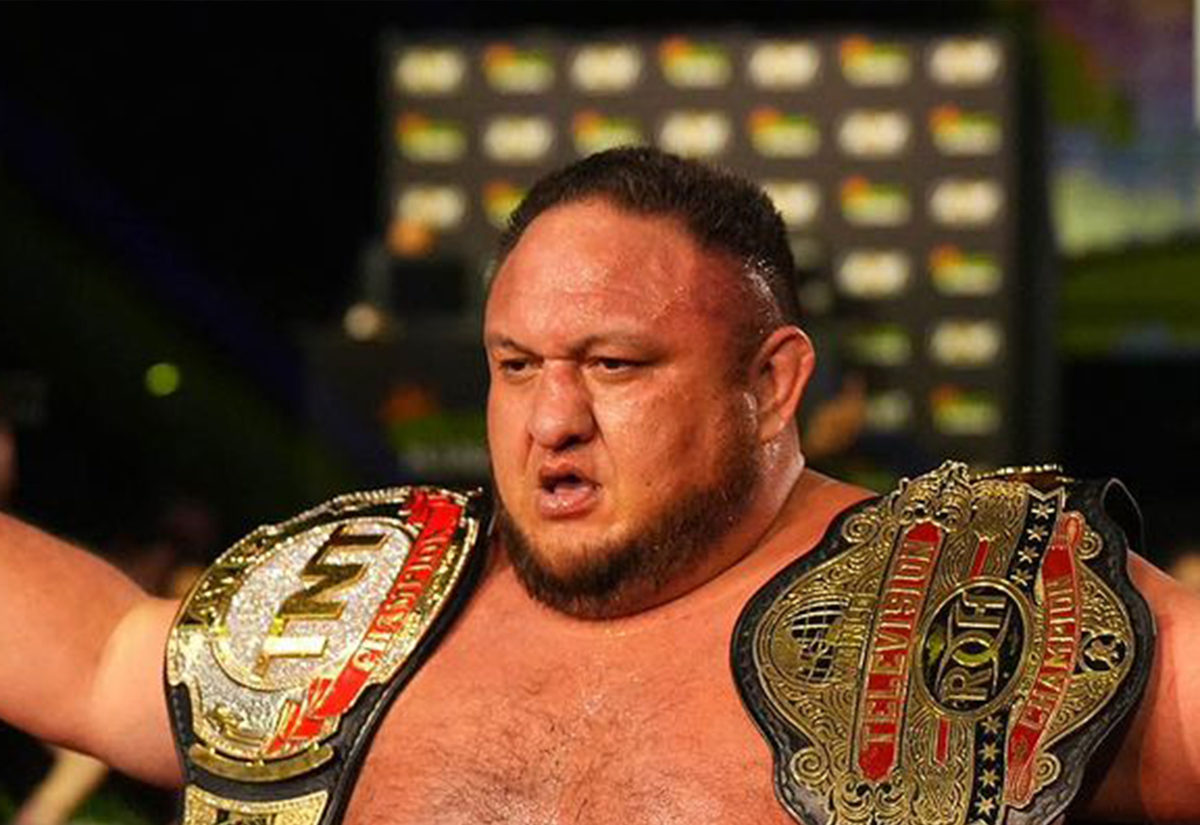
The world of professional wrestling, much like any high-stakes entertainment industry, is a dynamic ecosystem where personal brands are forged, tested, and sometimes redefined with astonishing speed. Few individuals encapsulate this journey of adaptation and enduring relevance quite like Samoa Joe. The question, “what happened to Samoa Joe?” isn’t merely about his current whereabouts but serves as a fascinating prompt to dissect the strategic evolution of a personal brand in a demanding public sphere. His trajectory offers invaluable insights into identity formation, market positioning, and the art of professional reinvention.
The Genesis of a Samoan Submission Machine: Crafting a Unique Brand Identity
Joe Seanoa, known professionally as Samoa Joe, didn’t enter the wrestling scene as a generic talent. From his early days in independent promotions like Ring of Honor (ROH) and Total Nonstop Action Wrestling (TNA, now Impact Wrestling), he meticulously crafted a distinct personal brand: the “Samoan Submission Machine.” This identity was built upon several core pillars that differentiated him in a crowded marketplace.
Distinctive In-Ring Persona
Joe’s wrestling style was a departure from the high-flying acrobatics or muscle-bound powerhouses prevalent at the time. He blended martial arts precision, submission mastery, and a bruising, hard-hitting offense that was both believable and captivating. This wasn’t just a style; it was a brand promise. Audiences knew what they were getting with Samoa Joe: intense, physical confrontations ending with devastating submissions like the Coquina Clutch. This consistent delivery cemented his reputation as a legitimate, formidable competitor, fostering trust and anticipation among fans.
Authentic Presentation and Storytelling
Beyond his in-ring technique, Joe’s brand was underpinned by an aura of stoic intensity and quiet menace. He wasn’t a verbose showman; his promos were impactful, often delivered with a menacing calm that underscored his sincerity and purpose. This authentic presentation resonated strongly. His character felt grounded, making his threats and motivations more credible. In an industry often criticized for its theatricality, Joe’s brand leaned into a more realistic, gritty storytelling approach, which appealed to a discerning segment of the fanbase looking for more substance.
Market Differentiation and Niche Dominance
In the early 2000s, while WWE dominated the mainstream with its larger-than-life characters, Joe carved out a dominant niche in the burgeoning independent and secondary markets. He became synonymous with the “Ring of Honor style”—a more athletic, technically sound, and less overtly theatrical form of wrestling. By excelling within this specific sub-genre, he established himself as a big fish in a critical pond, building a loyal following that would follow him to larger stages. This strategic focus on a distinct market segment allowed his brand to mature and strengthen without being diluted by direct competition with established mainstream entities.
Navigating Industry Shifts: Brand Adaptation and Strategic Transitions
The entertainment landscape is ever-changing, and for a personal brand to thrive, adaptability is paramount. Samoa Joe’s career is a masterclass in navigating these shifts, making strategic moves that not only sustained his brand but often elevated it.
The TNA Era: Expanding Reach and Brand Mainstream Appeal
His move to TNA Wrestling in 2005 marked a significant pivot. TNA, while smaller than WWE, offered a national television platform, allowing Joe’s brand to reach a much wider audience. Here, he continued to refine his persona, engaging in high-profile feuds that further solidified his reputation. His undefeated streak and memorable matches against opponents like Kurt Angle and AJ Styles weren’t just great wrestling; they were strategic brand endorsements, demonstrating his ability to perform at the highest level against industry veterans. This period was crucial for translating his indie credibility into mainstream recognition, proving his brand had universal appeal.
The WWE Chapter: Reaching Global Audiences and Overcoming Hurdles
Joining WWE in 2015, first with NXT and then the main roster, represented the ultimate test of his brand’s resilience and adaptability. The WWE machine is a different beast, with its own specific brand guidelines and creative direction. Joe had to integrate his established identity within this larger framework. While his in-ring prowess remained undeniable, the challenge was to maintain his unique appeal without being homogenized. He achieved this through strong character work, maintaining his intense promo style, and leveraging his reputation for legitimate combat. Despite injuries and periods of reduced visibility, his brand equity, built over years, ensured he remained a recognizable and respected figure. His tenure in WWE demonstrated the importance of having a robust core brand identity that can weather different organizational cultures and creative directives.
The Impact of Injuries and Brand Re-evaluation
Like many athletes, Joe faced significant challenges due to injuries. These setbacks often force a personal brand to re-evaluate its core offerings. For Joe, recurring concussions signaled a potential need to pivot away from the high-impact style that was a hallmark of his brand. Instead of fading away, this challenge became an impetus for strategic reinvention, showcasing that a brand’s value isn’t solely tied to a single attribute. It highlighted the importance of having transferable skills and a multifaceted brand identity.
The Art of Reinvention: From Wrestler to Commentator and Beyond

Perhaps the most compelling aspect of Samoa Joe’s recent journey is his successful pivot into new roles, demonstrating a deep understanding of brand diversification and leveraging existing equity.
Transitioning to a Broadcasting Personality
When his in-ring career became intermittently sidelined, Joe transitioned seamlessly into a role as a color commentator. This wasn’t a mere temporary stopgap; it was a deliberate and highly successful brand extension. His deep understanding of wrestling, combined with his articulate delivery and dry wit, made him a natural fit for the broadcast booth. This move showcased a different facet of his personal brand: his intellect, insight, and ability to communicate effectively. Fans who respected him as a performer now admired his analytical skills and engaging commentary. This expansion of his brand portfolio allowed him to remain highly visible and relevant, even when not physically competing.
Strategic Brand Alignment and Value Proposition
Joe’s commentary role was not just about talking; it was about strategically aligning his established credibility with a new value proposition. As a commentator, he brought the perspective of a legitimate tough guy who understood the psychology of wrestling better than most. This unique viewpoint offered authenticity and depth to broadcasts, enriching the viewer experience. It illustrated how a strong personal brand, built on trust and expertise, can create value in diverse roles within the same industry. He wasn’t just “Samoa Joe, the wrestler, doing commentary”; he was “Samoa Joe, the insightful analyst with a wrestler’s perspective.”
Exploring Other Avenues: Voice Acting and Creative Contributions
Beyond commentary, Joe has explored voice acting and other creative contributions, further diversifying his brand. These ventures demonstrate a proactive approach to career longevity, refusing to be confined to a single role. By lending his distinctive voice and persona to video games or animated projects, he taps into new audiences and revenue streams, proving that a well-defined personal brand can transcend its original medium. This multi-platform presence strengthens his overall brand equity and insulates him from the inherent volatility of any single career path.
Brand Longevity and Market Value in the Entertainment Sphere
Samoa Joe’s journey offers potent lessons on how to build and maintain market value in an industry notorious for its fleeting attention spans. His sustained relevance isn’t accidental; it’s the result of consistent brand management and strategic foresight.
The Power of Consistent Quality
From his earliest matches to his most recent commentary stints, a hallmark of Samoa Joe’s brand has been consistent quality. Whether it’s a brutal match, a compelling promo, or insightful commentary, he has consistently delivered a high standard of performance. This consistency builds deep brand trust and loyalty among his audience, making them more receptive to his brand’s evolution. In a world saturated with content, reliable quality is a powerful differentiator.
Strategic Storytelling and Narrative Control
Joe, often in collaboration with creative teams, has always been adept at strategic storytelling around his brand. His narrative has evolved from the unstoppable machine to the seasoned veteran, the wise analyst, and the formidable champion. These narrative arcs, often punctuated by moments of triumph and adversity, keep his brand dynamic and engaging. Even his returns from injury have been framed as part of a larger, compelling narrative, demonstrating resilience and determination—brand attributes that resonate widely.
Building and Leveraging Network Capital
Throughout his career, Joe has built strong relationships within the industry. His reputation for professionalism, talent, and reliability has earned him respect from peers, promoters, and fans alike. This network capital—the trust and goodwill he’s accumulated—has undoubtedly played a role in his ability to transition into new roles and find opportunities even when physical performance was limited. A strong professional network is an invaluable asset for brand longevity.

Lessons from Joe’s Journey: Building a Resilient Personal Brand
Samoa Joe’s career arc provides a compelling blueprint for anyone looking to cultivate and sustain a powerful personal brand in any field:
- Define Your Core Identity: Understand what makes you unique and consistently deliver on that promise.
- Embrace Adaptability: Be willing to pivot, learn new skills, and transition into new roles when market conditions or personal circumstances demand it.
- Diversify Your Value Proposition: Don’t tie your brand solely to one skill or role. Identify transferable skills and explore how they can create value in new avenues.
- Maintain Consistent Quality: Reliability and high standards build trust and long-term loyalty.
- Strategic Storytelling: Craft a compelling narrative around your journey that resonates with your audience and keeps them engaged.
Ultimately, “what happened to Samoa Joe” is the story of a brilliantly managed personal brand that understood its intrinsic value, adapted to the vagaries of a demanding industry, and continually reinvented itself to maintain relevance and impact. He didn’t just survive; he thrived, becoming a versatile, respected figure whose influence extends far beyond the wrestling ring.
aViewFromTheCave is a participant in the Amazon Services LLC Associates Program, an affiliate advertising program designed to provide a means for sites to earn advertising fees by advertising and linking to Amazon.com. Amazon, the Amazon logo, AmazonSupply, and the AmazonSupply logo are trademarks of Amazon.com, Inc. or its affiliates. As an Amazon Associate we earn affiliate commissions from qualifying purchases.