
The Rise of a Remote Brand: Port Protection’s Television Debut
The remote Alaskan community of Port Protection, nestled amidst the rugged wilderness of Prince of Wales Island, transitioned from an obscure, self-sufficient outpost to a recognizable name through its starring role in a National Geographic Channel reality series. The show, aptly titled Port Protection Alaska, became a powerful force in crafting and disseminating a distinct brand identity for this isolated locale and its hardy inhabitants. Before the cameras arrived, Port Protection existed as a testament to an ancestral way of life, a place where subsistence living and tight-knit community bonds were the bedrock of existence. The advent of television production transformed this reality into a media product, carefully curated to appeal to a global audience yearning for stories of resilience and authenticity.

Crafting an Authentic Narrative for Mass Appeal
The brand strategy behind Port Protection Alaska hinged on presenting an authentic, unvarnished portrayal of frontier life. Producers understood the intrinsic appeal of individuals living off-grid, facing the raw elements, and relying on traditional skills. The narrative was built around key brand pillars: self-reliance, community, wilderness, and the perpetual challenge of survival. Each character, from Gary Muehlberger to Curly Leach and Dave Squibb, became an extension of this brand, embodying specific facets of the Port Protection ethos. Their personal stories, struggles, and triumphs were carefully woven into a larger brand narrative that resonated deeply with viewers. This was not merely documentation; it was the strategic packaging of a lifestyle into a compelling, repeatable brand story designed to capture and retain audience attention. The visual marketing, heavy with stunning Alaskan landscapes and intimate shots of daily life, further reinforced this brand identity, promising viewers an escape into a world starkly different from their own.
The Identity Forged by Media Exposure
The continuous broadcast of Port Protection Alaska over multiple seasons solidified a public identity for the community that transcended its geographical isolation. For millions, Port Protection ceased to be just a dot on a map and became synonymous with a specific brand of rugged individualism and communal resilience. This media-forged identity, while powerful, was a carefully constructed version of reality. The brand presented by the show emphasized specific traits and narratives, amplifying certain aspects of the community’s life while downplaying others. This is the nature of place branding through media: it selects, focuses, and dramatizes to create a coherent and marketable image. The challenges of weather, hunting, and fishing became central motifs, creating a narrative arc that positioned the residents as heroes of the wild. This branding effort, successful in its reach and recognition, indelibly shaped how Port Protection was perceived by the outside world, creating a brand persona that viewers came to know and trust.
Brand Evolution and Audience Perception: Beyond the Camera Lens
Like any successful brand, Port Protection Alaska experienced an evolution, both in its narrative content and in its impact on audience perception. As seasons progressed, viewers became more intimately familiar with the core cast, turning individuals into celebrated figures. This created a dual-edged sword: increased brand recognition for the community but also a heightened scrutiny of its authenticity and sustainability. The initial allure of the unknown gave way to a deeper understanding of the specific challenges faced by the residents, and how the production itself influenced their lives.
Navigating the Challenges of Reality TV Stardom
For the individuals featured, becoming a public face for the “Port Protection” brand meant navigating the complexities of personal branding under the constant gaze of a television audience. Their everyday lives, once private, became subject to public commentary and interpretation. This shift demanded an adaptability from the cast, consciously or unconsciously, to maintain the brand image that viewers had come to expect. Any deviation from the established brand narrative—whether in personal circumstances or in the portrayal of community dynamics—could lead to audience disengagement or questions about authenticity. Producers, too, faced the challenge of keeping the brand fresh while adhering to its core values. They needed to introduce new story arcs and characters while retaining the familiar elements that defined the “Port Protection” brand, ensuring its continued relevance in a competitive media landscape. The series had to evolve to showcase not just survival, but the evolution of relationships, the passing of traditions, and the enduring spirit of the place.
The Brand’s Life After Broadcast
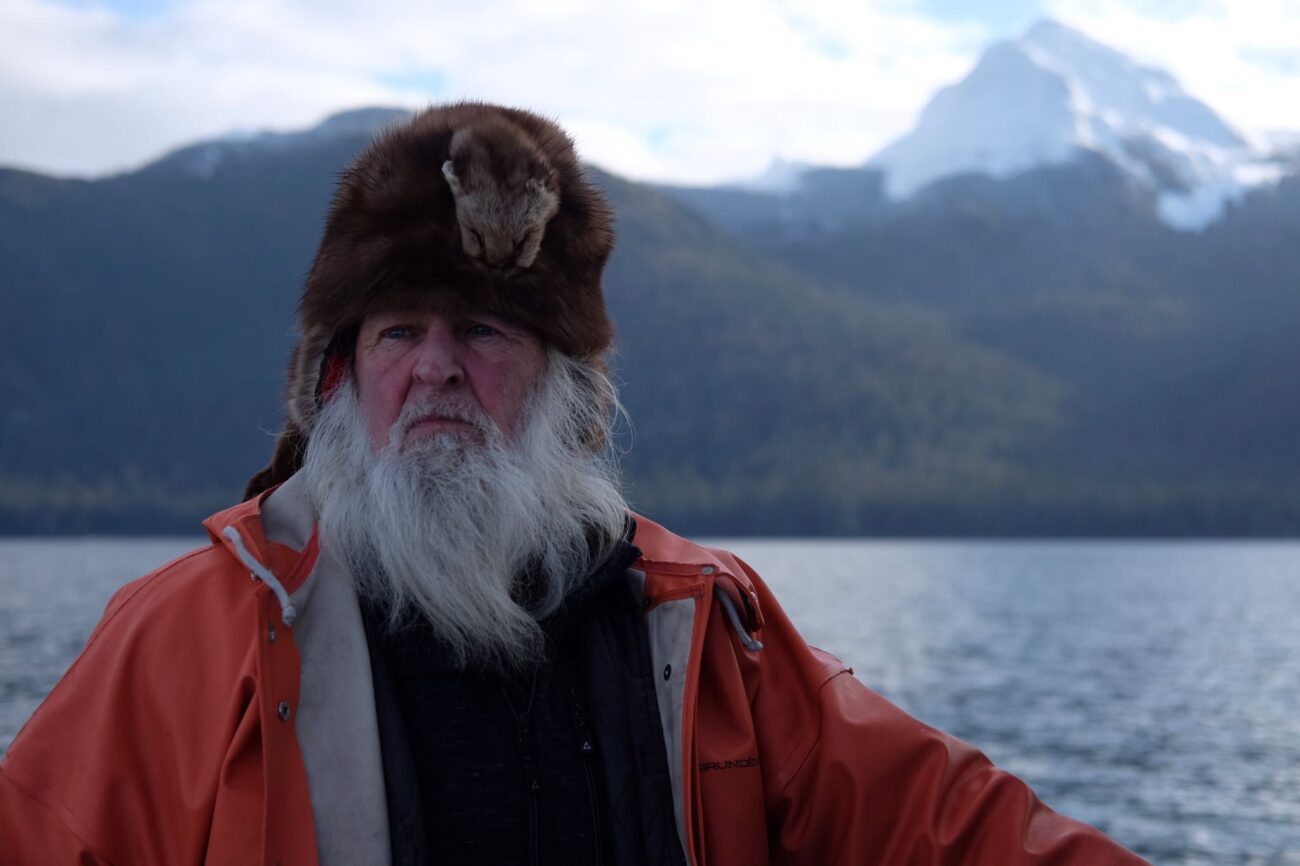
When the National Geographic Channel concluded Port Protection Alaska after its seventh season in 2023, the immediate television presence of the “Port Protection” brand shifted. For many reality TV brands, the cessation of broadcast can lead to a rapid decline in public visibility. However, the legacy of a well-established brand can endure. The show built significant brand equity through its consistent portrayal of compelling stories and memorable characters. This equity continues to resonate through reruns, streaming platforms, and social media discussions. Fans who invested years following the lives of its residents still seek updates, indicating a strong, residual brand attachment. This post-broadcast phase highlights the power of a strong brand identity: even without active new content, the core brand assets—the stories, the characters, and the ethos—continue to hold value and engage a dedicated audience, demonstrating the long tail of media branding.
Sustaining a Niche Identity: Port Protection’s Enduring Appeal
Despite the conclusion of its television run, the brand of Port Protection, Alaska, continues to hold a niche, yet powerful, appeal. This enduring interest is a testament to the effectiveness of the initial brand building and the deep resonance of its core messages. The challenge now lies in how this unique identity is sustained, both by the actual community and by the broader public memory, without the constant reinforcement of new television episodes.
Community Identity vs. Media-Constructed Image
A crucial aspect of place branding is the interplay between the external, media-constructed image and the internal, authentic identity of the community itself. For the residents of Port Protection, their identity predates and ultimately transcends their television persona. The show created a brand that amplified certain aspects of their lives for public consumption, but the community’s true identity—its values, traditions, and daily realities—remains distinct. The “what happened to Port Protection Alaska” question, therefore, asks not only about the fate of the TV show brand but also about how the actual place and its people continue to navigate the aftermath of such intense media exposure. The community’s strength lies in its ability to maintain its core identity, embracing the visibility the show brought while remaining true to its roots. This ongoing balance is key to preserving the authenticity that was the very foundation of its brand appeal.
Leveraging Residual Brand Equity
The show Port Protection Alaska created significant brand equity: a recognition, goodwill, and perceived value associated with the name and imagery of Port Protection. Even after the show’s run, this equity can be leveraged. For instance, the enduring fascination with off-grid living and unique Alaskan lifestyles means that the “Port Protection” brand can continue to exist in various forms. This might include continued interest in the featured individuals, or even a broader appeal for wilderness tourism and authentic Alaskan experiences, indirectly benefitting other related brands. The residual equity lies in the collective memory of its audience, who associate Port Protection with qualities of perseverance, rugged beauty, and an aspirational return to simpler living. Understanding how to tap into this existing goodwill, through digital channels, fan communities, or even spin-off content, is essential for keeping the brand alive and relevant in the absence of new episodes.
Lessons in Place Branding: A Case Study from the Alaskan Frontier
The story of Port Protection, Alaska, through the lens of its television portrayal, offers valuable insights into the dynamics of place branding and the profound impact of media on local identities. It serves as a compelling case study on how a remote location can be transformed into a recognized brand, and the subsequent challenges and opportunities that arise.
The Double-Edged Sword of Visibility
The primary lesson from Port Protection’s journey is the double-edged nature of intense media visibility. While the show undoubtedly put Port Protection on the map, fostering global recognition and interest, it also brought with it the inherent challenges of being a public entity. Communities thrust into the spotlight must contend with external perceptions that may not always align with their internal realities. Managing this gap, and ensuring that the media brand remains respectful and representative of the actual place, is a delicate balance. The pressure to maintain the narrative, to perform for the cameras, and to contend with public opinion becomes a part of daily life. For Port Protection, the positive aspect was the celebration of a unique way of life; the challenge was to prevent the media brand from overshadowing the genuine, evolving identity of the community itself.

Authenticity as a Core Brand Value
Ultimately, the enduring success and appeal of the Port Protection Alaska brand can be attributed to its commitment to authenticity. In an era saturated with manufactured realities, the show’s ability to present genuine characters facing real challenges struck a powerful chord. Authenticity became the core brand value, differentiating it from more contrived reality programming. For any brand, be it a product, a person, or a place, establishing and maintaining authenticity is paramount for long-term engagement and trust. The “what happened to Port Protection Alaska” question is, in essence, an inquiry into the lasting power of this authentic brand, and how its legacy continues to shape perceptions of a community that defined itself by its unyielding spirit and deep connection to the Alaskan wilderness, long before the cameras ever arrived.
aViewFromTheCave is a participant in the Amazon Services LLC Associates Program, an affiliate advertising program designed to provide a means for sites to earn advertising fees by advertising and linking to Amazon.com. Amazon, the Amazon logo, AmazonSupply, and the AmazonSupply logo are trademarks of Amazon.com, Inc. or its affiliates. As an Amazon Associate we earn affiliate commissions from qualifying purchases.