
The Foundational Narrative: Shaping a Hero’s Brand Identity
The fate of Katniss Everdeen’s father, though largely a background element in “The Hunger Games” narrative, serves as an extraordinarily potent, albeit subtle, force in shaping her personal brand and, by extension, the overarching brand identity of the entire franchise. In the strategic construction of a compelling brand, whether for an individual, a product, or an entertainment property, foundational myths and defining events are critical. For Katniss, the premature loss of her father is not merely a plot point; it is a cornerstone of her brand persona, establishing core attributes that resonate deeply with audiences and drive her actions throughout the saga.

The Silent Architect of Katniss’s Persona
Katniss’s father, a skilled hunter and musician, imbued her with essential survival skills and a profound connection to nature. His death, an accident in the coal mines of District 12, forced Katniss into the role of provider for her family at a remarkably young age. This early trauma and subsequent responsibility forged her defining characteristics: fierce independence, self-reliance, protectiveness, and an unwavering commitment to her loved ones. These are not just character traits; they are the pillars of her brand identity. For the audience, Katniss’s initial brand is not one of a revolutionary leader, but of a resourceful survivor driven by familial duty. This relatable and authentic starting point is crucial for building a strong personal brand, allowing for genuine audience connection before any grander narrative arcs unfold. His absence necessitates her strength, her defiance, and her eventual leadership, positioning her as a reluctant hero whose brand is built on necessity rather than ambition.
Values Forged in Absence and Legacy
The values Katniss embodies—courage, sacrifice, ingenuity, and a deep sense of justice—are inextricably linked to her father’s legacy and his premature death. His teachings on hunting and gathering are not just practical skills; they represent self-sufficiency and a form of rebellion against the Capitol’s control over resources. His love for music, specifically the “Hanging Tree” song, becomes a powerful symbol of defiance and hope, effectively an anthem for the rebellion. From a brand perspective, these elements infuse Katniss’s character with rich, symbolic meaning. Her personal brand, therefore, becomes synonymous with resilience and the quiet dignity of standing against oppression, even before she consciously chooses to do so. The brand of “The Hunger Games” itself is thus rooted in these themes of survival and rebellion, with Katniss’s personal story acting as the central conduit for these messages. The narrative strategically uses the emotional void left by his death to fuel her drive, making her a more complex and relatable figure—a crucial factor in cultivating a loyal and engaged audience for any brand.
Emotional Resonance: The Heartbeat of a Franchise Brand
The strategic deployment of emotional triggers is paramount in building a powerful and enduring franchise brand. The narrative surrounding Katniss’s father, particularly the tragic circumstances of his death and his lasting influence, serves as a masterclass in establishing profound emotional resonance, which is vital for audience engagement and brand longevity. This backstory is not just informative; it is evocative, drawing viewers and readers into the emotional core of the series.
Catalyzing Audience Connection and Empathy
The emotional weight of Katniss’s father’s fate profoundly impacts audience connection. The narrative portrays Katniss as someone who has experienced deep personal loss and significant hardship from a young age. This shared human experience of grief, responsibility, and the struggle to protect loved ones is universally relatable. By establishing this profound emotional baseline, the “Hunger Games” brand immediately fosters empathy and an emotional investment in Katniss’s journey. Audiences don’t just observe her; they feel with her. This deep emotional bond is a key driver of brand loyalty. When a brand can tap into fundamental human emotions, it transcends mere entertainment or utility to become something more significant and personal in the lives of its audience. The memory of her father is often a silent motivator for Katniss, and this silent motivation resonates loudly with an audience who understands the power of personal loss and the desire to prevent future suffering.
Deepening the Brand’s Thematic Richness
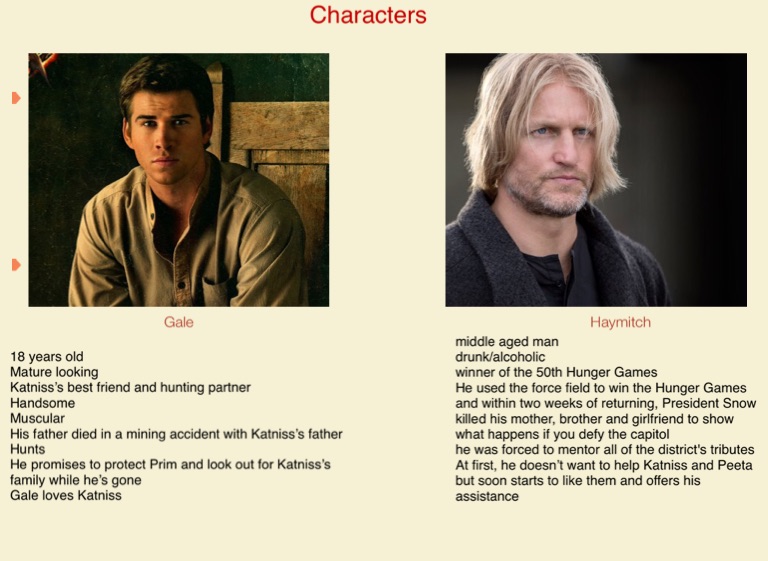
Beyond individual character connection, the fate of Katniss’s father deepens the overall thematic richness of “The Hunger Games” brand. His death in the mines underscores the brutal economic realities and systemic exploitation faced by the districts under the Capitol’s regime. It highlights themes of poverty, sacrifice, and the dehumanizing cost of totalitarian control. This isn’t just a personal tragedy; it’s a microcosm of the larger societal issues the brand explores. By weaving such a poignant personal loss into the fabric of the dystopian setting, the franchise brand imbues its commentary on power, injustice, and resistance with genuine pathos. This multi-layered emotional depth prevents the brand from being merely an action-adventure story; it elevates it to a cultural commentary that provokes thought and feeling. A brand that can consistently offer such intellectual and emotional depth builds significant equity, distinguishing itself in a crowded market and ensuring its message endures.
Brand Longevity and Legacy: A Testament to Narrative Depth
The enduring success and legacy of “The Hunger Games” as a brand can be significantly attributed to its foundational narrative depth, exemplified by elements like the backstory of Katniss’s father. In the realm of brand building, especially for entertainment properties, longevity is not accidental; it is the result of carefully crafted narratives that provide substance, emotional anchors, and a consistent universe for audiences to inhabit.
Cultivating Enduring Brand Loyalty
A brand’s ability to cultivate enduring loyalty is directly tied to the richness of its world and the authenticity of its characters. Katniss’s father’s story contributes to this by grounding her character in a relatable past filled with both love and tragedy. This depth means that Katniss is not a one-dimensional hero; she is a product of her environment and her history. This complexity fosters a connection that transcends fleeting trends. Audiences return to “The Hunger Games” because they are invested in the characters’ journeys, which are shaped by these foundational elements. The consistent portrayal of Katniss’s motivations—rooted in her love for her family and the memory of her father—reinforces the brand’s core values, making it trustworthy and predictable in its emotional impact. This consistency is a cornerstone of brand loyalty, ensuring that consumers know what to expect and why they connect with the brand.
Expanding the Brand Universe Through Core Lore
The lore surrounding Katniss’s father also provides fertile ground for the expansion and reinterpretation of the “Hunger Games” universe. While not directly explored in prequels, the very existence of such a formative character and his influence subtly expands the imaginative scope of the world. It suggests that every character has a backstory, every district a unique culture, and every loss a ripple effect. This deep well of lore allows the brand to remain relevant and engaging over time, supporting potential spin-offs, adaptations, and continued fan engagement. A robust lore builds a brand universe that feels real and lived-in, encouraging audiences to explore its nuances and connect with its history. For instance, the emphasis on Katniss’s unique skills and songs inherited from her father provides distinct narrative threads that distinguish her from other protagonists, solidifying her unique position within the brand’s mythology. This depth ensures the brand is not merely a fleeting phenomenon but a rich, explorable world.
Strategic Storytelling: Lessons for Brand Building
Analyzing the impact of Katniss’s father within “The Hunger Games” offers invaluable lessons for strategic storytelling in brand building. It highlights how even secondary or background narrative elements can hold immense power in defining a brand’s essence, connecting with its audience, and sustaining its influence over time.
The Power of Understated Backstory
One of the most compelling insights is the power of an understated backstory. Katniss’s father is not a character who appears frequently in flashbacks or is overtly discussed. His influence is often felt rather than explicitly stated. This subtlety allows the audience to infer and construct their understanding, making the emotional impact more personal and profound. For brands, this translates to the understanding that not every aspect of a brand’s “origin story” needs to be shouted from the rooftops. Often, the implicit values, the quiet sacrifices, or the foundational experiences that shape a brand’s identity can resonate more deeply. It’s about showing, not just telling, the brand’s heritage and its underlying ethos. A brand can build mystique and depth by allowing its actions and its primary “protagonists” (products, services, or lead figures) to embody its heritage, rather than relying solely on explicit historical accounts.

Aligning Narrative with Brand Purpose
Ultimately, the narrative of Katniss’s father perfectly aligns with the core purpose of “The Hunger Games” brand: a saga about survival, sacrifice, and the spark of rebellion against oppression. His death, a direct consequence of the Capitol’s exploitative system, sets the stage for Katniss’s personal vendetta and her eventual role as the Mockingjay. This seamless alignment ensures that every narrative beat reinforces the brand’s central message. For any brand, this is a critical takeaway: every piece of your story, every detail of your origin, every aspect of your “founder’s journey” or “product’s evolution,” should serve to reinforce your core brand purpose and values. When the narrative, no matter how subtle, consistently supports the brand’s overarching mission, it creates a cohesive, powerful, and unforgettable identity that leaves an indelible mark on its audience. The fate of Katniss’s father is not just a tragedy; it is a meticulously crafted piece of brand architecture, silently guiding the narrative and cementing the emotional bedrock of a global phenomenon.
aViewFromTheCave is a participant in the Amazon Services LLC Associates Program, an affiliate advertising program designed to provide a means for sites to earn advertising fees by advertising and linking to Amazon.com. Amazon, the Amazon logo, AmazonSupply, and the AmazonSupply logo are trademarks of Amazon.com, Inc. or its affiliates. As an Amazon Associate we earn affiliate commissions from qualifying purchases.