
The Enduring Legacy of an Automotive Icon
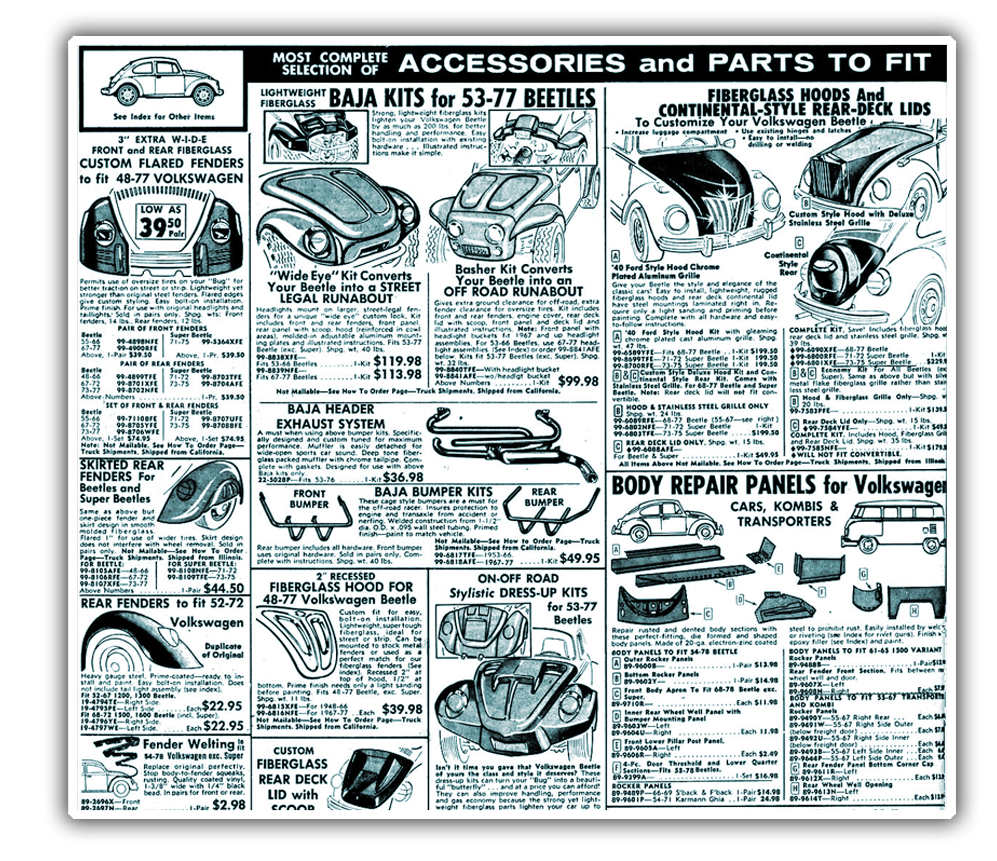
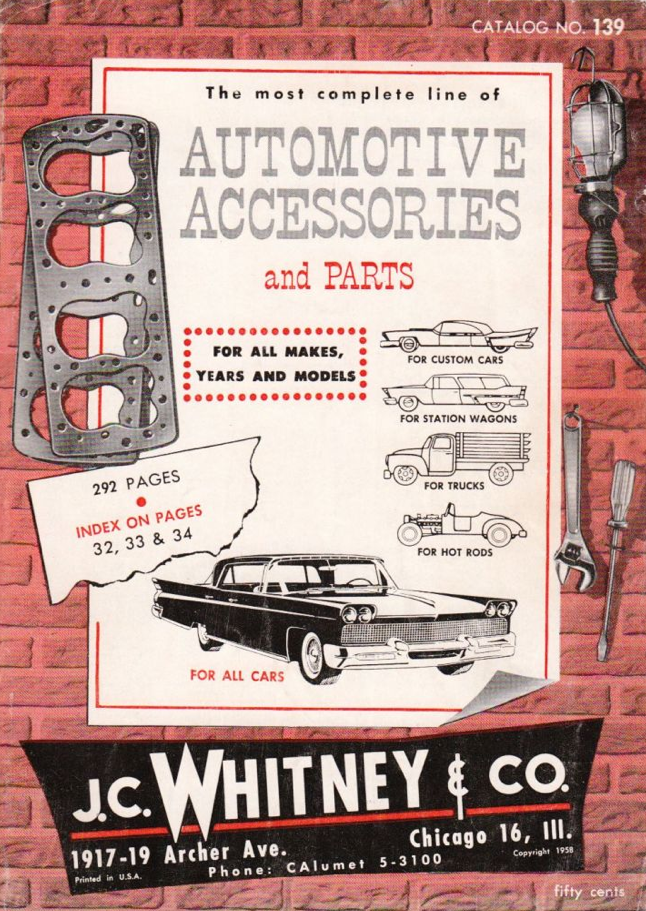
For decades, the name JC Whitney was synonymous with automotive parts, accessories, and a vibrant culture of customization and DIY repair. Founded in 1915 by Israel Warshawsky, the company initially sold replacement parts for Ford Model T vehicles before expanding into a vast universe of aftermarket components. Its thick, glossy catalogs, often referred to as “the car lover’s bible,” were a staple in garages and homes across America, inspiring generations of enthusiasts to tinker, upgrade, and personalize their vehicles. The JC Whitney brand wasn’t just a retailer; it was a community touchstone, a gateway to automotive dreams, and a symbol of independence for car owners seeking alternatives to dealership parts.
From Print Catalog to Digital Marketplace
The brand’s identity was deeply intertwined with its print catalogs. These meticulously organized tomes, sometimes hundreds of pages long, offered an astonishing array of products, from mundane spark plugs to exotic custom accessories for virtually any vehicle imaginable. The act of flipping through a JC Whitney catalog was an experience in itself, a treasure hunt for the perfect part or a discovery of an item one didn’t even know they needed. This print-centric model fostered a unique connection with its customer base, building brand loyalty through anticipation, aspiration, and the tangible presence of a comprehensive product guide.
However, as the 21st century dawned, the retail landscape began a seismic shift. The internet emerged as a disruptive force, offering instant access to product information, competitive pricing, and a level of convenience that print catalogs struggled to match. JC Whitney, like many legacy catalog retailers, faced the immense challenge of transitioning its established brand identity and operational model from analog to digital. While they did establish an online presence, the unique brand experience of the physical catalog was difficult to replicate in the nascent stages of e-commerce. The brand’s digital strategy needed to encompass not just listing products but also translating the sense of discovery and community that defined its earlier success.
The Brand Identity and Customer Connection
JC Whitney’s brand identity was built on several key pillars: accessibility, comprehensiveness, and empowerment. It catered to everyone from the casual car owner looking for a wiper blade to the dedicated gearhead undertaking a full engine swap. The brand promised that no matter how obscure the part or ambitious the project, JC Whitney likely had it. This broad appeal and the perception of being a one-stop shop cultivated a powerful sense of trust and reliability. Customers viewed JC Whitney not just as a vendor but as a knowledgeable partner in their automotive endeavors. This deep-rooted customer connection, built over decades, was the brand’s most valuable asset and arguably its most significant challenge to maintain in the rapidly evolving digital marketplace, where new competitors emerged daily with aggressive pricing and digital-first strategies.
Navigating the Shifting Sands of Retail
The automotive aftermarket industry, like many retail sectors, underwent a profound transformation with the advent of e-commerce. What was once a relatively fragmented market dominated by local parts stores and large catalogers like JC Whitney became a highly competitive, global arena. The brand, rich in heritage but slower to adapt its core strategies, found itself increasingly challenged.
The Rise of E-commerce and Niche Competition
The internet democratized access to automotive parts, allowing countless smaller, specialized online retailers to emerge. These new players often focused on specific niches (e.g., performance parts for a particular make, off-road accessories, classic car restoration components), offering curated selections and expert advice that could sometimes outcompete the vast, generalist approach of JC Whitney. Websites like Summit Racing, Jegs, and later, Amazon and eBay Motors, provided instant price comparisons, detailed product reviews, and expedited shipping – services that set new consumer expectations. JC Whitney, while having an online store, struggled to differentiate itself sufficiently in this crowded digital space. Its traditional strength – the sheer breadth of its catalog – became a double-edged sword, making it harder to establish a focused, optimized digital experience tailored to modern online shopping habits.
Adapting to New Consumer Behaviors
Modern consumers demand not just products, but solutions, information, and a seamless shopping experience. They expect intuitive website navigation, high-quality product images, comprehensive specifications, and peer reviews. Furthermore, the rise of social media and online forums created new communities where automotive enthusiasts shared knowledge, sought recommendations, and showcased their projects. These platforms often bypassed traditional retailers as primary sources of information and inspiration.
For JC Whitney, adapting meant more than just putting its catalog online. It required a fundamental rethinking of its brand presentation, its engagement strategies, and its operational efficiencies. The brand needed to evolve from being a passive provider of parts to an active participant in the digital automotive community. This included investing in user-friendly e-commerce platforms, optimizing for mobile access, engaging customers through content marketing (e.g., DIY guides, product reviews, project features), and leveraging digital advertising effectively. The challenge lay in translating its analog authority into digital influence, ensuring its brand voice resonated in a new medium while staying true to its legacy.
Acquisitions, Consolidation, and the Final Chapter
The pressures of a rapidly changing retail environment and intense competition led to significant consolidation within the automotive aftermarket industry. Many independent brands, even iconic ones like JC Whitney, found themselves needing to merge or be acquired to remain viable.
The Keystone Automotive Acquisition
In 1996, JC Whitney was acquired by The Levy Group. This acquisition marked the beginning of a series of ownership changes for the venerable brand. However, the most significant shift came in 2002 when the brand was acquired by Keystone Automotive Operations, Inc., a subsidiary of the private equity firm Bain Capital. Keystone Automotive was, and remains, a leading distributor and marketer of automotive aftermarket accessories and specialty equipment.
For Keystone, acquiring JC Whitney offered several strategic advantages. It brought a well-known brand name, an extensive product catalog, and a loyal customer base into its portfolio. The intent was likely to integrate JC Whitney’s direct-to-consumer model with Keystone’s vast wholesale distribution network, creating synergies in product sourcing, logistics, and market reach. The acquisition was an attempt to revitalize the JC Whitney brand by infusing it with new capital and operational expertise, positioning it within a larger, more diversified automotive group.
Fading into the Parent Company’s Portfolio
Initially, JC Whitney continued to operate as a distinct brand under the Keystone umbrella, maintaining its website and, for a time, its print catalog operations. However, as often happens in corporate acquisitions, the unique identity of the acquired brand gradually began to integrate, and sometimes dissipate, into the larger corporate structure. Over time, the independent operation of JC Whitney as a standalone brand diminished. Marketing efforts became more centralized, and the distinct look and feel of the original JC Whitney experience evolved to align with Keystone’s broader digital strategy.
Eventually, the standalone JC Whitney website was redirected, and the brand was effectively folded into the operations of another Keystone-owned property, carparts.com. While traces of the JC Whitney legacy might exist in product offerings or internal branding within the parent company, the distinct customer-facing brand, with its iconic catalogs and unique identity, ceased to exist as an independent entity. This consolidation represents the final chapter for JC Whitney as a prominent, individual brand in the automotive aftermarket. Its rich history and extensive product line were absorbed, its distinct brand equity now serving as an underlying current within a larger corporate river.
Lessons from a Bygone Brand
The story of JC Whitney offers valuable insights for brand strategists and businesses navigating market evolution. It underscores the fragility of even the most established brands in the face of relentless technological change and shifting consumer expectations.
The Power of Niche and Community Building
JC Whitney thrived for decades by cultivating a clear niche (automotive aftermarket parts for DIYers and enthusiasts) and building a strong sense of community around its brand. Its catalogs weren’t just product lists; they were sources of inspiration and belonging for a specific demographic. This highlights the enduring power of understanding and serving a dedicated community. For modern brands, this translates to targeted content, active social media engagement, and fostering user-generated content that reinforces belonging. While JC Whitney did this offline, the principle remains vital online.
The Imperative of Brand Reinvention
The brand’s eventual absorption illustrates the critical need for continuous brand reinvention. While heritage and legacy are powerful assets, they can become liabilities if a brand fails to adapt its core value proposition and delivery mechanisms to new market realities. JC Whitney’s challenge was not just about having an online store, but about recreating the unique “catalog experience” and the emotional connection in a digital format. Brands must constantly analyze their competitive landscape, consumer behavior, and technological advancements to ensure their identity and offerings remain relevant and compelling. Reinvention isn’t just about updating a logo; it’s about fundamentally rethinking how the brand engages with its audience and delivers value.

Sustaining Brand Equity in a Dynamic Market
JC Whitney possessed immense brand equity – recognition, trust, and a positive association built over nearly a century. However, sustaining this equity requires active management and investment in new channels and customer experiences. The brand’s journey demonstrates that strong brand equity can provide a buffer, but it is not impervious to market forces. Strategic acquisitions can sometimes dilute or subsume an acquired brand’s distinct identity, even if done for operational efficiency. Companies must carefully consider how to integrate acquired brands to either leverage their existing equity or consciously transition it to a new, stronger corporate identity. The legacy of JC Whitney serves as a poignant reminder that even the most iconic brands must evolve or risk fading into the archives of business history.
aViewFromTheCave is a participant in the Amazon Services LLC Associates Program, an affiliate advertising program designed to provide a means for sites to earn advertising fees by advertising and linking to Amazon.com. Amazon, the Amazon logo, AmazonSupply, and the AmazonSupply logo are trademarks of Amazon.com, Inc. or its affiliates. As an Amazon Associate we earn affiliate commissions from qualifying purchases.