
Griffith, the enigmatic and pivotal character in Kentaro Miura’s Berserk, represents one of the most compelling and complex case studies in brand transformation and personal identity within narrative fiction. His trajectory, from a charismatic leader of a mercenary band to a demonic overlord presiding over a new world order, offers profound insights into how a brand—whether personal or corporate—can be built, destroyed, and reinvented, often with devastating consequences for its stakeholders.
The Genesis of a Brand: Griffith’s Ascendance as the White Hawk
Before delving into the dramatic shifts, it’s crucial to understand the initial brand Griffith meticulously crafted. His early persona as the “White Hawk” was a masterclass in personal branding, laying the foundation for an empire built not just on martial prowess but on an unshakeable vision and captivating charisma.
Charisma and Vision: Crafting an Irresistible Persona
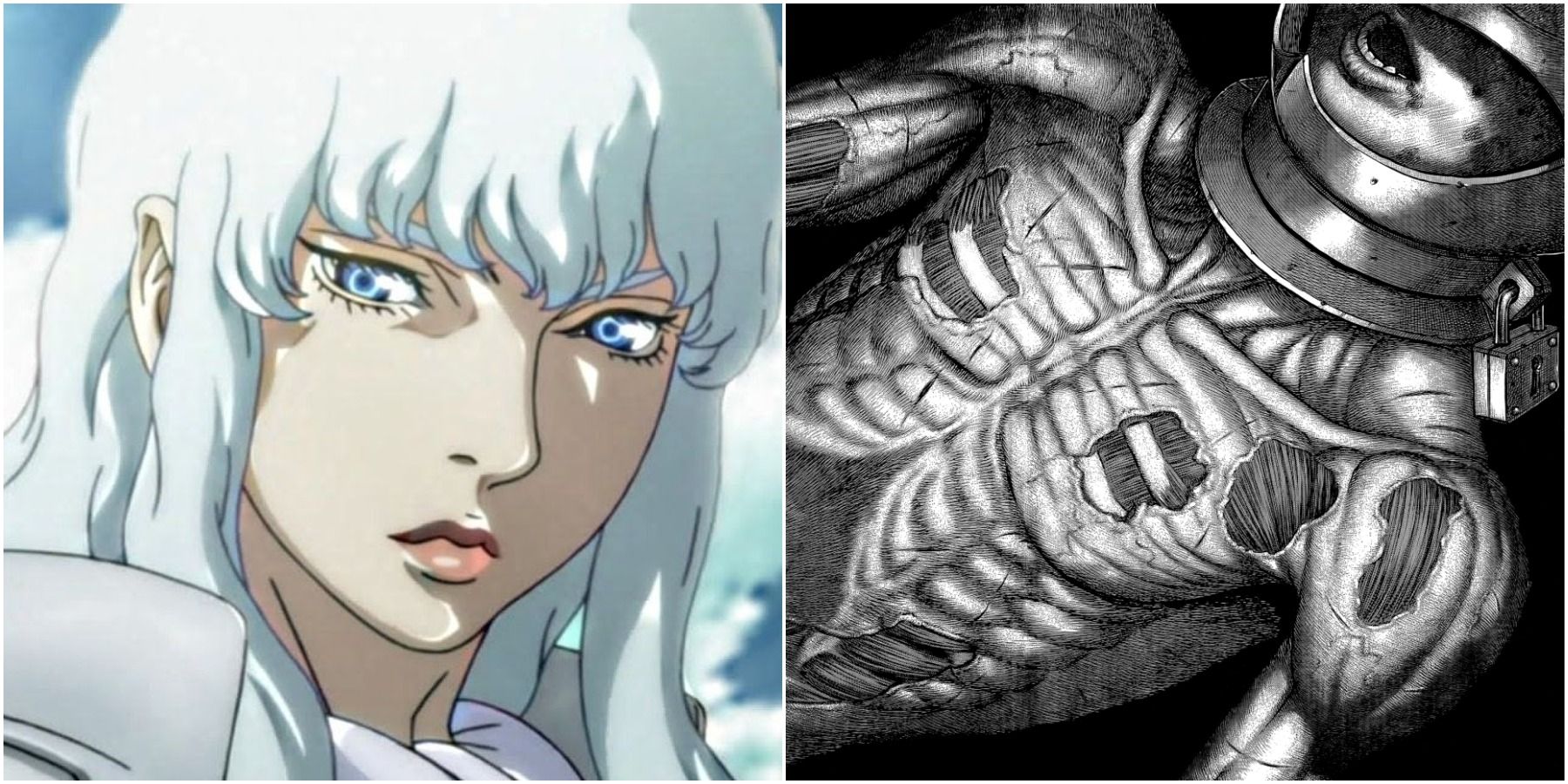
Griffith’s initial brand was defined by an almost supernatural allure. He possessed striking good looks, an unwavering calm under pressure, and a strategic genius that seemed infallible. More than these attributes, however, it was his clear, audacious vision for owning his own kingdom that served as his brand’s core mission statement. This vision wasn’t abstract; it was tangible, articulated with a passion that drew others to his cause. He marketed himself as the ultimate leader, one who could not only dream big but also execute flawlessly. His brand promised protection, glory, and a share in his ultimate success, making him irresistible to those seeking purpose or advancement. This was personal branding at its peak: a compelling narrative, a clear value proposition, and an almost messianic leader at its helm.
The Band of the Hawk: A Collective Identity Forged in Ambition
The Band of the Hawk was more than just a mercenary group; it was an extension of Griffith’s personal brand, evolving into a potent collective identity. Members, particularly Guts and Casca, were not merely employees but disciples who deeply bought into Griffith’s vision. Their loyalty was a testament to the strength of the brand he had built—a brand synonymous with victory, camaraderie, and aspiration. The Band’s reputation for never losing a battle became a powerful brand equity, attracting more talent and establishing their dominance in the Midland war. This collective identity reinforced Griffith’s individual brand, demonstrating his capacity to inspire, organize, and elevate others, creating a symbiotic relationship where the success of the Band directly enhanced the legend of Griffith.
The Cataclysmic Rebranding: The Eclipse and the God Hand
The turning point in Griffith’s narrative, and arguably his most significant “rebranding” event, was the infamous Eclipse. This traumatic ritual marked the absolute annihilation of his previous identity and the violent birth of something entirely new and terrifying.
The Ultimate Sacrifice: A Brand’s Darkest Rebirth
After his year-long imprisonment and torture, Griffith’s original brand was shattered. His physical body was mutilated, his dreams seemed crushed, and his charisma was replaced by a broken shell. In a moment of ultimate despair and longing for his dream, he chose to sacrifice the Band of the Hawk, his most loyal followers, during the demonic ceremony known as the Eclipse. This was the ultimate, albeit horrifying, act of corporate rebranding through destruction. He willingly severed all ties to his past identity, liquidating his “assets” (his comrades) to pay the steep price for a new, immensely powerful existence. This act demonstrates the perilous edge of ambition: the willingness to dismantle everything that was to achieve a greater, albeit darker, future.
Femto: The Demonification of a Persona

From the ashes of Griffith’s humanity emerged Femto, a member of the God Hand, a quintet of demonic archangels. This new form was a complete departure from the White Hawk. Femto represented a brand stripped of human empathy, imbued with cosmic power, and detached from mortal constraints. The brand image shifted from a heroic warrior to an ominous, otherworldly entity. The transformation was not just physical; it was a fundamental change in his brand essence. Where Griffith valued ambition and leadership, Femto embodied pure causality and manipulation. This demonification was a stark example of a brand completely shedding its previous values and adopting an entirely new, fearsome identity, leveraging dark power as its primary asset.
From Demon to Divine: Falconia and the New World Order
Following his rebirth as Femto, Griffith eventually returned to the mortal realm, not as a rampaging demon, but as a resurrected human form. This third phase of his existence saw him orchestrate the creation of Falconia, a utopian city that became the centerpiece of his new, complex brand identity.
The Architect of a Utopia: Rebuilding Trust and Authority
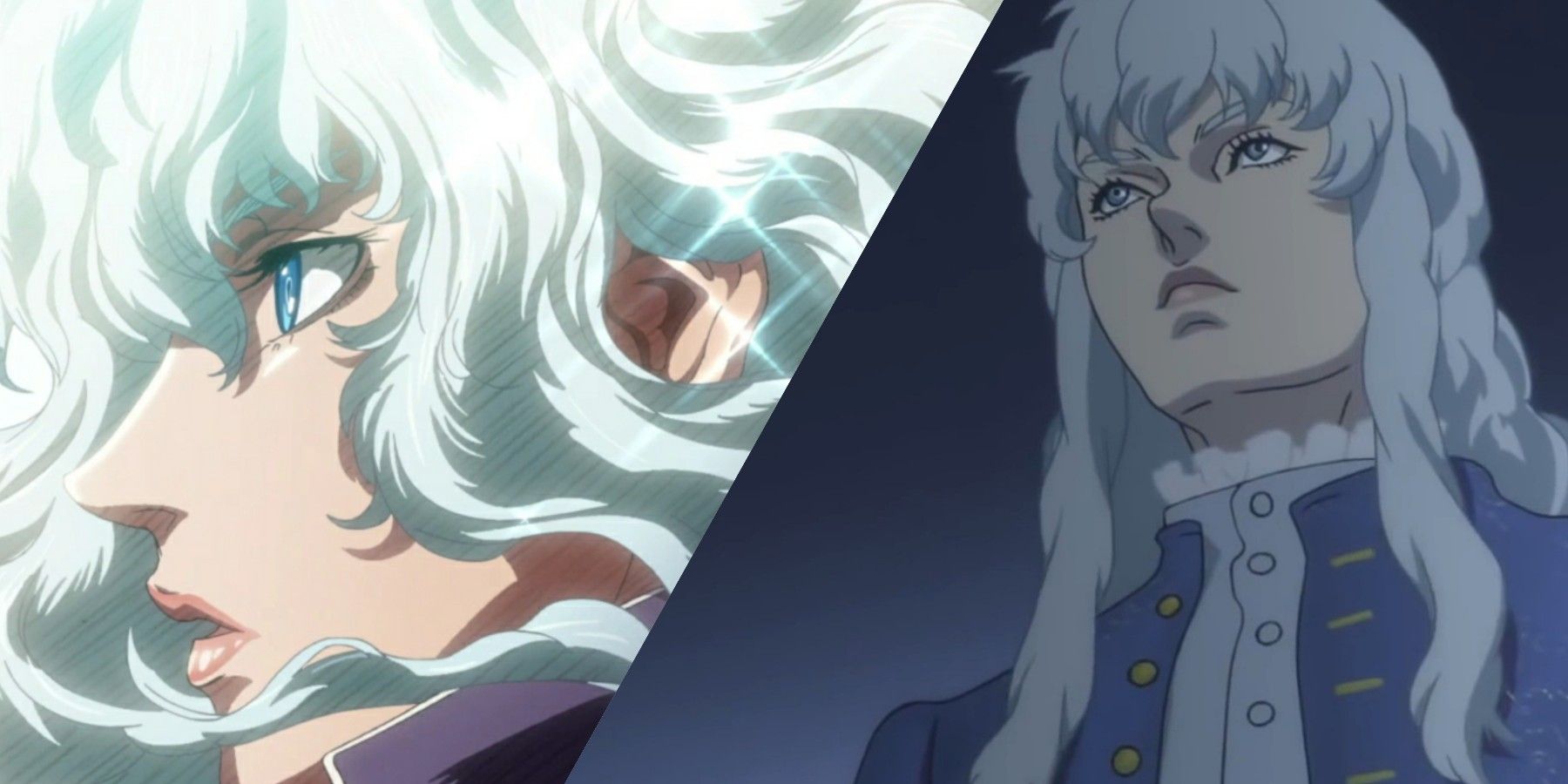
The resurrected Griffith presented himself as a savior, a beacon of hope in a world ravaged by interdimensional incursions and conflict. He strategically positioned himself as the only one capable of uniting humanity against overwhelming threats. This was a sophisticated exercise in public relations and brand perception management. He didn’t appear as Femto; he returned in a pristine, angelic human form, radiating benevolence and strength. By constructing Falconia, a city free from war, poverty, and monster attacks, he created a tangible manifestation of his new brand promise: peace, security, and prosperity. He actively demonstrated his ability to deliver on this promise, thereby rebuilding trust and authority on an unprecedented scale. People flocked to Falconia, willingly accepting his leadership, perceiving him as a divine figure rather than the demon he truly was.
The Brand of Peace: Unifying Humanity Under a New Banner
Griffith’s new brand focused on universal appeal: peace. In a fractured world, this message resonated deeply. He leveraged his supernatural abilities and the God Hand’s influence to enforce this peace, effectively eliminating external threats and internal dissent. Falconia became a powerful “brand artifact”—a physical representation of his vision that silenced critics and converted skeptics. This was a brand strategy designed for global dominance, unifying disparate factions under a single, powerful banner. The irony, of course, is that this peace was built upon the ultimate betrayal and sacrifice of his past, and maintained through subtly manipulative, often brutal, means. His brand became synonymous with salvation, despite its horrific origins, showcasing the power of perception and controlled messaging in shaping public opinion.
The Enduring Legacy and Brand Duality
Griffith’s narrative is a continuous exploration of duality, a powerful concept in branding where a single entity can embody contradictory characteristics. His story forces an examination of whether a brand can truly escape its past, or if the shadow of its origins will always linger.
The Irreconcilable Selves: Griffith vs. Femto
Even with the triumphant establishment of Falconia, the duality within Griffith persists. He appears as the benevolent human leader, but he is undeniably Femto, a demonic entity. This creates an irreconcilable tension within his brand. For the masses, he is the savior. For those who know his past—Guts, Casca, and a select few—he is the ultimate betrayer. This brand schizophrenia highlights a critical lesson: while public perception can be meticulously managed, the true nature of a brand, its inherent values and history, can never be entirely erased. The internal conflict, and the suffering of those who bear witness to his true self, serve as a constant reminder that the brand of Falconia is built upon a foundation of immense suffering and deceit, a Faustian bargain for universal peace.
Lessons in Brand Transformation and Perception
Griffith’s journey offers profound, albeit dark, lessons in brand transformation and the malleability of perception. It illustrates how:
- Vision is Paramount: A strong, compelling vision can attract and unite followers, forming the bedrock of any brand.
- Sacrifice Can Be a Strategy: While extreme in Griffith’s case, brands often make difficult decisions or shed old aspects to evolve.
- Perception is Reality: Through strategic actions, controlled messaging, and tangible deliverables (like Falconia), a brand can fundamentally alter how it is perceived, even masking its true, darker nature.
- Duality Can Exist: A brand can project one image while harboring a completely different reality beneath the surface, especially when built on a foundation of ethical compromise.
- The Past Haunts the Future: Even the most successful rebrands may struggle with the shadow of their past, particularly for those who witnessed the original brand’s demise.
Ultimately, “what happened to Griffith in Berserk” is a saga of extreme personal branding, demonstrating the immense power of charisma, ambition, and vision to build, destroy, and rebuild an identity, irrespective of the moral costs. His story serves as a cautionary tale about the lengths to which an individual or entity might go to achieve their ultimate vision, and the devastating impact such transformations can have on all who are touched by the brand.
aViewFromTheCave is a participant in the Amazon Services LLC Associates Program, an affiliate advertising program designed to provide a means for sites to earn advertising fees by advertising and linking to Amazon.com. Amazon, the Amazon logo, AmazonSupply, and the AmazonSupply logo are trademarks of Amazon.com, Inc. or its affiliates. As an Amazon Associate we earn affiliate commissions from qualifying purchases.