
The conclusion of Andor Season 1 delivered a masterclass in strategic storytelling, meticulously crafting narrative choices that profoundly impacted its brand identity within the expansive Star Wars universe. Far beyond a mere plot resolution, the finale, particularly the three-episode arc culminating in “Rix Road,” served as a definitive declaration of the series’ unique brand proposition: a gritty, grounded, and politically charged origin story for the rebellion, distinguished by its nuanced portrayal of ordinary individuals caught in extraordinary circumstances. The ending wasn’t just what happened, but how it solidified the brand’s thematic pillars and set the stage for its future narrative trajectory, engaging its audience on a deeper level than typical franchise fare.
The Brand’s Climax: Maarva Andor’s Funeral as a Catalyst
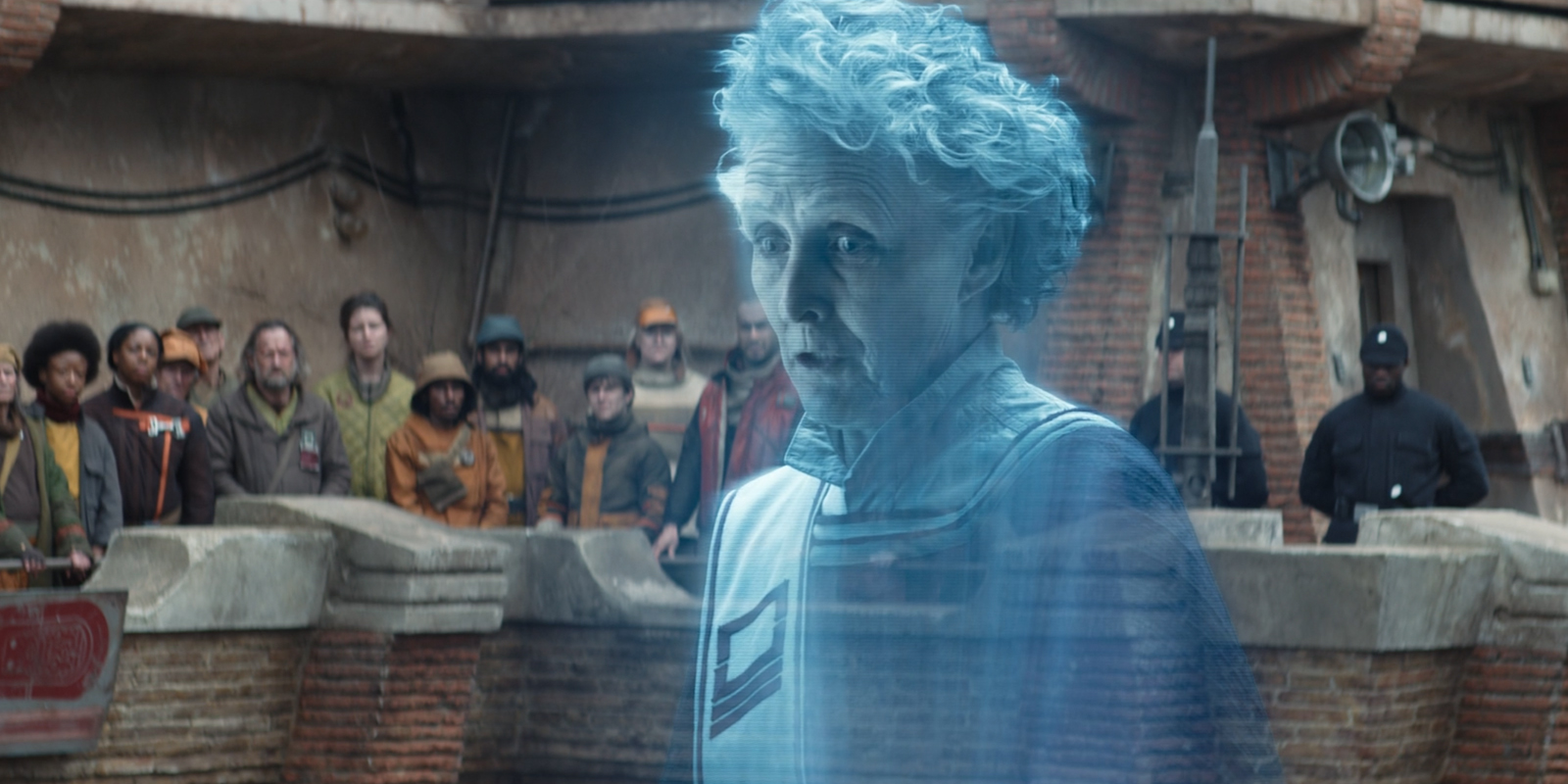
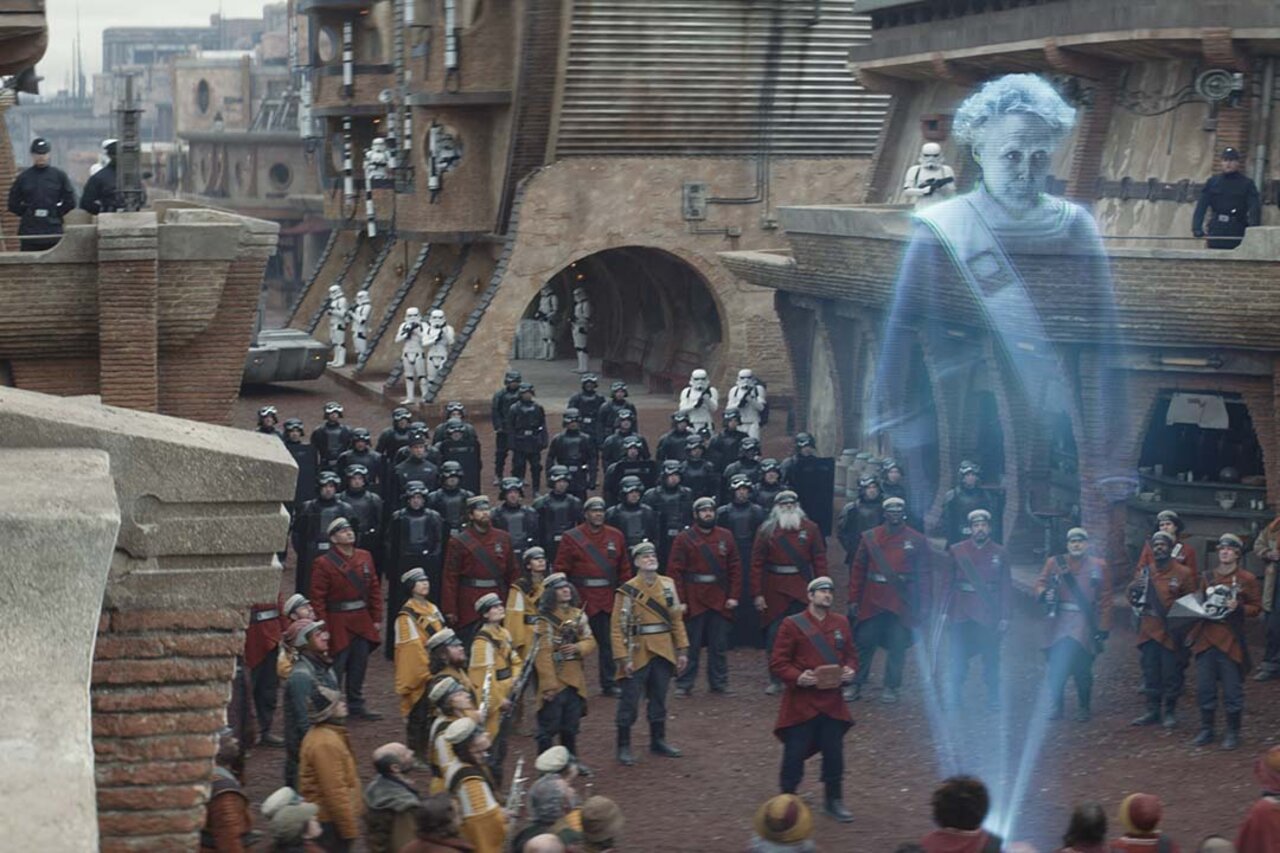
The heart of the Andor Season 1 finale, and arguably its most potent brand statement, revolved around the public funeral of Maarva Andor on Ferrix. This event was not merely a plot device; it was a carefully orchestrated narrative strategy designed to galvanize the nascent rebellion and cement the brand identity of its protagonist. Maarva, through her pre-recorded message, became a symbolic figure, her death transforming into a powerful rallying cry that resonated across the oppressed communities. This moment articulated the Andor brand’s commitment to portraying the rebellion not as a grand, top-down movement, but as an organic, desperate uprising fueled by personal loss and shared grievances.
Orchestrating Rebellion as a Brand Statement
Maarva’s speech, delivered by Bix Caleen through the square’s speakers, perfectly encapsulated the Andor brand’s messaging. It was a defiant rejection of Imperial tyranny, a call to arms for the weary and the wronged, emphasizing resilience and collective action. This sequence was crucial for the brand because it provided a tangible, emotional anchor for the abstract ideals of freedom and resistance. By showing the people of Ferrix, armed with improvised weapons and a newfound courage, clashing directly with the Empire’s forces, the series reinforced its brand promise of depicting the unglamorous, brutal reality of rebellion. It was a raw, visceral display of the brand’s commitment to authenticity, moving away from the more fantastical elements often associated with Star Wars to focus on the human cost and struggle. The visual narrative of the Ferrix uprising became an iconic representation of the Andor brand: localized, spontaneous, and fiercely individualistic yet collectively powerful.
Cassian’s Evolution: Defining the Protagonist Brand
Cassian Andor’s journey in the finale completed his transformation into a brand-defining character. From a cynical, self-serving survivor, he emerged as a reluctant hero, driven by a deeper sense of purpose. His decision to stay and fight on Ferrix, risking his own safety to protect Bix and participate in the uprising, marked a pivotal shift. This wasn’t the heroic, blaster-wielding figure often seen in franchise heroes; it was a gritty, morally ambiguous individual forced to confront his past and embrace a larger cause. The finale solidified Cassian’s personal brand as an anti-hero whose evolution is earned through hardship and sacrifice, not innate virtue. His choice to join Luthen Rael at the very end, offering his services to the wider rebel network, wasn’t just a plot point; it was a powerful statement about the Andor brand’s intent to show the making of a legend, not just his exploits. It underlined the brand’s focus on character development as a core narrative strength, ensuring audience investment in his complex journey.
Strategic Narrative & Audience Engagement: Fueling the Rebellion Brand
The finale deftly wove together multiple narrative threads, each contributing to the overall brand strategy of depicting a multi-faceted rebellion. The careful balancing act between the ground-level insurgency on Ferrix, the bureaucratic machinations in Coruscant, and the desperate efforts of key rebel figures demonstrated the Andor brand’s sophisticated approach to world-building and character development.
Syril Karn’s Brand Obsession and Its Narrative Purpose
Syril Karn’s relentless pursuit of Cassian Andor, culminating in his presence on Ferrix during the uprising, served a critical brand purpose. Karn represents the flip side of the Imperial coin – the obsessive, small-minded functionary whose personal vendetta mirrors the Empire’s systemic cruelty. His character arc in the finale, escaping the chaos on Ferrix and being rescued by his increasingly concerned mother, reinforced the Andor brand’s commitment to exploring the nuanced psychology of its characters, even the antagonists. Karn’s fixation isn’t just a character quirk; it’s a commentary on how personal failings can feed into larger oppressive structures, adding a layer of psychological depth that strengthens the brand’s reputation for mature storytelling. His continued presence suggests an ongoing cat-and-mouse game, promising sustained tension and character-driven conflict for future brand installments.
Mon Mothma’s Brand of Subtle Resistance

On Coruscant, Mon Mothma’s storyline provided a stark contrast to the overt violence on Ferrix, yet it was equally vital to the Andor brand’s narrative strategy. Her decision to seemingly marry off her daughter, Leida, to a son of the influential Steer family was a chilling illustration of the sacrifices required to fund and maintain the rebellion’s burgeoning brand. This personal sacrifice highlighted the insidious nature of Imperial control, forcing even the most powerful figures into impossible moral dilemmas. Mothma’s storyline underscored the Andor brand’s dedication to showing the myriad forms of resistance, from open revolt to covert political maneuvering and personal compromise. It emphasized that the rebellion was not just fought with blasters but also with reputation, influence, and the quiet destruction of personal lives. This multi-layered portrayal of resistance strengthens the overall brand by demonstrating its comprehensive understanding of conflict.
The Inciting Incident for the Rebel Brand: Unifying Ideals
The finale wasn’t just an end; it was a powerful beginning, serving as the true inciting incident for the wider Rebel Alliance brand. It showed how disparate acts of defiance, isolated individuals, and fragmented ideologies began to coalesce into a formidable, unified force. The juxtaposition of Ferrix’s raw rebellion with Luthen Rael’s strategic network and Mon Mothma’s political maneuvering painted a comprehensive picture of the rebellion’s origins.
Setting the Stage for the Brand’s Future Conflicts
The culmination of Season 1 meticulously positioned the Andor brand for its inevitable clash with the Empire in Season 2. Cassian’s decision to fully commit to Luthen’s cause, knowing the immense personal cost, signaled the series’ transition from character-centric origin story to a more direct exploration of organized rebellion. The finale demonstrated that the Andor brand isn’t just about showing the spark; it’s about showing the deliberate fanning of those flames into a wildfire. It effectively closed one chapter of Cassian’s life while opening another, aligning his personal brand with the larger, overarching brand of the Rebel Alliance, ensuring audience anticipation for the next phase of his journey and the broader conflict.
Crafting a Credible Origin Story for the Wider Star Wars Brand
Perhaps the most significant brand achievement of the finale was how it seamlessly integrated into, and indeed elevated, the broader Star Wars brand. By providing a gritty, realistic, and deeply human origin for the rebellion, Andor offered a credible foundation for the galaxy-spanning conflict seen in subsequent films and series. It filled in the narrative gaps, explaining why people would risk everything to fight the Empire, giving weight and emotional resonance to the sacrifices of characters like those in Rogue One. The finale solidified Andor‘s unique brand within the franchise as the “how it started” story, enriching the overall Star Wars brand by adding depth and nuance to its foundational mythos.
Post-Credits Scene: A Brand’s Hidden Message and Legacy
The post-credits scene of Andor Season 1 was a powerful, non-verbal brand statement, revealing that the components being constructed throughout Cassian’s incarceration on Narkina 5 were parts for the Death Star’s superlaser. This single visual solidified the series’ brand as a crucial prequel, directly linking its grounded narrative to the iconic destructive power of the Empire’s ultimate weapon.
Reinforcing the Brand’s Core Themes
This reveal powerfully reinforced the Andor brand’s core themes of systemic oppression and the unseen machinery of evil. It transformed the seemingly mundane, repetitive labor of prisoners into a chilling, direct contribution to the Empire’s most terrifying symbol. This clever narrative device underscored the show’s brand promise to expose the hidden mechanics of Imperial control and the vast, often invisible, suffering it caused. It demonstrated the scale of the Empire’s ambition and the sheer human cost embedded in its grand projects, enriching the series’ critical commentary on fascism and industrial exploitation.
The Brand’s Promise: Setting Expectations for Season 2
The final shot served as a potent teaser, confirming the high stakes for Season 2 and beyond. It connected the personal narrative of Cassian Andor directly to the galactic struggle against the Death Star, tying his fate and the rebellion’s efforts to the grand narrative of Star Wars. This strategic revelation amplified audience anticipation, promising that the next installment of the Andor brand would continue its meticulous, impactful storytelling while drawing ever closer to the events of Rogue One, ensuring its place as an indispensable chapter in the larger Star Wars saga.
aViewFromTheCave is a participant in the Amazon Services LLC Associates Program, an affiliate advertising program designed to provide a means for sites to earn advertising fees by advertising and linking to Amazon.com. Amazon, the Amazon logo, AmazonSupply, and the AmazonSupply logo are trademarks of Amazon.com, Inc. or its affiliates. As an Amazon Associate we earn affiliate commissions from qualifying purchases.